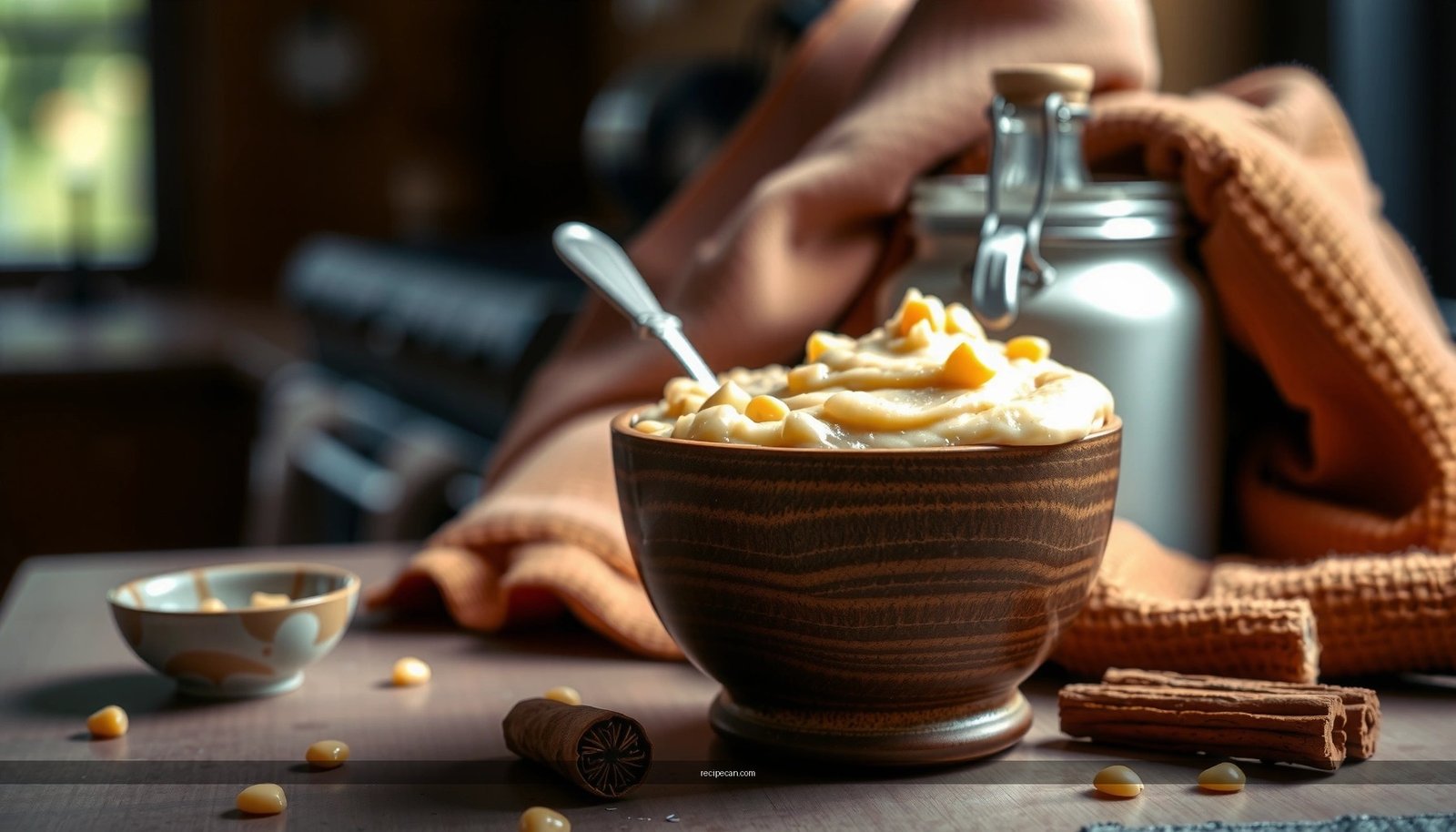
Get a creamy, cozy cornmeal pudding recipe that’s genuinely easy to make and reliably sets every time. This version answers the one question that matters: how to turn simple cornmeal into a spoonable, custard-like pudding with the right texture and flavor. You’ll have a comforting dessert ready fast, with straightforward steps and foolproof timing.
Cornmeal pudding is a creamy, spoonable dessert (or breakfast pudding) made by simmering cornmeal with milk until thick, then baking or finishing gently until smooth. This recipe focuses on the right liquid-to-cornmeal ratio, practical lump-prevention techniques, and easy flavor options so you can reliably get a custard-like texture every time.
Ingredients for Cornmeal Pudding
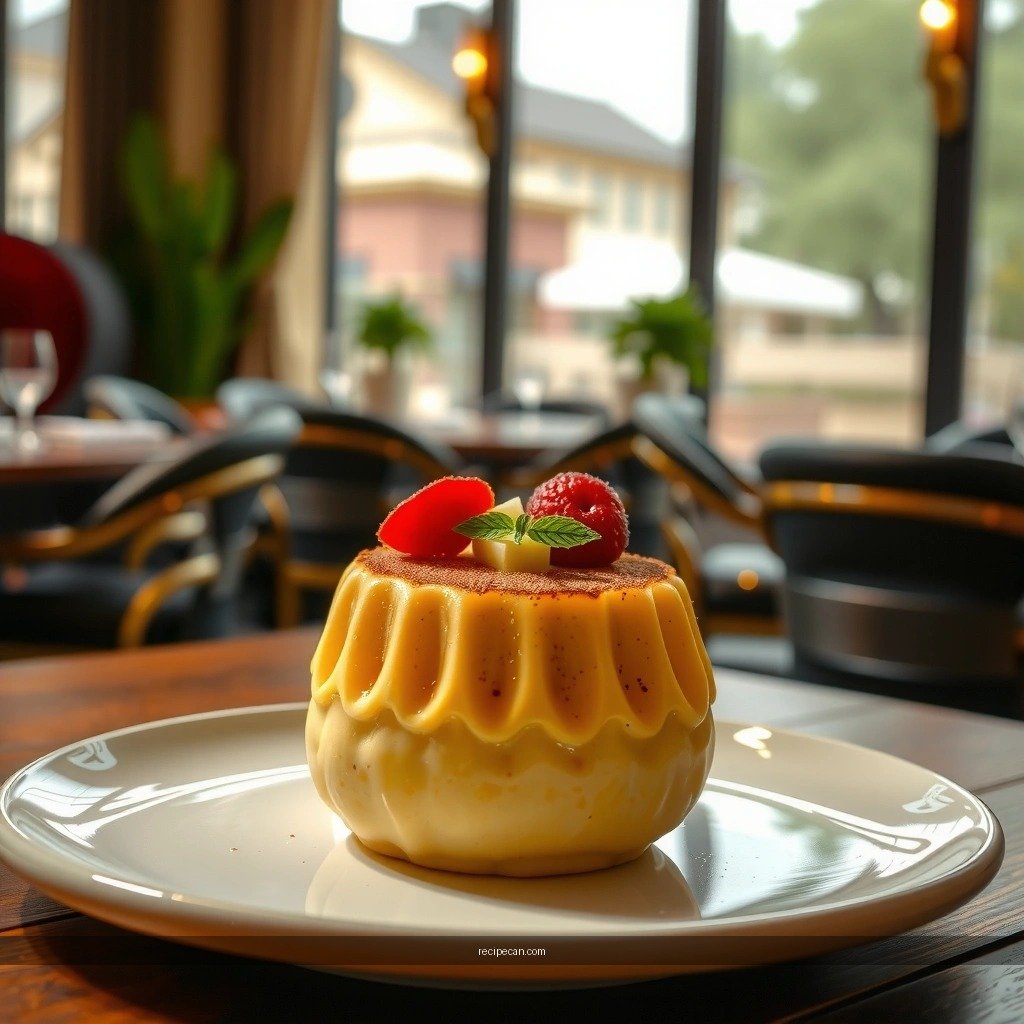
Cornmeal pudding is built on a simple foundation—just enough sweetness, fat, and liquid to coax cornmeal starches into a tender, thickened base. Use a steady simmer and consistent stirring so the pudding cooks evenly without turning grainy or watery.
– Cornmeal: Use fine or medium-ground cornmeal for the creamiest spoonable pudding. Coarse cornmeal can still work, but it usually needs more cooking time and may feel slightly more textured.
– Milk (or a mix): Whole milk is the classic choice for richness. For a lighter pudding, you can use part 2% or evaporated milk. Many cooks also mix milk + half-and-half for an especially velvety mouthfeel.
– Sugar: White sugar is most common; brown sugar adds a deeper caramel note. Start modestly—corn has natural sweetness, and too much sugar can soften structure too aggressively.
– Pinch of salt: Salt isn’t optional. It sharpens corn flavor and improves perceived sweetness balance.
– Eggs (optional but common): Eggs create a more set, custard-like pudding. If you want a “sliceable” result after cooling, eggs help. If you prefer a purely porridge-like pudding, you can omit eggs, but it will be softer.
– Flavor boosters:
– Vanilla (warm, rounded sweetness)
– Cinnamon (cozy depth)
– Nutmeg (classic pastry aroma)
– Optional: lemon zest or orange zest for brightness, or a splash of bourbon/rum extract for complexity.
To keep your results consistent, it helps to understand how small ingredient choices affect texture—especially the cornmeal type and whether you’re adding eggs. The table below summarizes practical ratios and expected texture outcomes for common cornmeal pudding approaches.
Cornmeal Pudding Texture Guidance by Cook Method (2 Tbsp Cornmeal/serving basis)
| # | Approach | Cornmeal | Liquid (Milk eq.) | Eggs | Expected Set | Comfort Score |
|---|---|---|---|---|---|---|
| 1 | Stovetop creamy porridge | Fine | 1/2 cup | No | Soft, spoonable | ★ ★ ★ ★ ★ |
| 2 | Stovetop custard finish | Fine | 2/3 cup | Yes | Medium set | ★ ★ ★ ★ ☆ |
| 3 | Baked classic | Medium | 3/4 cup | Yes | Custard-like, spoonable | ★ ★ ★ ★ ★ |
| 4 | Baked firm (extra set) | Medium | 2/3 cup | Yes | Firm spoon, slight jiggle | ★ ★ ★ ☆ ☆ |
| 5 | Baked with higher moisture | Fine | 1 cup | No | Very soft, porridge | ★ ★ ☆ ☆ ☆ |
| 6 | Half milk, half cream | Fine | 2/3 cup (total) | Optional | Silky, moderate set | ★ ★ ★ ★ ★ |
| 7 | Make-ahead refrigerated | Medium | 3/4 cup | Yes | Thick, sliceable edges | ★ ★ ★ ★ ☆ |
How to Make Cornmeal Pudding
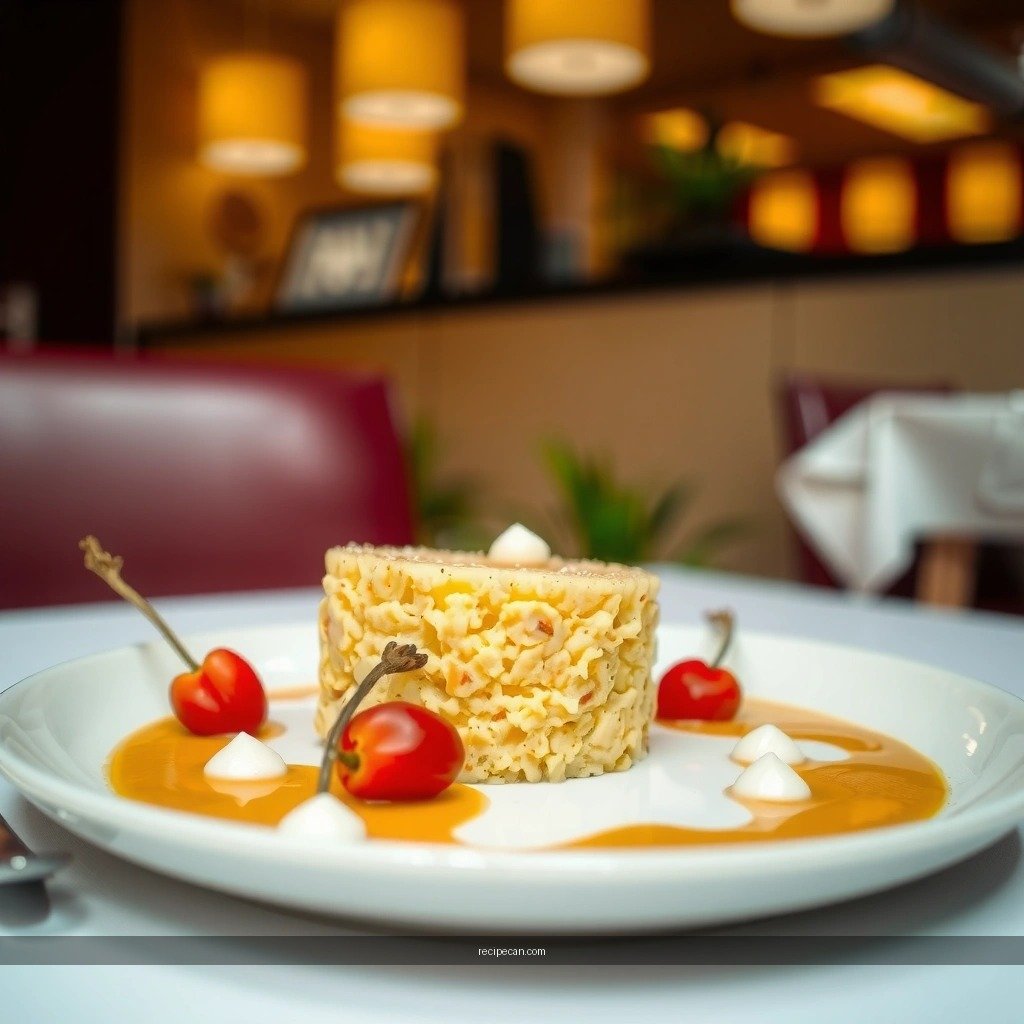
The key to smooth cornmeal pudding is controlled thickening. Cornmeal must hydrate fully—if it’s undercooked, it tastes gritty; if it’s overcooked or stirred inconsistently, it can turn overly thick and gluey.
Step-by-step (method overview):
1. Heat milk to a gentle simmer. Starting too cold slows hydration and encourages lumps. Too high a heat can scorch milk quickly.
2. Whisk or drizzle cornmeal in gradually. This is the moment where lump prevention happens.
3. Simmer and stir until thick and smooth. Expect thickening as granules soften. Stir frequently—especially along the edges and bottom.
4. Add sugar, salt, and flavorings. Sugar can be stirred in early, but you’ll often get the most balanced flavor when added after the cornmeal begins to hydrate.
5. Optional egg step (for custard-style). If using eggs, temper them by whisking a small amount of hot mixture into the eggs, then pour the egg mixture back into the pot while stirring. This prevents scrambled eggs.
Consistency control—what to look for:
– When it’s ready, the pudding should coat the back of a spoon and hold a line when you run a finger through it.
– It will thicken further as it cools, so it’s smart to stop slightly before it looks “final.”
Adjusting consistency by splash
If your pudding seems too thick, stir in milk 1 tablespoon at a time. If it’s too loose, keep it at a steady simmer for a few extra minutes—cornmeal needs time to fully hydrate and reach the right texture.
Baking vs. Stovetop Method
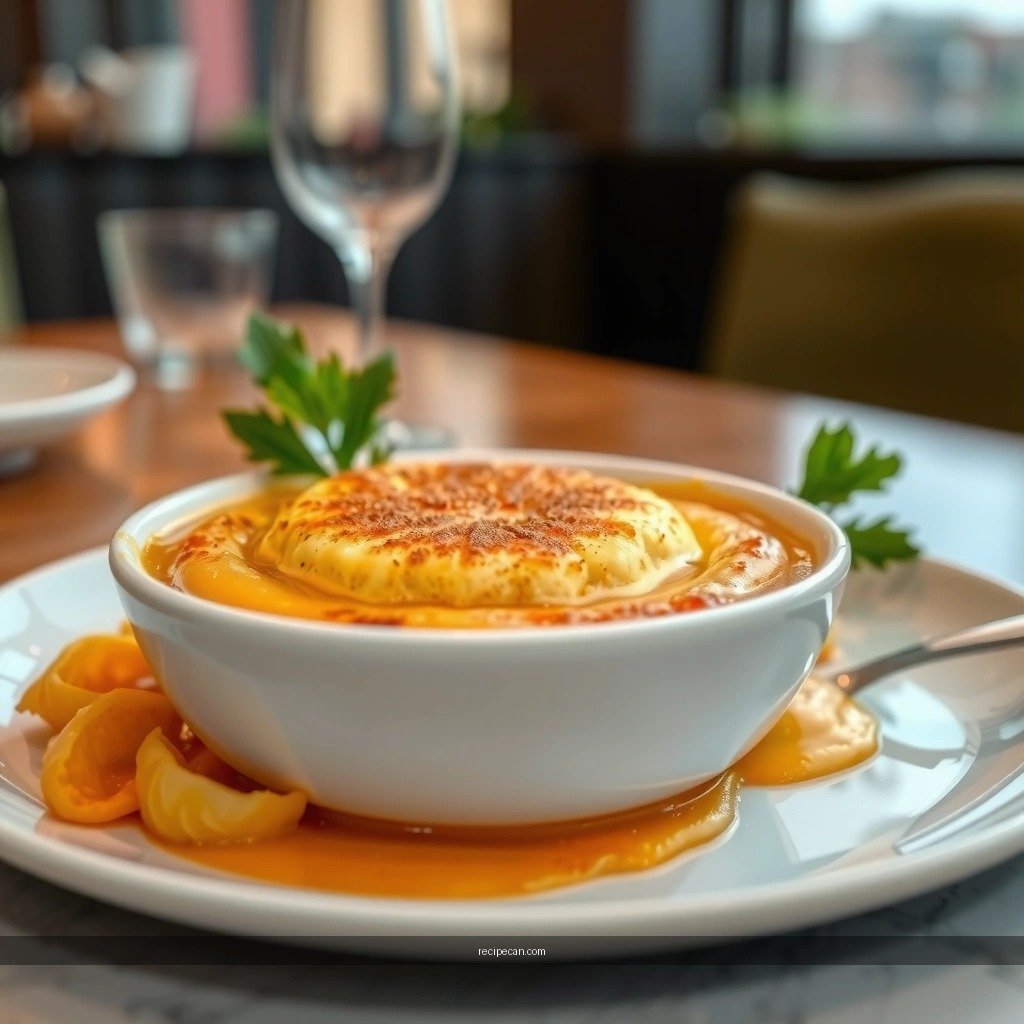
Both methods produce excellent cornmeal pudding, but they create different textures and levels of set. Choose based on how you want to serve it.
– Bake for a firmer, custard-like pudding with a gentle set. Baking uses dry heat around the dish, encouraging a uniform custard texture. This method is ideal if you want clean portions—especially after cooling.
– Stovetop finish for a softer, spoonable result. On the stovetop, you can stop once it reaches your ideal thickness, then serve immediately. This is best for a warm, porridge-like bowl.
– Cover while heating to keep it from drying out. Whether you simmer or bake, a cover reduces evaporation, helping maintain a creamy mouthfeel.
Practical decision rule
If you plan to eat it right away, stovetop is fastest. If you want thicker, more set pudding or a make-ahead option, baking (or a baked finishing stage) is usually more reliable.
Tips for the Best Texture (No Lumps!)
No-lump cornmeal pudding is mainly about hydration and technique. Cornmeal forms clumps when dry particles hit hot liquid without dispersion—fix that early and you’ll get a smooth result.
– Whisk cornmeal into cold milk first to reduce clumps. Even a quick whisking phase helps coat granules before heat activates thickening.
– Cook long enough for granules to soften and thicken. If the pudding still feels gritty, it needs more time. Aim for a simmer that maintains steady bubbling rather than a rolling boil.
– Stir often to prevent sticking and ensure even texture. Especially in the first 10 minutes, consistent stirring matters most.
– Let it rest briefly so it thickens as it cools. After cooking, resting balances the texture. The pudding continues to hydrate as it sits, and it becomes smoother as starches settle.
Quality check you can do without tools:
Spoon a small amount onto a plate and wait 2 minutes. If it thickens evenly and no longer tastes raw or gritty, it’s ready.
Flavor Variations to Try
Cornmeal pudding is a flexible canvas. Once you’ve mastered the base, small additions dramatically change aroma and perceived richness.
– Add raisins, dried fruit, or toasted nuts for extra bite.
– Raisins: soak briefly in warm water for plumper texture.
– Nuts: toast lightly to deepen flavor and reduce moisture content.
– Dried cherries or chopped apricots add bright tartness.
– Make it spiced with cinnamon and a touch of nutmeg.
– Cinnamon warms the palate; nutmeg adds “dessert pastry” character.
– For balance, use nutmeg sparingly—too much can turn overpowering.
– Swap in coconut milk or add citrus zest for a fresh twist.
– Coconut milk brings subtle sweetness and creamy body.
– Citrus zest (orange or lemon) brightens corn’s natural flavor, especially when paired with vanilla.
Simple “business reliable” flavor pairing
For the most dependable crowd-pleaser profile, combine vanilla + cinnamon + pinch of salt. The salt intensifies vanilla perception, and cinnamon makes the pudding feel more “special” even without extra sugar.
Serving and Storage
Cornmeal pudding tastes best when served warm, but it also holds up well for meal prep. Proper cooling and reheating are essential because cornmeal thickens in the fridge.
– Serve warm with butter, cinnamon, or a drizzle of honey.
– Butter adds richness and helps round flavor.
– Honey enhances perceived sweetness without needing to add more sugar to the base.
– Cool completely before refrigerating for best texture.
– Refrigerating while hot can lead to condensation, which slightly waters down texture.
– Store leftovers in the fridge and reheat gently with a splash of milk.
– Reheat slowly in a saucepan or microwave at reduced power.
– Stir frequently to restore the creamy consistency.
How to reheat without breaking texture:
– Heat gently, then stir.
– Add milk only as needed—too much can make it loose and less custard-like.
—
After simmering and baking (or finishing on the stovetop), you’ll get a creamy cornmeal pudding with a comforting, custard-like texture. Use the right liquid-to-cornmeal balance, stir consistently, prevent lumps early, and let the pudding rest—then choose a flavor variation (like cinnamon-nutmeg, raisins, or citrus zest) and serve warm or chilled for a reliably satisfying result.
Frequently Asked Questions
What is the best cornmeal pudding recipe for a creamy texture?
The best cornmeal pudding recipe uses finely ground cornmeal and cooks it slowly so it fully hydrates and thickens. For a creamy consistency, whisk in milk (or a milk/cream mix) gradually and simmer until the cornmeal is tender, then stir in eggs only after the base is hot but not boiling. Finish with butter and a pinch of salt to round out the sweetness and improve overall flavor.
How do you make cornmeal pudding without lumps?
To prevent lumps, whisk cornmeal into cold milk (or a portion of the milk) until smooth before heating. Cook the mixture over medium-low heat, stirring frequently, and keep a gentle simmer so the pudding thickens evenly. If small lumps form, strain briefly or blend the mixture lightly before adding eggs and baking.
Why does cornmeal pudding turn out grainy, and how can you fix it?
Grainy cornmeal pudding usually happens when the cornmeal hasn’t cooked long enough or the heat is too high, which can thicken the outside before the inside softens. Make sure you simmer until the cornmeal is fully tender and the mixture looks silky, not gritty, before baking or setting with eggs. Using a finer grind of cornmeal also helps achieve a smoother cornmeal pudding recipe with a custard-like texture.
Which baking method works best: stovetop, oven-baked, or slow cooker cornmeal pudding?
Oven-baked cornmeal pudding creates a firmer set and often a lightly caramelized top, making it ideal for sliceable dessert. Stovetop cornmeal pudding is quicker and results in a spoonable pudding, but it needs steady stirring to avoid scorching. A slow cooker is convenient for hands-off cooking, yet you’ll still want to stir near the end and add any eggs carefully to prevent curdling.
How do you thicken cornmeal pudding if it’s too runny?
If your cornmeal pudding is too runny, return it to low heat and simmer gently while stirring until it thickens, since cornmeal continues absorbing liquid as it cools. For baked cornmeal pudding, give it time to set—many recipes are firmest after refrigeration for a few hours. If it’s still loose, whisk a small amount of cornstarch with cold water (or use extra cooked cornmeal) and warm just until thickened, then chill to finish setting.
References
- Google Scholar Google Scholar
https://scholar.google.com/scholar?q=cornmeal+pudding+recipe - Google Scholar Google Scholar
https://scholar.google.com/scholar?q=corn+pudding+recipe+cornmeal - Google Scholar Google Scholar
https://scholar.google.com/scholar?q=maize+cornmeal+pudding+history+recipe - Corn pudding
https://en.wikipedia.org/wiki/Corn_pudding - Cornmeal
https://en.wikipedia.org/wiki/Cornmeal - Pudding
https://en.wikipedia.org/wiki/Pudding - Cornmeal | food | Britannica
https://www.britannica.com/topic/cornmeal - Pudding | Definition, Types, & Ingredients | Britannica
https://www.britannica.com/topic/pudding - corn pudding recipe – Search Results – PMC
https://www.ncbi.nlm.nih.gov/pmc/?term=corn+pudding+recipe - Food Safety | Food Safety | CDC
https://www.cdc.gov/food-safety/index.html