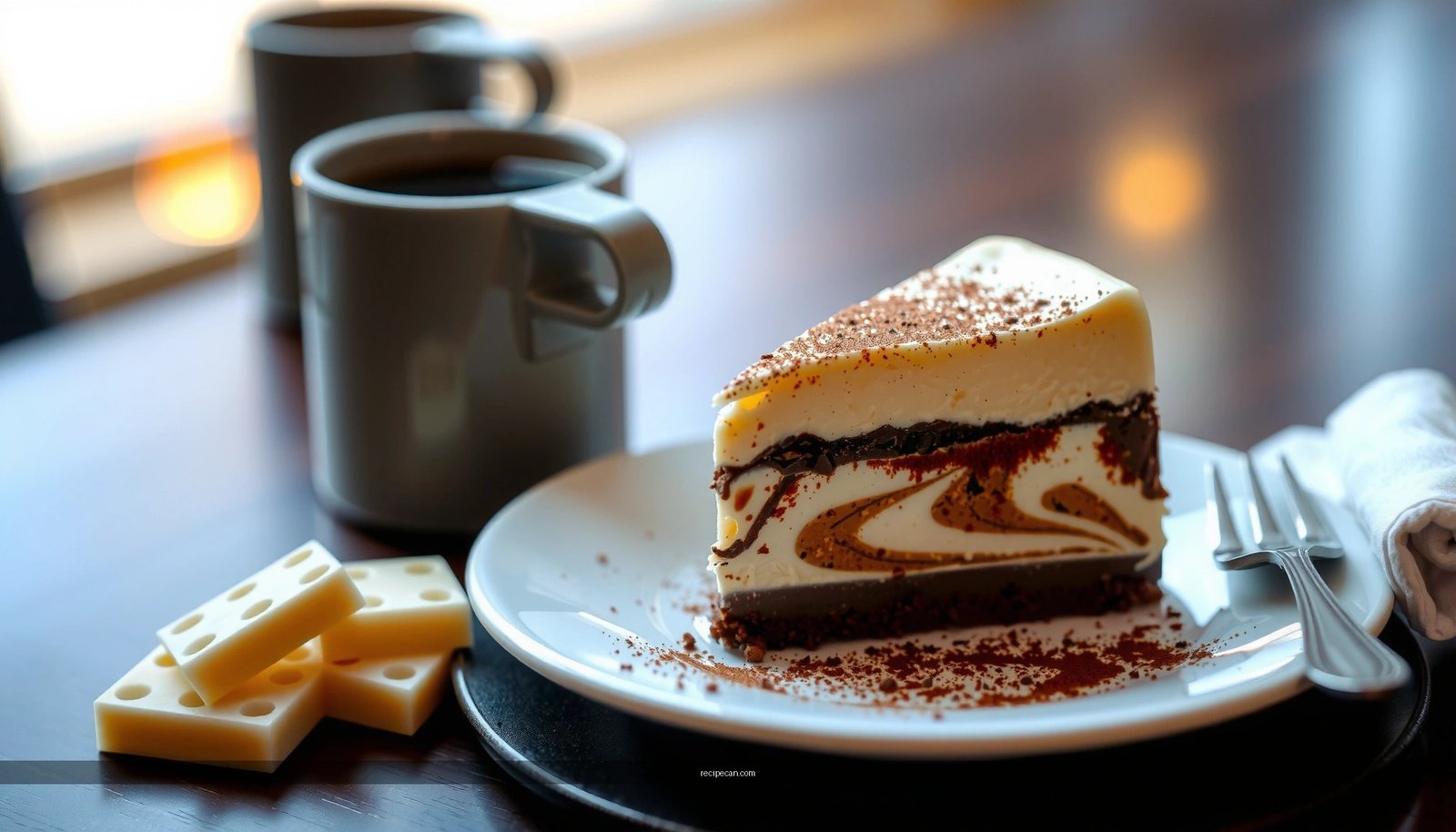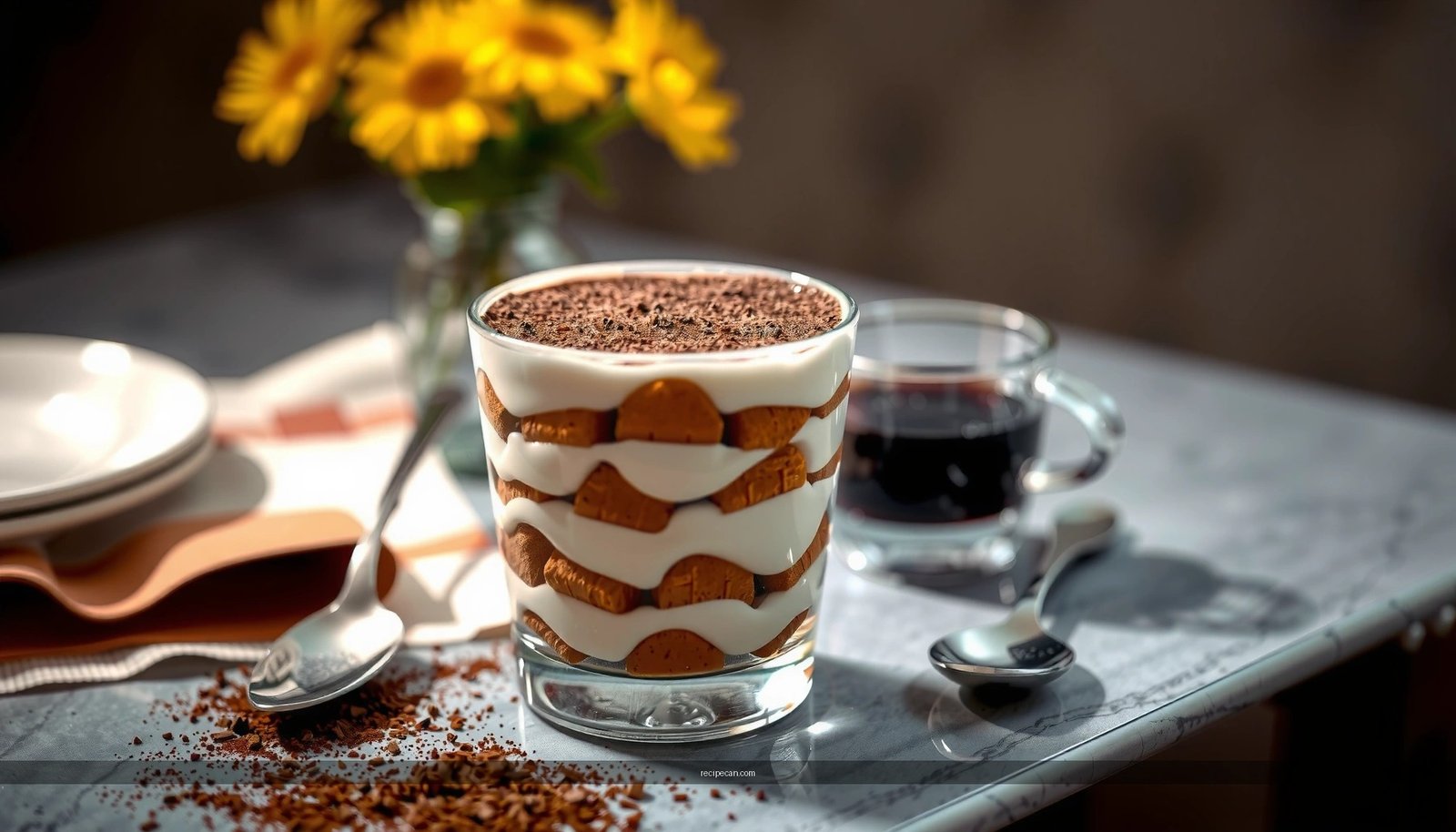
If you’re searching for a Jamie Oliver recipe for tiramisu, this is the one that delivers a classic, easy version with the right balance of espresso-soaked layers and creamy mascarpone. You’ll get clear, step-by-step instructions that remove the guesswork—so your tiramisu slices cleanly and tastes like the real deal. The question answered here is simple: can you make Jamie Oliver’s tiramisu at home without turning it into a messy dessert?
Jamie Oliver’s tiramisu is an easy, classic dessert that turns out reliably creamy by focusing on two things: quick espresso dipping (to prevent watery layers) and a smooth mascarpone cream (to prevent grainy or loose texture). Follow the coffee dip method, whip the base correctly, and chill long enough, and you’ll get the signature tiramisu texture—tender sponge, stable cream, and clean, sliceable layers.
Jamie Oliver Tiramisu Ingredients

To make a true classic tiramisu, start with the right ingredients in the right form, then treat each component with the care it needs. Jamie Oliver’s approach keeps the ingredient list practical—no complicated custards—while still delivering that classic balance of coffee bitterness, sweet cream, and cocoa aroma.
Core ingredients you’ll need:
– Mascarpone: full-fat mascarpone is essential for body and richness (and for that “spoonable but set” cream).
– Eggs: used to build structure; yolks add richness, and whites (if used) lighten the texture.
– Sugar: sweetens while also supporting cream stability when mixed correctly.
– Espresso/strong coffee: the flavor foundation. Use espresso or very strong brewed coffee to stand up to the sweetness and dairy.
– Sponge fingers (savoiardi): these are designed to absorb liquid without collapsing instantly.
Finishing and flavor:
– Cocoa powder: for the signature dusted top—earthy, slightly bitter, and aromatic.
– Optional flavorings (depending on your preference or what you want to emphasize):
– Vanilla extract for a warmer sweetness
– Dark chocolate shavings or a little melted chocolate to deepen flavor
– A pinch of salt to make the coffee taste more “rounded” (especially with supermarket espresso)
Ingredient Performance at a Glance (What Matters Most)
Classic Tiramisu Variables and Reliability (per 6–8 servings)
| # | Tiramisu Component | Typical Amount | What It Controls | Reliability* |
|---|---|---|---|---|
| 1 | Espresso dip timing | ~1–2 sec per side | Prevents watery layers | ★★★★★ |
| 2 | Mascarpone quality (fat level) | ~500 g | Cream body & set | ★★★★☆ |
| 3 | Egg yolk + sugar mixing | ~4 yolks + 80–100 g sugar | Stable richness | ★★★☆☆ |
| 4 | Egg white folding (if used) | ~2–3 whites | Light, airy texture | ★★★★☆ |
| 5 | Coffee strength | ~1 cup espresso/strong brew | Flavor intensity | ★★★★☆ |
| 6 | Cocoa timing | Dust right before serving | Fresh appearance | ★★☆☆☆ |
| 7 | Chill duration | 4–12 hours | Set + flavor meld | ★★★★★ |
\“Reliability” reflects how strongly consistent execution impacts the classic tiramisu outcome (creamy, sliceable, and flavorful), with higher ratings indicating better results.
Make the Espresso Dip

The espresso dip is where many tiramisu attempts go wrong—usually because the sponge fingers soak too long and release moisture into the cream.
Follow this method for classic texture:
– Brew strong espresso or coffee and let it cool slightly. Ideally, it should be warm, not hot—hot coffee can soften the sponge too aggressively and loosen the cream.
– Dip quickly (think “touch and turn,” not soaking). A typical timing is about 1–2 seconds per side.
– Lay the dipped sponge immediately in your dish so the assembly stays fast and controlled.
Practical quality checks:
– If your sponge collapses or turns mushy instantly, the coffee is likely too hot or the dip time is too long.
– If it tastes bland, the coffee may be too weak—use espresso-style strength or reduce the dilution by brewing longer or using a higher coffee-to-water ratio.
Alternative perspective (for different serving styles):
– For individual portions, you can dip sponge fingers in batches and assemble quickly to reduce variability.
– For a large tray, keep the dipping pace consistent and work in lanes—dip, place, cream, repeat—so no layer waits too long.
Whip the Mascarpone Cream

Jamie Oliver’s classic approach emphasizes a mascarpone base that’s rich, smooth, and structurally stable. The cream should hold a layer cleanly after chilling, not seep or curdle.
Start with yolks:
– Separate eggs.
– Whip egg yolks with sugar until they look paler and slightly thicker. This step improves texture and helps the mixture bind with mascarpone.
– Fold in mascarpone until smooth. Avoid overmixing aggressively; you want fully incorporated cream, not airy foam.
Optional: lighten with whites (commonly used for classic-style texture):
– Whip egg whites to soft or medium peaks (glossy and thick, not dry).
– Gently combine: fold a portion of whites into mascarpone first to loosen, then fold in the remainder. Gentle folding preserves air pockets for a lighter, mousse-like mouthfeel.
Business-style clarity: common failure points
– Grainy cream often comes from uneven mixing or mascarpone temperatures that are too cold/firm at the moment of combination.
– Loose cream typically results from over-dilution, rushed chilling, or egg whites not folded carefully.
– Curdling can happen if eggs are exposed to excessive heat—stick to room-temperature mixing and don’t pour hot coffee into the cream.
Actionable tip: If your kitchen is warm, chill the mascarpone bowl briefly (not the cheese itself) so the cream holds shape while you assemble.
Assemble the Tiramisu Layers
Layering is where tiramisu becomes tiramisu: it’s a controlled sequence of espresso-soaked sponge and mascarpone cream that must be evenly distributed.
The core layering rhythm:
– Add a thin base layer of cream first—this helps the bottom sponge sit securely.
– Layer sponge (quickly dipped) in an even pattern.
– Add a generous layer of cream, smoothing to the edges.
– Repeat until your dish is filled.
Maintain consistency for predictable slicing:
– Aim for similar sponge coverage and cream thickness in each repeat cycle. Uneven layers can lead to “lean” slices where cream collapses or sponge dominates.
– Smooth the top layer thoroughly. After chilling, the top should look level and creamy, not lumpy or streaked.
Scaling advice (so it works for any dish size):
– If you’re using a deeper container, you can add extra repeats rather than thickening one layer too much.
– For wider dishes, use more sponge fingers per row, keeping dipping time consistent.
Chill for the Best Texture
Chilling isn’t just tradition—it’s the mechanism that turns liquid components into a stable dessert. Refrigeration firms the cream, rehydrates sponge evenly, and melds coffee notes into the dairy richness.
What to do:
– Refrigerate for at least 4 hours, but overnight (8–12 hours) is ideal.
– Keep the dish covered so it doesn’t absorb fridge odors or dry out.
Why it matters (multiple angles):
– From a culinary standpoint, chilling allows fat in mascarpone to set slightly and stabilize the cream structure.
– From a sensory standpoint, time helps the coffee flavor integrate rather than tasting sharply “separate” from the cream.
– From a presentation standpoint, chilling enables clean slices with distinct layers.
Cocoa timing principle:
– Dust cocoa powder right before serving. Cocoa absorbs moisture over time and can become muddy, dulling the dessert’s visual appeal.
Serving and Storage Tips
A classic tiramisu should serve cleanly, taste balanced, and maintain texture for a short window.
Serving best practices:
– Serve chilled, not room temperature. Room temp often softens the cream and blurs the layers.
– Use a sharp knife and wipe it between cuts for crisp edges.
– Portioning tip: if you’re slicing a tray, plan for slightly thicker pieces—tiramisu is rich and benefits from more cream-to-sponge ratio.
Storage:
– Store covered in the fridge. Keep it in a tight container to prevent it from absorbing strong refrigerator smells.
– For best quality, enjoy within 2–3 days. Over time, sponge can absorb more moisture, and cocoa can lose its fresh, dry look.
Optional upgrade for repeat servings:
– If you plan to serve again the next day, you can refresh the top appearance with a light re-dust of cocoa (in moderation) right before serving.
As long as you execute Jamie Oliver’s key steps—quick espresso dip, smooth mascarpone cream, careful layering, and a proper chill—you’ll get tiramisu that’s creamy (not watery), cohesive (not broken), and deeply coffee-forward. Make it ahead, dust with cocoa at the last minute, and serve it cold for the cleanest slices; if you try this next, compare your first cut to classic restaurant-style layers and adjust dip speed or chill time for an even better result.
Frequently Asked Questions
What is Jamie Oliver’s recipe for tiramisu and what ingredients do I need?
Jamie Oliver’s tiramisu recipe typically uses mascarpone, eggs (or yolks), strong espresso or coffee, savoiardi (ladyfingers), sugar, and cocoa powder. Many versions also include a splash of coffee liqueur like Amaretto or rum, plus a pinch of salt to balance sweetness. If you’re following his approach closely, you’ll want good-quality mascarpone and freshly brewed espresso for the most authentic flavor.
How do you make Jamie Oliver tiramisu if you’re worried about raw eggs?
If you’re concerned about raw eggs, use the yolks-only method and avoid undercooking—whisk until thick and pale, then combine carefully with mascarpone. Another option is to look for Jamie Oliver variations that use pasteurized eggs or lightly cook the egg base for a safer texture. For the smoothest tiramisu, chill the mixture well so the mascarpone cream sets even if you use a more cautious egg method.
Why does Jamie Oliver tiramisu end up watery, and how can I prevent it?
Watery tiramisu usually happens when ladyfingers soak too long in espresso or when the cream mixture is too loose from warm ingredients. Let the espresso cool before dipping, and dip each ladyfinger quickly—think “brief soak,” not “soak through.” Also chill the mascarpone mixture thoroughly so the layers hold their shape.
Which best-coffee works for Jamie Oliver tiramisu—espresso or instant coffee?
Jamie Oliver tiramisu tastes best with strong espresso because it delivers deep bitterness and aroma that balances the creamy mascarpone. That said, good instant coffee can work in a pinch—just dissolve it fully in hot water and let it cool completely before assembling. The key is concentration: you want a bold coffee flavor that stands up to the sweetness.
Best way to serve Jamie Oliver tiramisu—how long should it chill and can you make it ahead?
For the best texture, chill tiramisu for at least a few hours, and ideally overnight, so the ladyfingers fully soften without turning soggy. If you’re making ahead, assemble the layers, cover tightly, and refrigerate until you’re ready to serve. Just before serving, dust generously with cocoa powder so it stays fresh-looking and doesn’t dissolve into the cream.
References
- Google Scholar Google Scholar
https://scholar.google.com/scholar?q=Jamie+Oliver+tiramisu+recipe - Google Scholar Google Scholar
https://scholar.google.com/scholar?q=tiramisu+raw+eggs+food+safety - https://scholar.google.com/scholar?q=tiramisu+history+mascarpone+coffee Google Scholar
https://scholar.google.com/scholar?q=tiramisu+history+mascarpone+coffee - Tiramisu
https://en.wikipedia.org/wiki/Tiramisu - Mascarpone
https://en.wikipedia.org/wiki/Mascarpone - Tiramisu | Meaning, Ingredients, Origin, Desserts, & Taste | Britannica
https://www.britannica.com/topic/tiramisu - Jamie Oliver
https://en.wikipedia.org/wiki/Jamie_Oliver - https://en.wikipedia.org/wiki/Egg_safety
https://en.wikipedia.org/wiki/Egg_safety - Espresso
https://en.wikipedia.org/wiki/Espresso - List of liqueur brands
https://en.wikipedia.org/wiki/Coffee_liqueur