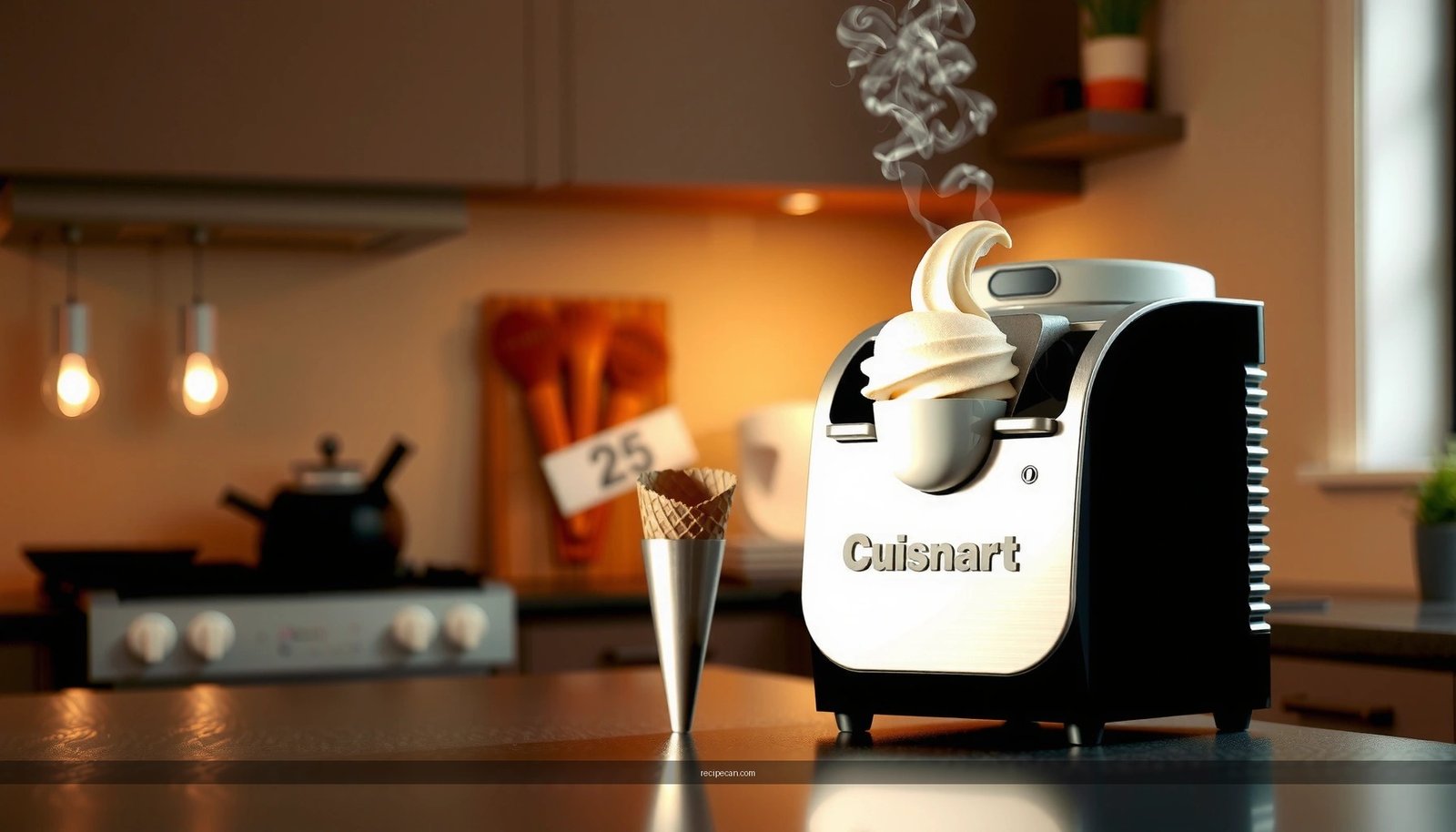
Recipes for a Cuisinart Soft Serve Ice Cream Maker that consistently turn out smooth, creamy swirls aren’t a guessing game—you’ll get the best results by following a short list of tested flavor formulas for vanilla, chocolate, and fruit-based soft serve. This guide answers which recipes actually work in the Cuisinart’s mix-and-freeze workflow, including the right base ratios for thickness and sweetness. If you want the quickest path to soft serve that tastes like a shop machine, start here.
Make smooth, creamy soft serve fast by building a consistent base (milk/cream + sugar + the right flavoring), chilling it thoroughly before churning, and then serving promptly after freezing reaches serving texture; this combination is what most Cuisinart soft serve results rise or fall on. Below are dependable Cuisinart-style recipes and process tips—so you can control texture, prevent iciness, and reliably produce soft serve that tastes “store-quality” rather than homemade-watery.
Classic Vanilla Soft Serve Recipes
– Use a custard-style base for rich flavor and silky texture
– Chill the mixture thoroughly before churning for best results
Classic vanilla is the most forgiving flavor for a Cuisinart soft serve ice cream maker because the base can be tuned for creaminess without masking off-notes. The key is treating the mix like a custard-adjacent base: sugar stabilizes the mixture, milk proteins help with body, and gentle heating (if you choose to do it) improves flavor integration and smoothness.
Recommended vanilla base approach (reliable texture):
1. Use dairy with enough fat. Half-and-half plus whole milk is a strong default; for extra richness, use heavy cream or a higher-cream ratio.
2. Dissolve sugar completely. Undissolved sugar can create graininess and reduce the smoothness you want.
3. Chill thoroughly (not briefly). Soft serve texture improves when the mix is cold enough that it begins freezing quickly during churning, rather than warming the freezing cylinder.
Custard-style vanilla method (best texture):
– Warm milk/cream with sugar until steaming and sugar dissolves.
– Optionally add egg yolks for a true custard base (great if you enjoy classic ice cream flavor).
– Whisk in vanilla.
– Chill at least several hours (overnight is ideal), then churn in your Cuisinart soft serve machine.
Quick vanilla flavoring notes:
– Use real vanilla extract for a clean profile.
– If you like a deeper taste, add a small amount of vanilla bean paste or even a pinch of salt to sharpen sweetness perception.
Operational timing for Cuisinart soft serve:
– Start with fully chilled base.
– Churn until thick and aerated per your unit’s typical run time.
– For best “soft serve” feel, serve shortly after the cycle. Over-waiting can push texture toward denser frozen product rather than the desired creamy flow.
Why chilling matters (analytical view):
Soft serve success is largely about how quickly the mix reaches the freezing cylinder’s working temperature. A warmer base will spend more time cooling inside the machine rather than actively freezing and aerating—leading to a looser, icier result.
Chocolate Soft Serve Recipes
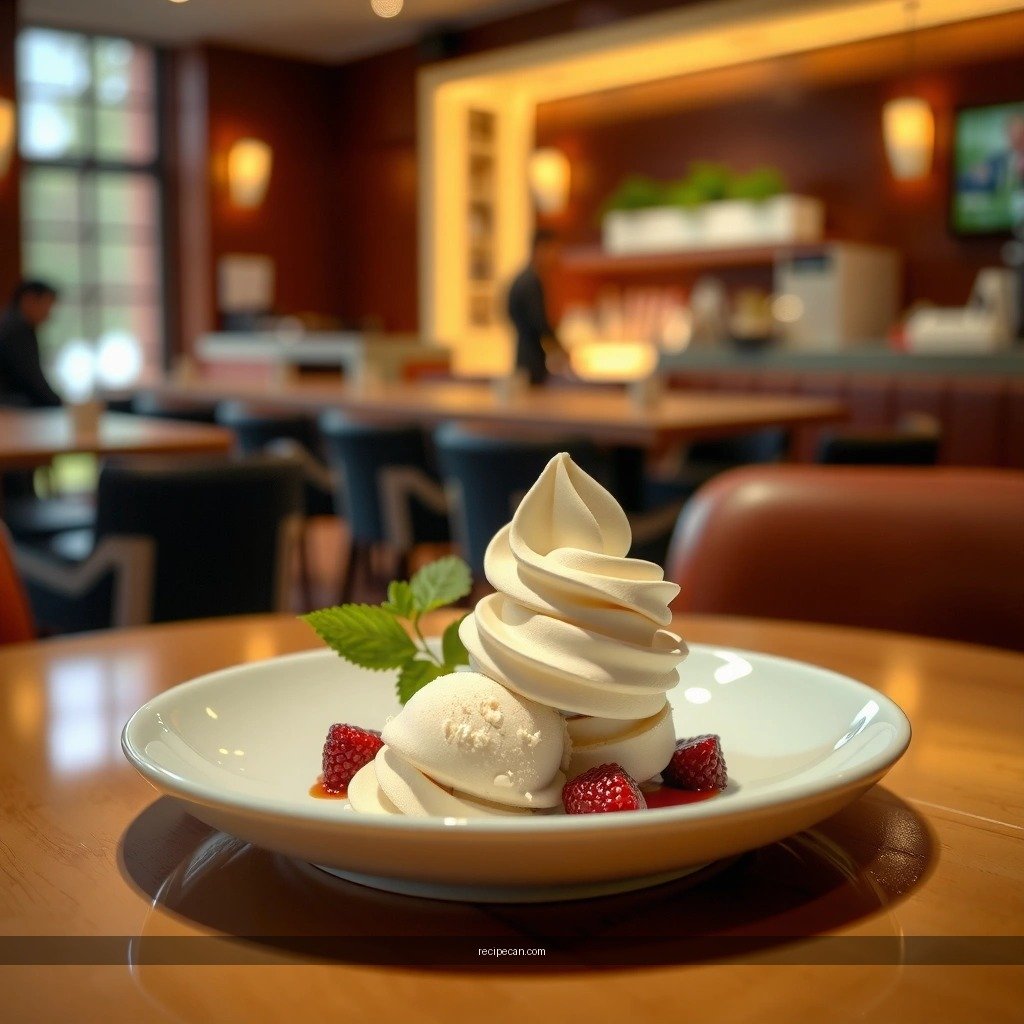
– Add cocoa gradually and balance with sugar or chocolate syrup
– For extra depth, mix in melted chocolate after cooling slightly
Chocolate soft serve is where many users accidentally create dryness or bitterness—usually by adding cocoa without balancing solids and sweetness, or by cooling issues after melting chocolate. The fix is straightforward: control cocoa amount, add sugar to balance bitterness and thicken the mix, and introduce chocolate at the right temperature so it emulsifies smoothly.
Two dependable chocolate base strategies:
1) Cocoa-forward chocolate (smooth and classic)
– Whisk cocoa into part of the cold dairy first (to prevent clumps), then combine with the rest of the base.
– Increase sugar slightly if you want a less “cocoa-forward” profile, especially if using natural cocoa.
– Add vanilla and a pinch of salt to round flavor.
2) Melted-chocolate approach (richer, more “dessert-like”)
– Melt chocolate gently (microwave in short bursts or use a low-heat double boiler).
– Let melted chocolate cool to “warm, not hot” (roughly around body temperature).
– Whisk chocolate into the chilled base before churning.
Key texture control:
– Too much cocoa solids can make the mixture feel tighter and less fluid; that can appear thicker in the machine but “less creamy” on the plate.
– Balancing cocoa with sugar and adequate dairy fat helps maintain smoothness and body.
Pro tip (process):
If you’re using a melted chocolate method, ensure your base is still chilled overall—only the chocolate should be tempered. Otherwise, you may warm the freezing cylinder and lose the creamy aeration effect.
Strawberry Soft Serve Recipes
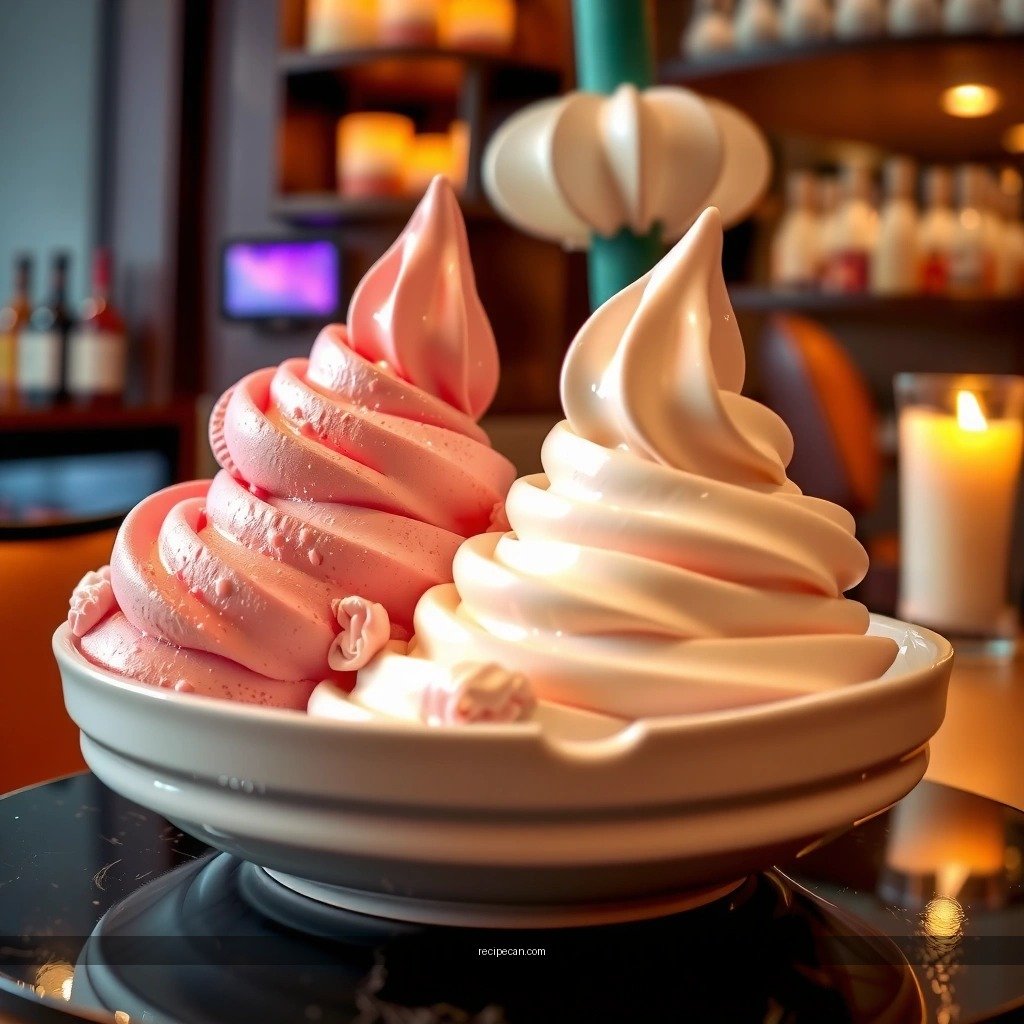
– Use puree or finely blended strawberries to avoid icy chunks
– Sweeten to taste and consider a quick lemon splash for brightness
Strawberry soft serve can be either spectacularly smooth or noticeably icy, depending on particle size and sweetness level. The most common cause of icy texture is strawberry pieces that are too large or not fully blended. Another driver is under-sweetening: when fruit tastes sharp, the sugar ratio often falls too low, which can reduce how smoothly the mixture freezes.
Best practice for strawberry texture:
– Use strawberry puree (fresh or high-quality frozen, thawed and blended).
– Strain only if you want a very fine, seedless texture (note: straining removes some solids, so you may need slight adjustment to sweetness or dairy ratio).
Sweetness and acidity balancing:
– Add sugar gradually and taste the base after blending.
– For brightness, add a small lemon splash (lemon juice or zest). This improves flavor perception without necessarily raising acidity to an unpleasant level.
Avoiding “ice crystals” (practical guidance):
– Blend until very smooth.
– Chill the strawberry base thoroughly before churning.
– Don’t add large chunks as mix-ins until after the base is aerated (if your machine allows add-in timing). Large pieces freeze into hard bits.
Operational note:
Because strawberry has water content, it can thin the mix. If you notice a watery result, slightly increase dairy fat or reduce fruit portion next time while keeping puree smooth.
Cookie & Cream Soft Serve Recipes
– Crush cookies finely and fold them in at the right moment
– Keep add-ins dry and measured to prevent grainy texture
Cookie & cream is less about the base and more about how you introduce add-ins. Cookie crumbs can absorb moisture, causing a grainy texture if they’re too coarse or if too many are added at once. The solution is controlled particle size and careful timing.
How to build a reliable cookie & cream:
1. Create fine crumbs. Crush cookies until powdery—aim for small, even granularity rather than chunks.
2. Keep add-ins dry. If crumbs feel sticky or damp, toast briefly in a dry pan, cool, then measure.
3. Fold in after partial aeration (or during the machine’s add-in phase).
This helps crumbs disperse without sitting too long in a cold, thickening mixture.
Base pairing choices:
– Use a vanilla base (often easiest) because it lets cookie notes stand out.
– If you want extra “bakery” depth, add a small amount of cookie spice (optional cinnamon whisper) or use a vanilla extract with a robust flavor.
Measurement guidance (why it matters):
– Too many cookie solids can make soft serve feel sandy or thick.
– Start moderate (roughly a small portion of cookies relative to total base), then adjust for your preferred intensity.
Result-oriented tip:
Cookie & cream usually tastes best when the crumbs remain suspended and lightly aerated—if you overmix after the base is already thick, you can end up with dense pockets of cookies that freeze into firmer bits.
Sorbet-Style Fruit Soft Serve Recipes
– Swap dairy for a juice or purée base (or use reduced dairy)
– Adjust sweetness and prevent iciness with proper mixing and chilling
Sorbet-style soft serve can be made in a Cuisinart soft serve machine, but it behaves differently from dairy-based recipes. Fruit concentrates freeze quickly and can form icy textures if the mix lacks stabilizing solids (like milk solids) and sufficient sugar.
Practical frameworks for sorbet-style success:
Option A: Juice/fruit purée base (classic sorbet concept)
– Use juice or purée as the primary liquid.
– Add sugar to balance tartness and improve freezing behavior.
– Chill thoroughly before churning to reduce slow-cooling.
Option B: Reduced-dairy base (best “soft serve” mimic)
– Use a smaller amount of dairy (e.g., milk or cream) plus fruit purée.
– The dairy proteins and fats help smooth texture and reduce ice crystal formation.
– This often produces the most convincing soft serve mouthfeel.
Sweetness adjustments (analytical perspective):
In fruit-forward bases, “sweet enough” by taste can still lead to iciness if the sugar level is too low for freezing. Aim for a base that tastes slightly sweeter than your target because cold temperatures mute sweetness perception.
Mixing and chilling protocol:
– Blend fruit thoroughly (smooth texture = fewer ice-forming seeds).
– Chill long enough that the mixture begins churning cold, not lukewarm.
– Serve promptly for the “soft serve” feel; sorbet-style bases can firm more quickly than creamy dairy bases.
Soft Serve Texture Targets by Base Type (Typical Home Results)
| # | Base Type (Cuisinart Soft Serve) | Ideal Churn Outcome | Serving Window | Consistency Expectation |
|---|---|---|---|---|
| 1 | Custard-style Vanilla (milk/cream + sugar) | Thick, glossy swirl | 0–15 minutes | ★ Smooth / creamy |
| 2 | Cocoa Chocolate (cocoa + dairy) | Velvety, cohesive body | 0–12 minutes | ★ Creamy, less icy |
| 3 | Strawberry Purée + Dairy | Bright, spoonable softness | 0–10 minutes | ★★ Smooth if puréed |
| 4 | Cookie & Cream (crumbs added last) | Airy with uniform speckling | 0–10 minutes | ★★★ Creamiest when fresh |
| 5 | Sorbet-Style (juice/purée + sugar) | Aerated but more likely to firm | 0–7 minutes | ★ Can turn icy fast |
| 6 | Sorbet-Style Reduced Dairy (milk + fruit) | Softer flow, fewer ice grains | 0–12 minutes | ★★ Softer, steadier |
| 7 | Extra-Churned Base (timing drift) | Over-thick, harder to dispense | 0–5 minutes | ★ Texture can tighten |
Troubleshooting & Best Practices for Cuisinart Results
– If it’s too soft or watery, chill the base longer and avoid over-flavoring
– If it’s too thick, slightly thin the base next time and serve sooner
Even with a solid recipe, real-world variables—room temperature, how long the base sits before churning, and how quickly you serve—affect texture. The best approach is to troubleshoot using a cause-and-effect mindset rather than guessing.
If it’s too soft or watery
Common causes and fixes:
– Base wasn’t chilled enough. Extend chilling time; overnight is the most dependable option for consistent Cuisinart soft serve ice cream maker results.
– Flavoring additions increased water content or disrupted balance. For example, adding lots of fruit purée or syrup without adjusting solids can loosen the mix.
– Timing mismatch. If you stop churning too early, you may get under-frozen texture.
Actionable adjustments:
– Chill longer (and keep mix covered to prevent off-aromas).
– Reduce watery ingredients or thicken slightly by using more dairy fat next time (or slightly reduce fruit volume while keeping puréed texture).
– Follow your machine’s typical churn cycle and stop when the product reaches a thick, aerated consistency.
If it’s too thick
Common causes and fixes:
– Base too cold / over-churned. A very cold mix and extra churning can push texture beyond the “soft serve” target.
– Too little liquid. If you rely heavily on custard-thickening (high egg yolk ratios) or very low dairy volume, the mix may tighten.
Actionable adjustments:
– Slightly thin the base next time (small adjustment in dairy amount is often enough).
– Serve sooner after churning to keep the signature soft serve flow.
Best practices that improve every flavor
– Use a consistent measuring routine. Sugar and dairy ratios drive freezing behavior more than many people expect.
– Avoid large unmixed particles. Blend purées thoroughly and crush cookies fine.
– Temperature discipline. Chill properly; don’t rush the base to the machine.
– Plan serving timing. Soft serve is best enjoyed immediately; if your event requires holding, consider making smaller batches and churning closer to serving.
This set of recipes for your Cuisinart soft serve ice cream maker focuses on dependable bases, flavor balancing, and timing to help you nail the texture. Pick one flavor (vanilla or chocolate is easiest), follow the chilling guidance, and then try a mix-in recipe next—share your favorite version and keep experimenting!
If you want, tell me your exact Cuisinart model and whether you prefer egg-based custard or egg-free bases, and I’ll tailor the vanilla and chocolate recipes to match your machine’s best-performing texture profile.
Frequently Asked Questions
What are the best recipes for a Cuisinart soft serve ice cream maker?
Great Cuisinart soft serve ice cream maker recipes include classic vanilla, chocolate, and strawberry frozen yogurt, plus lighter gelato-style flavors. Many users start with a base of whole milk or cream, sugar, and egg yolks (or a no-egg custard) so the machine freezes smoothly without becoming icy. If you’re aiming for easy Cuisinart soft serve recipes, choose ones that specify proper fat and sweetness levels, because those directly affect texture in soft serve machines.
How do I make a homemade vanilla soft serve recipe in a Cuisinart machine?
For vanilla, whisk milk, heavy cream, sugar, and vanilla extract (and optionally egg yolks) until the sugar dissolves, then chill the mixture thoroughly before churning. Many Cuisinart soft serve ice cream maker recipes also recommend adding a stabilizer like custard-style eggs or a small amount of cornstarch to help prevent iciness. Pour the chilled base into the Cuisinart unit and let it churn until it reaches a soft, thick consistency, then serve immediately for the best texture.
Why does my Cuisinart soft serve turn out icy, and how can I fix it?
Ice crystals usually happen when the base is too low in fat, not sweet enough, or not chilled properly before churning. To fix it, follow Cuisinart soft serve ice cream maker recipes that use the right ratio of cream to milk and give the mixture time to chill until cold. You can also reduce icy results by using a custard-style base (egg yolks) or a tested no-egg thickening approach, and avoid over-freezing any leftover soft serve.
Which mix-ins work best for Cuisinart soft serve ice cream maker recipes?
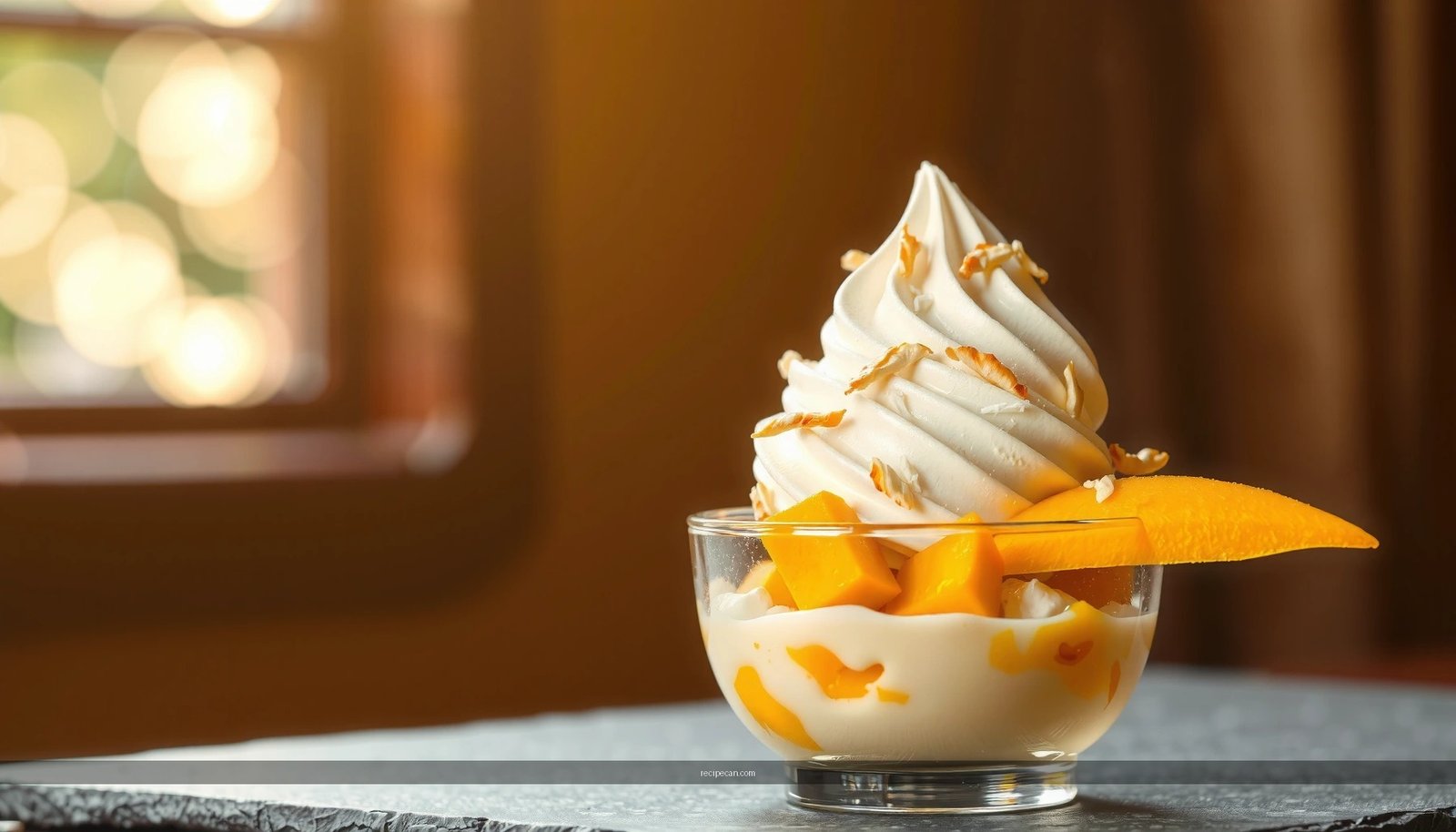
Mix-ins like chocolate chips, chopped cookies, caramel swirls, and fruit purées work well, but they should be added at the right time so they don’t freeze into hard chunks. For cookie or nut pieces, use smaller pieces and add them once the base starts thickening, using recipes designed for soft serve rather than hard ice cream. If you’re making strawberry or mango soft serve, use purées without excess water (or strain them) so Cuisinart soft serve recipes maintain a creamy, spoonable texture.
What’s a good chocolate soft serve recipe for a Cuisinart machine without using an egg custard?
A reliable egg-free chocolate base uses cocoa powder or melted chocolate, milk, cream, sugar, and a small amount of thickener such as cornstarch or pudding mix (per the recipe). Heat the dairy just enough to dissolve cocoa and sugar, whisk in the thickener, then simmer briefly until it thickens, and cool completely before churning. This approach is popular for Cuisinart soft serve ice cream maker recipes because it helps the machine produce a smooth, creamy churn comparable to custard-style results.
References
- Google Scholar Google Scholar
https://scholar.google.com/scholar?q=Cuisinart+soft+serve+ice+cream+maker+recipes - Google Scholar Google Scholar
https://scholar.google.com/scholar?q=soft+serve+ice+cream+formulation+stabilizers+overrun - Google Scholar Google Scholar
https://scholar.google.com/scholar?q=ice+cream+mix+ratios+milk+cream+recipes+frozen+dessert+methods - Soft serve
https://en.wikipedia.org/wiki/Soft-serve_ice_cream - Ice cream
https://en.wikipedia.org/wiki/Ice_cream - Frozen dessert
https://en.wikipedia.org/wiki/Frozen_dessert - Custard
https://en.wikipedia.org/wiki/Custard - Ice cream | Definition, History, & Production | Britannica
https://www.britannica.com/topic/ice-cream - https://pubmed.ncbi.nlm.nih.gov/?term=soft+serve+ice+cream
https://pubmed.ncbi.nlm.nih.gov/?term=soft+serve+ice+cream - https://pubmed.ncbi.nlm.nih.gov/?term=ice+cream+overrun+stabilizers
https://pubmed.ncbi.nlm.nih.gov/?term=ice+cream+overrun+stabilizers