Making coleslaw is straightforward and rewarding, providing a fresh and crunchy addition to any meal. This versatile salad primarily consists of finely shredded raw cabbage combined with a dressing, which can range from creamy mayonnaise to a tangy vinaigrette. In this guide, we will walk through a simple recipe for coleslaw and suggest ways to customize it to suit your tastes.
Choosing Your Cabbage
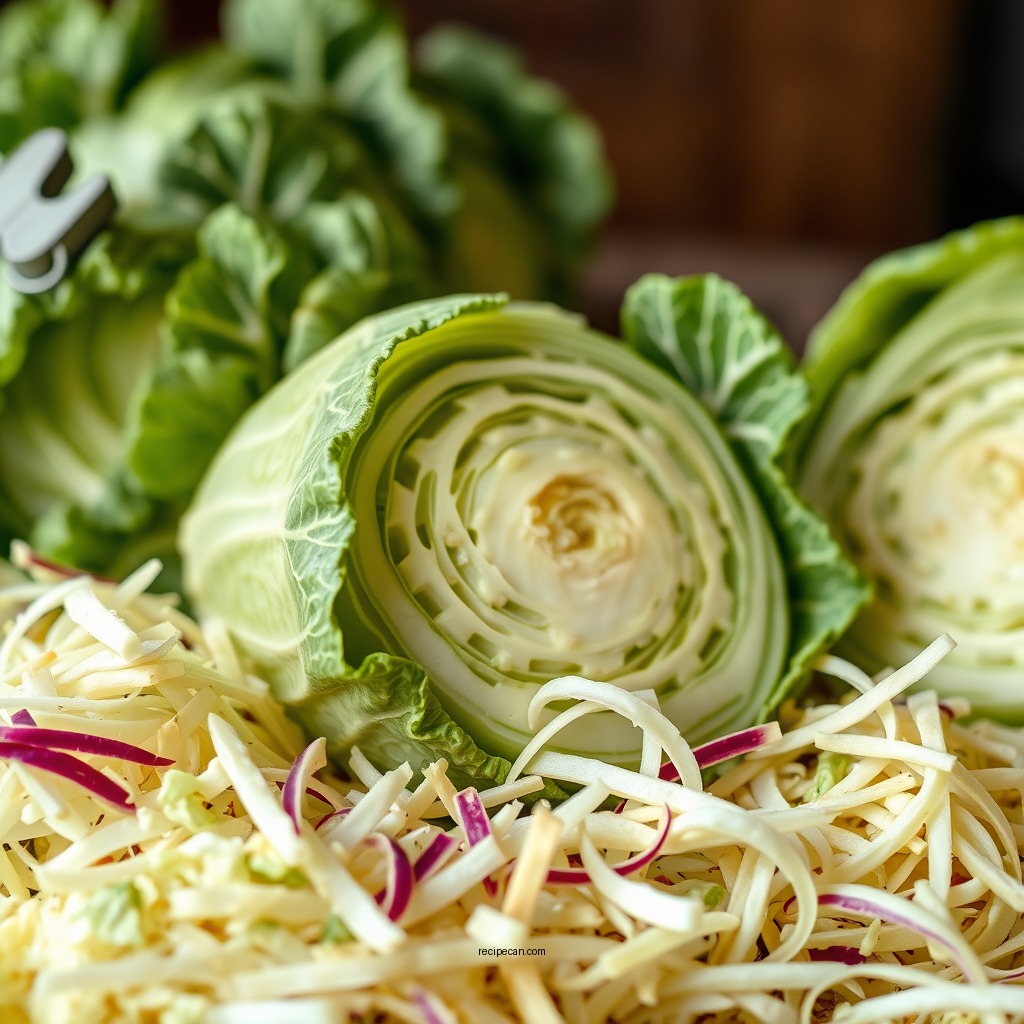
The foundation of a great coleslaw is the choice of cabbage. Green cabbage is the most widely used variety, thanks to its crisp texture and mild flavor, which pairs well with various dressings and additional ingredients. It serves as an excellent base, absorbing flavors while maintaining its crunch.
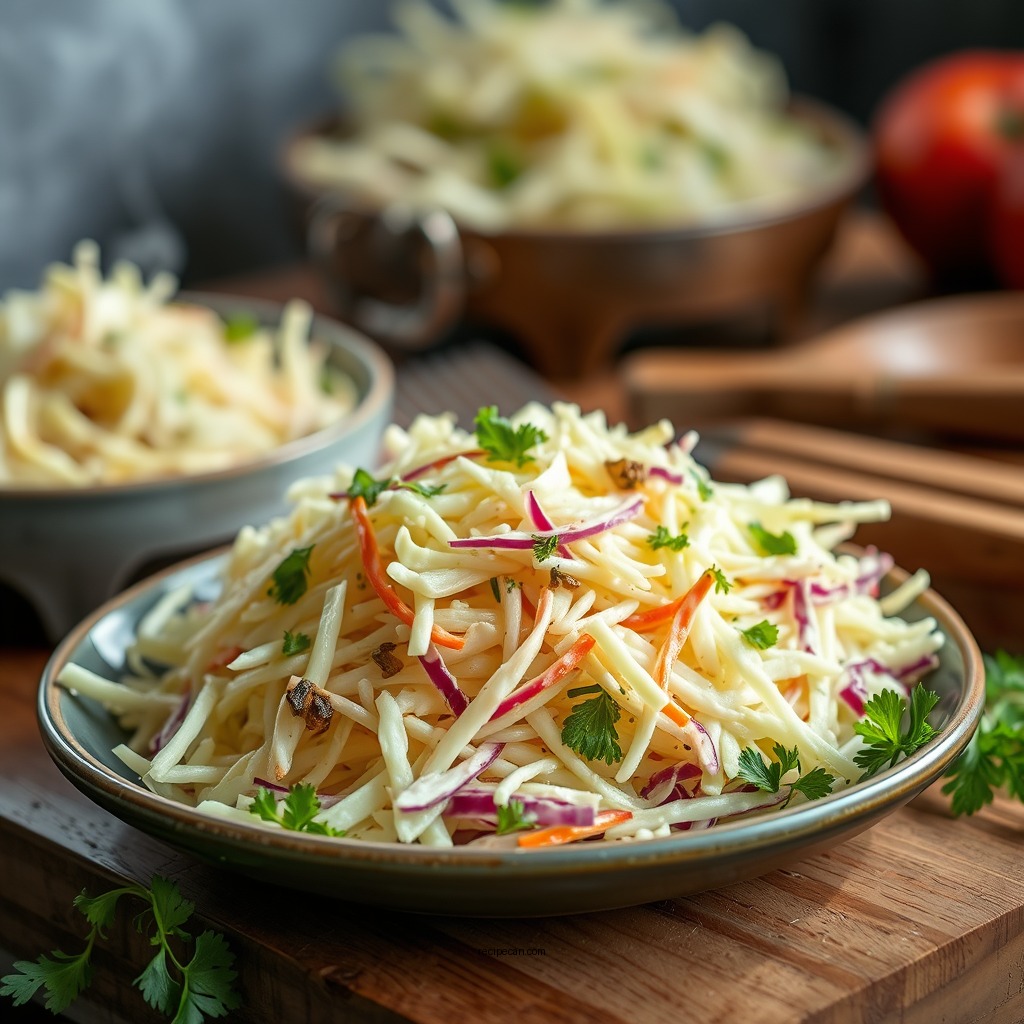
However, don’t hesitate to explore alternatives. Red cabbage can be a vibrant addition, offering a slightly peppery taste and a boost of antioxidants. Mixing both green and red cabbage not only enhances the visual appeal of the dish but also increases its nutritional profile. You might also consider using Napa cabbage for a milder flavor and a unique texture, or savoy cabbage for its crinkly leaves and sweeter taste.
Preparing the Vegetables
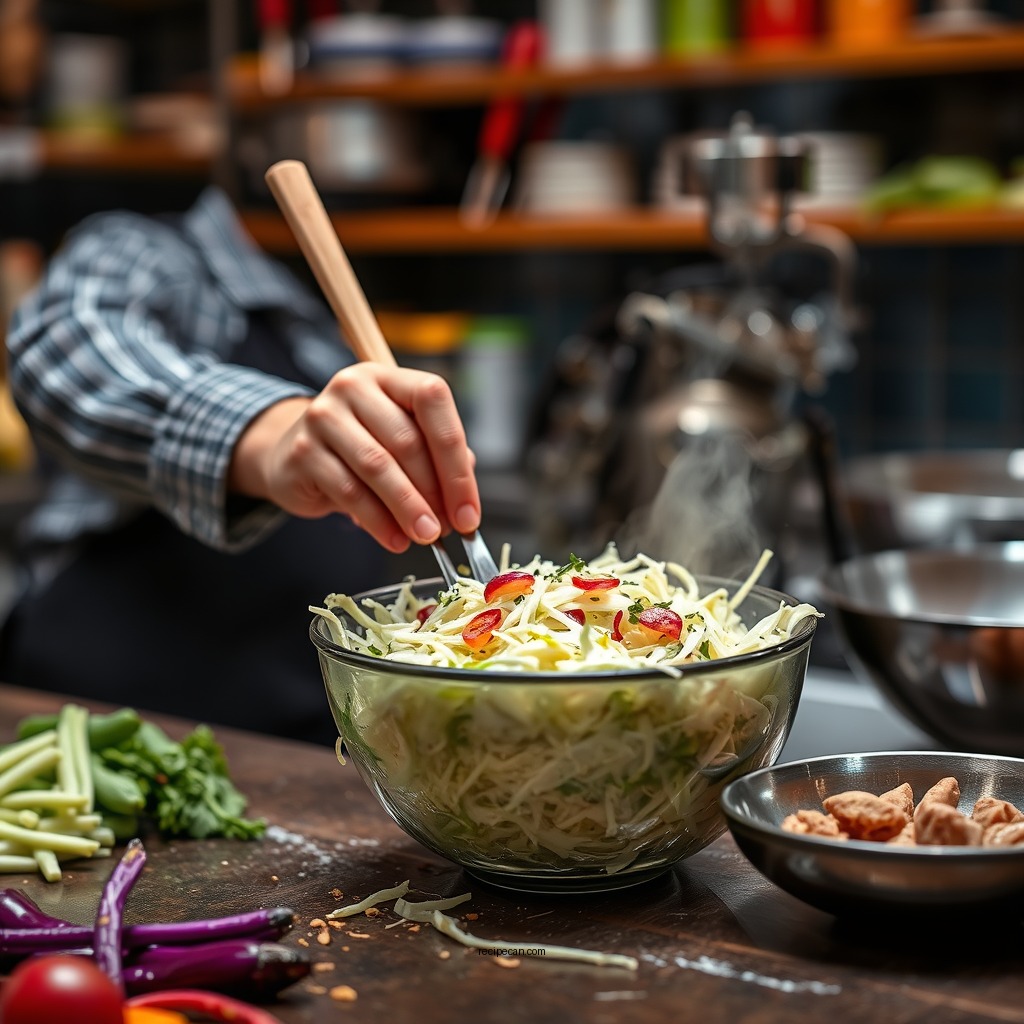
Preparation is key to achieving the right texture in your coleslaw. Begin by finely shredding your cabbage. This can be done using a sharp knife, a box grater, or a food processor, depending on your preference and available tools. The goal is to create thin, uniform pieces that will easily mix with the dressing.
In addition to cabbage, you can enrich your coleslaw by adding other vegetables. Carrots are a classic choice, providing sweetness and a burst of color. You can also include bell peppers for a crunchy texture and a hint of sweetness, or thinly sliced onions for a bit of sharpness. Each vegetable not only contributes to flavor but also adds a range of nutrients, making your coleslaw a more balanced dish.
Making the Dressing
The dressing is where you can truly personalize your coleslaw. A traditional coleslaw dressing typically consists of mayonnaise, vinegar, sugar, salt, and pepper. The mayonnaise provides creaminess, while vinegar adds acidity, balancing the flavors beautifully. Sugar can help to cut through the acidity, creating a well-rounded dressing. Adjust the amounts to fit your taste, ensuring to taste as you mix.
For those seeking a lighter option, vinaigrettes are an excellent alternative. A simple vinaigrette made from olive oil, vinegar (such as apple cider or red wine vinegar), and a touch of Dijon mustard can create a refreshing, tangy dressing that complements the cabbage without overwhelming it. Experimenting with different types of vinegar or adding herbs can further enhance the flavor profile.
Coleslaw Ingredient Nutritional Values (per 100g)
| # | Ingredient | Calories | Carbs (g) | Fat (g) | Fiber (g) |
|---|---|---|---|---|---|
| 1 | Green Cabbage | 25 | 6 | 0.1 | 2.5 |
| 2 | Mayonnaise | 680 | 0.6 | 75 | 0 |
| 3 | Carrots | 41 | 10 | 0.2 | 2.8 |
| 4 | Red Cabbage | 31 | 7 | 0.2 | 2.1 |
| 5 | Sugar | 387 | 100 | 0 | 0 |
| 6 | Vinegar | 14 | 0.1 | 0 | 0 |
| 7 | Olive Oil | 884 | 0 | 100 | 0 |
Combining Ingredients
After preparing your vegetables and dressing, it’s time to bring everything together. In a large mixing bowl, combine the shredded cabbage and any additional vegetables you’ve chosen. Pour the dressing over the mixture and toss gently until all components are evenly coated. This step is crucial, as it ensures that every bite of coleslaw is flavorful.
For optimal taste, allow your coleslaw to rest for at least 30 minutes before serving. This resting period helps the flavors meld and can enhance the overall taste significantly. If you prefer a crunchier texture, you may want to serve it immediately, but letting it sit can help soften the cabbage slightly, making it easier to chew.
Coleslaw Preparation Time vs. Ingredients Added
Customizing Your Coleslaw
One of the best aspects of coleslaw is its adaptability. You can easily customize your recipe to suit different tastes and dietary preferences. For a sweeter twist, consider adding diced apples or raisins, which provide a delightful contrast to the savory elements. Adding nuts like walnuts or pecans can introduce a satisfying crunch and additional healthy fats.
Incorporating spices is another effective way to elevate your coleslaw. Celery seed is a classic addition that enhances the flavor profile without being overpowering. Alternatively, fresh herbs such as dill or cilantro can bring a refreshing note to the salad. If you enjoy a bit of heat, adding sliced jalapeños or a dash of hot sauce can provide an exciting kick.
Serving Coleslaw
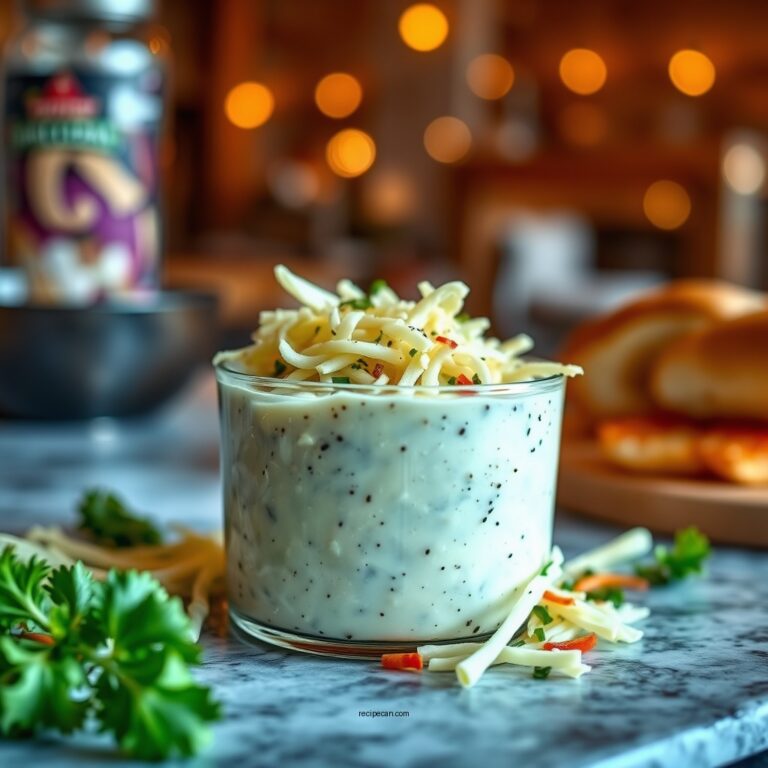
Coleslaw can be served fresh or allowed to chill for a while, making it an excellent make-ahead option for gatherings. It pairs wonderfully with various dishes, especially grilled meats, sandwiches, and tacos, enhancing their flavors and providing a crunch. For large gatherings, consider portioning the coleslaw into individual servings or using small cups for easy serving.
If you want to present your coleslaw elegantly, consider garnishing it with fresh herbs or seeds before serving. This not only enhances its appearance but also adds an extra layer of flavor.
Incorporating these steps into your cooking routine will ensure a delicious and easy coleslaw every time. Whether you stick to the classic recipe or get creative with your ingredients, homemade coleslaw is a refreshing addition to any meal. Enjoy experimenting and discover your favorite version!
Frequently Asked Questions
What ingredients do I need for a classic coleslaw recipe?
To make a classic coleslaw, you will need finely shredded green cabbage, grated carrots, and a dressing made from mayonnaise, vinegar, sugar, salt, and pepper. Some recipes also include additional ingredients like celery seeds or onion for extra flavor. Using fresh, crisp vegetables is key to achieving the best texture and taste.
How do I prepare the cabbage for coleslaw?
To prepare the cabbage for coleslaw, start by removing the outer leaves and cutting the cabbage in half. Use a sharp knife or a mandoline to shred it into thin strips, ensuring even sizes for uniform crunch. Rinse the shredded cabbage under cold water and drain well to maintain freshness and crispness in your coleslaw.
Why is my coleslaw watery, and how can I prevent it?
Watery coleslaw often occurs when the vegetables release moisture after being mixed with the dressing. To prevent this, you can salt the shredded cabbage and let it sit for about 30 minutes before rinsing and drying it. This process draws out excess water, helping you achieve a crispier coleslaw without excess liquid.
What is the best way to store coleslaw for later use?
The best way to store coleslaw is to keep the dressing separate from the shredded vegetables until you are ready to serve. Store the cabbage and carrots in an airtight container in the refrigerator for up to three days, while the dressing can be stored separately for up to a week. This will help maintain the coleslaw’s crunch and prevent it from becoming soggy.
Which types of vinegar work best in a coleslaw dressing?
The types of vinegar that work best in coleslaw dressing include apple cider vinegar, white vinegar, and rice vinegar. Apple cider vinegar adds a mild sweetness, while white vinegar provides a sharper tang. Rice vinegar offers a delicate flavor that complements the crunch of the vegetables, allowing you to customize your coleslaw’s taste profile.
References
- Coleslaw
https://en.wikipedia.org/wiki/Coleslaw - Coleslaw | Description, Food, Barbecue, History, Ingredients, & Facts | Britannica
https://www.britannica.com/topic/coleslaw - Page Not Found – Site Help – Mayo Clinic
https://www.mayoclinic.org/healthy-lifestyle/nutrition-and-healthy-eating/expert-answers/coleslaw/faq-20058221 - Google Scholar Google Scholar
https://scholar.google.com/scholar?q=coleslaw+recipe - Google Scholar Google Scholar
https://scholar.google.com/scholar?q=making+coleslaw - https://www.sciencedirect.com/topics/food-science/coleslaw
https://www.sciencedirect.com/topics/food-science/coleslaw - https://www.ncbi.nlm.nih.gov/pmc/articles/PMC7010556/
https://www.ncbi.nlm.nih.gov/pmc/articles/PMC7010556/ - https://www.ncbi.nlm.nih.gov/pmc/articles/PMC8121744/
https://www.ncbi.nlm.nih.gov/pmc/articles/PMC8121744/ - https://www.cdc.gov/foodsafety/communication/food-safety-tips.html
https://www.cdc.gov/foodsafety/communication/food-safety-tips.html - Healthy diet
https://www.who.int/news-room/fact-sheets/detail/healthy-diet