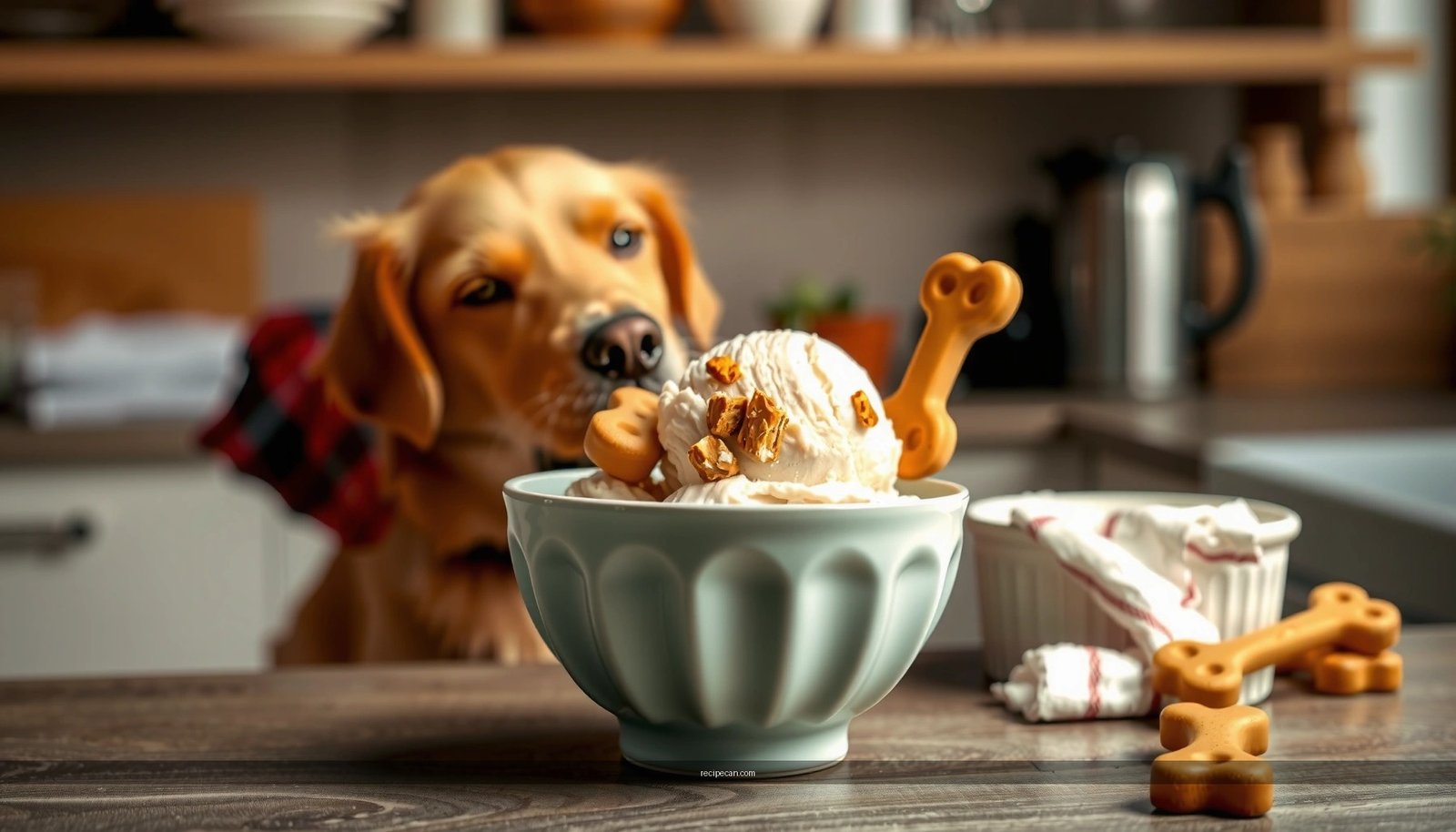
Looking for homemade dog ice cream recipes your pup will actually love? This guide delivers the easiest, safest recipes with clear ingredient rules, so you can make a dog-friendly treat in minutes without guessing. It answers the key question—what to freeze, what to avoid, and how to serve—so every batch comes out right.
Homemade dog ice cream recipes are an easy way to make a safe, portion-controlled frozen treat at home using dog-friendly ingredients—without the hidden risks of xylitol, chocolate, or excessive sugar. In this guide, you’ll learn practical, repeatable recipes built on simple bases (like plain yogurt and pumpkin), plus safety standards for ingredients, freezing, serving, and frequency so your pup can enjoy dessert responsibly.
Choose Dog-Safe Ingredients

The foundation of any successful homemade dog ice cream recipe is choosing ingredients that align with canine nutrition and food safety. Unlike human ice cream, a dog’s frozen dessert should be straightforward: minimal processing, no sweeteners, and no foods known to be toxic for dogs. Think of this as building a small, digestible “snack system” rather than a rich, flavor-heavy dessert.
Use plain, unsweetened bases like plain yogurt or pumpkin for flavor and texture.
– Plain yogurt (unsweetened) provides creaminess and lactic fermentation benefits for many dogs. It’s also a practical “starter base” for dogs who may be sensitive to heavy dairy because you can begin with small portions.
– Pumpkin puree (plain, not pie filling) contributes thickness, fiber support, and a slow-melting texture that helps you portion more easily.
Avoid xylitol, chocolate, raisins, and anything with added sugar or artificial sweeteners.
– Xylitol (often found in “sugar-free” products) is one of the most critical dangers—especially in peanut butter alternatives, baking mixes, and gum. Even small amounts can cause rapid harm.
– Chocolate, raisins, and grapes are well-known toxic foods for dogs.
– Artificial sweeteners and added sugars can contribute to digestive upset and longer-term metabolic issues.
To make ingredient selection easier, use a quick “risk filter” before you start: if you can’t verify it’s plain, unsweetened, and xylitol-free, skip it.
Dog-Friendly Frozen Treat Ingredient Risk Guide
| # | Ingredient | Typical Use in Dog Ice Cream | Dog Safety Rating | Practical Notes |
|---|---|---|---|---|
| 1 | Plain pumpkin puree | Base + texture | ★★★★★ | Use plain; avoid pie filling |
| 2 | Plain unsweetened yogurt | Creamy base | ★★★★☆ | Start small if lactose-sensitive |
| 3 | Banana (small amount) | Flavor + binding | ★★★★☆ | Portion control for sugar content |
| 4 | Blueberries | Mix-in fruit | ★★★★☆ | Use fresh or thawed, no syrup |
| 5 | Xylitol-free peanut butter | Creamy mix-in | ★★★☆☆ | Verify label; keep portions small |
| 6 | Chocolate | Never use | ☆☆☆☆☆ | Toxic to dogs |
| 7 | Xylitol (including “sugar-free” products) | Never use | ☆☆☆☆☆ | Can cause rapid, severe illness |
Simple Base Recipes (Start Here)
Once you have safe ingredients, focus on simple bases first. A strong base improves mouthfeel, reduces ingredient risk, and makes portions easier to control—two factors that matter for both digestion and consistency.
Try a yogurt-and-banana blend for a creamy, allergy-friendly option.
This recipe is popular because it’s smooth, naturally appealing to dogs, and easy to scale for different household sizes.
– Ingredients
– 1 cup plain unsweetened yogurt
– 1/2 ripe banana (mashed thoroughly)
– Optional: 1–2 tablespoons warm water to loosen texture if needed
– Method
1. Mash banana until fully smooth (no chunks).
2. Stir banana into yogurt until uniform.
3. Pour into silicone molds or small spoonable portions.
4. Freeze until firm.
Key analytical note: The banana acts as a natural binder and flavor. Keeping banana to a moderate fraction helps reduce the overall sugar load while still delivering good texture.
Use plain pumpkin puree with a splash of water to create a smooth, slow-melting treat.
Pumpkin-based dog ice cream is a practical option when you want slow-melting structure.
– Ingredients
– 1/2 cup plain pumpkin puree
– 2–3 tablespoons water (adjust to reach a spoonable, pourable consistency)
– Optional: 1 tablespoon yogurt (if your dog tolerates dairy well)
– Method
1. Whisk pumpkin with water until smooth.
2. Pour into molds.
3. Freeze until firm.
Key analytical note: Water controls thickness so the result freezes evenly. If the mixture is too thick, it can form brittle blocks; too thin, and it becomes icy.
Add Flavor Mix-Ins (Keep It Healthy)
Mix-ins are where homemade dog ice cream recipes become personalized. The goal is to add flavor and texture without tipping the balance toward high fat, high sugar, or ingredient risks.
Add small amounts of dog-safe peanut butter (xylylitol-free) or blueberries.
– Peanut butter: Use only xylitol-free peanut butter. Start with 1 teaspoon per cup of base.
– Blueberries: Add a few whole berries or lightly mash them. They freeze well and don’t require sweeteners.
Why “small amounts” matters: Peanut butter is calorie-dense and can cause digestive upset if overused. Blueberries are generally well-tolerated but still count toward daily treats.
Use cooked, unseasoned apples or carrots in tiny portions for mild sweetness.
If you want gentle natural sweetness, use vegetables or fruit in small amounts:
– Cooked apples (peeled and cored; no cinnamon, sugar, or butter)
– Cooked carrots (steamed or boiled until soft; mash finely)
Start with 1–2 tablespoons per batch, then observe stool consistency and energy level over the next 24 hours.
Freezing & Serving Tips
Freezing is not just storage—it affects texture, portioning, and how your dog experiences the treat.
Pour into silicone molds or shallow containers for easier portioning.
– Silicone molds help you control serving size precisely and reduce mess.
– Shallow containers allow you to freeze a “sheet,” then cut into consistent squares for larger dogs.
Freeze until firm, then serve right away or store for later.
– Serve soon after they’re fully frozen for best texture.
– For storage, keep portions in an airtight container to limit freezer odors and dehydration.
Serving best practices
– Let the treat sit at room temperature for 1–3 minutes if your dog struggles with very hard textures.
– Always supervise while your dog eats frozen treats to reduce choking risk (especially for smaller dogs or puppies).
Portion Sizes & Frequency
Homemade dog ice cream recipes should be treated like a treat, not a meal replacement. Portion size impacts both nutrition and digestion.
Offer small servings (especially for first-time treats) to check tolerance.
When introducing a new base or mix-in:
– Start with 1–2 teaspoons for small dogs and 1–2 tablespoons for medium dogs (adjust for your dog’s size and dietary sensitivity).
– Watch for signs like soft stool, vomiting, gas, or unusual lethargy.
Keep ice cream as an occasional snack, not a daily food.
A helpful rule for most dogs: keep frozen treats to a small fraction of daily calories. Practically, that means:
– 1–2 times per week for many healthy adult dogs, depending on overall diet and treat volume.
– Less frequently for dogs with sensitive stomachs, weight concerns, or chronic gastrointestinal conditions.
If your pup is on a medically restricted diet (or you’re unsure about dairy tolerance, allergies, or diabetes risk), consult your veterinarian before making treats a routine.
Common Mistakes to Avoid
Even well-intentioned recipes can go wrong when ingredients, portions, or storage are handled casually. Avoiding common mistakes improves safety and reduces wasted effort.
Don’t use dairy-heavy ingredients if your dog is lactose sensitive—start with yogurt.
Some dogs tolerate yogurt better than milk because yogurt contains fermentation byproducts that may be easier to digest. Still, start small. If your pup shows signs of lactose intolerance, consider:
– Reducing yogurt amount
– Using a pumpkin-only base
– Switching to non-dairy alternatives that are explicitly dog-safe (and free of xylitol and added sugars)
Skip recipes with sweeteners or “sugar-free” ingredients that may contain xylitol.
This is the most important compliance point. “Sugar-free” labeling often hides xylitol. Always:
– Read ingredient lists
– Use products you can verify are xylitol-free
– Avoid “diet” peanut butter blends, gum, or baking items that may contain sweetener substitutes
When in doubt, keep the recipe simplest: pumpkin + water, or yogurt + fruit, with verified mix-ins.
By following these guardrails, you’ll avoid the most common safety failures and deliver a treat that aligns with your dog’s digestive needs.
When you make homemade dog ice cream recipes with safe, simple ingredients, you’ll create a fun treat your pup can enjoy responsibly. Pick one base recipe, add a dog-safe mix-in, freeze in portions, and serve occasionally—then try your next flavor.
If you want, tell me your dog’s size, age, and any known allergies (e.g., dairy sensitivity), and I’ll suggest a tailored one-week “flavor rotation” using these same safe base principles.
Frequently Asked Questions
What ingredients can I use to make homemade dog ice cream safely?
Use dog-safe bases like plain plain yogurt, unsweetened pumpkin puree, or mashed banana as the main ingredients. For sweetness, skip sugar entirely and avoid xylitol, chocolate, grapes/raisins, and alcohol. If you’re using dairy, choose plain low-fat options and confirm your dog tolerates lactose. Always keep portions small and introduce new ingredients gradually to reduce the risk of stomach upset.
How do I make homemade dog ice cream without an ice cream maker?
Combine your dog-safe base with a simple mix-in (like peanut butter without xylitol or mashed banana), then pour into a shallow container. Freeze for a few hours, stir or scrape the mixture to break up ice crystals, and refreeze until firm. For easier serving, you can also portion the mixture into silicone molds or ice cube trays and freeze. This no-churn method works well for quick homemade dog treats that still have a creamy texture.
How can I prevent homemade dog ice cream from becoming icy or too hard?
Use ingredients that improve texture, such as mashed banana, pumpkin puree, or yogurt, which help create a smoother homemade dog ice cream. Stir thoroughly and consider adding a small amount of dog-safe peanut butter for body, but keep it unsweetened and xylitol-free. Freeze in smaller portions and avoid very thin layers that can crystallize. If it freezes too hard, let it sit at room temperature for 2–5 minutes before serving.
Which homemade dog ice cream recipes are best for sensitive stomachs?
For dogs with sensitive stomachs, start with gentle recipes using plain yogurt or lactose-free yogurt plus pumpkin puree, which is commonly well-tolerated. You can also use a simple banana-yogurt blend with minimal ingredients and no added fats or spices. Avoid heavy creams, large amounts of peanut butter, and any ingredient your dog hasn’t tried before. If you’re unsure, consult your veterinarian—especially for dogs with pancreatitis or chronic GI issues.
Why should I avoid common human ice cream ingredients when making dog ice cream at home?
Many human ice cream ingredients are unsafe for dogs, including xylitol, chocolate, and artificial sweeteners, which can cause serious health problems. Even “safe” ingredients like extra sugar or rich dairy can trigger weight gain, diarrhea, or vomiting. Homemade dog ice cream should stick to dog-friendly, low-sugar components and keep add-ins minimal. By using simple, safe ingredients, you get a tasty frozen treat while reducing the risk associated with homemade dog ice cream recipes.
References
- Google Scholar Google Scholar
https://scholar.google.com/scholar?q=homemade+dog+ice+cream+recipe - Google Scholar Google Scholar
https://scholar.google.com/scholar?q=dogs+lactose+intolerance+ice+cream+dairy - Google Scholar Google Scholar
https://scholar.google.com/scholar?q=xylitol+dogs+ice+cream+toxicity - https://pubmed.ncbi.nlm.nih.gov/?term=dogs+lactose+intolerance
https://pubmed.ncbi.nlm.nih.gov/?term=dogs+lactose+intolerance - https://pubmed.ncbi.nlm.nih.gov/?term=canines+dairy+gastrointestinal+effects
https://pubmed.ncbi.nlm.nih.gov/?term=canines+dairy+gastrointestinal+effects - https://en.wikipedia.org/wiki/Lactose_intolerance
https://en.wikipedia.org/wiki/Lactose_intolerance - https://en.wikipedia.org/wiki/Xylitol_toxicity
https://en.wikipedia.org/wiki/Xylitol_toxicity - Lactose Intolerance – NIDDK
https://www.niddk.nih.gov/health-information/digestive-diseases/lactose-intolerance - Lactose intolerance – Symptoms & causes – Mayo Clinic
https://www.mayoclinic.org/diseases-conditions/lactose-intolerance/symptoms-causes/syc-20374232 - Ice cream | Definition, History, & Production | Britannica
https://www.britannica.com/science/ice-cream