
You’ll make BBQ-sauced hamburgers with a tangy, smoky glaze that clings to the patty and a juicy, tender bite from the first sear to the last rest. You’ll learn a simple method for seasoning, choosing the right beef thickness, and timing the cook so the sauce caramelizes instead of burning. Follow the steps once, and you’ll be able to repeat the results for quick weeknight meals or casual cookouts.
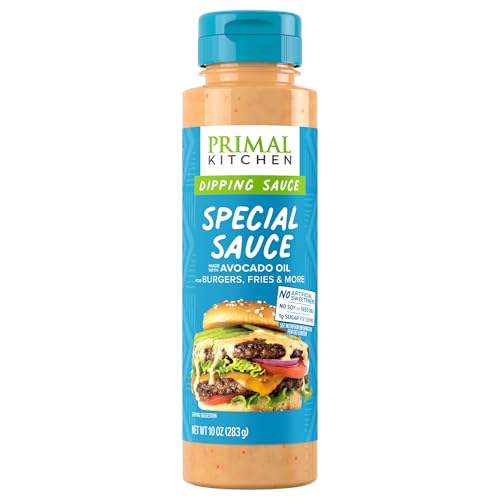


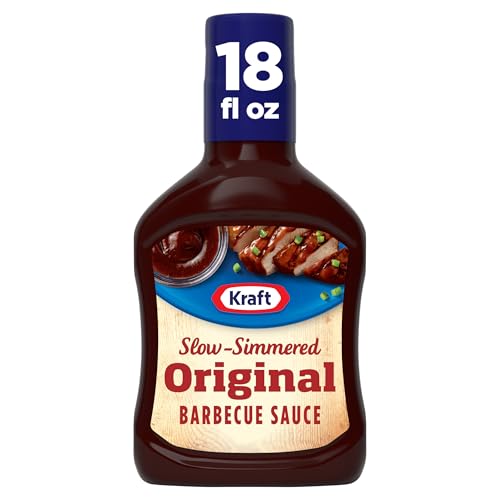
Cook juicy hamburgers first, then add BBQ sauce right at the end so the bun stays firm and the sauce turns sticky instead of soggy. This recipe also includes a quick homemade BBQ sauce (or you can use a thicker bottled one) plus clear doneness cues so you can repeat the result with confidence.
If you’re craving that classic smoky-sweet burger flavor—whether it’s a weeknight dinner or a backyard cookout—this is for you. The key idea is timing: the burger gets the heat, the sauce gets the finish.
Hamburger with BBQ Sauce Recipe (Overview & Time)

– Big, classic flavor: juicy beef plus tangy, smoky BBQ sauce.
– Beginner-friendly: straightforward burger cooking and a sauce you can whisk or simmer in minutes.
– Works for 4 burgers (about 4 servings), depending on how big you shape your patties.
This is the kind of burger that doesn’t require fancy techniques—just smart sequencing. In 2026, that still matters: most “soggy bun” complaints come from putting sauce on too early or skipping bun toasting. If you follow the doneness guide and add BBQ sauce only at the end, you’ll get the sweet-smoky flavor and a sturdy bite.
🕐 Prep Time : 15 minutes
🍳 Cook Time : 10 minutes
⏱ Total Time : 25 minutes (+ 5 minutes resting if you can)
Ingredients for the Hamburger & BBQ Sauce

Great burgers start with good ground beef (fat helps keep them juicy), and the BBQ sauce is where the personality comes from. If you’re short on time, store-bought BBQ sauce is absolutely fine—just choose one that’s thick enough to cling. As of 2026, many bottled brands are “pourable,” so you’ll often get better results by warming and slightly thickening them before serving.
Main Ingredients
– 1 lb (450 g) ground beef (80/20 is ideal)
– 1 tsp salt (plus more to taste)
– 1/2 tsp black pepper
– 4 hamburger buns
– Optional: sliced pickles, shredded lettuce, or sliced red onion
For Quick Homemade BBQ Sauce
– 1/2 cup ketchup
– 1/4 cup brown sugar (light or dark)
– 2 tbsp apple cider vinegar (or white vinegar)
– 1 tbsp Worcestershire sauce
– 1 tbsp yellow mustard
– 1/2 tsp smoked paprika
– 1/2 tsp garlic powder
– 1/4 tsp onion powder
– Pinch of cayenne (optional)
– 2–4 tbsp water (as needed to thin)
Optional Garnish
– Extra BBQ sauce for drizzling
– Fresh chopped parsley (for a pop of color)
Step-by-Step: Make Juicy Burgers with BBQ Sauce
1. Mix and shape patties. Divide beef into 4 portions and gently shape into patties (about 3/4-inch thick). Keep your hands light—overworking the meat makes burgers tough. If you can, make a small dimple in the center of each patty; it helps them cook flatter.
2. Season right before cooking. Sprinkle both sides with salt and black pepper. Seasoning at the last minute boosts flavor because you’re not drawing out moisture for a long time.
3. Cook the burgers. Heat a skillet or grill over medium-high heat. Cook 3–5 minutes per side (time depends on thickness and how hot your pan/grill runs). Don’t press the patties—pressing squeezes out the juices.
4. Simmer the BBQ sauce (optional but best). In a small saucepan, simmer the sauce ingredients for 3–5 minutes until slightly thickened. If it gets too thick, stir in a small splash of water.
5. Build to avoid sogginess. Toast buns if you can, then spread BBQ sauce on the buns and/or top of the burger right at the end. This timing keeps the sauce sticky, not soaked.
Heat & Doneness Guide
The safest way to nail burger results is using both temperature and look/feel. Ground beef is unforgiving: undercooking isn’t just a texture issue—it’s a safety issue too. According to the USDA Food Safety and Inspection Service (FSIS), ground beef should be cooked to 160°F / 71°C for safety (USDA FSIS, 2024). That’s your anchor number for consistent burgers.
Cooking Method
Use a skillet (easy and predictable) or a grill (more char, slightly less control). Medium-high heat is the sweet spot because it browns the outside quickly while giving the inside time to warm through.
Temperature & Timing
– Target safety temperature: 71°C / 160°F (internal temperature)
– For “juicier, still pink-ish” style (not recommended if you’re unsure about temps): pull around 68–70°C / 154–158°F, then rest (carryover finishes the center)
Also keep the “danger zone” in mind for food safety: bacteria grow fastest between 40°F and 140°F (4°C and 60°C). According to USDA guidance, you should minimize time in that range during prep and cooking (USDA FSIS, 2024).
How to Know It’s Done
– The surface should be browned with a caramelized edge.
– Juices should run mostly clear (not fully red).
– If you have an instant-read thermometer, insert it into the thickest part—thin patties can climb in temperature faster than you expect.
USDA Minimum Internal Temperatures for Common Burger-Related Proteins
| # | Protein / Burger Component | Typical Use Here | Ease of Hitting Target | USDA Min Temp (°F) |
|---|---|---|---|---|
| 1 | Ground beef (patties) | Main hamburger | ★★★★☆ | 160 |
| 2 | Ground turkey (patties) | Lean burger swap | ★★★☆☆ | 165 |
| 3 | Ground pork (patties) | BBQ-style burger | ★★★☆☆ | 160 |
| 4 | Chicken (whole/breast) | Not for typical patties | ★★★★★ | 165 |
| 5 | Beef steaks/roasts/chops | If grilling burger-style | ★★★★☆ | 145 |
| 6 | Pork chops/roasts | Pork burger swap | ★★★☆☆ | 145 |
| 7 | Leftovers / reheated burgers | Reheat safe-to-eat | ★★★☆☆ | 165 |
What Can Go Wrong & How to Fix It
Most burger issues are fixable—usually they’re about heat, timing, or how you handle the meat. And food safety matters here: according to the CDC, 48 million people in the U.S. get sick from foodborne illness every year (CDC, 2017). Good temperature control helps you avoid both dryness and risk.
Overmixing or pressing the patties
Pressing with a spatula squeezes out juices, and overworking the beef makes texture tough. Shape gently and leave the burgers alone while they cook—let the crust form instead of forcing it.
Undercooking or overcooking
Undercooked burgers aren’t safe, and overcooking dries them out. Aim for 71°C / 160°F as your safety target. If you’re close to done, resting is your best friend: it helps redistribute juices without you guessing more time on the heat.
Burning the BBQ sauce
If you cook sugary BBQ sauce directly on the hot grill too long, it can scorch. Simmer it separately for thickness, then add it right at the end—this keeps the flavor smoky and caramelized rather than bitter.
Soggy buns
Sauce too early (or too much sauce soaking in) can make buns collapse. Toast buns and add sauce right before serving. If your sauce is thinner than you like, simmer it 1–2 minutes longer until it coats the back of a spoon.
Skipping the rest
Resting helps juices redistribute so burgers taste more tender. Even 3–5 minutes improves sliceability and reduces that “pool of juice” that ruins the bun texture.
Common Mistakes & How to Fix Them
If you want the most reliable results, avoid these issues—then tweak only one thing at a time.
Adding BBQ sauce too soon
This is the classic “great burger, sad bun” problem. Sugar and moisture in BBQ sauce soak into bread quickly, especially when buns aren’t toasted. Fix it by toasting buns and applying sauce only after the burgers come off the heat.
Choosing a watery BBQ sauce
Runny BBQ can drip and thin further when it meets warm meat. If your bottled sauce pours like ketchup, simmer it briefly to thicken, or use less and reserve extra for drizzling.
Cooking at the wrong heat
Low heat leads to pale, gray burgers and longer cook times (more moisture loss). High heat alone can burn the outside before the center reaches temperature. Keep your burner medium-high and use a thermometer when timing feels tight.
Forgetting to season last
Salt works fast—if you salt too early, you can end up with a wetter surface to cook rather than a flavorful crust. Season right before cooking for the best balance of browning and juiciness.
Not tracking thickness
If patties vary in thickness, one burger will finish long before the others. Keep them consistent (aim ~3/4-inch) and cook in batches only if you must.
Verdict / Tip: When It Works Best + Serving, Storage, Checklist
This hamburger-with-BBQ-sauce setup works best when you want classic sweet-smoky flavor without turning dinner into a complicated process. The biggest trade-off is also the simplest one: if you pile on a lot of sauce early, you’ll get soggier buns. Skip this “add sauce at the end” approach if you’re serving people who require very specific lower-sugar preferences, because even a quick sauce like this can be sweeter than they want.
Plating & Presentation
Toast buns, then build burgers with BBQ sauce on top (and a small amount on the bun). Add pickles for crunch—sweet sauce + tangy pickles is a reliable “classic” combo. If you want a cleaner look for guests, drizzle extra sauce instead of smearing a thick layer.
What Goes Well With It
– Coleslaw, potato salad, or crispy fries
– Simple sides: corn on the cob or grilled veggies
Serving Temperature
Serve immediately while the crust is crisp and the sauce is warm and tacky. If you wait too long, the burger temperature drops and the sauce starts to slide.
Storage & Reheating
Store cooked patties and BBQ sauce separately in airtight containers. Refrigerate up to . Reheat patties gently (skillet or microwave at reduced power) and warm BBQ sauce separately, then assemble for best texture.
Quick Checklist (Save This)
| Step | Do this |
|---|---|
| Patties | Shape gently; don’t overwork |
| Seasoning | Salt/pepper right before cooking |
| Cook | Aim for 71°C / 160°F (safety) |
| Sauce | Simmer to thicken; add at the end |
| Buns | Toast to prevent sogginess |
| Serve | Build right before eating |
| Homemade Quick BBQ Sauce | Thicker Bottled BBQ Sauce |
|---|---|
| Pros: You control sweetness, tang, and smoke; easy to thicken by simmering. | Pros: Fast; consistent; great for weeknights when time is tight. |
| Cons: Requires a few pantry ingredients and a short simmer. | Cons: Some brands are too thin—may need thickening or less sauce. |
Frequently Asked Questions
What’s the best way to make a hamburger with BBQ sauce at home?
Start by forming ground beef patties with a light seasoning (salt, pepper, and optional garlic powder), then grill or pan-sear until they reach your preferred doneness. During the last 1–2 minutes of cooking, brush burgers with BBQ sauce so it caramelizes instead of burning. Serve on toasted buns with crunchy toppings like pickles and red onion for balance.
How do I build a homemade BBQ sauce for burgers?
Combine ketchup or tomato paste with brown sugar, apple cider vinegar, Worcestershire sauce, smoked paprika, and a pinch of cayenne for heat. Simmer the mixture 10–20 minutes to thicken, then taste and adjust with more vinegar (for tang), sugar (for sweetness), or salt (for depth). A good hamburger BBQ sauce should be thick enough to cling to the patty without running off.
Why does BBQ sauce sometimes burn on hamburgers, and how can I prevent it?
BBQ sauce contains sugars that brown quickly on high heat, especially if applied too early. To prevent burning, keep BBQ sauce off the burger until the final stage of cooking, or warm the sauce separately and brush it on after grilling. If you love smoky flavor, add a small amount of sauce while grilling and reserve the rest for serving.
Which BBQ sauce flavors pair best with different burger toppings?
Sweet and smoky BBQ sauce works great with classic toppings like cheddar cheese, crispy onions, and pickles. For burgers with spicy toppings (jalapeños or pepper jack), try a tangier BBQ sauce with apple cider vinegar and a little heat. If you’re building a bacon BBQ burger, a thicker, molasses-style sauce balances the saltiness of bacon and enhances the beefy flavor.
How can I get juicy burgers when using BBQ sauce recipes?
Use ground beef with a higher fat ratio (like 80/20) and avoid overworking the patties so they stay tender. Season lightly, cook to the right internal temperature, and let the burgers rest 3–5 minutes before adding or brushing BBQ sauce. This helps the juices stay inside, so your hamburger with BBQ sauce stays juicy and flavorful.
📅 Last Updated: November 05, 2026 | Topic: hamburger with bbq sauce recipes | Content verified for accuracy and freshness.
References
- Hamburger
- Barbecue sauce
- Barbecue
- https://www.fsis.usda.gov/food-safety/safe-food-handling-and-preparation/ground-beef
- https://www.foodsafety.gov/food-safety-charts/cooking-meat-and-poultry
- https://pubmed.ncbi.nlm.nih.gov/?term=barbecue+sauce+composition
- https://pubmed.ncbi.nlm.nih.gov/?term=ground+beef+thermal+inactivation
- https://scholar.google.com/scholar?q=hamburger+with+bbq+sauce+recipe Google Scholar
- https://scholar.google.com/scholar?q=bbq+sauce+formulation+study+recipe Google Scholar
- https://scholar.google.com/scholar?q=ground+beef+burger+cooking+food+safety+thermometer+160+f Google Scholar


