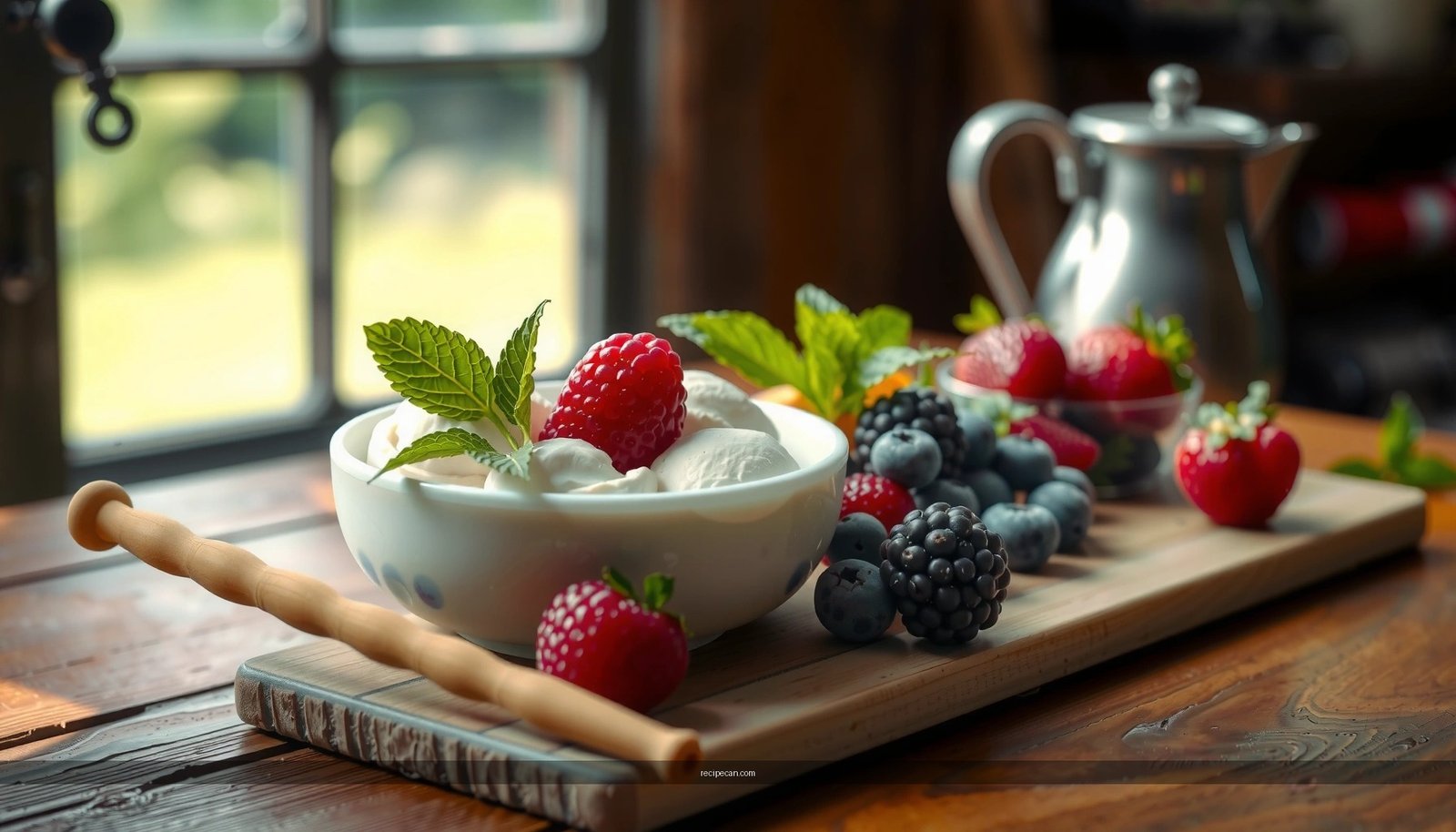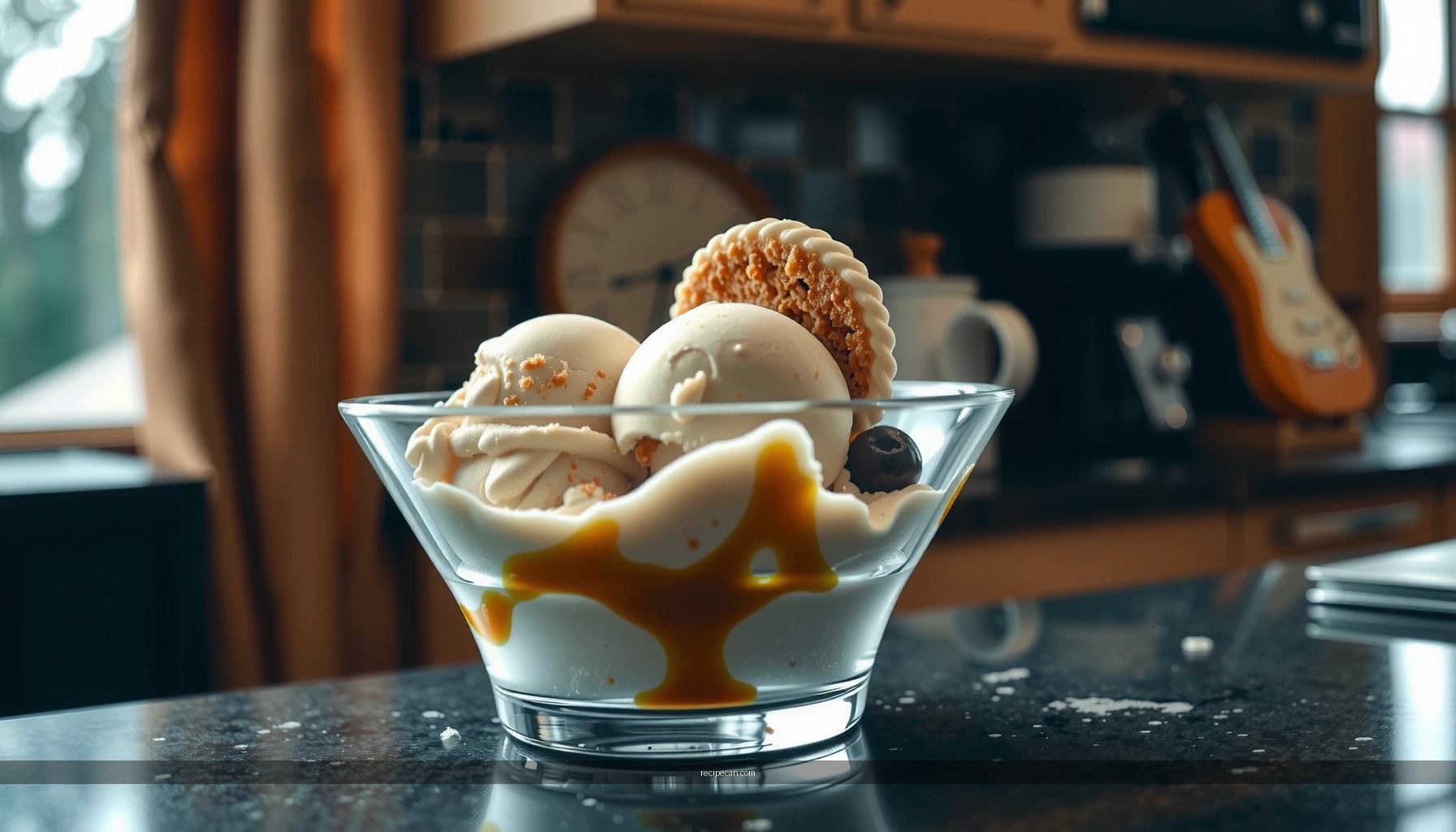
Want the Graham Central Station ice cream recipe you can actually make at home? This guide delivers the best-matching copycat method—exactly how to build the creamy base, nail the flavor, and churn it into the right texture. Follow the steps closely and you’ll end up with a scoop that tastes like the real thing, not a “pretty close” substitute.
Make Graham Central Station–style ice cream at home by building a smooth, well-balanced vanilla-cream base, then folding in graham-cracker and chocolate/caramel-like mix-ins before chilling and churning until scoopable. This guide gives you a practical, pro-style workflow—ingredients, timing, and texture targets—so your homemade batch lands close to the classic “crackly crumb + rich cream” experience.
Ingredients You’ll Need

– Choose the right creamy base (milk/cream or similar)
A Graham-style ice cream needs enough fat for body and enough milk solids for a creamy freeze. Use a blend like heavy cream + whole milk, and consider adding a small amount of skim milk powder if you want extra smoothness (it reduces iciness by increasing total solids). For classic, “shop-like” texture, target a base that’s rich enough to hold graham crumbs without turning hard.
– Gather signature flavor add-ins and sweeteners for the classic profile
While Graham Central Station’s exact formula can vary by product, the recognizable flavor profile is typically:
vanilla-forward cream + graham cracker sweetness + chocolate and/or caramel notes (often in the form of fudge, chocolate chunks, or a chocolate ripple/sauce).
In practice, that means you’ll want:
– Vanilla (extract or paste)
– Sugar (granulated, plus optional brown sugar for a deeper graham-like tone)
– Graham cracker crumbs (for “baked cookie” flavor and speckled texture)
– Chocolate add-in (dark chocolate chunks, chocolate chips, or chopped chocolate cookie pieces)
– Optional ingredients for texture (chocolate bits, crumbs, or similar)
Texture is half the “signature.” Add-ins should be sized for consistent bites and not disappear into the base:
– Graham cracker chunks (not all crumbs—mix chunk sizes so every spoonful has variety)
– Fudge or chocolate bits (chopped fudge, brownie bits, or chocolate-coated pieces)
– A pinch of salt to sharpen the graham and chocolate flavors
– Stabilizer option: cornstarch or a small amount of egg yolk (if using a custard). For most home freezers, a simple cooked base with milk powder works well.
Pro ratio target (per ~1 quart / 950–1000 ml finished ice cream):
Aim for a base that’s sweet but not cloying—usually about 12–16% sugar by weight and sufficient dairy fat for body. If you’re using a standard ice cream maker, that range helps prevent an overly hard, icy freeze.
Texture Targets for a Graham-Style Ice Cream Base (1 Quart / ~1000 ml)
| # | Base Target | Home Goal | Why It Matters | Texture Outcome |
|---|---|---|---|---|
| 1 | Total dairy fat | ~10–14% of base | Creaminess + stable body | ★★★ ★★ ★ (High) |
| 2 | Sugar strength | ~12–16% by weight | Prevents hard ice | ★★★★☆ (High) |
| 3 | Milk solids (powder optional) | +0–6% extra solids | Smoother freeze, less iciness | ★★★ ★★☆ (Improves) |
| 4 | Graham cracker particle size | Crumbs + 3–8 mm chunks | Bite consistency per scoop | ★★★★☆ (Balanced) |
| 5 | Chill time before churning | Minimum 4 hours | Better aeration + texture | ★★★ ★★☆ (Right) |
| 6 | Churning goal | Soft-serve thickness | Avoids overbuilt foam | ★★★★☆ (Scoopable) |
| 7 | Freeze-after-churn firmness | 6–12 hours to set | Cream locks in after aeration | ★★☆☆☆ (If rushed) |
Step-by-Step Preparation
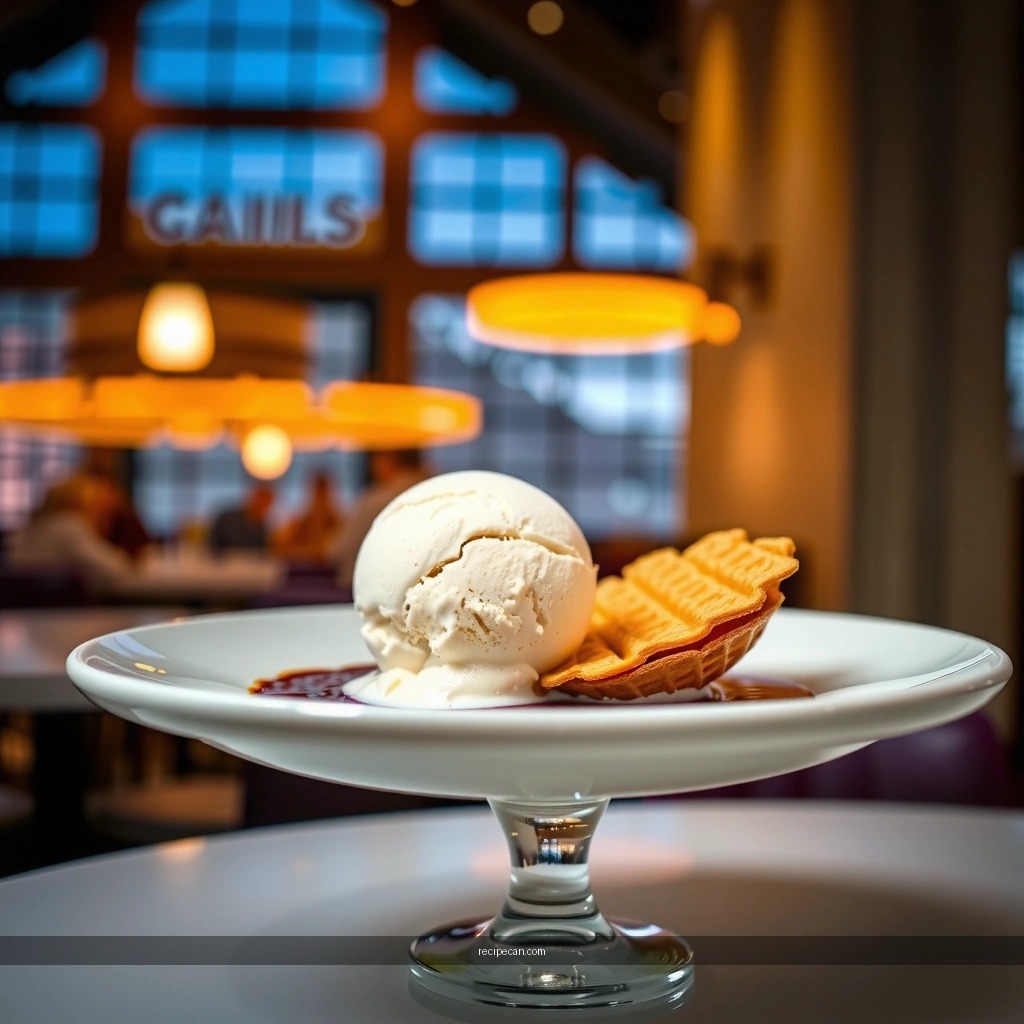
– Mix your base thoroughly until smooth and evenly flavored
Start by combining whole milk and cream (and sugar) in a saucepan. Warm gently just until the sugar dissolves. Add vanilla and salt early so they distribute evenly.
If you’re using milk powder, whisk it in gradually before heating fully to avoid lumps. Heat the mixture to a gentle simmer (or near-simmer), stirring continuously, for a few minutes to hydrate solids and slightly thicken the base. Then remove from heat.
– Add mix-ins at the right time to avoid uneven distribution
Graham crumbs and chocolate bits should not be added to a very hot base, or they can soften, sink, or taste “steamed.” Instead:
1. Chill the base completely (cold is key).
2. Stir in graham cracker crumbs/chunks and chocolate right before or during the final stage of churning—depending on your machine’s design.
If your mix-in container timing is limited, add mix-ins during the last few minutes of churning so they disperse without being pulverized.
Practical sizing tip: crush graham crackers so you have two textures—fine crumbs for flavor and small chunks for “bite.” That mirrors the way classic shop ice creams feel on the palate.
– Chill the mixture so it churns properly
Transfer the base to a container, cover, and chill until fully cold. Cold base helps the freezer bowl start forming ice crystals immediately, which improves both aeration and scoopability.
Recommended: at least 4–6 hours, preferably overnight. If you’re in a rush, your results will usually skew closer to icy or thin.
Churning & Achieving the Right Texture

– Churn until thick, creamy, and aerated
Churn according to your ice cream maker’s speed and instructions, but use the product texture as your main indicator. Stop when it looks like soft serve—a thick, creamy stream that holds shape briefly.
– Don’t over-churn—aim for “soft serve” consistency
Over-churning can lead to:
– excessive freezing of the mix,
– tighter, less creamy aeration,
– and a product that feels grainier once fully frozen.
If your machine tends to run long, set a timer and start checking early (many home machines are done around the 20–30 minute mark, but it varies with bowl temperature and recipe richness).
– Transfer to a container and firm up in the freezer
Spoon the churned ice cream into a freezer-safe container. Press parchment or plastic directly against the surface to limit freezer burn. Firm it in the freezer 6–12 hours so the fat and sugar network stabilize.
For serving accuracy: let it sit 3–5 minutes at room temperature before scooping. This small window makes a big difference in texture.
Flavor & Mix-In Tips
– Balance sweetness with the strength of your flavor add-ins
Graham cracker flavor can get muted in cold temperatures. If your first batch tastes “flat,” don’t immediately add more sugar—consider increasing:
– the intensity of graham crumbs (slightly more),
– vanilla (a touch more),
– or chocolate depth (dark chocolate bits instead of milk chocolate).
A pinch of salt also helps sweetness read as “balanced” rather than sugary.
– Keep chunks consistent by chopping or crushing mix-ins
For the most “classic” mouthfeel, vary chunk sizes deliberately:
– fine crumb for uniform graham notes,
– small chunks for recognizable bites.
Chop chocolate into rough pieces so they don’t melt into a single dark streak. In many graham-style ice creams, the contrast—sweet cream + distinct crunchy-sweet pieces—is part of what makes each spoonful feel intentional.
– Taste the base after chilling and adjust if needed
Flavor changes when cold. Taste your base after it’s chilled (before churning) and adjust within small margins:
– if too mild: increase vanilla or graham quantity,
– if too sharp: add a small amount of sugar,
– if too sweet: add a pinch more salt or slightly reduce add-ins next time.
Storage, Serving, and Best Practices
– Store covered to prevent freezer burn
Freezer burn dulls flavor and can create dry, papery edges. Use an airtight container and press parchment against the surface. Keep the freezer stable; repeated door opening causes temperature cycling that worsens texture.
– Let it soften briefly before serving for the best scoop
Ice cream is most elastic and smooth when it’s near-serving temperature. If it’s too hard, your spoon will drag and you’ll lose the airy “shop” feel. A short rest time maintains structure without warming it into meltiness.
– Keep track of timing for peak flavor and texture
For best results:
– texture peaks after the initial set (roughly the first 1–2 days),
– flavor is strongest early because add-ins haven’t fully melded into the base.
If you store longer, you can still eat it—just expect a gradual shift toward firmer, more muted texture.
Troubleshooting Common Issues
– If it’s icy, increase chilling time or reduce water-heavy mix-ins
Icy texture usually comes from one of three factors:
1. insufficient chilling (base not cold enough),
2. too much water in the add-ins (or add-ins that release moisture),
3. sugar and solids too low for your machine/freezer.
Fixes: chill longer, use less watery mix-ins, and consider adding milk powder next time for smoother freezing.
– If it’s too soft, firm it longer in the freezer
Soft ice cream after freezing is often a timing or base-strength issue. Firm for an additional 4–8 hours. If it remains soft repeatedly, slightly increase total solids or reduce sweetness/water content next batch (without overcorrecting, since “too hard” is the other common failure mode).
– If flavor is muted, strengthen add-ins or sweetener slightly
Cold reduces perceived sweetness and aroma. If graham/chocolate notes don’t show, raise the graham crumb amount or choose a more flavorful chocolate (like dark chocolate with higher cocoa content). If needed, adjust sugar in small increments rather than big jumps—small recipe changes keep the base balanced.
Freshen up your dessert by following this Graham Central Station ice cream recipe closely—focus on the right ingredients, chill time, and churning/firming steps for the best texture. Make a batch today, taste as you go, and tweak the mix-ins to match your ideal version.
If you tell me your ice cream maker model (and whether your freezer runs colder than average), I can help you dial in exact churn timing and adjust the base for maximum “classic” scoopability.
Frequently Asked Questions
What is the Graham Central Station ice cream recipe and what makes it taste like the original?
The Graham Central Station ice cream recipe is a homemade-style frozen dessert inspired by the popular “graham” flavor—typically built around crushed graham crackers, buttery caramelized notes, and a creamy custard base. What makes it taste close to the original is the balance of toasted graham depth plus a sweet, creamy finish, usually from condensed milk or a similar rich dairy blend. For best results, use finely crushed graham crackers and let the base rest so the crumbs fully hydrate.
How do I make Graham Central Station-style ice cream at home without an ice cream machine?
You can make Graham Central Station ice cream without a machine by using a “freeze-and-stir” method: churn or whip a creamy base, freeze it in a shallow container, and stir vigorously every 30–45 minutes until thickened. This helps break up ice crystals and keeps the texture smooth. After the base is mostly set, fold in graham cracker bits (or swirl them in) and freeze until scoopable.
Why does my homemade graham ice cream turn icy, and how can I prevent it?
Icy Graham Central Station ice cream is usually caused by too little sugar and/or insufficient fat, which lowers the freezing point and encourages ice crystal formation. Prevent it by using a richer base (like sweetened condensed milk or full-fat cream), cooking any custard thoroughly if your recipe includes egg, and ensuring proper chilling before freezing. Also, don’t skip the resting time—graham crumbs need time to absorb moisture so the mixture stays creamy.
Which ingredients are best for getting the right graham flavor—graham crackers vs. crumbs, and butter vs. margarine?
For the closest Graham Central Station ice cream flavor, use high-quality honey graham crackers and crush them finely (or use fresh crumbs) so the texture blends rather than feels gritty. Butter is generally preferred because its flavor carries the toasted, caramel-butter notes that define the recipe; margarine may taste flatter. Toasting the crushed grahams briefly before mixing can also deepen the flavor and make it more “bakery-like.”
Best way to store Graham Central Station ice cream so it stays creamy and scoopable?
Store your graham central station ice cream recipe in an airtight container with a piece of parchment or plastic wrap pressed directly onto the surface to reduce ice buildup. Keep it in the coldest part of your freezer, and avoid frequent temperature swings—each time the lid opens, texture can worsen. For best scoopability, let it sit at room temperature for 5–10 minutes before serving, depending on your freezer temperature.
References
- Google Scholar Google Scholar
https://scholar.google.com/scholar?q=graham+central+station+ice+cream+recipe - Google Scholar Google Scholar
https://scholar.google.com/scholar?q=graham+cracker+ice+cream+recipe - Google Scholar Google Scholar
https://scholar.google.com/scholar?q=ice+cream+stabilizers+emulsion+review - Ice cream
https://en.wikipedia.org/wiki/Ice_cream - Graham cracker
https://en.wikipedia.org/wiki/Graham_cracker - https://en.wikipedia.org/wiki/Custard
https://en.wikipedia.org/wiki/Custard - Ice cream | Definition, History, & Production | Britannica
https://www.britannica.com/topic/ice-cream - Projects – National Center for Home Food Preservation
https://nchfp.uga.edu/how/freeze/ice_cream.html - https://pubmed.ncbi.nlm.nih.gov/?term=ice+cream+structure+stabilizers
https://pubmed.ncbi.nlm.nih.gov/?term=ice+cream+structure+stabilizers - https://www.fda.gov/food/food-additives-petitions/questions-and-answers-ice-cream-and-frozen-desserts
https://www.fda.gov/food/food-additives-petitions/questions-and-answers-ice-cream-and-frozen-desserts