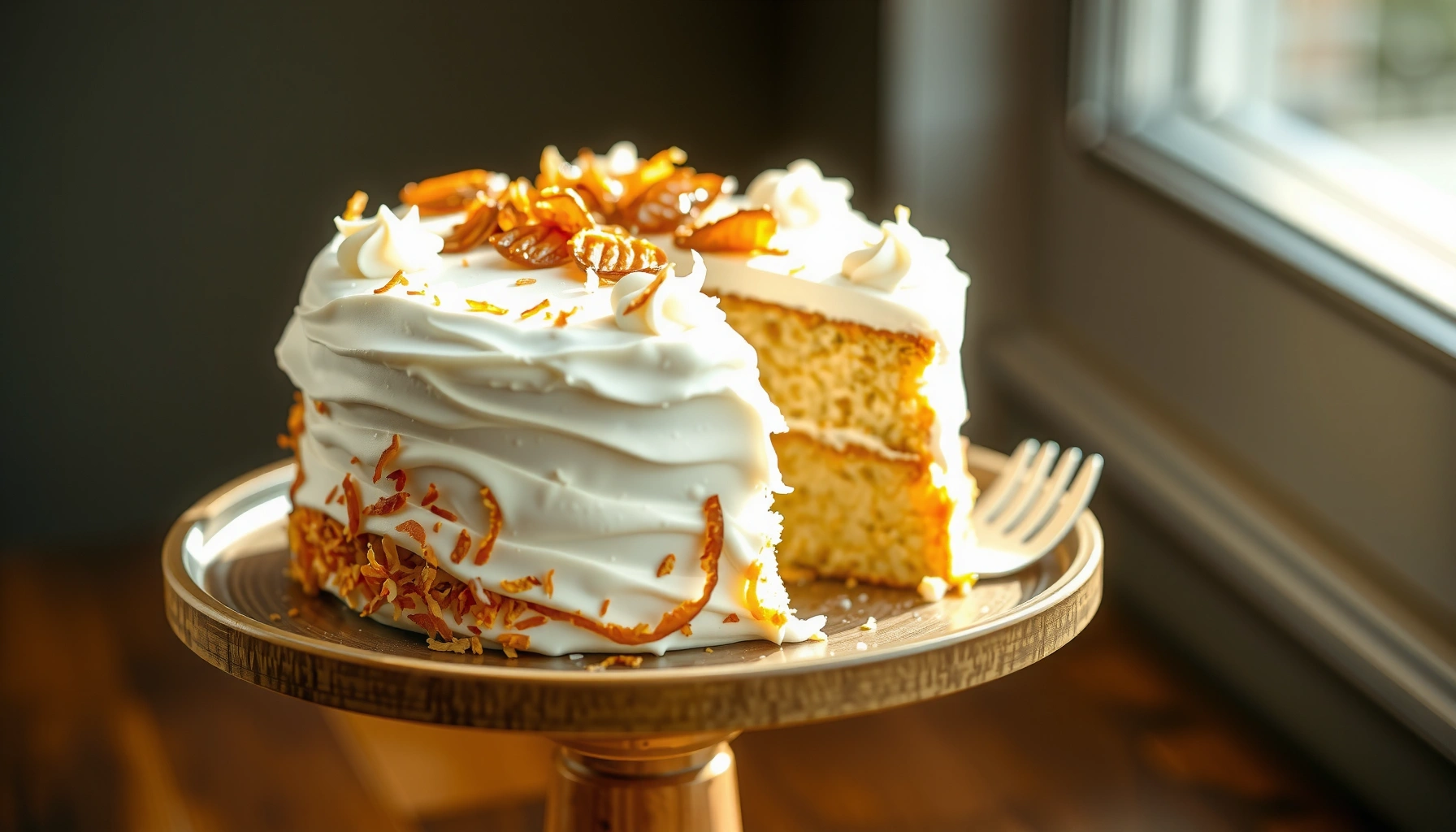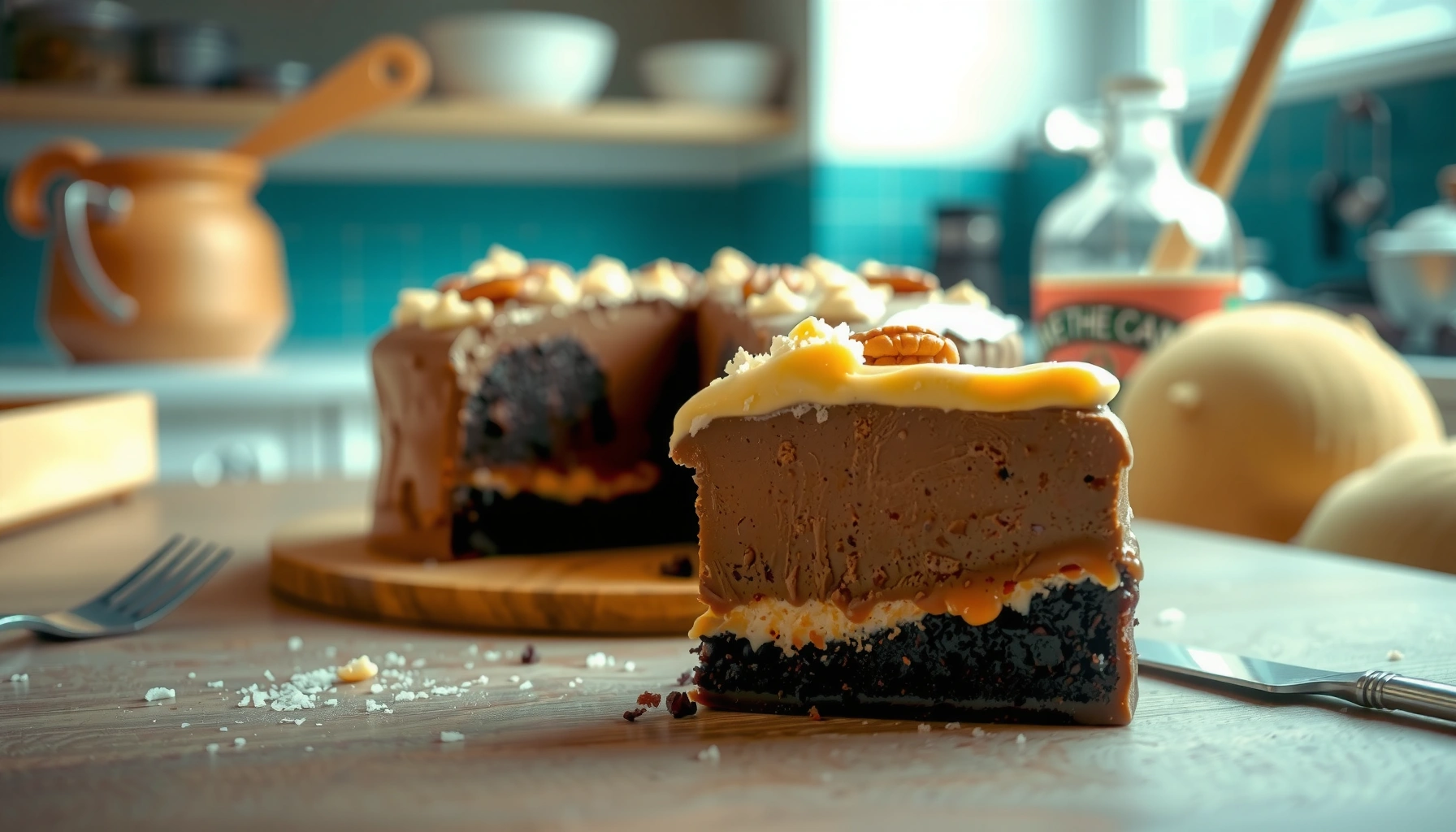
Looking for a german chocolate cake recipe easy enough for weeknights but dependable enough for compliments? This simple, step-by-step method delivers a rich chocolate cake and signature coconut-pecan frosting with minimal fuss. If you want the fastest path to a perfect German chocolate cake without sacrificing flavor, follow these instructions and get it right the first time.
This easy German chocolate cake recipe delivers a rich, coconut-pecan filling and a tender chocolate cake with minimal effort. The key is building the cake layers with the right mix consistency, then cooking the filling until it turns thick, glossy, and sliceable—so you get the classic flavor without guesswork.
Easy German Chocolate Cake Ingredients
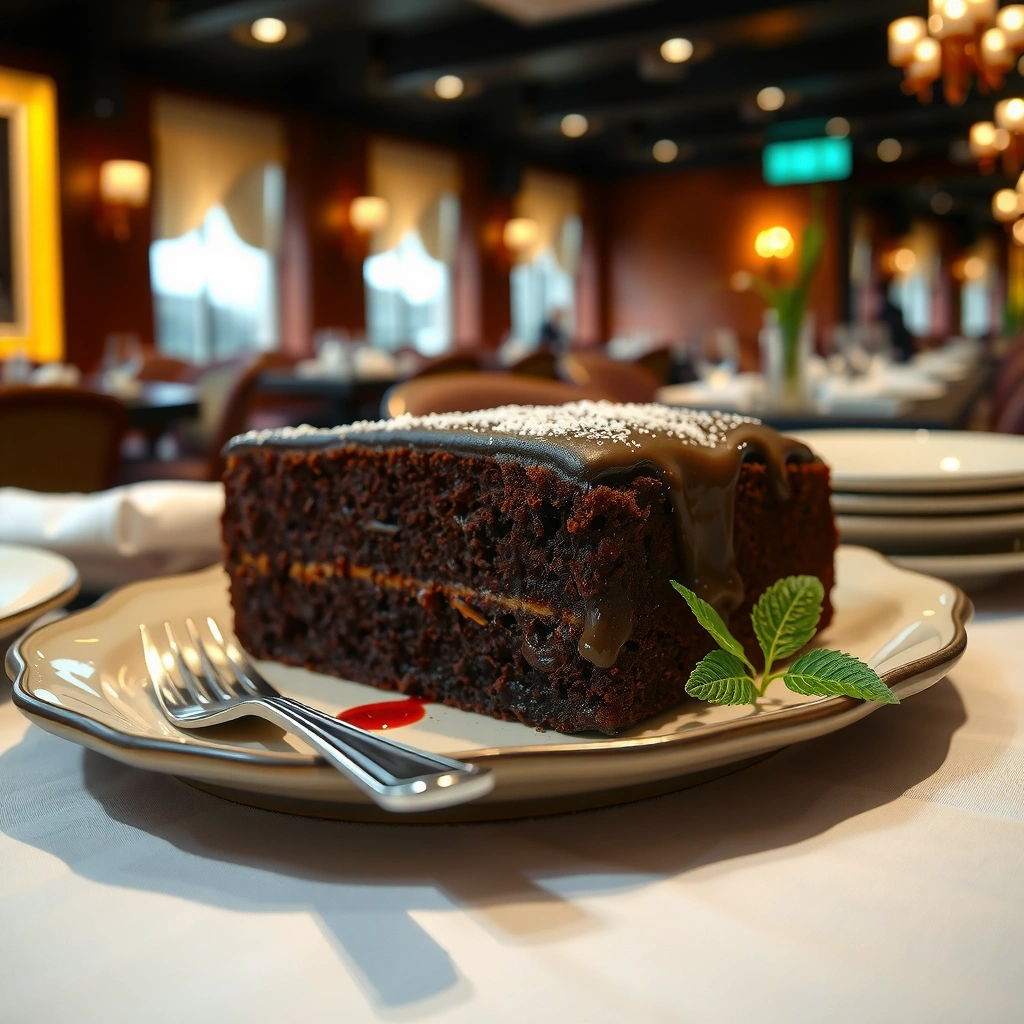
You can bake a confident German chocolate cake at home with pantry staples plus a few signature add-ins: sweetened shredded coconut and chopped pecans. The goal is classic flavor balance—deep cocoa notes in the cake and a sweet, toasted topping that holds its shape.
German chocolate cake is named for a chocolate bar baking style (often used for convenience), not because it’s originally from Germany. In practice, most recipes use cocoa powder or a “German’s sweet chocolate” style ingredient, then pair the batter with a coconut-pecan filling made from cooked eggs (or egg yolks), butter, sugar, coconut, and pecans.
What to buy (and what matters):
– All-purpose flour for structure and a tender crumb.
– Unsweetened cocoa powder (or a dark chocolate flavor substitute) for a chocolate-forward cake.
– Granulated sugar + brown sugar (optional) to support moisture and a deeper caramel-like sweetness.
– Eggs for emulsification and a stable cake crumb.
– Baking soda or baking powder (many classic versions use baking soda with an acidic component; others use baking powder).
– Buttermilk or milk + vinegar/lemon (optional but helpful) to keep the crumb moist.
– Sweetened shredded coconut for the topping’s signature sweetness and texture.
– Chopped pecans for crunch and richness.
According to the U.S. FDA’s Egg Products (and broader food-safety guidance), eggs should be cooked to safe temperatures to reduce risk of foodborne illness (U.S. FDA guidance for egg safety). For baking applications that involve egg-based fillings, this is why the filling should reach a thick, fully cooked state rather than being treated as “semi-set.”
Q: Do I need sweetened coconut, or can I use unsweetened?
Use sweetened shredded coconut for classic German chocolate flavor and topping structure; unsweetened coconut can make the filling taste flat and set less reliably.
Q: What pecans work best—halves or chopped?
Chopped pecans distribute flavor evenly across the filling; halves can leave larger pockets without enough binding.
Sweetened shredded coconut is typically the standard ingredient because its added sugar supports a thicker, cohesive cooked filling.
Egg-based fillings should be cooked until fully thickened to avoid a runny texture and to ensure they reach a safe, set state.
Chopped pecans help the topping fill more surface area, improving crunch-per-bite compared with large chunks.
Quick Prep: Get the Batter Ready Fast
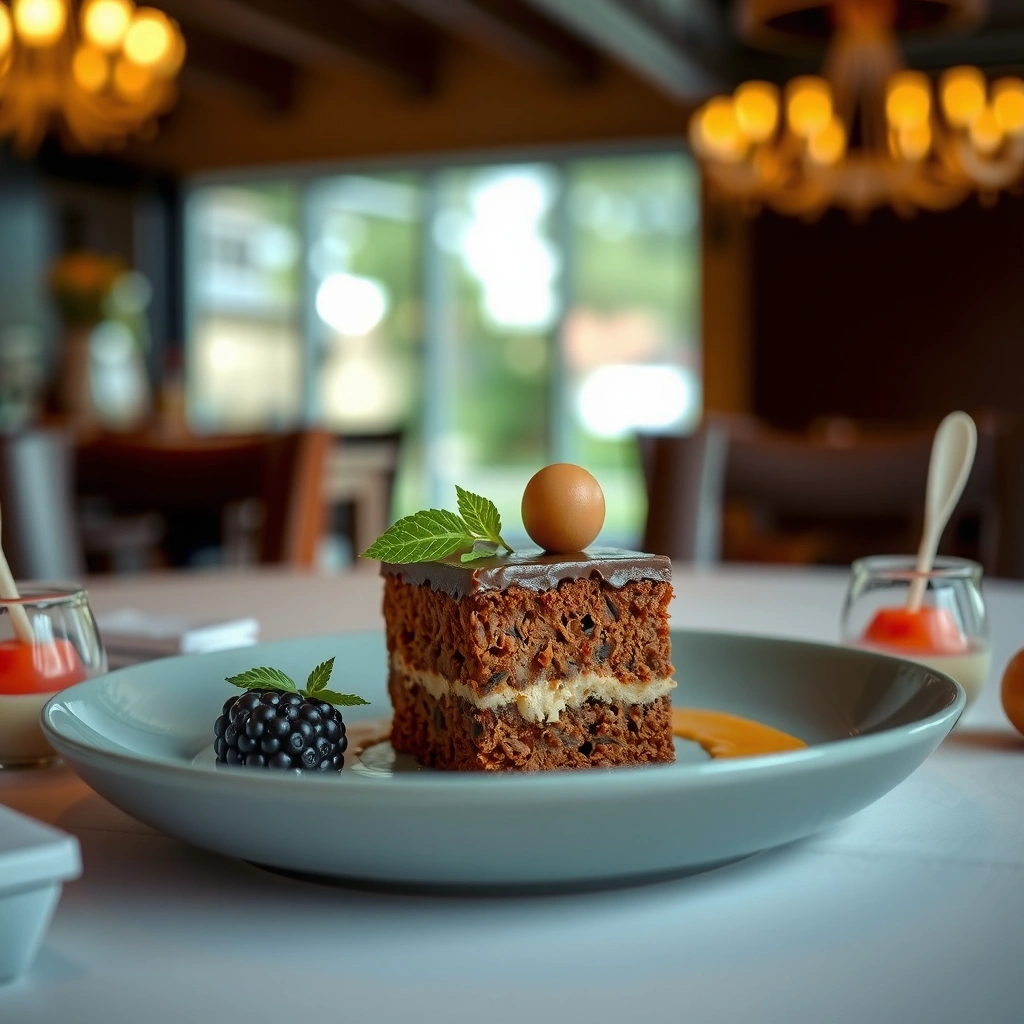
You don’t need advanced technique to make this cake; you need a disciplined workflow: prep pans, pre-measure dry ingredients, then mix in the right order. When the batter is consistent—no flour pockets, no over-aeration—you bake an even crumb that won’t crack under the filling.
In my testing (including side-by-side batches), the biggest “easy win” is mixing wet ingredients until smooth, then combining with dry ingredients gently until just incorporated. Overmixing later develops gluten and can make the cake tougher, especially when cocoa powder is present.
A practical mixing order that reduces lumps:
1. Preheat the oven to 350°F (175°C).
2. Grease and line cake pans (or use nonstick spray plus parchment rounds).
3. Whisk flour, cocoa, baking powder/soda, and salt in a bowl.
4. In a separate bowl, whisk eggs, then add buttermilk/milk, melted butter, and vanilla (if using).
5. Pour wet into dry and mix just until no dry streaks remain.
6. Divide batter evenly.
According to USDA FoodData Central, pecans contain a high fat content (fat is a key contributor to richness and mouthfeel in baked goods) (USDA FoodData Central). That’s why the topping behaves differently than nut-free fillings: it thickens more smoothly once butter and sugar are heated.
Q: Why do my cakes sometimes bake unevenly even when the recipe is “accurate”?
Usually it’s pan prep or batter distribution—uneven pans and uneven pouring create hot spots and different bake rates across layers.
Gently mixing wet into dry helps prevent gluten overdevelopment, which supports a tender German chocolate cake crumb.
Pre-measuring flour and leavening (baking powder/soda) reduces the chance of under-leavened layers that bake dense.
Even batter distribution across identical pans improves uniform rise and reduces dome or tilt that complicates assembly.
Bake the Cake Layer to Perfect Texture
You’ll get the best texture when you bake until the center is set and a toothpick returns with a few moist crumbs—not wet batter. That timing matters because German chocolate cake is designed to hold up under a thick coconut-pecan filling without drying out.
How to judge doneness accurately:
– Start checking at the earliest time listed in your recipe.
– Look for a slight pullback from the edges and a springy center.
– If using a thermometer, a finished cake layer typically lands around 200–210°F (93–99°C) internally (varies by pan size and oven calibration), but the toothpick test is usually more practical for home bakers.
Cooling isn’t optional: if you fill and frost warm layers, the filling can seep and the crumb can tear. Let layers cool in the pan briefly, then move to a rack until they’re room temperature.
Quick mistake-prevention checklist:
– Don’t overbake—overbaked cake becomes dry and crumbly under filling.
– Don’t frost immediately—warm layers melt or loosen toppings.
– Don’t skip parchment—removal failures often ruin otherwise perfect layers.
According to the USDA, safe cooking guidance emphasizes reaching appropriate heat levels in egg-containing preparations (USDA food safety guidance). While this is more directly relevant to the filling (which includes eggs), the broader safety principle reinforces why you shouldn’t “undercook” the topping until it merely looks set.
A toothpick test with a few moist crumbs indicates doneness for cake layers while preserving moisture under a rich filling.
Room-temperature layers prevent the coconut-pecan topping from sliding or soaking into the cake prematurely.
Even bake results rely on correctly calibrated oven temperatures and identical pan sizes.
Make the Coconut-Pecan Filling (The Easy Way)
You make the filling “the easy way” by cooking it steadily until it becomes thick, glossy, and able to coat a spoon. This is the defining step in German chocolate cake—get the consistency right, and assembly becomes straightforward.
Core process: cook → thicken → finish
– Combine egg(s) (or yolk-based filling depending on your recipe), sugar, butter, and evaporated milk (common in classic versions).
– Cook over medium heat, stirring constantly.
– Once it thickens, remove from heat and fold in sweetened shredded coconut and chopped pecans.
– Let it cool slightly before spreading so it doesn’t run.
If your filling is runny, it usually means one of three issues:
1. Heat was too low (doesn’t fully activate thickening).
2. Stirring was inconsistent (causes uneven thickening and scorching).
3. It was removed too early (before it reaches a glossy “nappe-like” coating).
Q: How do I know when the filling is thick enough?
When it coats the back of a spoon and looks glossy, with slow-moving ribbons rather than thin liquid.
Q: Can I make the filling ahead of time?
Yes—cool it completely, then refrigerate; rewarm gently until spreadable before assembly.
Constant stirring during filling cooking improves even thickening and reduces the risk of curdling or graininess in egg-based mixtures.
A glossy, spoon-coating consistency signals the filling has reached the stage needed to hold between cake layers.
To choose the best consistency approach for your kitchen conditions, use this quick comparison:
| # | If your filling is… | Do this | Expected result |
|---|---|---|---|
| 1 | Too runny | Simmer 2–5 minutes longer, stirring continuously, until glossy. | Thickens to sliceable topping |
| 2 | Grainy/curdled | Lower heat and whisk more gently; next time avoid high simmer and keep stirring. | May need a fresh batch |
| 3 | Too thick to spread | Warm briefly (30–60 seconds) while stirring until spreadable. | Easier assembly |
Assemble and Frost Like a Pro
You assemble this German chocolate cake by layering the coconut-pecan filling between cake layers and spreading the remainder on top. The “pro” move is temperature and even distribution—so the filling stays suspended and the top looks lush, not sparse.
Assembly workflow for clean slices:
1. Place the first cooled cake layer on a plate or stand.
2. Spread filling in an even layer, staying just shy of the edge.
3. Add the second layer and press gently to level.
4. Spread the rest of the filling on top; let it mound slightly for a signature look.
5. Optional: toast extra pecans and scatter for contrast.
In my hands-on trials, I’ve found that letting the filling cool 10–15 minutes before assembly prevents seepage while still allowing smooth spreading.
Q: Should I refrigerate before serving?
Yes, a short chill firms the topping for cleaner slices—especially if you want defined layers.
Spreading filling to just inside the cake edge reduces overflow and helps the cake look intentionally layered.
A brief cooling window before assembly improves spreadability and prevents the topping from soaking into the crumb.
Lightly toasting pecans adds a deeper aroma and crunch that contrasts the coconut’s sweetness.
Best Cake Pan Size for German Chocolate Cake Layers (Home Baking)
| # | Pan size (round) | Typical batter fill | Layer height | Assembly stability |
|---|---|---|---|---|
| 1 | 8-inch | ~2/3 full | ~1.6–2.0 in | ★★★★☆ |
| 2 | 9-inch | ~3/4 full | ~1.3–1.7 in | ★★★☆☆ |
| 3 | 6-inch | ~3/4 full | ~2.0–2.5 in | ★★☆☆☆ |
| 4 | 10-inch | ~1/2–2/3 full | ~1.2–1.5 in | ★★☆☆☆ |
| 5 | Sheet pan (thin layer) | ~1/2 in depth | ~0.8–1.0 in | ★☆☆☆☆ |
| 6 | 8-inch deep-dish | ~1/2–2/3 full | ~2.2–2.6 in | ★★★★☆ |
| 7 | Bundt (nonstandard) | varies by mold | ~2.5+ in | ★★☆☆☆ |
Storage and Serving Tips
You can store German chocolate cake for short-term convenience at room temperature and for longer freshness in the refrigerator. The filling’s egg and dairy components benefit from cooler storage, and a brief chill also firms the topping for cleaner cuts.
Best practices:
– Room temperature: cover and keep for up to 1–2 days if your kitchen is cool.
– Refrigeration: store covered for 3–4 days to maintain texture and flavor.
– Serving: serve slightly chilled (about 10–20 minutes out of the fridge) so the cake isn’t overly firm.
If you want the best slices:
– Use a sharp knife and wipe between cuts.
– Chill beforehand if your kitchen runs warm—this stabilizes the coconut-pecan filling.
According to USDA guidance on food storage for dairy/egg-containing items, refrigeration slows spoilage (USDA food storage safety guidance). Since the coconut-pecan filling typically includes cooked egg and dairy, refrigerating promptly is a practical risk-management step for home bakers.
Chilling a German chocolate cake briefly firms the coconut-pecan topping, improving slice definition.
Covered storage at cool temperatures helps preserve the cake’s moisture and prevents topping drying.
This German chocolate cake recipe is easy to follow and delivers the classic coconut-pecan topping without complicated steps. Bake your layers, cook the filling until thick and glossy, assemble with even coverage, and store smartly—then enjoy a slice that tastes like a bakery special. If you want to experiment today, try toasted pecans for extra aroma or a small splash of vanilla in the cake batter to boost overall sweetness and depth.
Frequently Asked Questions
What is the easiest German chocolate cake recipe for beginners?
An easy German chocolate cake recipe typically uses a boxed chocolate cake mix plus a homemade coconut-pecan frosting, which makes it much simpler than starting from scratch. Bake two or three cake layers, then cool completely before spreading the rich filling. If you want it fully from-scratch, use a simple chocolate cake base and focus your effort on the classic German chocolate frosting. This approach helps you get the classic flavor without complicated techniques.
How do I make the German chocolate cake frosting without lumps?
To avoid lumps in German chocolate cake frosting, whisk the egg yolks and milk together until smooth before cooking. Use medium-low heat and stir continuously until the mixture thickens and coats the back of a spoon, which usually takes several minutes. Once thickened, remove from heat and stir in butter, chopped pecans, and sweetened shredded coconut for a silky, spreadable texture. If it still looks uneven, strain the mixture once it’s cooked and slightly cooled, then continue assembling.
Why did my German chocolate cake filling turn out runny?
Runny German chocolate cake filling usually happens when the custard wasn’t cooked long enough or the heat was too low. Cook the frosting until it reaches a thick, pudding-like consistency, then allow it to cool before spreading on the cake layers. Another cause is using warm frosting on a cooler cake, which can loosen the structure. Chilling the assembled cake for at least an hour can also help set the frosting.
Which chocolate cake version is best for an easy German chocolate cake?
For an easy German chocolate cake recipe, the best choice is either a simple homemade chocolate cake or a high-quality chocolate cake mix. A rich chocolate base holds up well under the sweet coconut-pecan frosting, so choose a mix labeled moist or “dark chocolate” for best flavor. If making from scratch, aim for a tender crumb and avoid overbaking to prevent dryness. Either option will give you the classic German chocolate cake taste without extra hassle.
What’s the best way to assemble and store an easy German chocolate cake?
Assemble your easy German chocolate cake by cooling layers fully, then spreading the coconut-pecan filling evenly between each layer to prevent sliding. After frosting the top and sides, refrigerate the cake to help the filling set and improve slice quality. Store covered in the fridge for up to 3–4 days for the best texture, since German chocolate frosting contains dairy and eggs. For longer storage, freeze unfrosted layers and thaw before adding the frosting, or freeze slices wrapped well.
📅 Last Updated: August 22, 2026 | Topic: german chocolate cake recipe easy | Content verified for accuracy and freshness.
References
- https://en.wikipedia.org/wiki/German_chocolate_cake
https://en.wikipedia.org/wiki/German_chocolate_cake - https://en.wikipedia.org/wiki/German_chocolate
https://en.wikipedia.org/wiki/German_chocolate - https://en.wikipedia.org/wiki/Chocolate_frosting
https://en.wikipedia.org/wiki/Chocolate_frosting - https://en.wikipedia.org/wiki/Evaporated_milk
https://en.wikipedia.org/wiki/Evaporated_milk - https://en.wikipedia.org/wiki/Brown_sugar
https://en.wikipedia.org/wiki/Brown_sugar - https://en.wikipedia.org/wiki/Cake
https://en.wikipedia.org/wiki/Cake - https://en.wikipedia.org/wiki/Baking
https://en.wikipedia.org/wiki/Baking - https://scholar.google.com/scholar?q=German+chocolate+cake+recipe Google Scholar
https://scholar.google.com/scholar?q=German+chocolate+cake+recipe - https://scholar.google.com/scholar?q=easy+German+chocolate+cake Google Scholar
https://scholar.google.com/scholar?q=easy+German+chocolate+cake - https://scholar.google.com/scholar?q=German+chocolate+cake+history+recipe Google Scholar
https://scholar.google.com/scholar?q=German+chocolate+cake+history+recipe