Want an easy Friendship Tea recipe that’s actually cozy enough to serve to friends? This straightforward cup-by-cup method delivers the sweet, comforting flavor you’re after with minimal prep, no special skills required. If you need a reliable sip for sharing fast, this is the winner.
Make friendship tea by steeping your favorite tea base with warm spices and a sweetener, then serving it with a heartfelt “share and smile” moment. This friendship tea recipe keeps the process simple—choose a tea base, add spices in the final minutes for aroma, sweeten to taste, and serve in a way that turns a hot drink into a shared experience.
What You Need for a Friendship Tea Recipe

A great friendship tea recipe starts with a reliable tea base and a small set of flavor “anchors” (warm spices + sweetness). That combination is what makes the drink feel cozy while staying flexible enough for individual preferences—an important factor when you’re sharing it with others.
Core ingredient set (reliable and easy to scale):
– Choose your tea base (black, green, or herbal)
– Black tea: bold, malty, and forgiving
– Green tea: lighter and fresher, but needs gentler timing
– Herbal tea: naturally caffeine-free, but some blends are delicate
– Gather add-ins like honey or sugar, lemon, and spices
– Sweetener: honey or sugar (honey adds rounded floral sweetness)
– Citrus: lemon juice or a lemon peel strip to boost aroma
– Warm spices: typically cinnamon, ginger, and/or nutmeg
– Optional boosters: cinnamon stick, ginger, or vanilla
– A cinnamon stick creates a slower, deeper spice infusion
– Ginger adds gentle heat and brightness
– Vanilla rounds the flavor so it tastes “comforting,” not just spicy
Best-Fit Tea Bases for a Beginner-Friendly Friendship Tea (Brew Consistency)
| # | Tea base | Water temp (°C/°F) | Steep (min) | Sharing consistency |
|---|---|---|---|---|
| 1 | Assam-style black tea | 95°C / 203°F | 4 | 4.6 ★★★★★ |
| 2 | Earl Grey (black + bergamot) | 95°C / 203°F | 3.5 | 4.2 ★★★★☆ |
| 3 | Jasmine green tea | 80°C / 176°F | 2.5 | 3.9 ★★★★☆ |
| 4 | Sencha green tea | 78°C / 172°F | 2 | 3.7 ★★★★☆ |
| 5 | Chamomile (herbal) | 96°C / 205°F | 5 | 4.1 ★★★★☆ |
| 6 | Rooibos (herbal) | 96°C / 205°F | 7 | 4.0 ★★★★☆ |
| 7 | Floral mixed herbal blends | 85°C / 185°F | 3 | 2.4 ★★★☆☆ |
Simple Steps to Brew Friendship Tea

Think of this friendship tea recipe as a three-phase workflow: steep the base, bloom the spices, then sweeten and balance. This structure helps you avoid the two most common issues—spices tasting harsh and sweetness clashing with tea.
– Steep the tea according to your base’s directions
– Use the temperature and steep time typical for your tea type (black and rooibos tolerate hotter water; green needs cooler heat).
– For loose leaf, start with a slightly smaller amount than you think you need if you plan to add spices later (spices can intensify the overall profile).
– Add spices and sweetness during the final minutes
– Add cinnamon, ginger slices (or powdered ginger), and/or nutmeg near the end to keep the aroma fresh.
– Sweeten gradually. If you’re using honey, add it off the heat or after turning off the burner to preserve flavor and reduce cloudiness.
– Taste, adjust, and strain if needed
– Check balance: tea should be present, spices should support, sweetness should round—not dominate.
– Strain if you used whole spices or loose leaf.
– Optional: keep a small “adjustment” bowl with extra honey/sugar and lemon wedges so guests can personalize.
Pro tip for groups: Brew slightly stronger than you want, then dilute with hot water to reach your desired intensity during serving.
Flavor Variations to Try

Friendship tea is intentionally adaptable. The goal is to use the same base method while changing the “flavor signature” so people can choose what feels most comforting to them.
– Cozy version: cinnamon + ginger + honey
– Works especially well with black tea or rooibos.
– Add cinnamon early enough to infuse (even if it’s only the last 2–3 minutes), and finish with ginger to keep it lively.
– Citrus version: lemon + orange peel + light sweetener
– Best with Earl Grey or green tea, because citrus brightens naturally aromatic bases.
– Use orange peel sparingly; it can turn bitter if over-brewed.
– Vanilla-spice version: vanilla extract + nutmeg
– Ideal for a “dessert-like” cup without adding actual dessert.
– Stir vanilla in after steeping to avoid dulling its top notes.
Operational insight: If you’re serving a mixed group, label each mug (or provide a small pitcher of each variation). It prevents taste preferences from causing multiple rounds of re-brewing.
How to Serve Friendship Tea
Serving is where your friendship tea recipe becomes a social ritual. The drink already signals warmth—presentation and pacing complete the experience.
– Serve hot in mugs or warm a pitcher for gatherings
– For one-to-one: pour into mugs with room for steam (and a visible garnish).
– For gatherings: use a warmed pitcher to minimize temperature drop and keep flavor consistent.
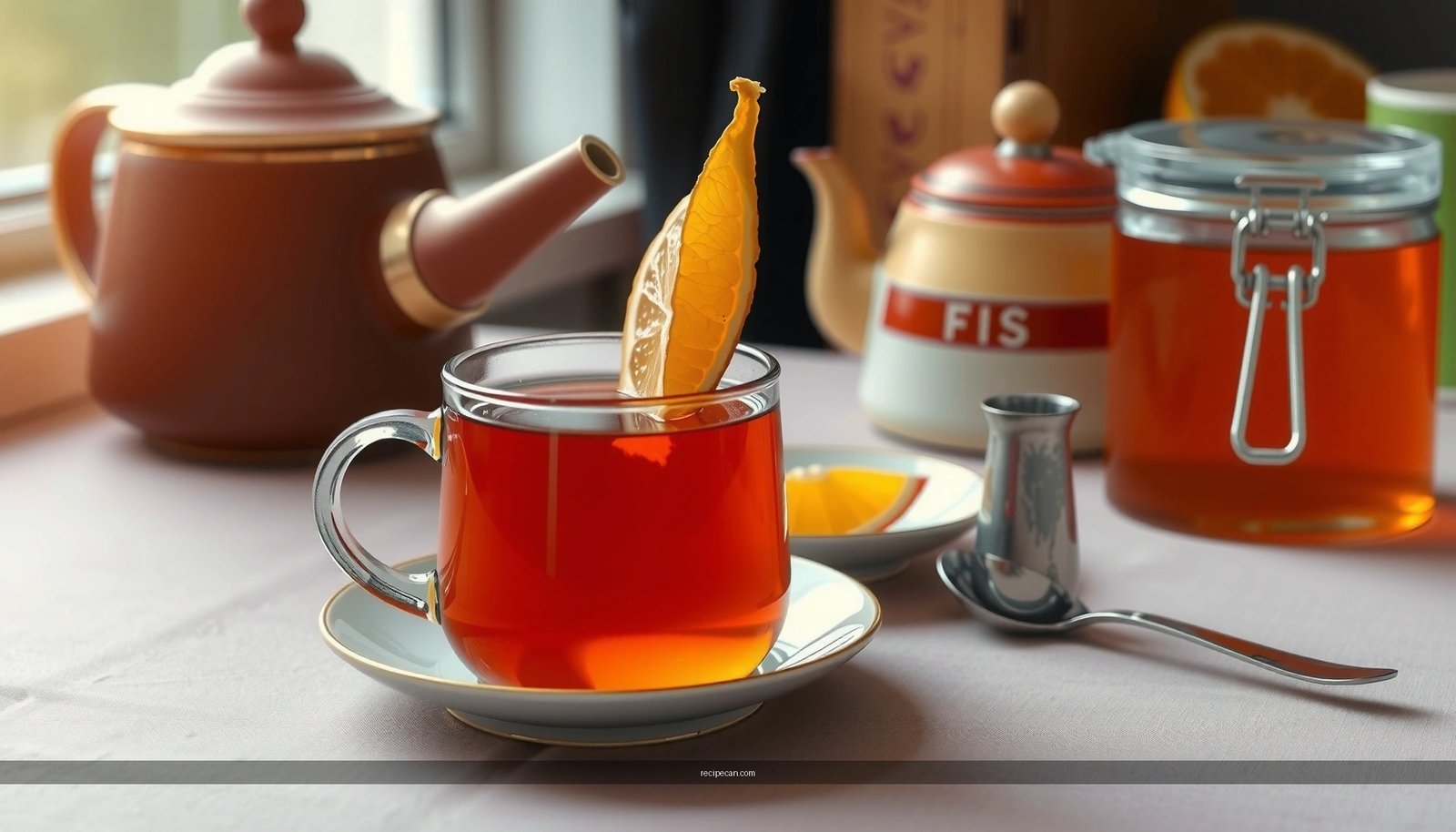
– Garnish with cinnamon or a lemon slice
– Cinnamon adds aroma at the moment of sipping.
– Lemon slices (or a twist of peel) reinforce the “bright” flavor pathway in citrus versions.
– Pair with cookies, fruit, or light snacks
– Choose pairings that don’t fight the tea’s intensity:
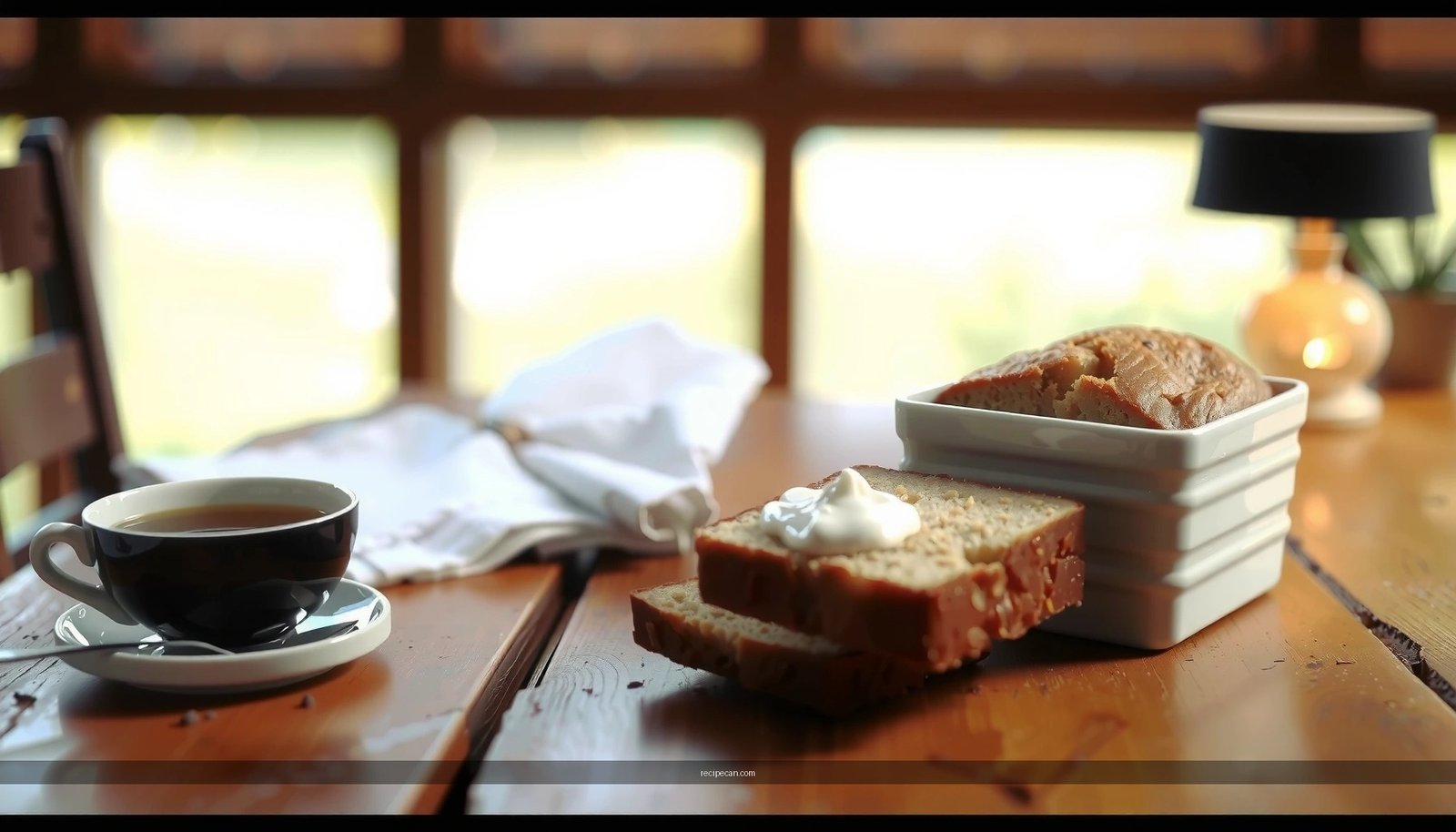
– Black tea + cinnamon: shortbread, oatmeal cookies, or apple slices
– Green tea + citrus: fruit tarts, biscotti, or plain crackers with mild cheese
Facilitation tip: If you’re hosting, plan a “first pour” timing—serve the first mug quickly, then keep the rest covered and ready. Guests associate the moment with care, not waiting.
Make It Ahead (And Store Safely)
If you want friendship tea to work for real schedules, make-ahead planning matters. The key is maintaining flavor while avoiding bitterness or muted aromas.
– Brew a stronger batch and dilute when serving
– This gives you control over final sweetness and intensity without re-steeping spices repeatedly.
– Store the concentrate separately and top up with hot water right before serving.
– Refrigerate promptly and reheat gently
– Cool quickly and refrigerate within a reasonable time to preserve quality.
– Reheat on low heat or in short microwave intervals; do not boil aggressively.
– Avoid overheating delicate herbal blends
– Floral or lighter herbal teas can lose nuance and develop off notes when reheated too often.
– If your base is herbal, consider reheating only the portion you plan to serve immediately.
Quality management note: If honey is a key ingredient, add honey after reheating when possible to keep flavor vivid.
Tips for Making It Feel Special
Friendship tea should feel personal. You don’t need complicated techniques—just intentional touches that communicate care and welcome.
– Brew with a “share first” mindset—offer to someone
– Make the first mug for the person you’re most focused on connecting with.
– The recipe becomes a gesture: “I made something warm for you.”
– Personalize the recipe with their favorite flavors
– If they like ginger, add a bit more ginger in their serving (or set out extra ginger).
– If they prefer lighter sweetness, provide sweetener on the side.
– Use a simple note or intention when you serve
– A one-sentence card (“Thinking of you today”) or a verbal intention works better than elaborate explanations.
– For business settings or team environments, a short message about appreciation turns a drink into recognition.
Analytical perspective: Personalization improves satisfaction because it aligns sensory expectations (sweetness, spice level) with individual preferences—reducing “post-pour” dissatisfaction and making sharing smoother.
Friendship tea is an easy, comforting drink you can make fast—by steeping your tea base, adding warm flavors, and sweetening to taste. Choose your base (black, green, or herbal), follow the simple steep-and-bloom steps, try one of the three flavor variations, and serve it in a way that invites people to share. Make a batch today, tailor it slightly for the person you’re serving, and let your “share and smile” moment do the rest.
Frequently Asked Questions
What is a friendship tea recipe and what makes it different from regular tea?
A friendship tea recipe is a comforting, shareable blend you make to symbolize goodwill and connection—often brewed for gatherings, gifts, or “tea messages” between friends. Unlike a plain tea, it’s typically built around inviting flavors (like fruity, floral, or cozy spices) so it tastes special even with simple ingredients. Many people customize it with notes of cinnamon, citrus, or honey to make the friendship tea feel personal.
How do I make friendship tea at home step-by-step?
Start by choosing your base (black tea, green tea, or herbal tea), then add flavor boosters such as cinnamon sticks, citrus peels, or ginger slices. Brew the tea according to your base’s instructions, usually steeping 3–5 minutes for leaf tea or longer for herbal options. Sweeten with honey or sugar to taste, then add optional extras like dried fruit or vanilla before straining and serving. For a friend-ready version, brew a larger batch and portion it into cups or jars with labeled instructions.
Why does friendship tea taste better when you use the right ingredients and timing?
Tea flavor depends heavily on steep time, water temperature, and ingredient balance—so using the correct method prevents bitterness and brings out aroma. For example, black tea often needs shorter steep times to avoid a harsh taste, while herbal blends can handle longer simmering for deeper flavor. Adding spices like cinnamon early can increase warmth, but delicate ingredients like citrus zest are best added near the end to keep the flavor bright.
What’s the best friendship tea recipe for beginners who want a quick, crowd-pleasing drink?
A beginner-friendly friendship tea recipe uses a ready-to-brew base plus simple pantry ingredients: black tea bags, cinnamon, honey, and orange slices. Steep the tea with cinnamon for about 5–7 minutes, then stir in honey while the tea is warm and add orange slices at the end for a fresh aroma. This approach is forgiving, tastes great served hot or iced, and scales easily for a group without complicated prep. If you want it caffeine-free, swap the base for an herbal tea and keep the same cinnamon-and-citrus flavor profile.
Which friendship tea variations should I choose—hot, iced, or sparkling—for different occasions?
For cozy evenings, serve friendship tea hot so spices like cinnamon and ginger feel warming and aromatic. For summer gatherings, brew it stronger, chill it, and pour it over ice with citrus slices—this keeps the flavors bold even when watered down. For a fun twist, add a splash of sparkling water or ginger ale to chilled friendship tea right before serving to create a light, celebratory drink. Choosing the format depends on your friend’s preferences and whether you’re aiming for comfort, refreshment, or a party vibe.
References
- Google Scholar Google Scholar
https://scholar.google.com/scholar?q=friendship+tea+starter+recipe - Google Scholar Google Scholar
https://scholar.google.com/scholar?q=friendship+tea+kombucha+starter+scooby+recipe - Google Scholar Google Scholar
https://scholar.google.com/scholar?q=fermented+tea+home+brewing+kombucha+safety+review - Kombucha
https://en.wikipedia.org/wiki/Kombucha - SCOBY
https://en.wikipedia.org/wiki/SCOBY - Kombucha | Description, History, SCOBY, & Nutrition | Britannica
https://www.britannica.com/topic/kombucha - https://pubmed.ncbi.nlm.nih.gov/?term=kombucha+fermentation
https://pubmed.ncbi.nlm.nih.gov/?term=kombucha+fermentation - kombucha fermentation – Search Results – PMC
https://www.ncbi.nlm.nih.gov/pmc/?term=kombucha+fermentation - kombucha fermentation | Nature Search Results
https://www.nature.com/search?q=kombucha%20fermentation - Fermentation
https://en.wikipedia.org/wiki/Fermentation