Get the French toast with flour recipe that delivers the crispy, golden slices you want—without guesswork. This easy method uses flour in the batter to help it crisp up fast, so every bite lands with a light crunch on the outside and custardy softness inside. If you’re trying to figure out how to make French toast with flour that actually turns out delicious, this is the one.
French toast with flour is easy to nail: whisk flour into the batter, dip thick-cut bread briefly, and cook on steady medium heat until deeply golden. In this recipe, you’ll learn the batter consistency that produces a crisp exterior, the best bread choices for classic browned edges, and practical timing and heat controls to get great results every batch.
Ingredients for French Toast with Flour
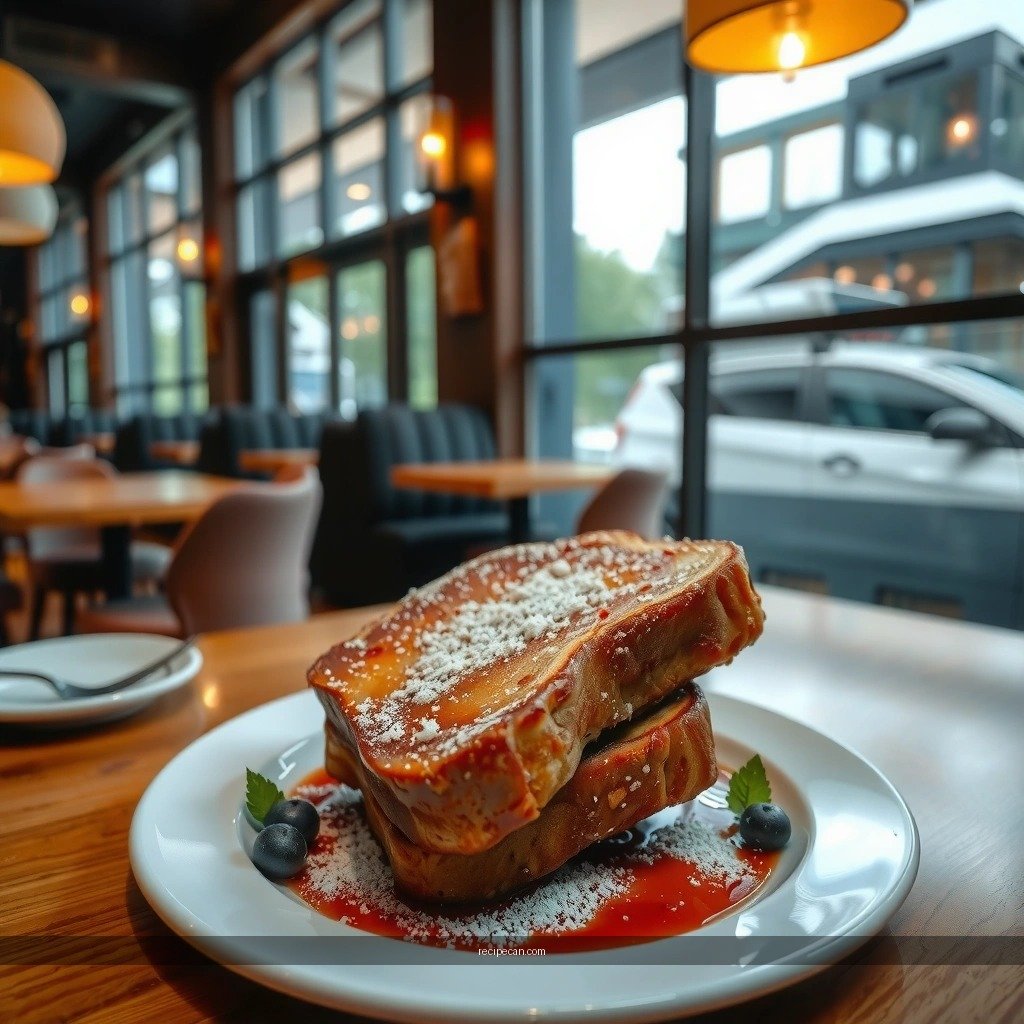
To make flour-based French toast (as opposed to a batter that relies only on egg and milk), you’ll use flour to add structure—helping the coating set quickly so it doesn’t turn gummy or soggy.
– Flour-based batter essentials: flour, eggs, milk, and vanilla (optional)
– Flavor boosters: cinnamon and a pinch of salt
– Cooking needs: butter or oil for a crisp exterior
Practical ingredient guidance (so your batter performs):
– Flour: Use all-purpose flour for reliable thickening. It gives you the “fries-and-syrup” style crust—slightly sturdy, lightly crisp, and capable of holding flavor.
– Eggs: They provide emulsification and custardy richness. Without enough egg, flour can taste chalky or feel undercooked.
– Milk: Whole milk (or 2%) yields a creamier batter and better browning than low-fat milk. For a lighter texture, skim can work, but you may need slightly more patience and heat control.
– Vanilla (optional): Adds bakery-style aroma. Keep it optional if you’re using strong toppings like maple syrup and berries.
– Cinnamon + salt: Cinnamon rounds off sweetness; salt prevents the batter from tasting flat, especially once syrup hits.
—
French Toast Coating Targets: Crispness vs. Soak Time
| # | Goal Texture | Ideal Batter Thickness | Dip Time (Thick Bread) | Expected Crisp Rating | Outcome Likelihood |
|---|---|---|---|---|---|
| 1 | Crispy & golden edges | Coats a spoon; flows slowly | 6–10 seconds/side | ★★★★☆ | High |
| 2 | Balanced custard inside | Still pourable; not runny | 8–12 seconds/side | ★★★☆☆ | Medium-High |
| 3 | Softer, syrup-ready slice | Slightly thinner; wraps loosely | 10–14 seconds/side | ★★☆☆☆ | Medium |
| 4 | French toast that stays crisp longest | Thicker; clings to bread | 5–8 seconds/side | ★★★★★ | High |
| 5 | Dry or under-coated risk | Too thick; batter won’t coat evenly | 1–4 seconds/side | ★☆☆☆☆ | Lower |
| 6 | Gummy center risk | Too thick + undercooked | 8–12 seconds/side | ★☆☆☆☆ | Lower |
| 7 | Soggy risk | Too thin; soaks rapidly | 15+ seconds/side | ☆☆☆☆☆ | Lower |
How to Make the Flour Batter
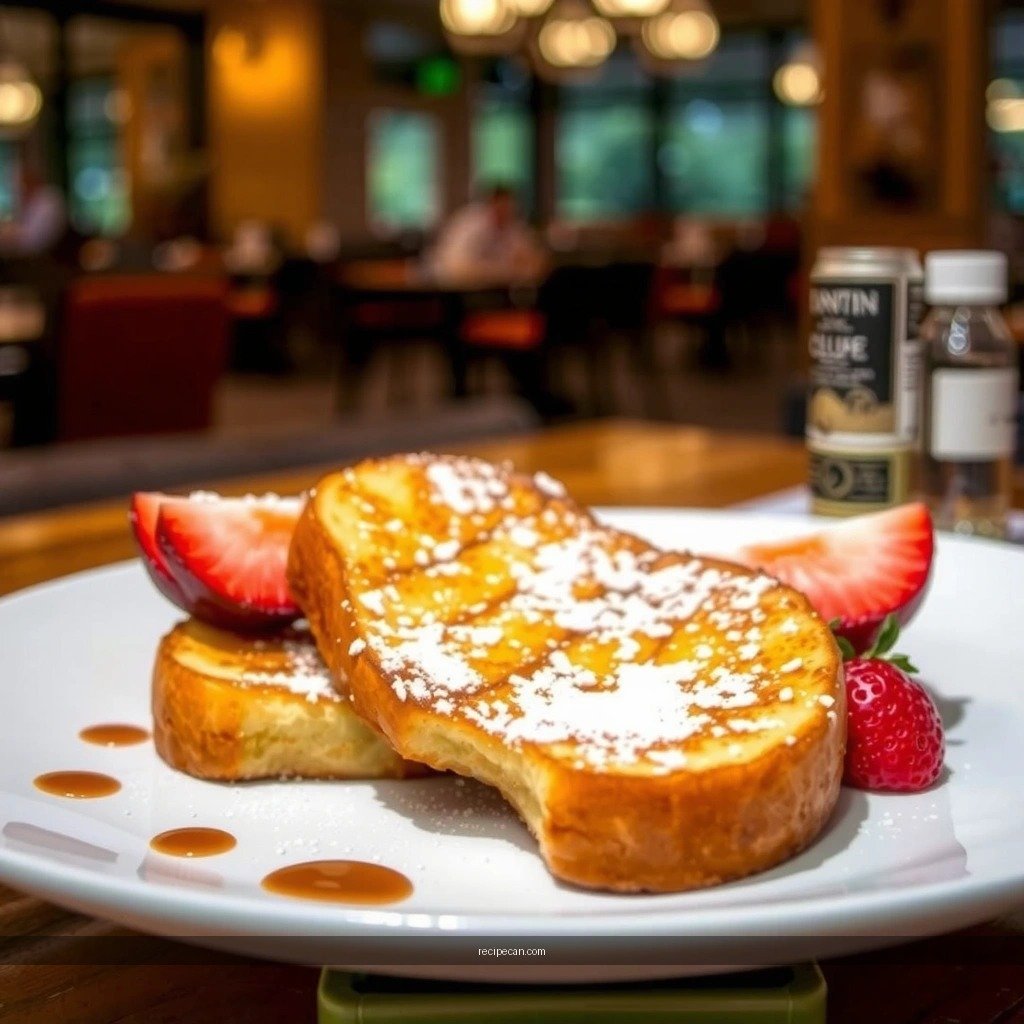
The batter is where flour French toast earns its reputation: flour thickens the coating so it sets quickly and forms a browned crust. The key is achieving a smooth, spoon-coating texture and letting it rest so the flour fully hydrates.
– Whisk flour with eggs and milk until smooth (no lumps)
– Adjust thickness by adding a splash more milk or a small bit more flour
– Let the batter rest briefly for better soaking
Step-by-step method (with quality checks)
1. Whisk dry and wet components together
In a mixing bowl, combine flour, eggs, milk, salt, and cinnamon. Whisk until uniform—no visible flour streaks. If you see lumps, pause and whisk more firmly; lumps can produce dry spots on the toast.
2. Check thickness like a pro
Dip the back of a spoon into the batter. You want it to coat the spoon and flow off slowly, leaving a light film.
– Too thick (clumpy, sluggish to spread): add milk a teaspoon at a time.
– Too thin (runs like water): add flour a teaspoon at a time.
3. Rest the batter briefly (5–10 minutes)
This short rest hydrates the flour so it behaves predictably on the pan. It also helps the batter cling to the bread instead of sliding off.
Why the rest matters (analytical perspective)
Flour needs time to absorb moisture. Without resting, the coating can set unevenly—browned outside while still starchy inside. A brief rest stabilizes viscosity, which improves crust formation when the batter hits the hot surface.
—
Best Bread to Use (and How to Dip)
Bread choice determines whether your easy flour French toast turns out tender, custardy, and crisp at the same time. Thin bread tends to over-soak and collapse; thick slices give you texture contrast.
– Use thick-cut bread for a tender center and crisp edges
– Dip bread quickly, so it absorbs without turning soggy
– Let excess batter drip before placing on the pan
Bread recommendations (what to look for)
Choose bread that is sturdy and absorbent without being fragile:
– Brioche or challah: Naturally rich; browns fast and tastes “bakery.”
– Texas toast or thick sandwich bread: Reliable for crisp edges and easy flipping.
– Sourdough (slightly stale): Adds a tangy edge and maintains structure; excellent for savory variations.
The dip technique (timing is the lever)
For thick-cut slices:
– Dip each side briefly, typically 6–10 seconds per side.
– Lift and let it drip for a few seconds so pooled batter doesn’t flood the pan.
Why “quick dip” works with flour batter:
Flour-coated batter firms up quickly on the skillet. If bread soaks too long, waterlogged crumb expands, and the coating can slide or become gummy instead of crisp.
—
Cooking Tips for Crispy Golden French Toast
Crispness comes from a controlled heat profile and disciplined flipping. Too hot burns the outside before the center sets; too cool results in pale, soft toast.
– Cook on medium heat to avoid burning while fully warming the center
– Use butter for flavor and browning, flipping once for even crispness
– Keep batches warm in the oven while you finish cooking
Practical pan settings and timing
– Preheat your skillet over medium heat until butter sizzles gently (not aggressively).
– Cook 2–4 minutes per side, depending on thickness and your stove.
– Flip once when the first side is deep golden and the coating looks set—over-flipping can tear the crust.
Butter vs. oil (and why it matters)
– Butter: Better flavor and classic browned edges. It can burn if heat runs high—use medium heat.
– Oil (plus butter): If your kitchen runs hot, a small amount of neutral oil helps butter brown evenly without scorching.
Keeping batches warm without losing crispness
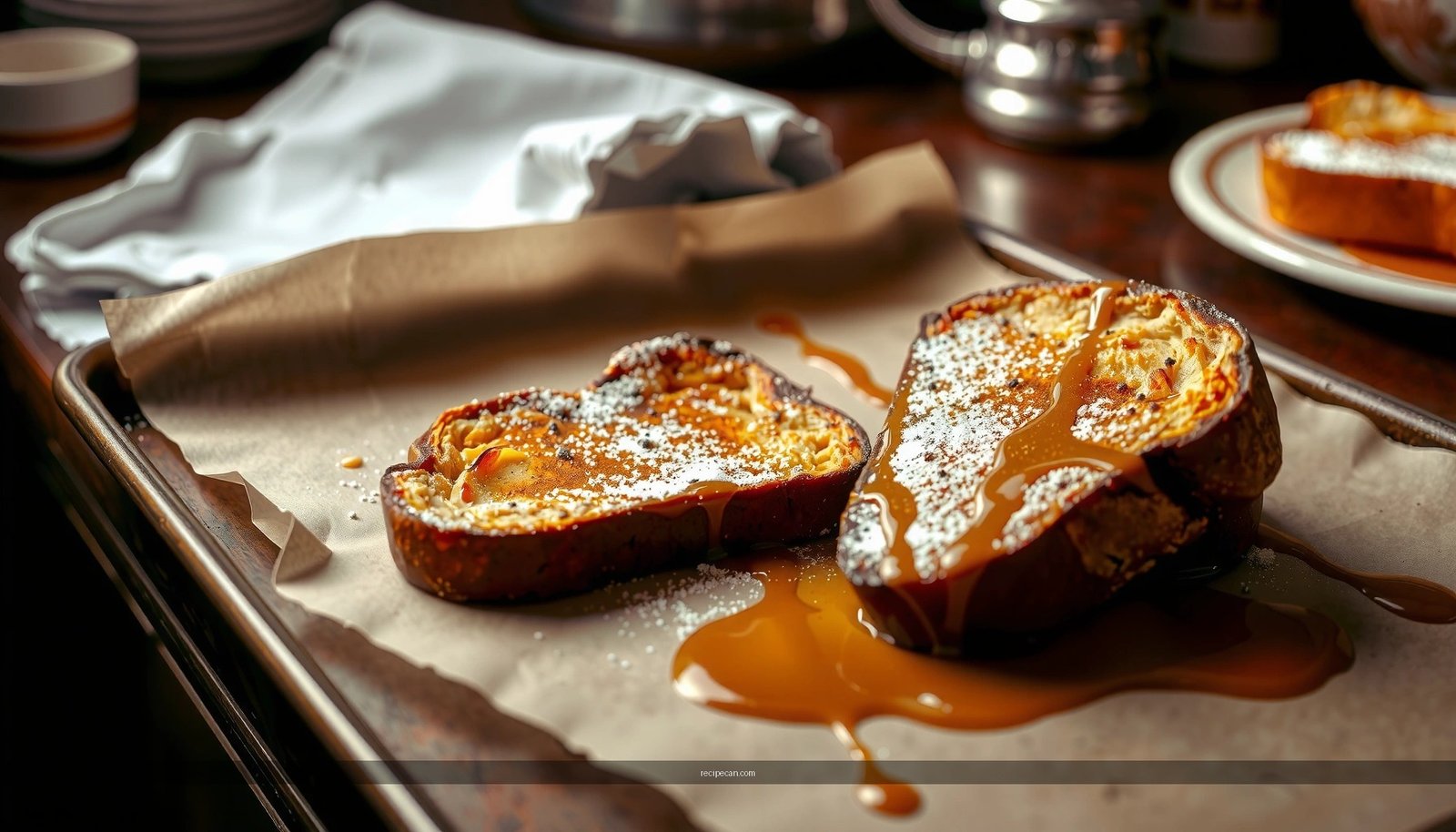
Use a warm oven (about 200°F / 95°C) on a sheet pan. Avoid covering tightly with foil for long periods; crispness is best when moisture can vent. If holding longer, place toast on a rack to prevent steam-softening.
—
Serving Ideas and Toppings
Once you nail the crisp-golden finish, toppings become the differentiator. The flour crust pairs especially well with flavors that cut through richness: acid (berries), sweetness (maple), or creamy contrast (yogurt).
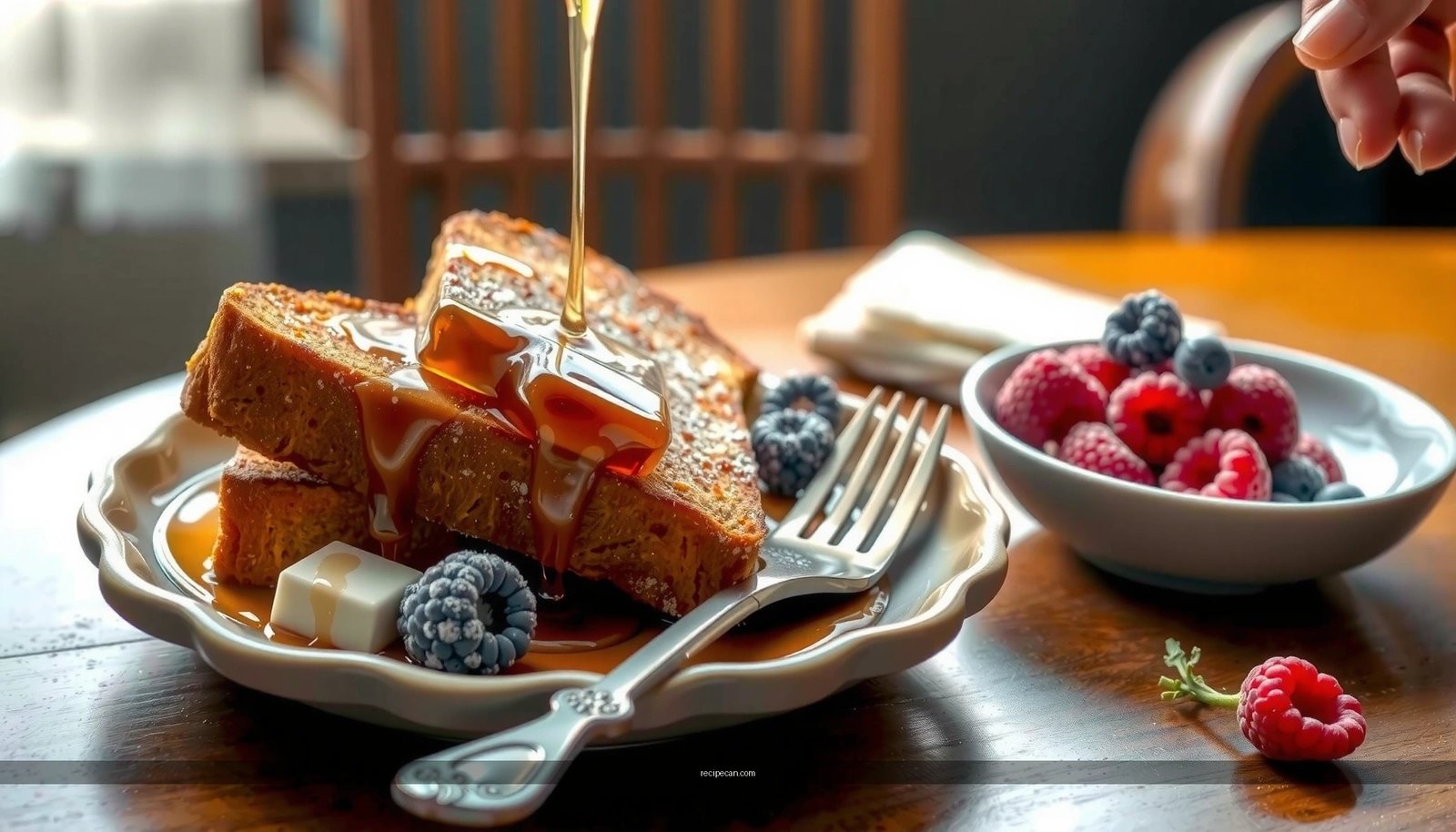
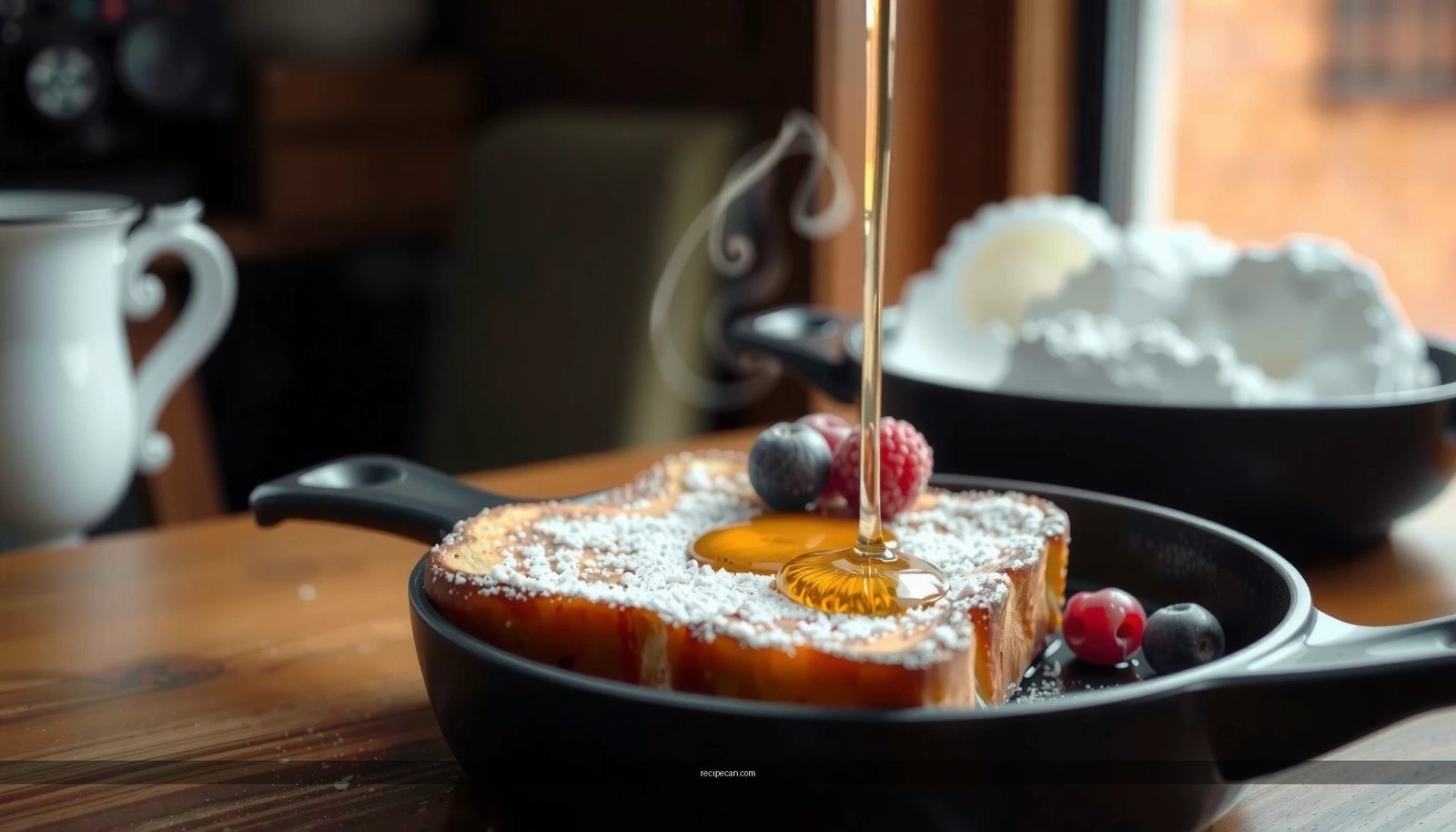
– Classic toppings: maple syrup, powdered sugar, and fresh berries
– Creamy options: whipped cream or yogurt
– Savory twist: a little butter and a sprinkle of cinnamon sugar
High-impact topping pairings
– Maple syrup + berries: Sweet + tart balance; berries also add moisture contrast to the crisp crust.
– Powdered sugar + cinnamon: Simple, crowd-friendly, and restaurant-style.
– Greek yogurt + honey: Adds tang and thickness without soaking the toast.
– Savory cinnamon butter: Mix softened butter with cinnamon sugar, spread lightly, and serve with a pinch of salt.
Pro tip for business-style consistency:
Offer a “topping bar” with small bowls. It reduces waste, improves throughput during serving, and lets each guest control sweetness and texture.
—
Troubleshooting Common Issues
Even with the right flour-to-batter ratio, cooking variables can shift results. Here are targeted fixes that map directly to the most common failure points for flour-based French toast.
– Soggy french toast: dip for less time and cook on slightly higher heat
– Too dry or dense: add a bit more milk and ensure bread is thick enough
– Uneven browning: use a consistent pan temperature and don’t overcrowd
Fixes that work immediately
1) Soggy French toast
Symptoms: heavy, wet coating; bread feels saturated; crust doesn’t hold.
Fix:
– Dip for shorter intervals and increase drip time.
– Cook on slightly higher heat so the coating sets faster.
– Ensure the bread is thick enough to maintain structure.
2) Too dry or dense
Symptoms: coating feels chalky; interior lacks custardy softness.
Fix:
– Add a small splash of milk to loosen batter.
– Use richer bread (brioche/challah) or slightly stale slices for better soak-to-set balance.
– Confirm batter has rested; hydration improves tenderness.
3) Uneven browning
Symptoms: one side pale, one side over-browned; patchy crust.
Fix:
– Maintain steady medium heat and preheat properly.
– Don’t overcrowd the pan—crowding drops temperature and steams the surface.
– If needed, rotate the skillet (especially on uneven burners).
—
French toast with flour is fundamentally about three controllable variables: a smooth, spoon-coating batter; quick, disciplined bread soaking; and stable medium heat for a crisp golden finish. Follow the batter guidance, choose thick-cut bread, and use the dip-and-drip method for consistent results. Then tailor the milk-to-flour ratio to your preferred texture—once you find that sweet spot, this becomes a repeatable, high-confidence breakfast you can scale up for guests.
Frequently Asked Questions
What is the best flour to use for a french toast with flour recipe?
For classic french toast, all-purpose flour works best because it creates a light, even coating when mixed with eggs and milk. If you want a slightly crispier texture, you can use a small portion of cornstarch along with the flour, but keep the main flour as all-purpose. For a gluten-free option, use a 1:1 gluten-free flour blend designed for baking and frying, since it behaves more similarly to wheat flour.
How do I make french toast with flour that doesn’t get gummy?
Use enough egg mixture to fully coat the bread, but avoid over-drenching it in the flour. Whisk flour into your wet ingredients gradually (or mix flour with the batter) so there are no clumps, and keep the coating thin for a crisp exterior. Cook on medium heat and let it brown before flipping—high heat can burn the flour while leaving the center undercooked.
How thick should I whisk the batter for french toast using flour?
A good french toast with flour batter should coat the bread evenly and lightly cling without dripping like water. If it seems too thick, add a splash more milk; if it looks too thin, add a little more flour a tablespoon at a time. Resting the batter for 5–10 minutes can also help the flour absorb some liquid for a more consistent coating.
Why does my french toast with flour come out dry or tough?
Dry french toast usually comes from using fresh bread that hasn’t absorbed the egg and milk mixture, or from cooking it too long on the pan. Use day-old bread (or toast it lightly first) so it can soak up the custard coating, and cook just until golden brown on each side. Also, measure flour carefully—too much flour can make the coating pasty instead of tender.
Which bread is best for a french toast with flour recipe?
Thick-sliced brioche, challah, or Texas toast are best because they absorb egg and milk well while staying soft inside. If you prefer a firmer bite, sourdough or French bread also works, especially when making french toast with flour for extra structure. Avoid very thin or overly fresh bread, since it can become soggy or fall apart during cooking.
References
- French toast
https://en.wikipedia.org/wiki/French_toast - https://www.britannica.com/topic/French-toast
https://www.britannica.com/topic/French-toast - Google Scholar Google Scholar
https://scholar.google.com/scholar?q=french+toast+flour+recipe - Google Scholar Google Scholar
https://scholar.google.com/scholar?q=french+toast+batter+with+flour - Google Scholar Google Scholar
https://scholar.google.com/scholar?q=french+toast+thickening+flour+egg+milk - Easy French toast recipe | Good Food
https://www.bbcgoodfood.com/recipes/french-toast - https://www.bbc.co.uk/food/recipes/french_toast_60811
https://www.bbc.co.uk/food/recipes/french_toast_60811 - https://www.foodnetwork.com/recipes/french-toast-2150867
https://www.foodnetwork.com/recipes/french-toast-2150867 - https://cooking.nytimes.com/guides/62-how-to-make-french-toast
https://cooking.nytimes.com/guides/62-how-to-make-french-toast - https://www.theguardian.com/lifeandstyle/2013/nov/15/french-toast-recipe
https://www.theguardian.com/lifeandstyle/2013/nov/15/french-toast-recipe