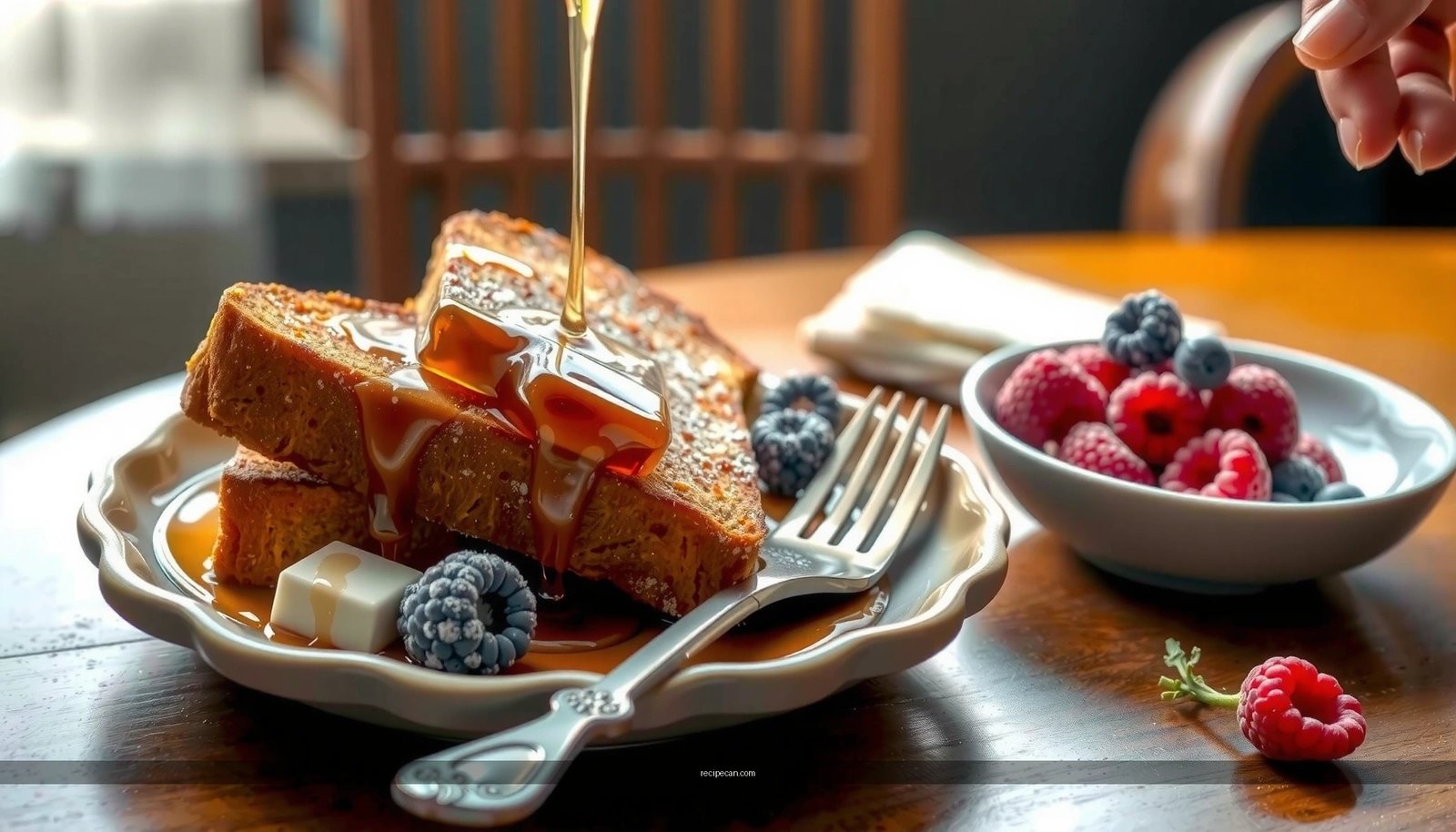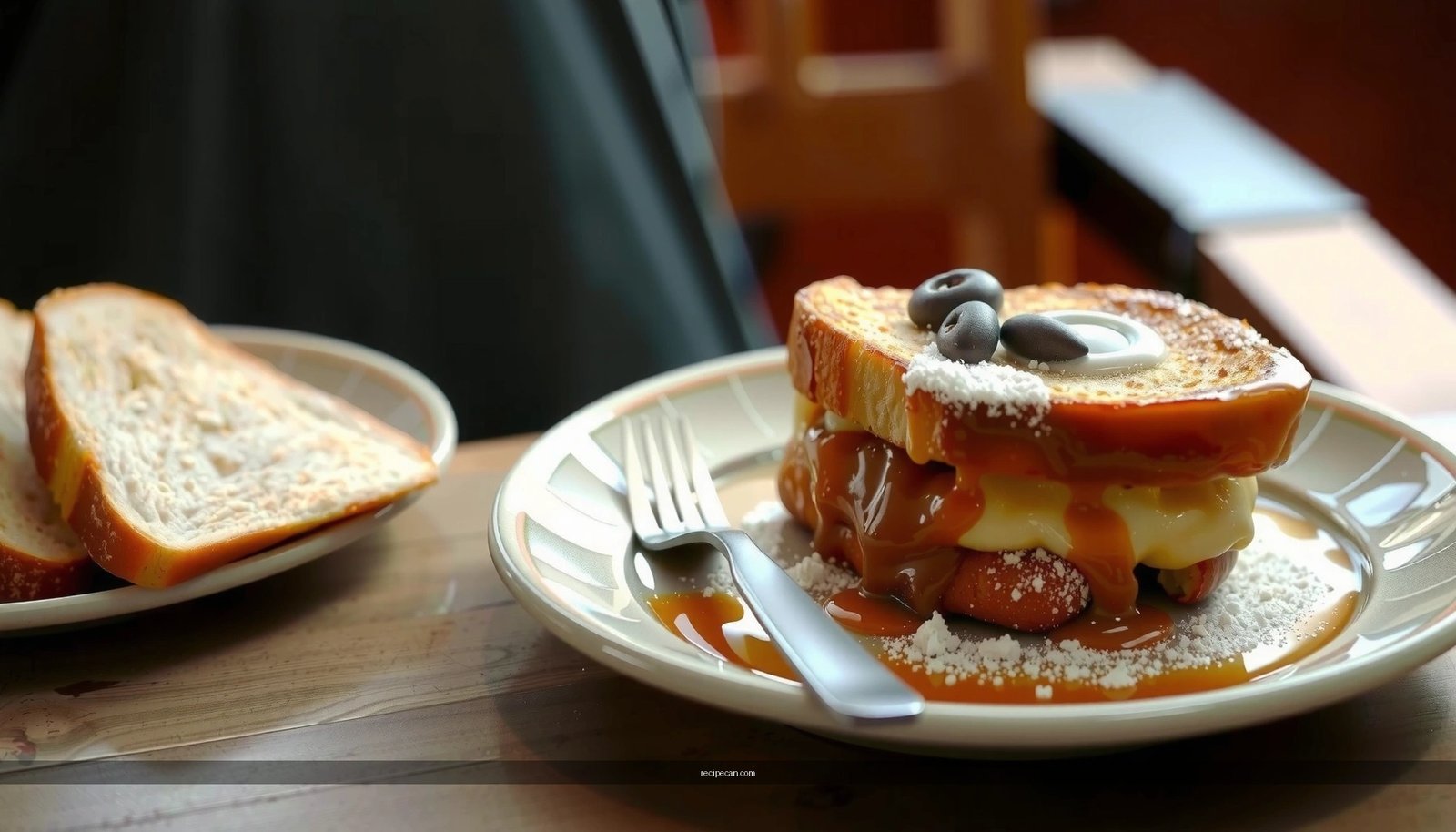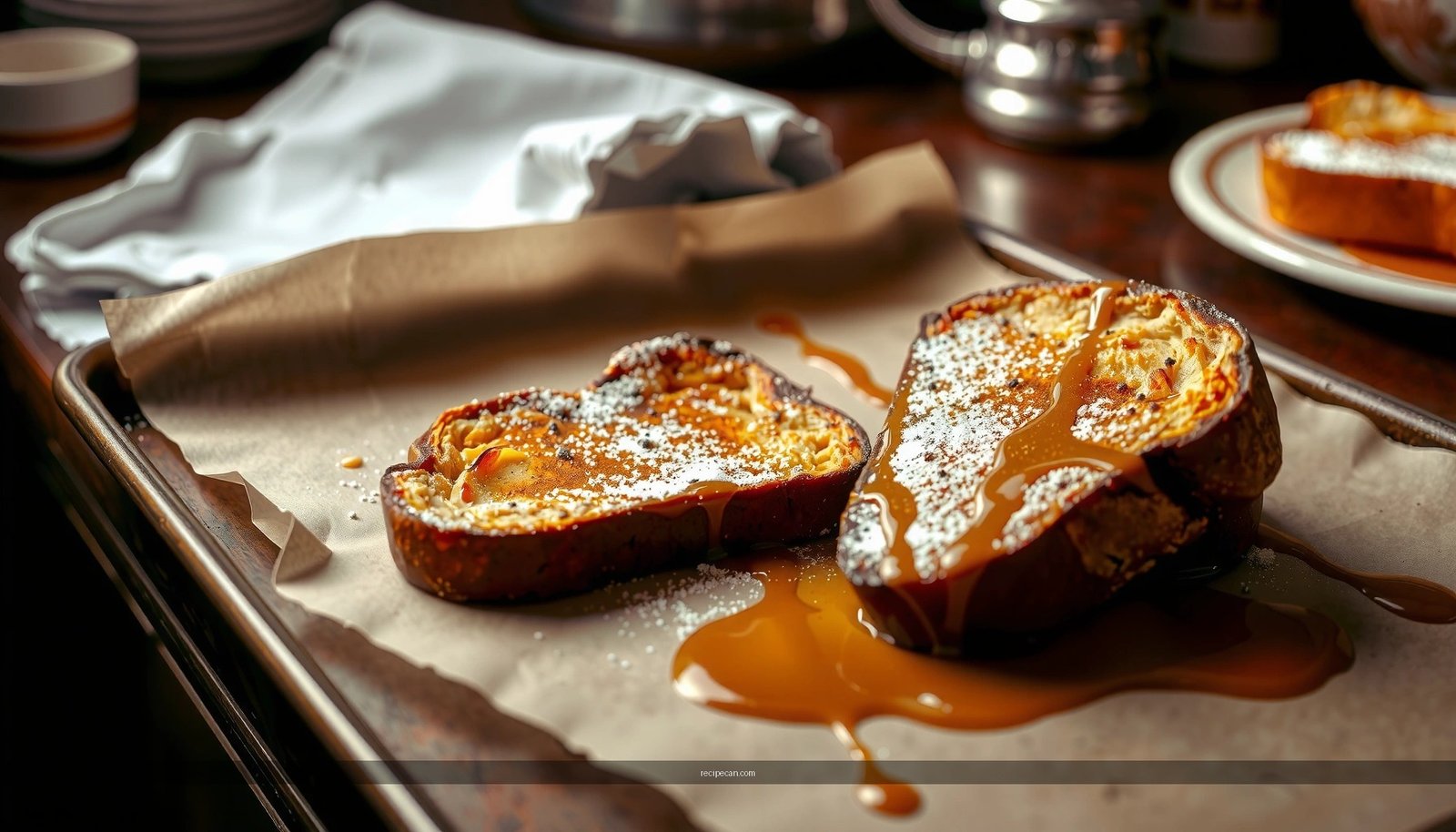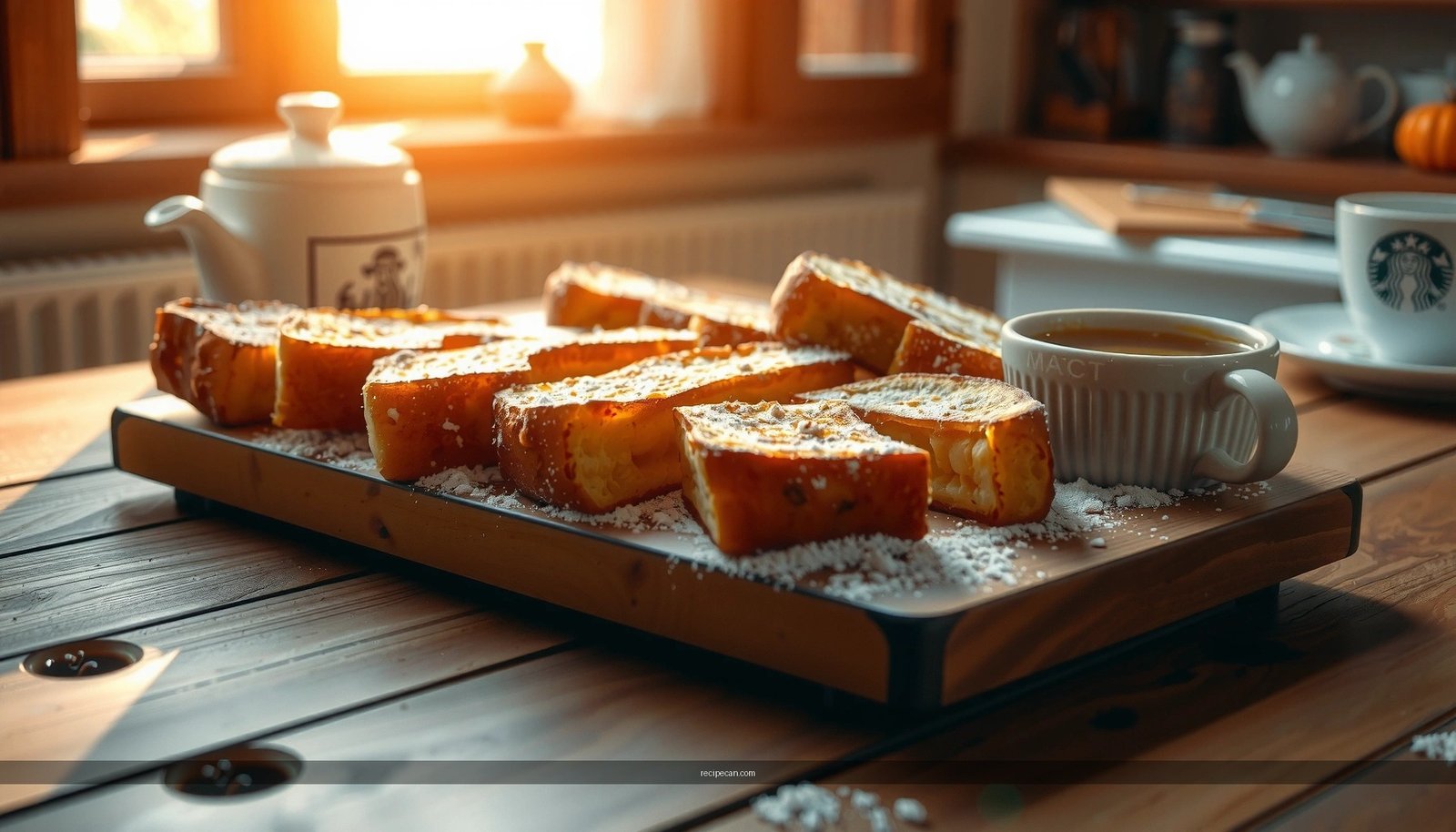
Want a french toast sticks recipe that delivers crispy edges and a sweet, custardy center every time? This guide shows you how to coat stick-size bread in a cinnamon-vanilla egg mixture, then cook until golden and crunchy. If you want fast breakfast results with no complicated technique, these french toast sticks are the clear winner.
Make French toast sticks at home by dipping bread into a quick egg-and-milk mixture and pan-frying until the outside turns golden and crisp. This recipe is designed to deliver the same high-contrast texture you’d expect from a café—using brief soaking for a fluffy center, and the right heat and batter control for a crunchier crust.
Ingredients for French Toast Sticks
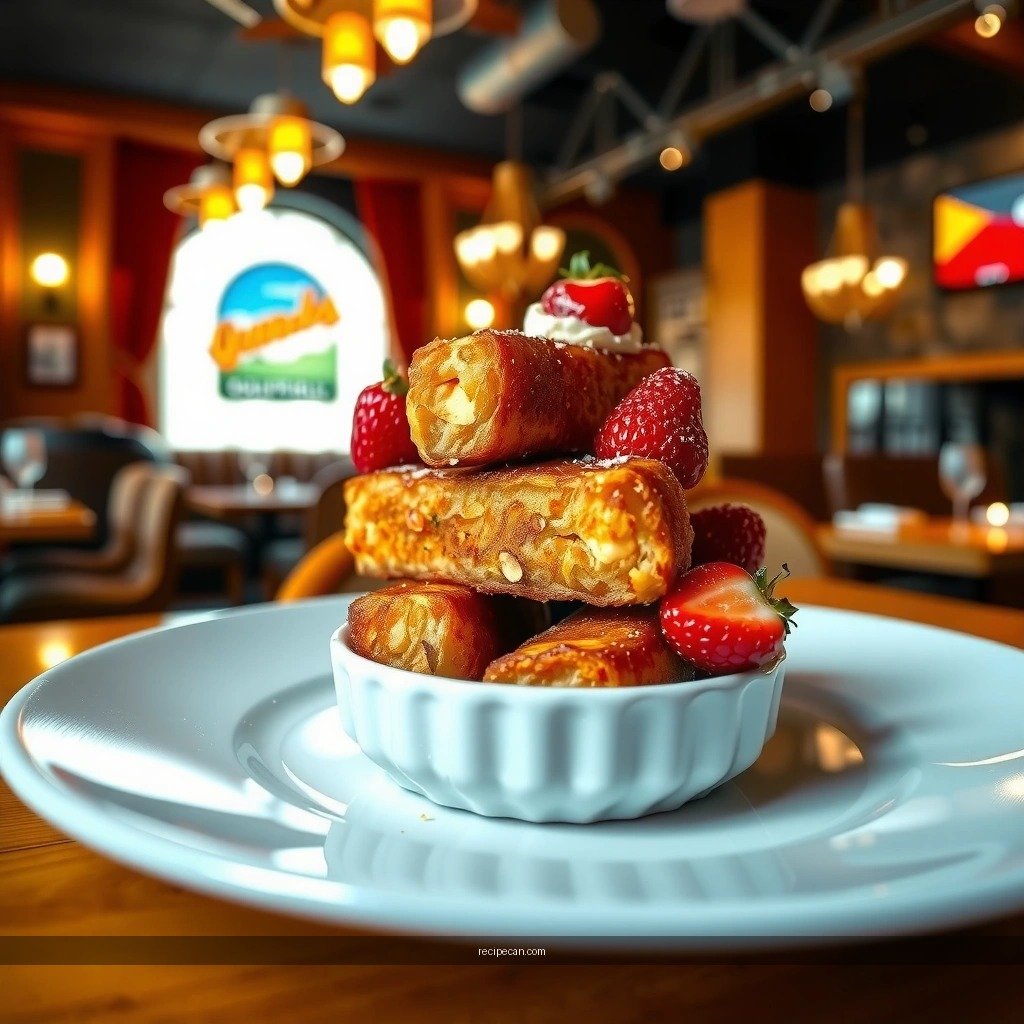
– Bread choices: thick-cut slices or day-old bread work best
Thick-cut bread has enough structure to hold a soft interior without collapsing, while day-old bread absorbs the egg mixture more evenly. Brioche or challah create a richer, more custardy bite; French bread offers a lighter, drier toast-stick texture.
– Egg, milk, and vanilla base for classic flavor
Eggs provide the set custard, milk adds tenderness and browning support, and vanilla rounds out the sweetness. Whole milk yields a more cohesive custard; lower-fat milk works too but may taste slightly lighter.
– Optional add-ins like cinnamon or brown sugar for extra warmth
Cinnamon adds a warm, bakery-style aroma. A small amount of brown sugar (either in the batter or dusted lightly after frying) can deepen flavor and enhance caramelized notes as the sticks brown.
Practical ingredient targets (so your batch is consistent): plan on 2–3 sticks per person, depending on appetite. For a typical batch (about 12 sticks), you’ll usually use 3 large eggs and 1/2 cup milk.
Before you start, set up your dipping station: a shallow bowl for batter, a plate for dipped sticks, and a second tray for the raw-cut bread. This “assembly line” approach prevents over-soaking and improves crust quality.
How to Make the Batter (Egg Mixture)
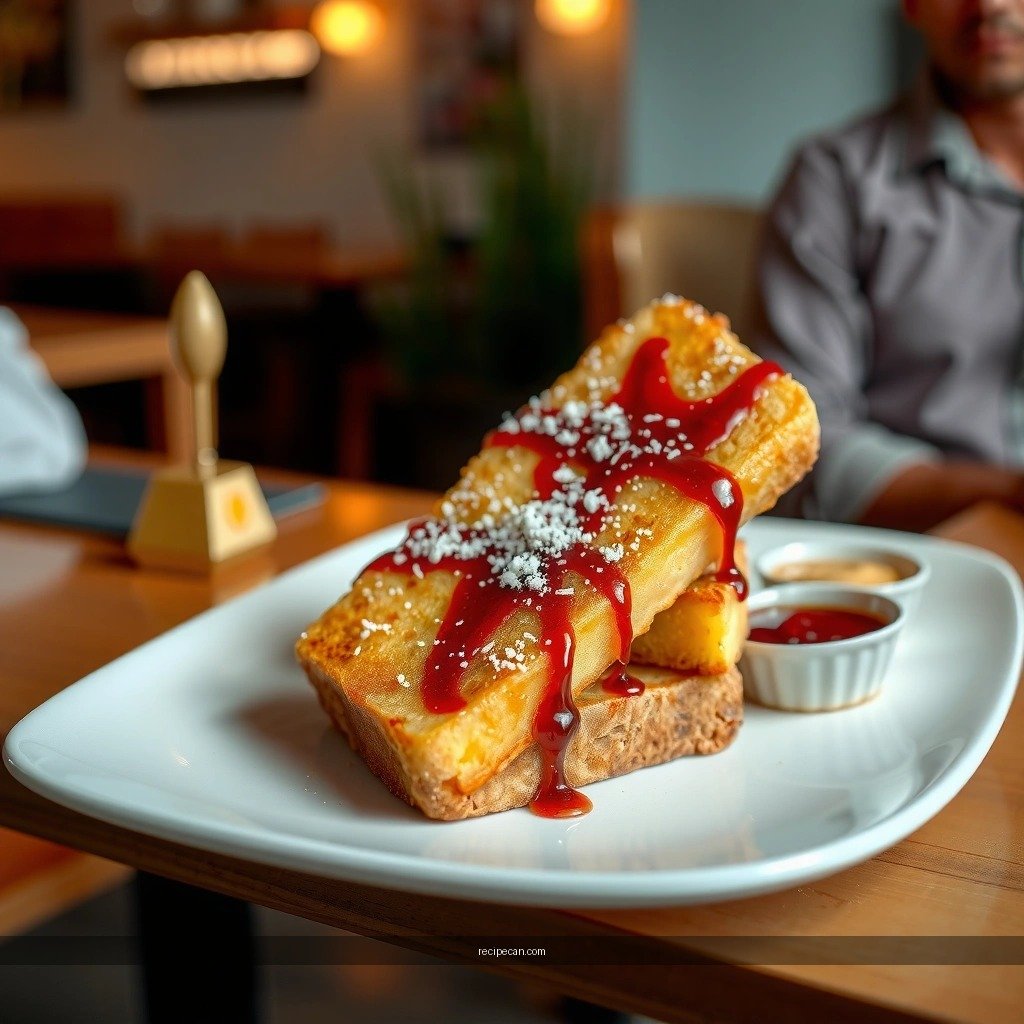
– Whisk eggs and milk until smooth and fully combined
Whisk thoroughly until you don’t see streaks of egg white. This matters because uneven batter distribution can create gummy pockets or dry spots inside the sticks.
– Add vanilla and cinnamon for a fragrant, traditional taste
Add vanilla extract for aroma, then cinnamon for a warm, sweet background. If you want a more “French toast-like” profile, consider a pinch of salt—salt isn’t optional for flavor; it makes the sweetness taste more pronounced.
– Let the bread soak briefly so the sticks cook through
The key to fluffy centers is time—just not too much time. Aim for a quick dip (about 2–5 seconds per side for most thick bread), then move to the pan. The bread should look lightly saturated, not dripping. That balance is what prevents sogginess while still allowing the custard to set during frying.
Why this batter works:
Eggs coagulate into a custard as they hit the pan. Because French toast sticks are thinner than a full slice, they can cook through quickly—so your goal is to pre-condition the bread with enough moisture for a soft interior, then lock in the crunch with controlled browning.
French Toast Stick Performance Guide (Bread Cut & Technique)
| # | Bread Type | Ideal Thickness | Dip Time (sec) | Pan Temp (°F) | Texture Rating |
|---|---|---|---|---|---|
| 1 | Brioche (day-old) | 1 in | 3–4 | 350 | ★★★★★ (5/5) |
| 2 | Challah (day-old) | 3/4 in | 3 | 350 | ★★★★☆ (4.6/5) |
| 3 | French bread (fresh) | 1 in | 2–3 | 345 | ★★★★☆ (4.4/5) |
| 4 | White sandwich bread | 1/2 in | 2 | 360 | ★★★☆☆ (3.3/5) |
| 5 | Sourdough (day-old) | 3/4 in | 3–4 | 345 | ★★★★☆ (4.2/5) |
| 6 | Whole wheat (fresh) | 1/2–3/4 in | 4–5 | 335 | ★★☆☆☆ (2.6/5) |
| 7 | Any bread (over-dipped) | N/A | >7 | 365+ | ★☆☆☆☆ (1.3/5) |
How to Cut and Dip the Bread
– Cut bread into stick shapes for even cooking
Cut your bread into uniform sticks so each one reaches golden color at the same time. A consistent size—roughly 1 inch by 3 inches—helps you avoid undercooked centers or burnt edges.
– Dip quickly (or soak lightly) to avoid soggy sticks
Because sticks cook faster than thick slices, a heavy soak is usually counterproductive. If your bread is very fresh or airy, use shorter dipping plus a rest of 30–60 seconds to allow absorption before frying.
– Shake off excess batter for a crispier crust
After dipping, hold each stick above the bowl briefly and let excess drip away. This reduces batter pooling, which is a common cause of soft, wet crusts.
Analytical tip: crispness is primarily a moisture-management problem. The pan-fry phase should drive off surface moisture rapidly while the interior sets. Over-dipped bread keeps extra liquid at the surface, delaying browning and softening the crust.
Cooking Method: Pan-Frying to Golden Perfection
– Cook in butter or oil over medium heat for even browning
Use a combination if you want the best of both: butter for flavor and oil for higher heat tolerance. Medium heat is the sweet spot—high enough to brown, low enough to cook through without burning.
– Flip once to get both sides evenly crisp
Flip only once when the bottom is deeply golden and the crust looks set. Constant flipping breaks crust formation and can push the stick toward “steamed” texture rather than crisp.
– Adjust heat as needed to prevent burning while cooking through
Every stove and pan conducts heat differently. If your sticks brown too quickly, reduce heat slightly. If they’re pale after 2–3 minutes per side, increase heat a touch.
Time guidance: for 1-inch-thick sticks, expect roughly 2–3 minutes per side, depending on pan temperature and bread type. The goal is a dark golden exterior and a tender interior, not pale custard.
Batch strategy (so they stay crisp):
As you fry, place finished sticks on a wire rack (not a plate). A wire rack prevents steam from collecting underneath, which helps preserve crispness until serving.
Serving Ideas and Toppings
– Serve with maple syrup, powdered sugar, or honey
Maple syrup is the classic complement to vanilla-custard toast. For an elegant breakfast approach, warm the syrup slightly so it soaks lightly instead of pooling.
– Add berries or whipped cream for a quick upgrade
Berries bring acidity that balances sweetness and helps cut through the richness of egg and bread. A spoon of whipped cream can elevate the flavor profile without changing texture.
– For crunch, try cinnamon sugar or a light drizzle of glaze
Cinnamon sugar adds immediate “bakery” aroma and a satisfying sweet crust. For a glaze, keep it thin—thick glaze can soften the crisp exterior quickly.
Suggested pairing options:
– “Classic”: maple syrup + a dusting of powdered sugar
– “Brunch-style”: berries + yogurt or lightly sweetened cream
– “Dessert-leaning”: cinnamon sugar + honey drizzle
Storage and Reheating Tips
– Store leftovers in an airtight container in the fridge
Let sticks cool fully first; trapping steam can make them soft. Refrigerated, they typically hold quality for 2–3 days.
– Reheat in a toaster oven or oven to keep them crisp
Reheating in a toaster oven is ideal because circulating heat re-crisps the exterior. Use a moderate temperature (around 350°F) and heat just until warmed through.
– Freeze cooked sticks and reheat straight from frozen for convenience
Freeze in a single layer on a tray, then transfer to a bag once firm. Reheat directly from frozen in the oven/toaster oven so the exterior gets crisp again rather than becoming chewy.
Best-practice reheating (texture-first):
If you’re serving later, reheat in the oven and avoid microwaving when crispness matters. Microwaves add moisture to the surface, which can undo the pan-fried crust.
French toast sticks are easy to make and deliver that perfect mix of fluffy inside and crisp outside. Follow the dipping, cooking, and reheating tips above to get great results every time—then try your favorite toppings. Make a batch this morning and share how your french toast sticks turn out!
Frequently Asked Questions
What is the best way to make french toast sticks crispy on the outside?
Use a thick-cut bread like Texas toast or brioche so the sticks hold their shape and don’t turn soggy. Dip quickly in an egg-and-milk mixture, then let excess drip off before placing on a preheated baking sheet or skillet. For extra crispness, cook at a steady medium-high heat and finish with a brief bake or broil to set the edges.
How do you make french toast sticks without them getting soggy?
The key is to control soaking time—dip each piece for only about 2–4 seconds per side, especially if your batter is milk-heavy. Pat the bread lightly if it’s very fresh or slightly moist, and make sure your pan is fully preheated before adding the sticks. If you’re baking, use a wire rack on the sheet to allow airflow, which helps dry the surface and keeps french toast sticks crisp.
Which bread works best for a french toast sticks recipe: brioche, challah, or sourdough?
Brioche and challah are top picks because their richness absorbs the egg mixture well while staying tender inside, giving classic french toast sticks. Sourdough can work too, but the flavor is tangier and you may need a slightly longer cook time to fully set the center. For the most consistent results, choose bread that’s sturdy enough to slice into stick shapes and won’t crumble when dipped.
Why do my french toast sticks fall apart when I flip them?
Falling apart usually happens when the bread is too soft or the pieces haven’t set before flipping. Use day-old bread, cut evenly sized sticks, and allow them to cook until the edges look set and lightly browned before turning. If you’re baking, place the sticks in a single layer and avoid moving them too soon—letting the surface firm up makes flipping unnecessary or easier.
How long should you bake french toast sticks, and at what temperature?
For a baked french toast sticks recipe, preheat the oven to 425°F (220°C) and bake on a greased baking sheet or wire rack for about 12–18 minutes, flipping halfway if you’re not using a rack. Cook until the outside is golden brown and the center is cooked through, especially if the sticks are thick. Let them rest for 2 minutes before serving so they finish setting and stay crisp.
References
- French toast
https://en.wikipedia.org/wiki/French_toast - https://www.britannica.com/topic/French-toast
https://www.britannica.com/topic/French-toast - https://www.bbc.co.uk/food/recipes/french_toast_70558
https://www.bbc.co.uk/food/recipes/french_toast_70558 - https://www.theguardian.com/food/2020/apr/12/french-toast-recipe
https://www.theguardian.com/food/2020/apr/12/french-toast-recipe - https://www.nytimes.com/guides/smarter-living/how-to-make-french-toast
https://www.nytimes.com/guides/smarter-living/how-to-make-french-toast - https://pubmed.ncbi.nlm.nih.gov/?term=french+toast
https://pubmed.ncbi.nlm.nih.gov/?term=french+toast - https://www.sciencedirect.com/search?qs=french+toast
https://www.sciencedirect.com/search?qs=french+toast - Google Scholar Google Scholar
https://scholar.google.com/scholar?q=french+toast+sticks+recipe - Google Scholar Google Scholar
https://scholar.google.com/scholar?q=french+toast+finger+recipe - Google Scholar Google Scholar
https://scholar.google.com/scholar?q=egg+bread+batter+french+toast+heat+procedure