Creating a delicious yum sauce at home is simple and requires just a few key ingredients. This versatile sauce can elevate your meals, especially when paired with sushi, grilled meats, or fresh vegetables. In this article, you’ll learn how to make a classic yum sauce that’s creamy, spicy, and utterly irresistible.
Ingredients for Yum Sauce
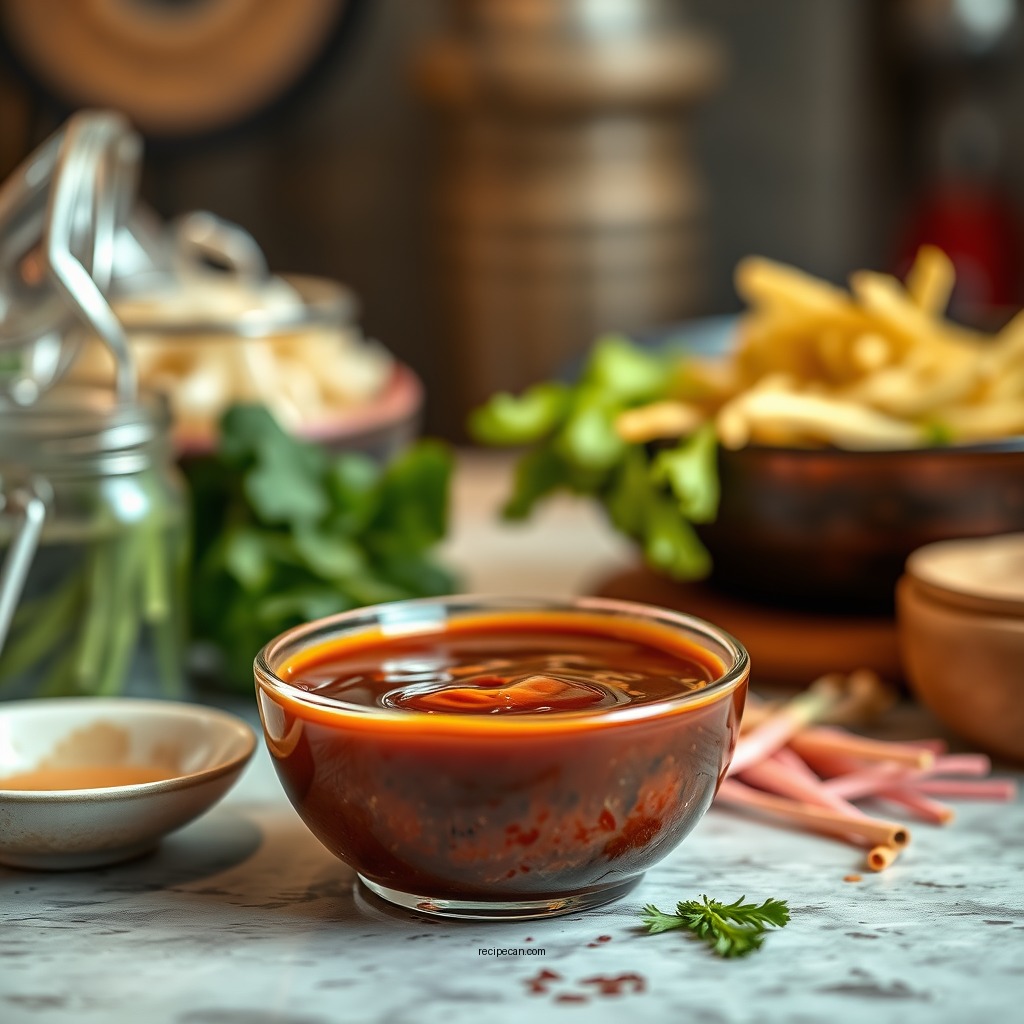
To craft the perfect yum sauce, you only need a few fundamental ingredients. Here’s a breakdown of the essential components:
– Mayonnaise: The foundation of your yum sauce, mayonnaise provides a creamy texture that serves as the sauce’s base. Opt for high-quality mayonnaise for the best flavor.
– Sriracha: This iconic hot sauce infuses the sauce with its signature heat and flavor profile. Depending on your spice tolerance, you can adjust the quantity to suit your preference.
– Other optional ingredients: To enhance the complexity of your sauce, consider adding garlic powder for a savory kick or freshly squeezed lemon juice for a touch of acidity and brightness. These additions not only elevate the taste but also add depth to the overall flavor.
Choosing the right balance of these ingredients will allow you to create a yum sauce that complements a variety of dishes.
Step-by-Step Instructions

Making yum sauce is a straightforward process, perfect for both beginner and experienced cooks. Follow these steps for the best results:
– Combine ingredients: In a medium bowl, start by adding 1 cup of mayonnaise and 2-4 tablespoons of Sriracha. The amount of Sriracha will depend on your heat preference—start with less and increase gradually.
– Adjust flavors: After mixing the initial ingredients, taste the sauce. This is your opportunity to personalize it. You might want to add a pinch of garlic powder or a squeeze of lemon juice to enhance the flavor further. Remember, the goal is to create a sauce that you enjoy.
– Mix thoroughly: Use a whisk or spatula to blend all the ingredients until smooth. Ensure there are no lumps and that the Sriracha is evenly distributed throughout the mayonnaise. A well-mixed sauce will have a consistent flavor and texture.
Tips for Customizing Your Yum Sauce
While the basic recipe is delicious on its own, customizing your yum sauce can make it even more exciting. Here are some ideas:
– Spice it up: If you enjoy a spicier sauce, consider adding more Sriracha, or incorporate other hot sauces like chili garlic sauce or sambal oelek. For a unique twist, try adding a few drops of chili oil for an extra layer of flavor.
– Sweeten it: To balance the heat, adding a bit of honey or sugar can create a sweet contrast that enhances the overall flavor. Start with a teaspoon and adjust according to your taste.
– Herbs and spices: Fresh or toasted sesame oil can add a delightful nutty flavor, while finely chopped green onions or cilantro can introduce freshness. Experimenting with these ingredients can lead to a signature sauce that reflects your culinary style.
Best Ways to Use Yum Sauce
Yum sauce is remarkably versatile and can elevate a multitude of dishes. Here are some of the best ways to incorporate it into your meals:
– Sushi and rolls: Use yum sauce as a dipping sauce for sushi or drizzle it over sushi rolls for an added burst of flavor. Its creaminess complements the fresh ingredients beautifully.
– Grilled meats: Whether you’re grilling chicken, shrimp, or fish, a layer of yum sauce can enhance the richness and add a delightful tangy flavor. Brush it on meats before grilling for a flavorful glaze.
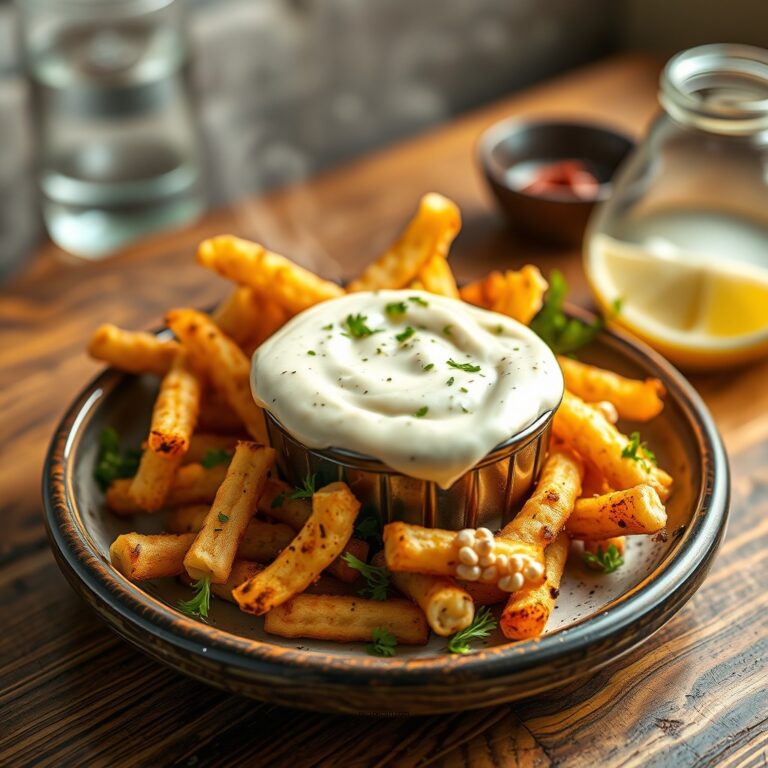
– Veggie dip: Yum sauce makes an excellent dip for fresh vegetables, making it a perfect addition to a party platter. Serve it alongside carrots, cucumber slices, and bell pepper strips for a healthy snack option.
Storage and Shelf Life
To ensure your yum sauce stays fresh and delicious, follow these storage guidelines:
– Refrigeration: Store the sauce in an airtight container in the refrigerator. This will help maintain its texture and flavor, preventing it from absorbing other odors in the fridge.
– Duration: A well-prepared yum sauce can last up to a week, depending on the freshness of the ingredients used. Always check for any changes in smell or appearance before consuming.
Common Mistakes to Avoid
To achieve the best possible yum sauce, avoid these common pitfalls:
– Not balancing flavors: Ensure a good blend of creaminess and spice. If the sauce is too spicy, consider adding more mayonnaise or a sweetener to balance it out.
– Skipping the taste test: Always taste your sauce before serving. Adjustments made after tasting can drastically improve the final product and ensure it meets your preferences.
Yum Sauce Customization Options
| # | Customization | Effect | Taste Profile |
|---|---|---|---|
| 1 | Extra Sriracha | Increased heat | Spicy |
| 2 | Honey/Sugar | Sweetness balance | Sweet & Spicy |
| 3 | Garlic Powder | Savory depth | Umami |
| 4 | Lemon Juice | Acidity | Bright |
| 5 | Sesame Oil | Nutty flavor | Rich |
| 6 | Chili Oil | Extra heat | Fiery |
| 7 | Green Onions | Freshness | Crisp |
Yum Sauce Popularity by Use Case
With this easy yum sauce recipe, you can enhance your favorite dishes in no time. Try making it today and discover how it can transform your meals. Don’t forget to share your creations and variations with friends!
Frequently Asked Questions
What is yum sauce and what ingredients are typically used in a yum sauce recipe?
Yum sauce is a delicious, creamy condiment often served in Japanese steakhouses, especially with seafood and vegetables. The typical ingredients for a yum sauce recipe include mayonnaise, ketchup, rice vinegar, sugar, garlic powder, and a hint of paprika or cayenne for spice. This combination results in a sweet and tangy flavor that complements grilled dishes perfectly.
How can I make a homemade yum sauce that tastes like the restaurant version?
To create a homemade yum sauce that rivals your favorite restaurant’s, combine 1 cup of mayonnaise, 1/4 cup of ketchup, 2 tablespoons of rice vinegar, 1 tablespoon of sugar, 1 teaspoon of garlic powder, and a pinch of paprika. Whisk these ingredients together until smooth, adjusting the sugar and vinegar to taste, and refrigerate for at least 30 minutes to allow the flavors to meld.
Why does my yum sauce taste different than the one at the restaurant?
If your yum sauce tastes different from the restaurant version, it might be due to the ratios of ingredients or the use of fresh versus bottled ingredients. Restaurants often use high-quality mayonnaise or proprietary spice blends, so try experimenting with different brands or adding a touch of soy sauce or sesame oil for authenticity. Remember, letting the sauce sit for a while before serving can also enhance its flavor.
What is the best way to store homemade yum sauce for later use?
The best way to store homemade yum sauce is in an airtight container in the refrigerator, where it can last for up to a week. Make sure to give it a good stir before serving, as some separation may occur over time. For longer storage, you can freeze yum sauce in small portions, allowing for easy use whenever you need it.
Which dishes pair well with yum sauce for a complete meal?
Yum sauce pairs wonderfully with a variety of dishes, making it a versatile addition to your meal planning. It complements grilled shrimp, chicken, and vegetables, and can also be drizzled over rice or used as a dipping sauce for egg rolls and sushi. Try incorporating it into a stir-fry for an extra layer of flavor!
References
- https://en.wikipedia.org/wiki/Yum_sauce
https://en.wikipedia.org/wiki/Yum_sauce - https://www.verywellfit.com/what-is-yum-sauce-5196980
https://www.verywellfit.com/what-is-yum-sauce-5196980 - https://www.ncbi.nlm.nih.gov/pmc/articles/PMC6517657/
https://www.ncbi.nlm.nih.gov/pmc/articles/PMC6517657/ - https://www.sciencedirect.com/topics/food-science/yum-sauce
https://www.sciencedirect.com/topics/food-science/yum-sauce - Google Scholar Google Scholar
https://scholar.google.com/scholar?q=yum+sauce+recipe - Google Scholar Google Scholar
https://scholar.google.com/scholar?q=yum+sauce+ingredients - Google Scholar Google Scholar
https://scholar.google.com/scholar?q=homemade+yum+sauce - https://www.healthline.com/nutrition/what-is-yum-sauce
https://www.healthline.com/nutrition/what-is-yum-sauce - Page Not Found – Site Help – Mayo Clinic
https://www.mayoclinic.org/healthy-lifestyle/recipes/yum-sauce-recipe/rcp-20473508 - yum sauce recipe – Search results
https://en.wikipedia.org/wiki/Special:Search?search=yum+sauce+recipe