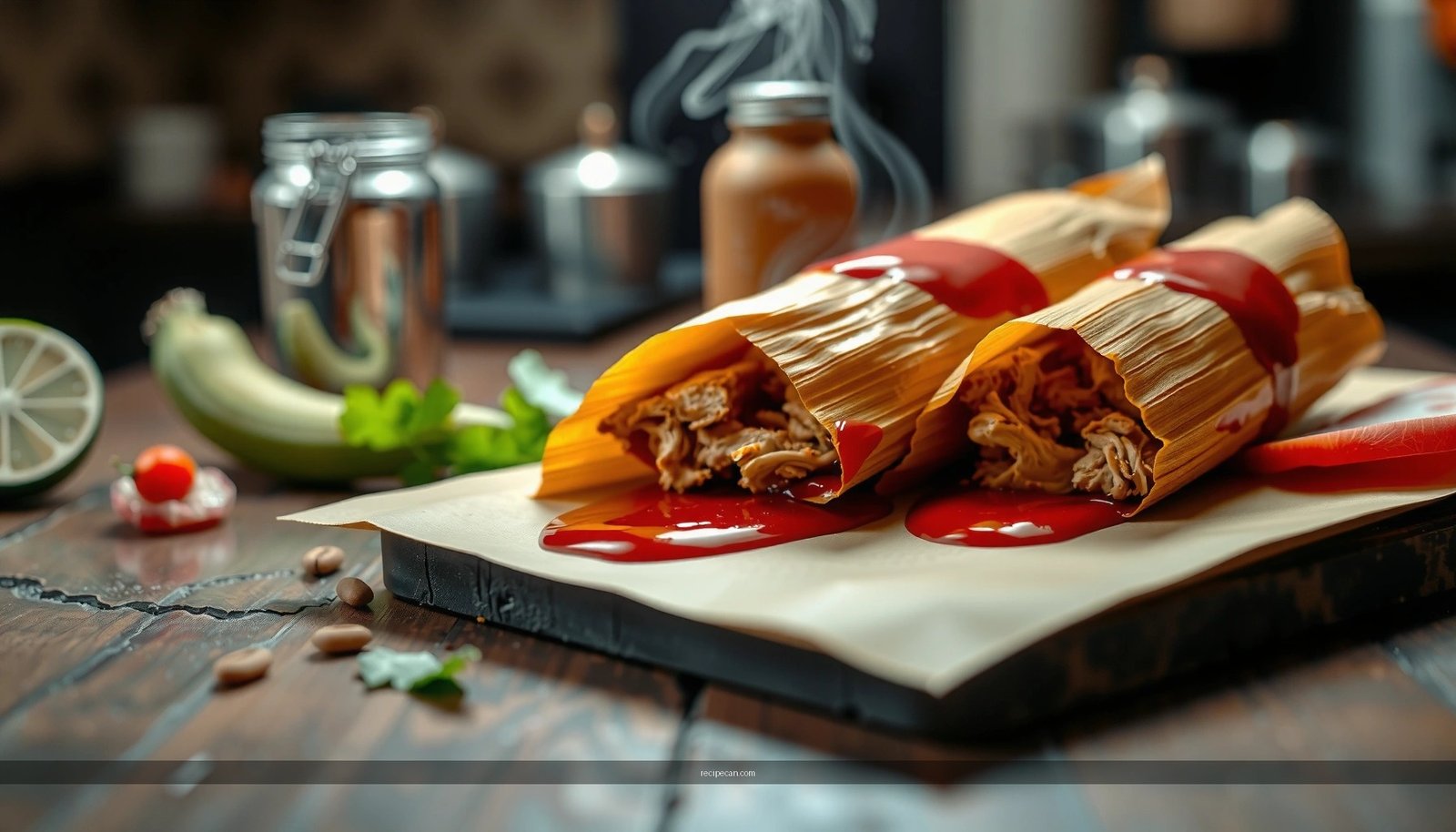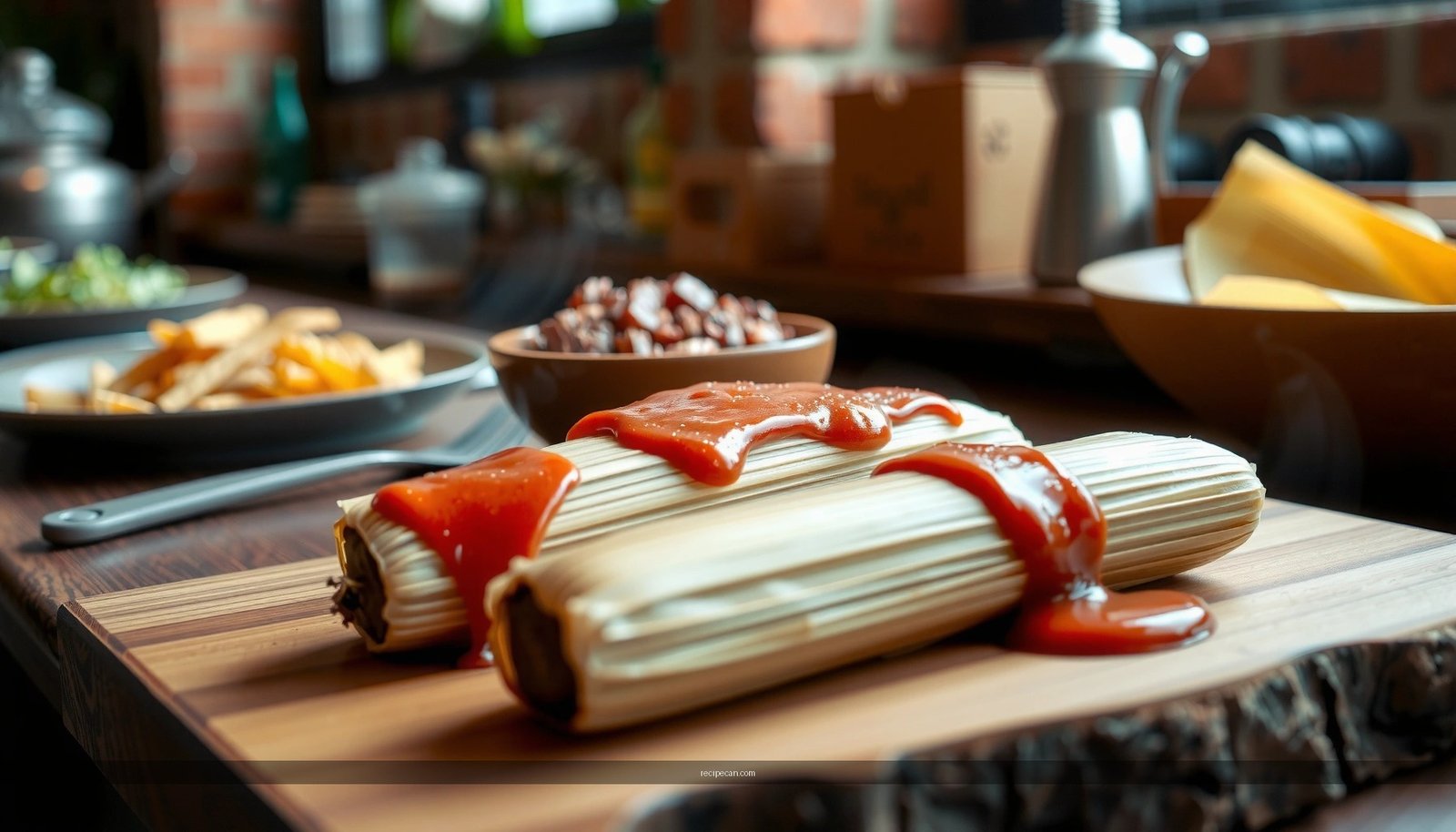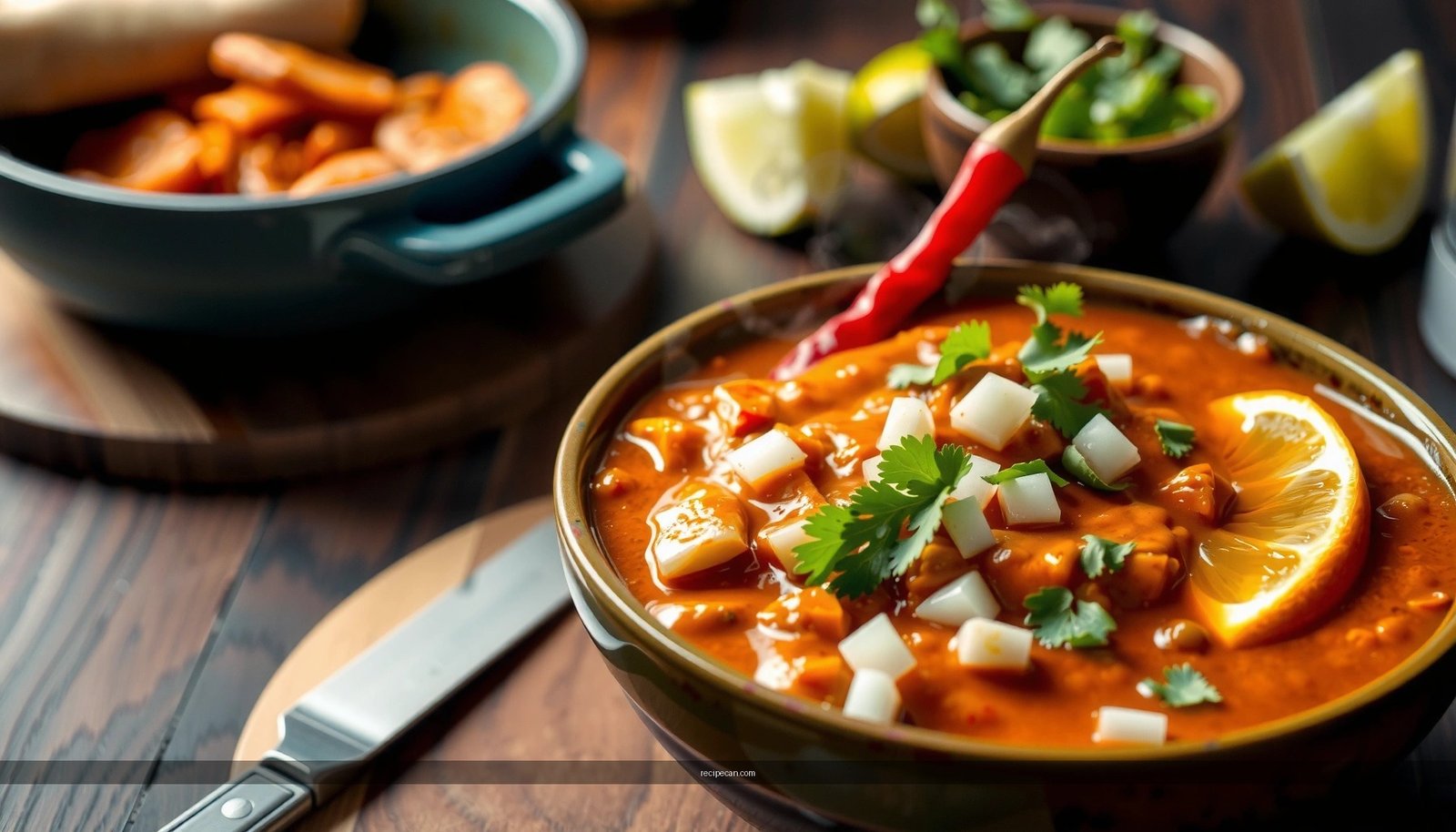
If you’re searching for an easy tamale sauce recipe, this straightforward version delivers bold flavor without complicated steps. You’ll get a quick how-to for making a smooth, spoonable sauce that clings to tamales and tastes great with chicken or pork. The recipe is designed to be fast, reliable, and ready when you need it.
This easy tamale sauce recipe is the fast, flavor-forward way to get restaurant-style taste without complicated steps—blend chile, aromatics, and broth into a smooth, bold sauce ready in about 30 minutes. You’ll learn how to build depth (onion, garlic, and simmering), achieve the right thickness, and season it so it complements both red and green tamales.
Gather Ingredients for Easy Tamale Sauce
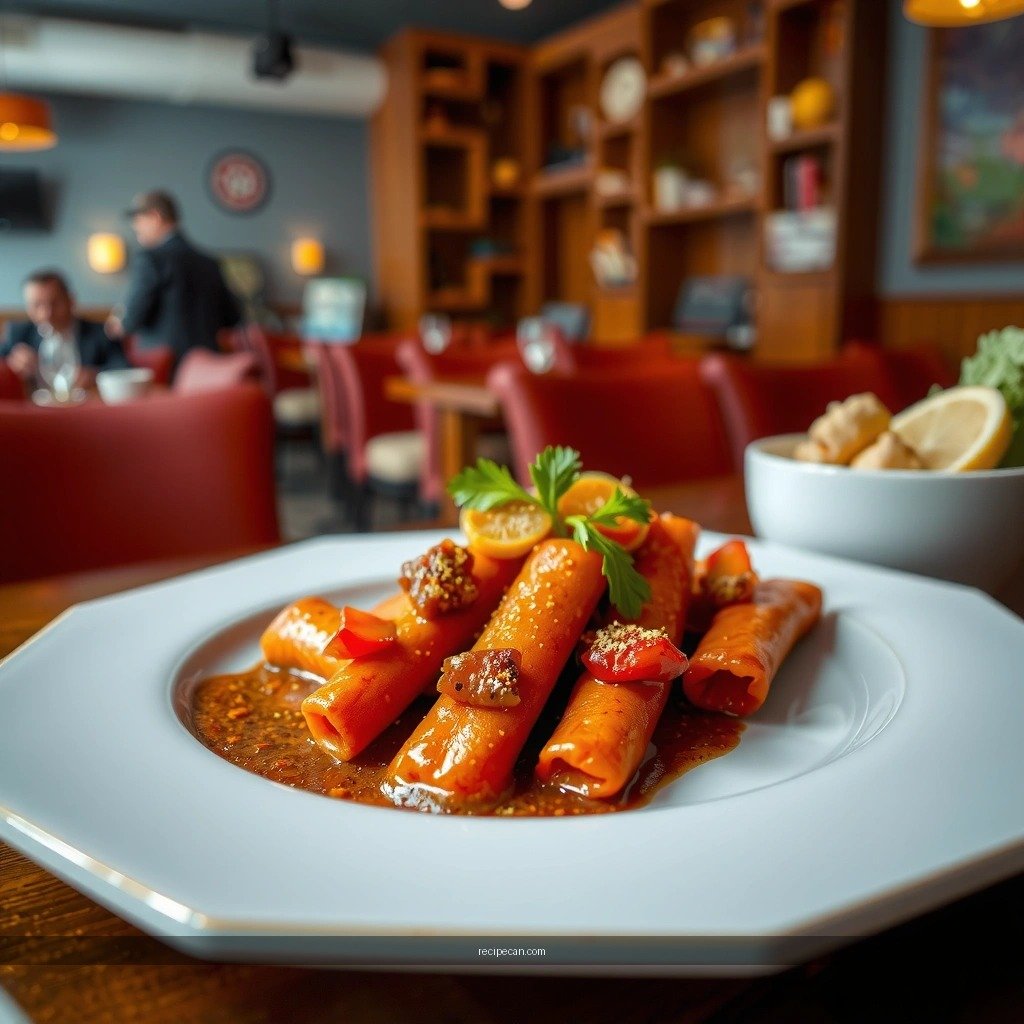
A truly great tamale sauce starts with the right chile base and enough aromatics to create “slow-cooked” flavor in a short time. The good news: you can make an excellent red or green tamale sauce using pantry staples and common liquids, with either dried or canned chiles.
Core ingredients to aim for:
– Chiles (red or green):
– Red option: dried guajillo and/or ancho chiles (classic, mildly smoky, naturally sweet)
– Green option: dried New Mexico (if you want a milder green-leaning profile) or canned/jarred green chiles plus fresh herbs if available
– Aromatics: garlic and onion (sweet base; helps round out chile heat)
– Liquid: chicken or vegetable broth (controls salt and creates a smooth simmer)
– Fat (optional but recommended): a small amount of oil (helps toast spices and improves mouthfeel)
Seasoning options that make the sauce taste “finished”:
– Salt (to lift chile flavor)
– Acid: lime juice or vinegar (adds brightness and keeps the sauce from tasting flat)
– Optional spices: ground cumin, oregano, smoked paprika, or a pinch of cloves (use sparingly—chile should lead)
– Optional thickener (only if needed): a small amount of masa harina or cornstarch slurry if your sauce stays too thin after simmering
Dried vs. canned chiles—how to choose quickly:
– Dried chiles bring more complexity, but they require rehydrating and removing stems/seeds.
– Canned chiles speed things up—great for weeknight tamales—but you may need extra salt/acid because canned chiles are often pre-seasoned or less nuanced.
Chile Choice Guide for Easy Tamale Sauce (1 Batch)
| # | Sauce Style | Chile Base (Amount) | Estimated Heat | Best Pairing Tamales |
|---|---|---|---|---|
| 1 | Classic Red | 6–8 guajillo chiles | ★★★☆☆ | Pork, beef |
| 2 | Deep Red (Smokier) | 4 guajillo + 2 ancho | ★★★★☆ | Carnitas, brisket |
| 3 | Mild Red (Family-Friendly) | 5 ancho chiles | ★★☆☆☆ | Chicken, turkey |
| 4 | Green (Fresh-Chile Style) | 2 cups roasted tomatillo + 1 cup jalapeño | ★★★☆☆ | Pork, cheese |
| 5 | Green (Quick Canned) | 1 can (7–10 oz) diced green chiles | ★★☆☆☆ | Chicken, veggie |
| 6 | Green (Herb-Forward) | 1 cup tomatillo + 1/2 cup cilantro | ★★★☆☆ | Seafood, cheese |
| 7 | Optional “Boost” Mix | 1 tsp smoked paprika | ★☆☆☆☆ | Any red tamales |
Make the Flavor Base

The flavor base is where your sauce earns its “bold” reputation. Even if you’re using a quick blender method, you still want to develop sweetness from onion and aroma from garlic—because raw onion flavor doesn’t magically disappear.
A reliable workflow for easy tamale sauce:
1. Sauté diced onion in a small amount of oil until translucent (about 4–6 minutes).
2. Add garlic for the last 30–60 seconds (garlic turns bitter if it browns too long).
3. Toast briefly (optional but impactful): If you’re using dried chiles, toast cleaned chiles in a dry pan for 15–20 seconds to revive fragrance.
4. Blend the chile mixture with broth (and soaking liquid if you rehydrate dried chiles).
5. Simmer the blended base with the remaining broth until it thickens and tastes cohesive.
Why simmering matters: chile flavors can read “separate” right after blending. Heat allows chile compounds to dissolve evenly, and the sauce takes on a smoother, rounded palate. This is also your best point to correct thickness before serving.
Pro tip for consistency: If you’re aiming for a smooth, pourable texture, blend with warm broth rather than cold. Warm liquid reduces the need for extra blending time and helps the sauce come together faster.
Blend for a Smooth, Pourable Consistency
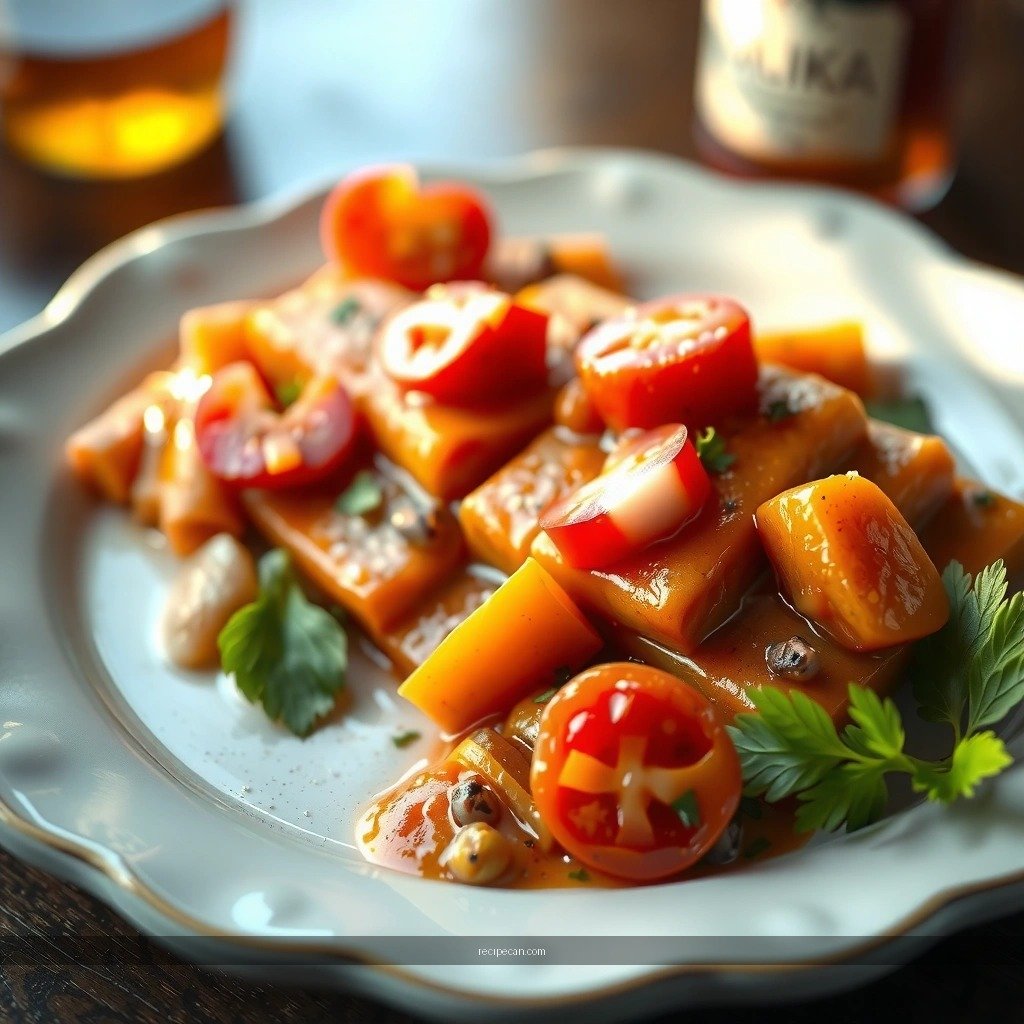
Blending is the difference between “good” sauce and truly seamless tamale sauce. You want a smooth, pourable consistency that clings lightly—thick enough to coat masa, but not so dense that it feels gummy.
How to blend correctly:
– Blend chile base with broth in short pulses so it emulsifies evenly.
– If your blender struggles, strain the mixture once before returning it to the blender (or use a stick blender directly in the pot).
– For a silky restaurant-style texture, strain through a fine mesh sieve after blending. This removes chile skins and any lingering seeds, which can otherwise create bitterness or texture.
Adjust thickness like a pro:
– Too thin? Simmer longer uncovered, stirring occasionally to evaporate liquid.
– Too thick? Add a splash of broth (or water) a tablespoon at a time, then reheat and stir until glossy.
A practical benchmark: when you lift a spoon, the sauce should coat the back of the spoon and slowly drip in a thin ribbon—not run off instantly, and not cling in stiff peaks.
Season to Taste (Make It Perfect for Your Tamales)
Seasoning is where you tailor the easy tamale sauce recipe to your family’s preferences—heat level, tang, and depth. Because chiles vary in intensity across brands and harvests, tasting as you go isn’t optional if you want consistently great results.
Use this balance framework:
– Salt: Makes chile taste “bigger.” If the sauce tastes muted, it usually needs salt before more heat.
– Acid (lime or vinegar): Brightens the flavor so it doesn’t taste heavy. Add gradually—typically 1 to 2 teaspoons at a time.
– Optional spices: Add a pinch of cumin or oregano if the flavor feels one-dimensional.
– Heat control:
– For mild sauce, remove seeds from dried chiles before blending.
– For more heat, add a small pinch of ground chile or blend in a few extra dried chiles.
What to do if it tastes “off”:
– Bitter? Likely over-toasted chiles or too much seed/skin—next time, toast less and strain more. For this batch, add a tiny bit more onion-garlic simmer or a touch of sweetness (a small spoon of brown sugar or a grated pinch of carrot—optional).
– Flat? Usually salt and acid. Try salt first, then acid.
This is also where you decide whether your sauce should be a dipping sauce (slightly thinner) or a covering sauce (slightly thicker). For tamales that are already very saucy, thinner can work better.
Cook Until Thick and Ready to Serve
Once blended and seasoned, your goal is to convert “liquid chile” into a sauce that clings and coats masa. This is typically the shortest step, but it’s the step most people rush.
Cook until:
– The sauce reduces slightly
– It becomes glossy
– It clings lightly to a spoon
Stirring strategy: stir every 1–2 minutes during the last few minutes to prevent scorching at the bottom. If you’re multiplying the batch for a party, use a wider pot to avoid uneven reduction.
Keep warm: transfer to a warmed bowl or keep on low heat. Sauce thickens as it cools, so if it becomes too thick while waiting, loosen with a small splash of broth.
Serve and Store Your Tamale Sauce
Serving is simple, but technique matters. You want the sauce to enhance the tamales without washing them out.
Best ways to serve:
– Spoon over tamales: warm sauce spreads naturally and creates a glossy surface.
– Serve on the side: best for guests who want control over heat and tang.
– For meal prep, warm tamales slightly under cover so the sauce doesn’t cool too quickly.
Storage and reheating:
– Refrigerate leftovers in an airtight container for up to 3–4 days.
– Reheat gently on the stovetop over low heat or in short microwave bursts, stirring often.
– If it thickens too much during storage, thin with broth—start with 1–2 tablespoons and adjust.
Business-minded efficiency tip: make a double batch. Tamale sauce is one of the easiest “repeatable” components for future meals—use it for enchiladas, chile-spiced soups, or spoon it over rice and shredded chicken.
This easy tamale sauce recipe delivers a rich, well-seasoned result without complicated steps. Make it once, adjust the heat to your liking, and use it for your next batch of tamales—save any leftovers for an even faster meal later.
Frequently Asked Questions
What is the easiest tamale sauce recipe for beginners?
An easy tamale sauce recipe usually starts with a blended base of roasted tomatoes, dried chiles, garlic, and onion cooked down into a thick, flavorful sauce. Toast the dried chiles briefly, soak them in hot water until soft, then blend until smooth and simmer with spices like cumin and oregano. The goal is a sauce that coats a spoon and tastes bold, not watery, so your tamales won’t be bland.
How do I make tamale sauce from dried chiles without it turning bitter?
To avoid bitterness, toast dried chiles lightly—just until fragrant—and don’t burn them. Soak the chiles in hot water to rehydrate, then blend, straining if needed to remove tough bits. Simmer the blended sauce and add a pinch of salt and a small amount of sugar or a bit of masa (in moderation) to balance heat while keeping the tamale sauce rich and smooth.
Why does my tamale sauce taste too spicy or too thin?
If your tamale sauce tastes too spicy, the chiles may be too strong or the seeds and stems weren’t removed—use fewer chiles next time and remove seeds for a milder version. If it’s too thin, simmer it longer to reduce and thicken, or whisk in a small amount of masa harina slurry to help it cling. For a balanced easy tamale sauce recipe, taste as you go and adjust salt, acidity, and heat gradually.
Which ingredients make the best traditional tamale sauce flavor?
The best traditional tamale sauce flavor often comes from dried chile variety (like guajillo and ancho), plus aromatics such as roasted garlic and onion. Add warm spices like cumin, oregano, and sometimes smoked paprika for depth, then finish with a little salt and broth to help it blend smoothly. For an authentic easy tamale sauce recipe, use dried chiles for complexity and simmer long enough to develop a deep, savory taste.
Best way to store and reheat tamale sauce so it stays smooth?
Let your tamale sauce cool completely, then store it in an airtight container in the fridge for 3–5 days or freeze for up to 3 months. When reheating, warm it gently over low heat and stir often—thin it with a splash of chicken broth or water if needed. For the best results, keep the tamale sauce consistency spoon-coating so it distributes evenly in your tamales.
References
- Tamale
https://en.wikipedia.org/wiki/Tamale - Mole (sauce)
https://en.wikipedia.org/wiki/Mole_poblano - Salsa verde
https://en.wikipedia.org/wiki/Salsa_verde - Salsa (food)
https://en.wikipedia.org/wiki/Salsa_roja - Salsa
https://en.wikipedia.org/wiki/Salsa - Enchilada
https://en.wikipedia.org/wiki/Enchilada_sauce - Chili pepper
https://en.wikipedia.org/wiki/Chile_pepper - https://www.britannica.com/topic/tamale
https://www.britannica.com/topic/tamale - Google Scholar Google Scholar
https://scholar.google.com/scholar?q=easy+tamale+sauce+recipe - Google Scholar Google Scholar
https://scholar.google.com/scholar?q=red+chile+sauce+recipe+chile+toasting+rehydration+mole+tamale