Making hollandaise sauce is simpler than you might think! This classic sauce, known for its rich, buttery flavor and silky texture, can elevate any dish, particularly eggs Benedict. In this article, you’ll learn how to prepare a delicious hollandaise sauce with just a few ingredients and easy steps. Whether you’re hosting a brunch or looking to enhance a weeknight dinner, mastering this sauce will undoubtedly impress your guests and enrich your culinary repertoire.
Ingredients You’ll Need

To create a perfect hollandaise sauce, you’ll need just a handful of high-quality ingredients. Each plays a crucial role in achieving that signature richness and flavor profile.
– Fresh Egg Yolks: The foundation of hollandaise, egg yolks provide the necessary creaminess and act as an emulsifier, binding the fat and water components together.
– Unsalted Butter: Essential for richness, melted unsalted butter adds a luxurious mouthfeel and flavor. Unsalted butter is preferred as it allows you to control the saltiness of the sauce.
– Lemon Juice: This ingredient adds acidity, which balances the rich flavor of the butter and egg yolks. Freshly squeezed lemon juice is ideal for its vibrant flavor.
Preparation Steps

The preparation of hollandaise sauce is straightforward, but it requires attention to detail to avoid common pitfalls.
– Whisking Egg Yolks: Begin by placing the egg yolks in a heatproof bowl. Whisk them vigorously until they become frothy and slightly pale in color. This step incorporates air into the yolks, which helps in creating a fluffy texture in the sauce.
– Heating Gently: To prevent the egg yolks from scrambling, use a double boiler or a bowl set over a pot of simmering water. The gentle heat will cook the yolks slowly and safely, allowing them to thicken without curdling.
Emulsifying the Sauce
The emulsification process is critical for achieving the signature creamy texture of hollandaise sauce.
– Slowly Adding Butter: Once the yolks are thickened and pale, begin to incorporate the melted butter. Pour it in very slowly while whisking continuously. This gradual addition helps to create a stable emulsion, preventing separation.
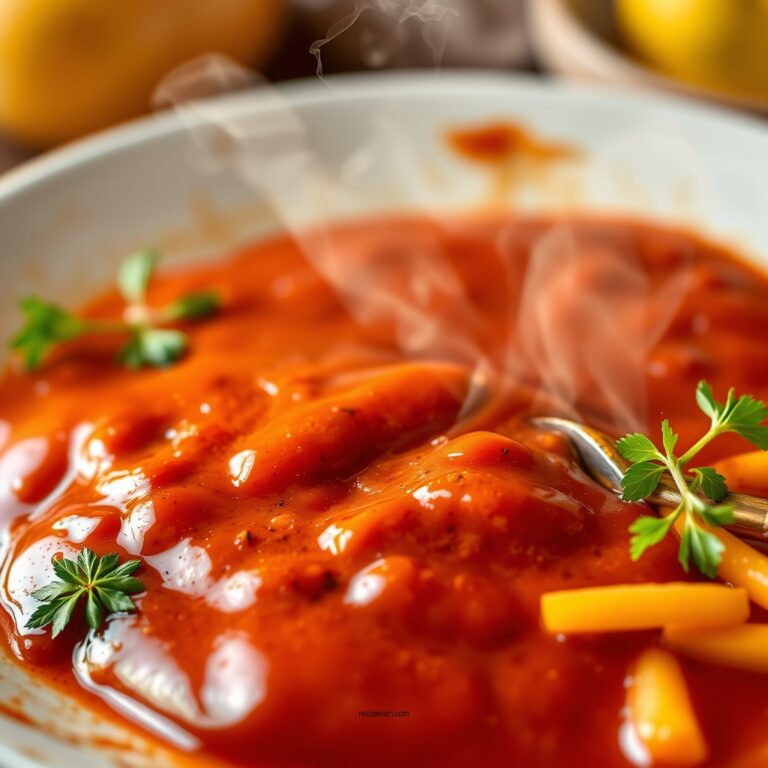
– Achieving the Right Consistency: Continue whisking until the sauce is smooth, creamy, and thick enough to coat the back of a spoon. If the sauce is too thick, you can whisk in a little warm water or lemon juice to adjust the consistency.
Nutritional Breakdown of Ingredients in Hollandaise Sauce
| # | Ingredient | Calories (per 100g) | Fat (g) | Protein (g) | Carbs (g) |
|---|---|---|---|---|---|
| 1 | Egg Yolks | 322 | 27 | 16 | 0.6 |
| 2 | Unsalted Butter | 717 | 81 | 1 | 0.1 |
| 3 | Lemon Juice | 22 | 0.2 | 0.4 | 6.9 |
Flavor Enhancements
The beauty of hollandaise sauce lies not only in its traditional preparation but also in the myriad ways you can enhance its flavor.
– Seasoning: Basic seasoning with salt and white pepper is essential to elevate the overall taste. The salt enhances the flavors, while white pepper offers a subtle heat without discoloring the sauce.
– Optional Ingredients: For those looking to experiment, adding a teaspoon of Dijon mustard can bring a delightful tanginess, while a pinch of cayenne pepper adds a gentle kick. Fresh herbs like chives or dill can also be whisked in for a refreshing twist.
Common Mistakes to Avoid
While making hollandaise sauce can be straightforward, there are a few common mistakes to watch for:
– Cooking Too Fast: One of the biggest pitfalls is using direct heat. This can cause the eggs to scramble instead of gently thickening the sauce. Always opt for a double boiler or a bowl over simmering water.
– Not Whisking Enough: Continuous whisking is vital for proper emulsification. If you stop whisking while adding the butter, the sauce may separate or become grainy. Make sure to whisk continuously for a smooth, creamy texture.
Common Mistakes in Making Hollandaise Sauce
Serving Suggestions
Hollandaise sauce is incredibly versatile and can enhance a wide array of dishes.
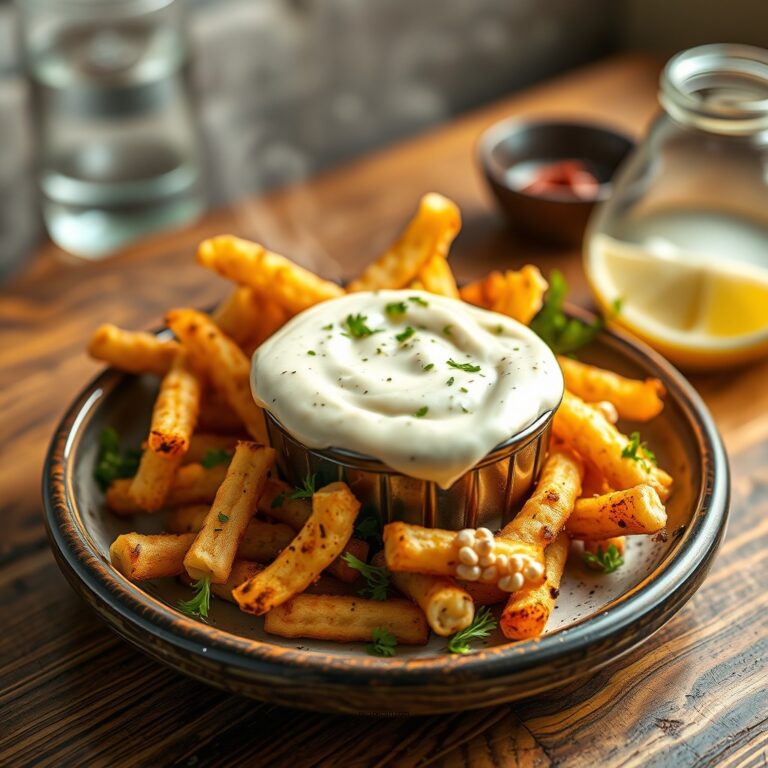
– Classic Pairings: It is most famously served over poached eggs in eggs Benedict, but it also works beautifully with steamed asparagus, drizzled over freshly cooked fish, or as a luxurious sauce for vegetables.
– Creative Uses: Don’t hesitate to experiment! Hollandaise can be drizzled over roasted vegetables for added richness or used as a dip for seafood like shrimp or crab. It can also be a delightful topping for savory crepes or savory pastries.
Summarizing the steps to make hollandaise sauce, it’s evident that with a few simple ingredients and techniques, you can create a delicious and versatile sauce at home. Give this recipe a try and elevate your next meal! Don’t forget to share your results or any variations you try!
Frequently Asked Questions
What are the essential ingredients for a classic hollandaise sauce?
The essential ingredients for a classic hollandaise sauce include egg yolks, unsalted butter, lemon juice, and a pinch of salt. These simple ingredients come together to create a rich and creamy sauce that is perfect for eggs Benedict, vegetables, and fish.
How do you make hollandaise sauce without curdling the eggs?
To make hollandaise sauce without curdling the eggs, it is crucial to whisk the egg yolks gently over low heat and to add the melted butter slowly while continuously whisking. Using a double boiler can also help maintain a stable temperature, preventing the eggs from cooking too quickly and curdling.
Why does my hollandaise sauce separate, and how can I fix it?
Hollandaise sauce may separate if the butter is added too quickly or if the sauce is overheated. To fix it, you can try whisking in a few drops of warm water or lemon juice to re-emulsify the sauce. If it’s too thick, adding a bit of warm water can also help restore the right consistency.
What is the best way to store leftover hollandaise sauce?
The best way to store leftover hollandaise sauce is in an airtight container in the refrigerator for up to two days. When ready to use, gently reheat it in a double boiler or microwave in short intervals, stirring frequently to maintain its smooth texture.
Which dishes pair best with hollandaise sauce?
Hollandaise sauce pairs best with dishes like eggs Benedict, asparagus, and salmon. Its rich and tangy flavor complements the delicate taste of poached eggs, steamed vegetables, and grilled fish, making it a versatile sauce for various meals.
References
- Hollandaise sauce
https://en.wikipedia.org/wiki/Hollandaise_sauce - Hollandaise sauce recipes – BBC Food
https://www.bbc.co.uk/food/hollandaise_sauce - https://www.foodnetwork.com/recipes/hollandaise-sauce-recipe-1946153
https://www.foodnetwork.com/recipes/hollandaise-sauce-recipe-1946153 - https://www.seriouseats.com/hollandaise-sauce-recipe-5114558
https://www.seriouseats.com/hollandaise-sauce-recipe-5114558 - https://www.mayoclinic.org/healthy-lifestyle/nutrition-and-healthy-eating/in-depth/what-is-hollandaise-sauce/art-20462469
https://www.mayoclinic.org/healthy-lifestyle/nutrition-and-healthy-eating/in-depth/what-is-hollandaise-sauce/art-20462469 - https://www.verywellfit.com/hollandaise-sauce-nutrition-facts-4114010
https://www.verywellfit.com/hollandaise-sauce-nutrition-facts-4114010 - https://www.sciencedirect.com/topics/food-science/hollandaise-sauce
https://www.sciencedirect.com/topics/food-science/hollandaise-sauce - Google Scholar Google Scholar
https://scholar.google.com/scholar?q=hollandaise+sauce - Google Scholar Google Scholar
https://scholar.google.com/scholar?q=recipe+for+hollandaise+sauce - Google Scholar Google Scholar
https://scholar.google.com/scholar?q=culinary+science+hollandaise+sauce