Creating a delightful mousse frosting is simpler than you might think! This light and airy frosting is perfect for cakes and cupcakes, giving your desserts a rich flavor without overwhelming sweetness. In this guide, you’ll learn how to make a basic mousse frosting, explore variations, and get tips for perfecting your technique.
What is Mousse Frosting?
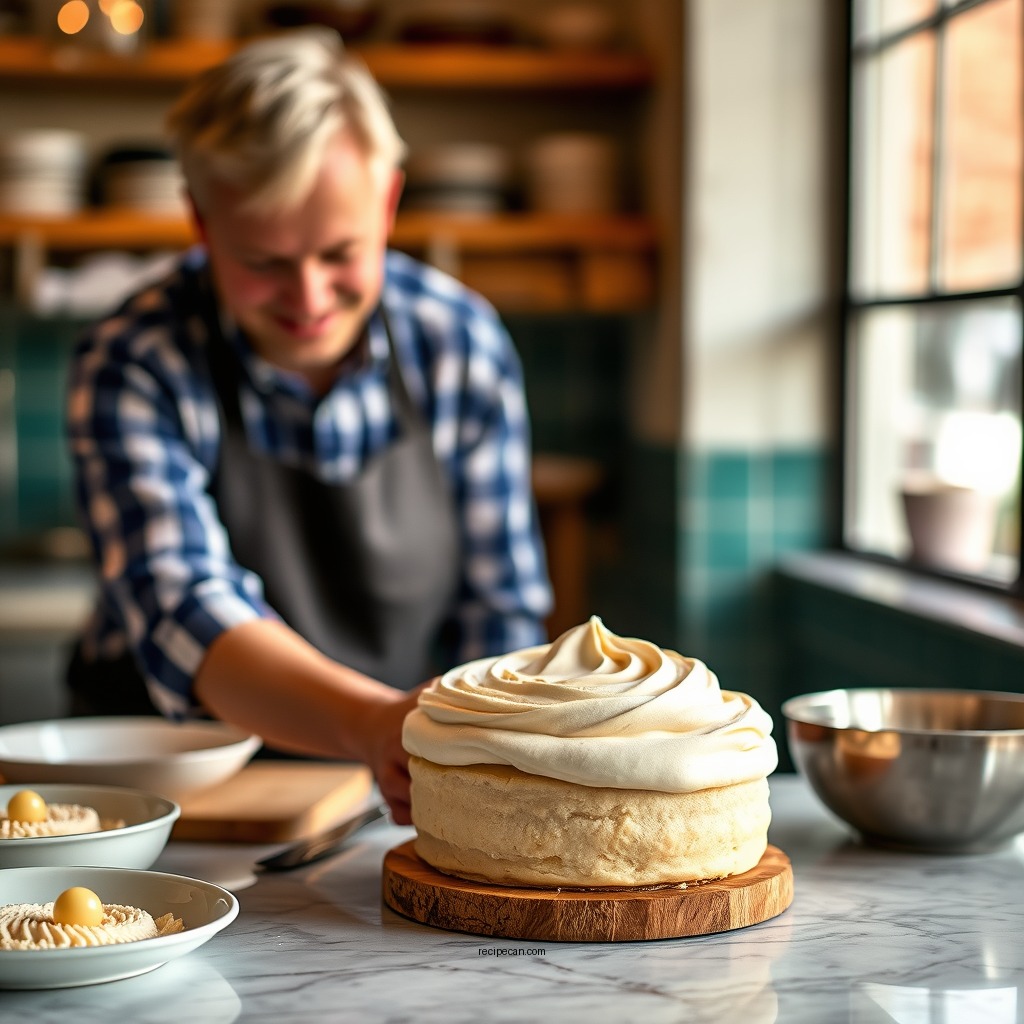
Mousse frosting is a unique dessert topping characterized by its light, airy texture and rich flavor. Typically made from whipped cream and a flavoring agent—such as chocolate or fruit puree—this frosting offers a luxurious mouthfeel that contrasts sharply with denser traditional frostings like buttercream. Unlike traditional frostings, which can be overly sweet and heavy, mousse frosting provides a delicate balance that enhances the overall dessert experience. Its versatility allows it to be used as a filling for cakes or as a topping for cupcakes and other sweets, making it a favorite among both home bakers and professional pastry chefs.
Essential Ingredients for Mousse Frosting
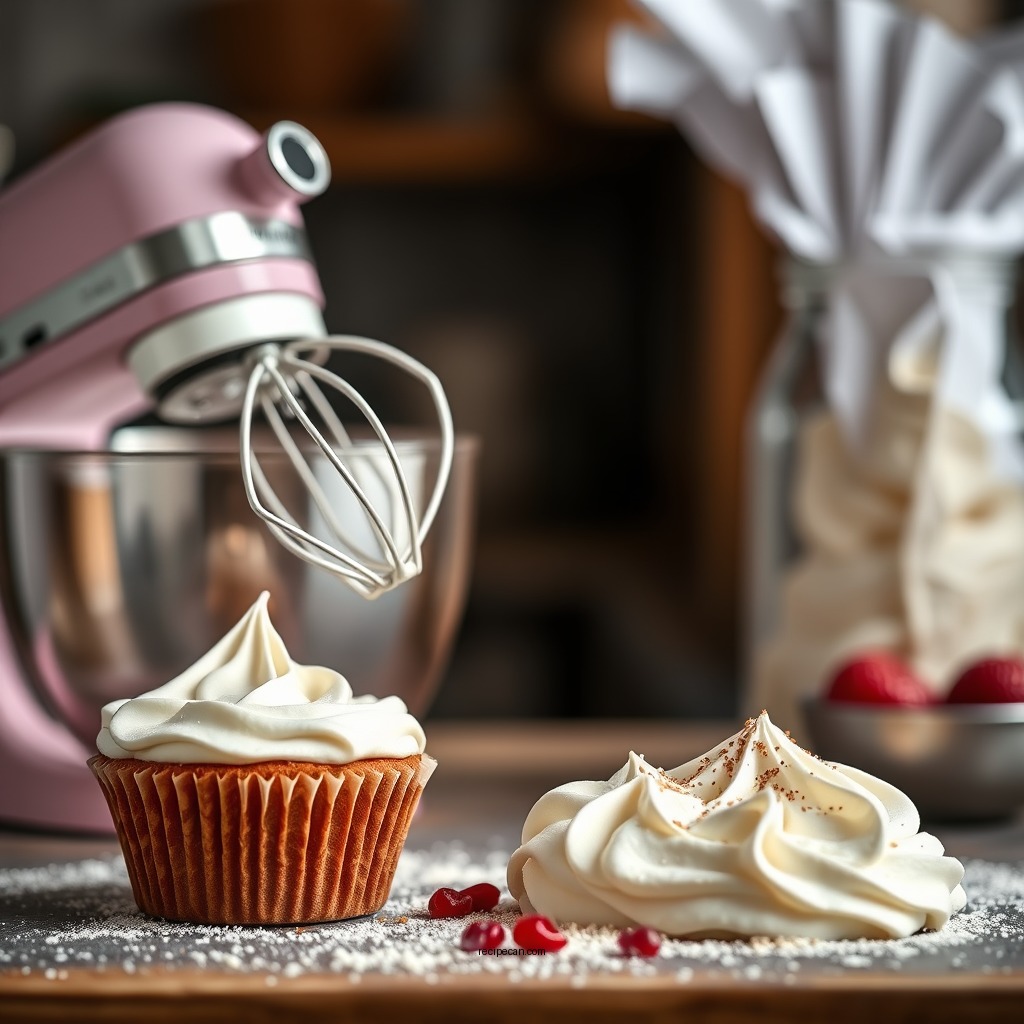
To create an exceptional mousse frosting, you’ll need a few essential ingredients:
– Heavy Cream: The backbone of any mousse frosting, heavy cream must be whipped to form soft peaks, providing the desired texture and stability.
– Flavoring Agent: This can be chocolate, fruit puree, or coffee. High-quality chocolate or fresh fruit can elevate the frosting’s flavor profile significantly.
– Sugar: A small amount of sugar is typically added to sweeten the frosting without overpowering the other flavors.
– Gelatin (optional): For added stability, especially in warmer environments, a small amount of gelatin can be used to help the mousse hold its shape.
The quality of these ingredients plays a critical role in the final product. Opting for fresh, high-quality cream and premium flavorings will yield a mousse frosting that is richer and more delicious.
Step-by-Step Mousse Frosting Recipe
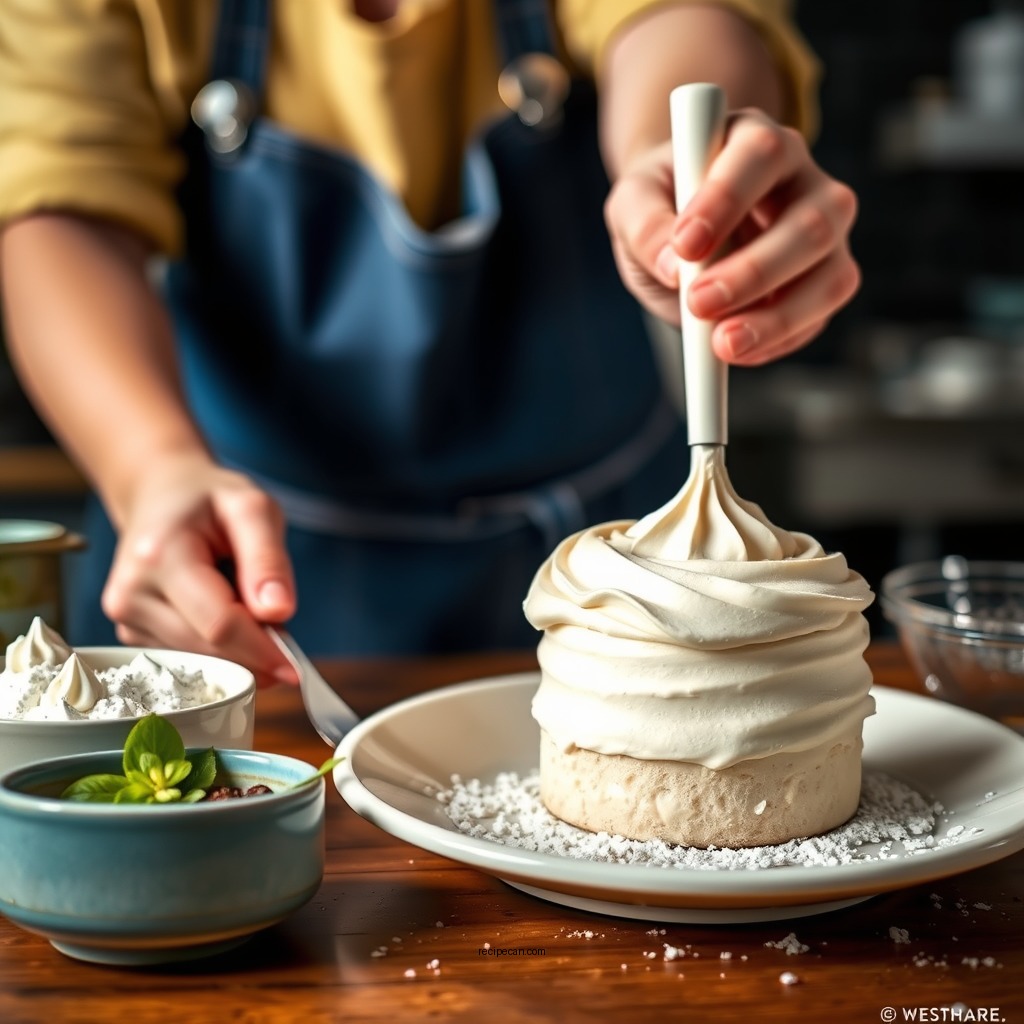
Here’s how to make mousse frosting from scratch:
1. Whip the Cream: In a chilled bowl, pour in 2 cups of heavy cream. Using an electric mixer, whip the cream on medium speed until it starts to thicken. Gradually add 1/4 cup of sugar and continue whipping until soft peaks form. Be careful not to overwhip, as this can lead to a grainy texture.
2. Incorporate the Flavor: Depending on your chosen flavor, melt 8 ounces of high-quality chocolate or prepare 1/2 cup of fruit puree (such as raspberry or strawberry). Allow the chocolate to cool slightly if melted, then gently fold it into the whipped cream until fully combined.
3. Chill the Mixture: For best results, refrigerate the mousse for about 30 minutes. This will help it firm up and make it easier to spread.
4. Decorate Your Desserts: Once chilled, your mousse frosting is ready to be used! Spread it generously over cakes or cupcakes, or use a piping bag for more intricate designs.
Tips for Achieving the Right Consistency and Texture
– Always start with cold equipment (bowls, beaters) to ensure the cream whips properly.
– Be gentle when folding the chocolate or fruit puree into the whipped cream to maintain the airy texture.
– If using gelatin for stability, dissolve 1 tablespoon of unflavored gelatin in 1/4 cup of warm water and allow it to cool before incorporating it into the mixture.
Key Ingredients for Mousse Frosting
| # | Ingredient | Quantity | Importance |
|---|---|---|---|
| 1 | Heavy Cream | 2 cups | Base Ingredient |
| 2 | Sugar | 1/4 cup | Sweetening Agent |
| 3 | Chocolate | 8 oz | Flavor Base |
| 4 | Fruit Puree | 1/2 cup | Alternative Flavor |
| 5 | Gelatin | 1 tbsp (optional) | Stabilizer |
| 6 | Vanilla Extract | 1 tsp | Flavor Enhancer |
Flavor Variations to Try
Mousse frosting is incredibly versatile, allowing you to experiment with a variety of flavors. Here are some suggestions:
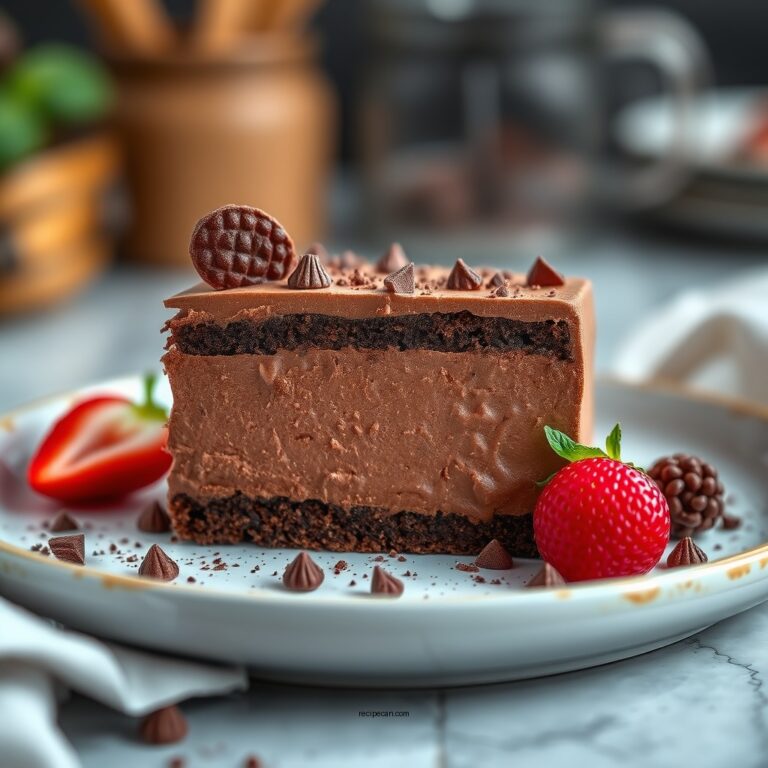
– Chocolate Mousse Frosting: Use dark, milk, or white chocolate to tailor the sweetness to your liking. You can also mix in chocolate chips for added texture.
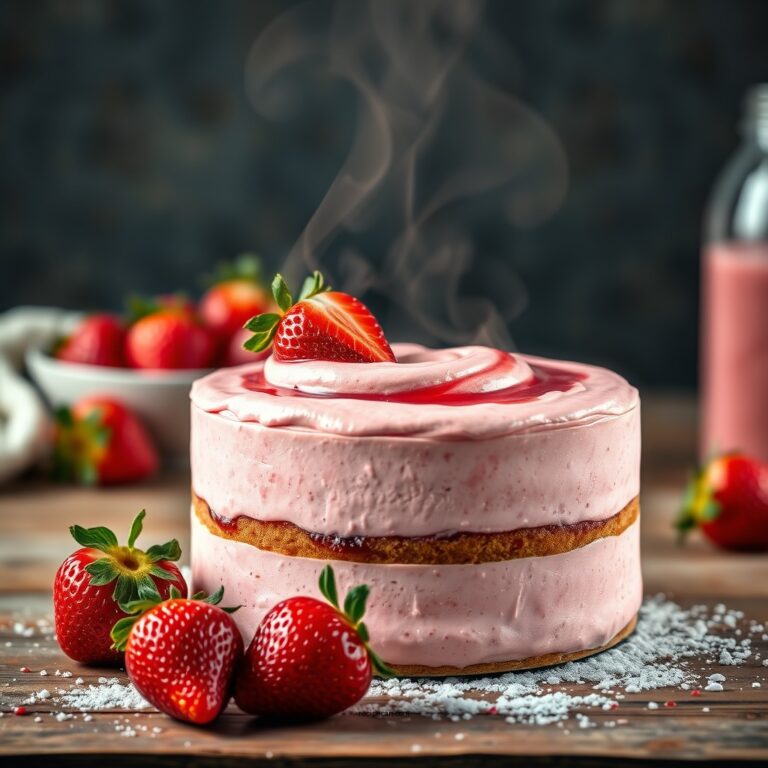
– Fruit-Infused Mousse: Incorporate pureed fruits such as strawberries, raspberries, or mangoes. This adds a refreshing taste and a pop of color to your desserts.
– Coffee Mousse: A perfect choice for coffee lovers, simply dissolve instant coffee granules in a small amount of hot water and fold it into the whipped cream.
– Nut Flavors: Add finely crushed nuts or nut extracts, like hazelnut or almond, to create a rich, nutty flavor profile.
Consider garnishing your mousse frosting with fresh fruit, chocolate shavings, or toasted nuts to enhance both flavor and presentation.
Common Mistakes to Avoid
Creating the perfect mousse frosting involves some common pitfalls that bakers often encounter:
– Overwhipping the Cream: This can lead to a grainy texture instead of the desired fluffy consistency. Keep a close eye while whipping and stop as soon as soft peaks form.
– Not Folding Gently: When incorporating the flavoring, be careful not to deflate the whipped cream. Use a spatula to fold gently until just combined.
– Skipping the Chill Step: Allowing the mousse frosting to chill for at least 30 minutes ensures it firms up, making it easier to spread and decorate.
In case you encounter separation, gently re-whip the mousse frosting to reincorporate the ingredients.
Decorating Tips with Mousse Frosting
Applying mousse frosting to your desserts can be a creative endeavor. Here are some techniques:
– Spreading: Use an offset spatula to spread the mousse evenly over cakes or cupcakes. A swirling motion can create a beautiful texture.
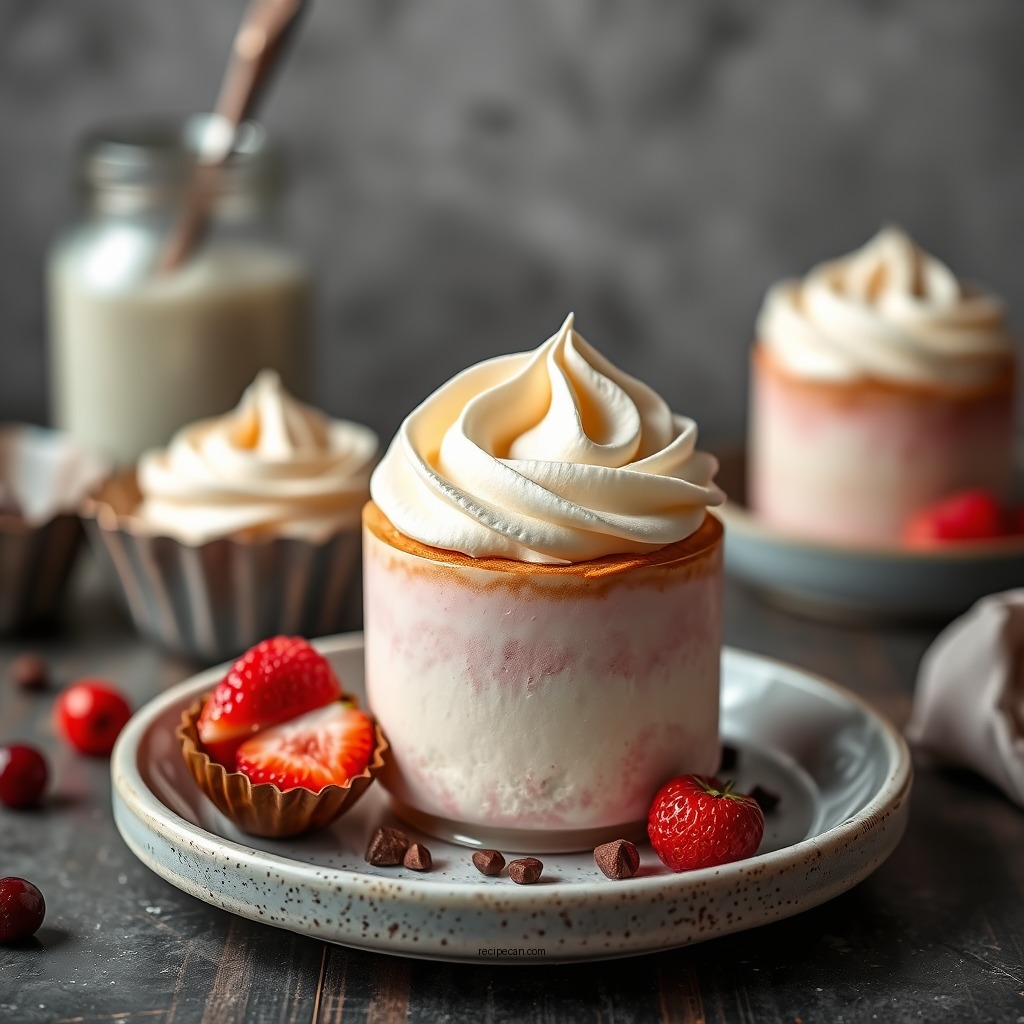
– Piping: For a more decorative approach, fill a piping bag with mousse frosting. Use different tips to create various designs, such as rosettes or shells.
– Layering: If you’re making a multi-layer cake, consider using mousse frosting as a filling between layers for added richness.
Creative Ideas for Garnishing and Presentation
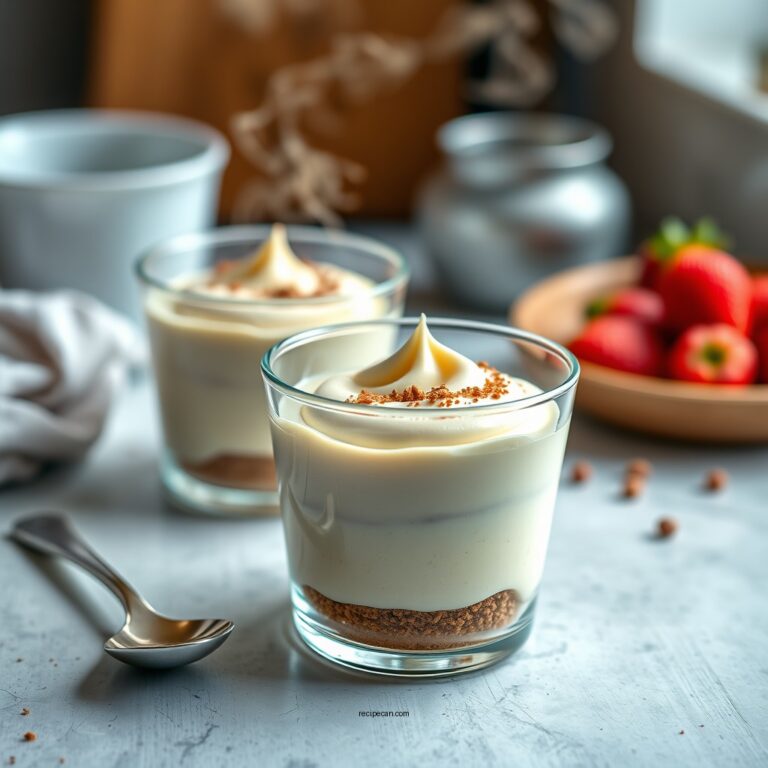
Enhance your desserts with garnishes like fresh berries, edible flowers, or a dusting of cocoa powder. Consider creating a layered dessert in a glass, alternating layers of mousse frosting with cake or crumbled cookies for a visually appealing treat.
Storing and Serving Mousse Frosting
Mousse frosting can be stored in an airtight container in the refrigerator for up to three days. To maintain its texture, give it a quick whip before using it again. If you’re using it for a cake, consider assembling and frosting the cake just before serving to ensure optimal freshness.
When serving, pair your mousse-frosted desserts with complementary flavors, such as a scoop of vanilla ice cream or a cup of coffee, to create a well-rounded experience for your guests.
Creating mousse frosting is not only easy but also allows for creativity in flavors and decorations. With the steps outlined in this article, you’re ready to impress friends and family with your delicious desserts. Try out the recipe today and share your creations!
Frequently Asked Questions
What are the essential ingredients for a mousse frosting recipe?
The essential ingredients for a mousse frosting recipe typically include heavy cream, sugar, and chocolate or fruit puree for flavor. You may also need gelatin or egg whites to stabilize the mousse, depending on the recipe. Using high-quality chocolate or fresh fruit will enhance the flavor and texture of your frosting.
How do I make a light and fluffy mousse frosting?
To make a light and fluffy mousse frosting, start by whipping heavy cream until soft peaks form. Gradually fold in melted chocolate or fruit puree along with any stabilizers like gelatin. Be gentle while folding to maintain the airiness, which is key to achieving that signature mousse texture.
Why is my mousse frosting not holding its shape?
If your mousse frosting is not holding its shape, it may be due to insufficient whipping of the cream or not using a stabilizer like gelatin. Additionally, if the chocolate or fruit puree is too warm when folded in, it can cause the whipped cream to deflate. Ensure all ingredients are at the right temperatures and properly whipped for optimal stability.
What is the best type of chocolate for a chocolate mousse frosting?
The best type of chocolate for a chocolate mousse frosting is high-quality dark chocolate with a cocoa content of at least 60%. This will provide a rich and deep flavor that balances well with the sweetness of the cream. Alternatively, you can use milk chocolate for a sweeter option or white chocolate for a creamier, more delicate frosting.
Which desserts pair well with mousse frosting?
Mousse frosting pairs well with a variety of desserts, including cakes, cupcakes, and brownies. It can enhance the flavor of chocolate cakes or add a creamy layer to fruit tarts. Additionally, mousse frosting can be used to fill pastries or as a topping for ice cream sundaes, making it a versatile choice for many sweet treats.
References
- Frosting
https://en.wikipedia.org/wiki/Frosting - https://www.sciencedirect.com/topics/food-science/frosting
https://www.sciencedirect.com/topics/food-science/frosting - https://www.nytimes.com/2020/06/10/dining/recipes-chocolate-mousse-frosting.html
https://www.nytimes.com/2020/06/10/dining/recipes-chocolate-mousse-frosting.html - Google Scholar Google Scholar
https://scholar.google.com/scholar?q=mousse+frosting+recipe - Google Scholar Google Scholar
https://scholar.google.com/scholar?q=frosting+techniques - Google Scholar Google Scholar
https://scholar.google.com/scholar?q=dessert+frosting+recipes - https://www.britannica.com/topic/frosting
https://www.britannica.com/topic/frosting - https://www.ncbi.nlm.nih.gov/pmc/articles/PMC7025060/
https://www.ncbi.nlm.nih.gov/pmc/articles/PMC7025060/ - https://www.foodnetwork.com/recipes/articles/what-is-frosting
https://www.foodnetwork.com/recipes/articles/what-is-frosting - mousse frosting recipe – Search results
https://en.wikipedia.org/wiki/Special:Search?search=mousse+frosting+recipe