An easy mayonnaise recipe using an immersion blender is the quickest and most foolproof method for achieving creamy, homemade mayonnaise in minutes. This straightforward approach eliminates the guesswork often associated with traditional techniques, making it ideal for busy cooks. Discover how to whip up this versatile condiment effortlessly, ensuring your meals are always elevated with fresh flavor.
Making mayonnaise with an immersion blender is not only quick but also yields a creamy and delicious result in just minutes. This method is perfect for those who want a fresh, homemade condiment without the hassle of traditional whisking. In this article, you’ll learn how to create your own mayonnaise, the ingredients you’ll need, and tips for perfecting your recipe.
Ingredients Needed for Homemade Mayonnaise
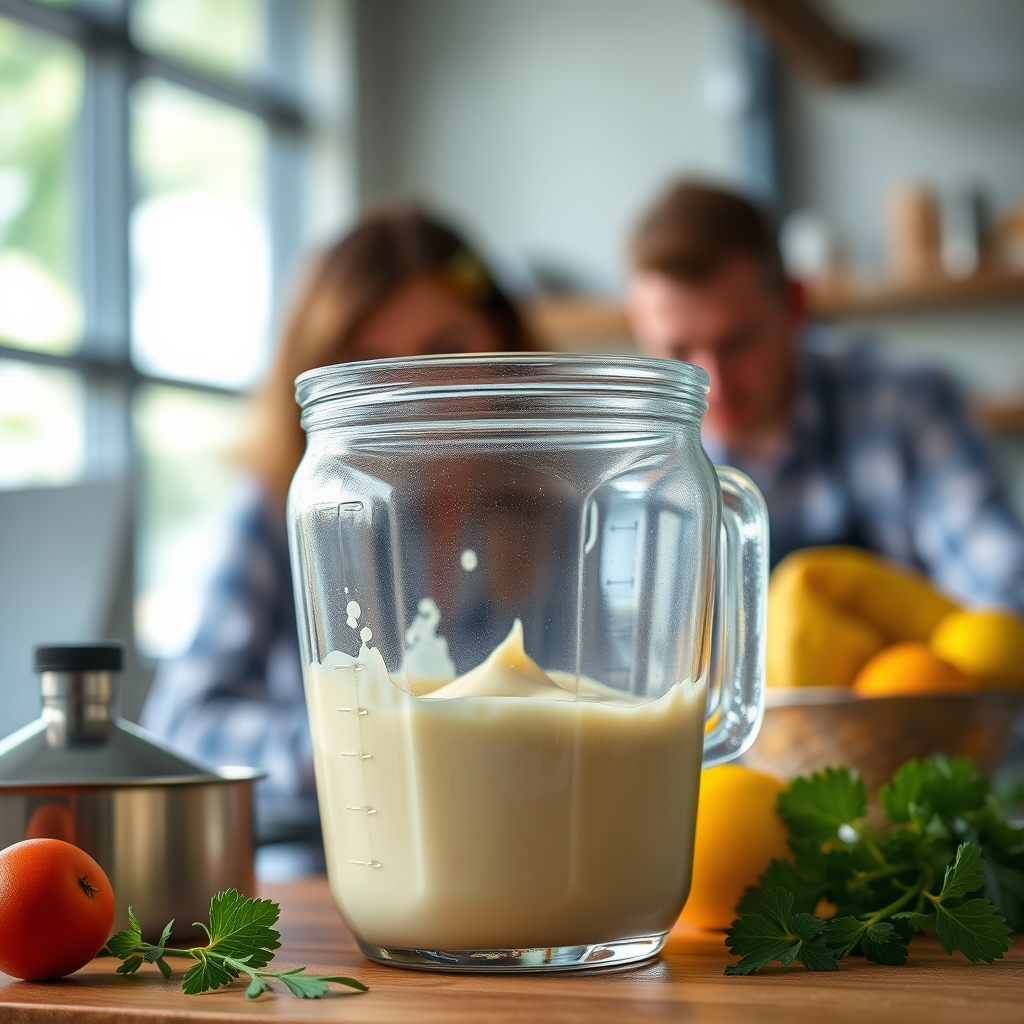
To create a rich and flavorful mayonnaise, you will need the following essential ingredients:
– Fresh Egg Yolks: The primary component responsible for the emulsification process, which binds the oil and other ingredients together to create a stable, creamy texture.
– Oil: Using a neutral oil such as canola, grapeseed, or light olive oil is recommended for the best flavor profile. This choice allows the mayonnaise to maintain a light taste without overpowering the other ingredients.
– Acid: Incorporating an acid, such as fresh lemon juice or white vinegar, adds brightness and helps balance the richness of the mayonnaise. The acidity also plays a role in extending the shelf life of your homemade condiment.
These ingredients come together to form a basic mayonnaise, but they also serve as a foundation for various flavor enhancements that can cater to your specific palate.
Step-by-Step Guide to Making Mayonnaise

Creating mayonnaise is a straightforward process when using an immersion blender. Follow these steps for the best results:
– Add Ingredients: Begin by placing the fresh egg yolks, oil, and acid into a tall, narrow container that is suitable for the immersion blender. A container with a wide mouth will allow the blender to function more effectively.
– Blend: Insert the immersion blender into the container, ensuring it reaches the bottom. Start blending at the lowest speed to begin emulsifying the egg yolks with the oil. Gradually raise the immersion blender while continuing to blend, which will help incorporate the remaining oil. In just 30 to 60 seconds, you should see the mixture transform into a thick, creamy mayonnaise.
This quick method eliminates the need for constant whisking and allows for a perfectly emulsified result every time.
Tips for Perfecting Your Mayonnaise
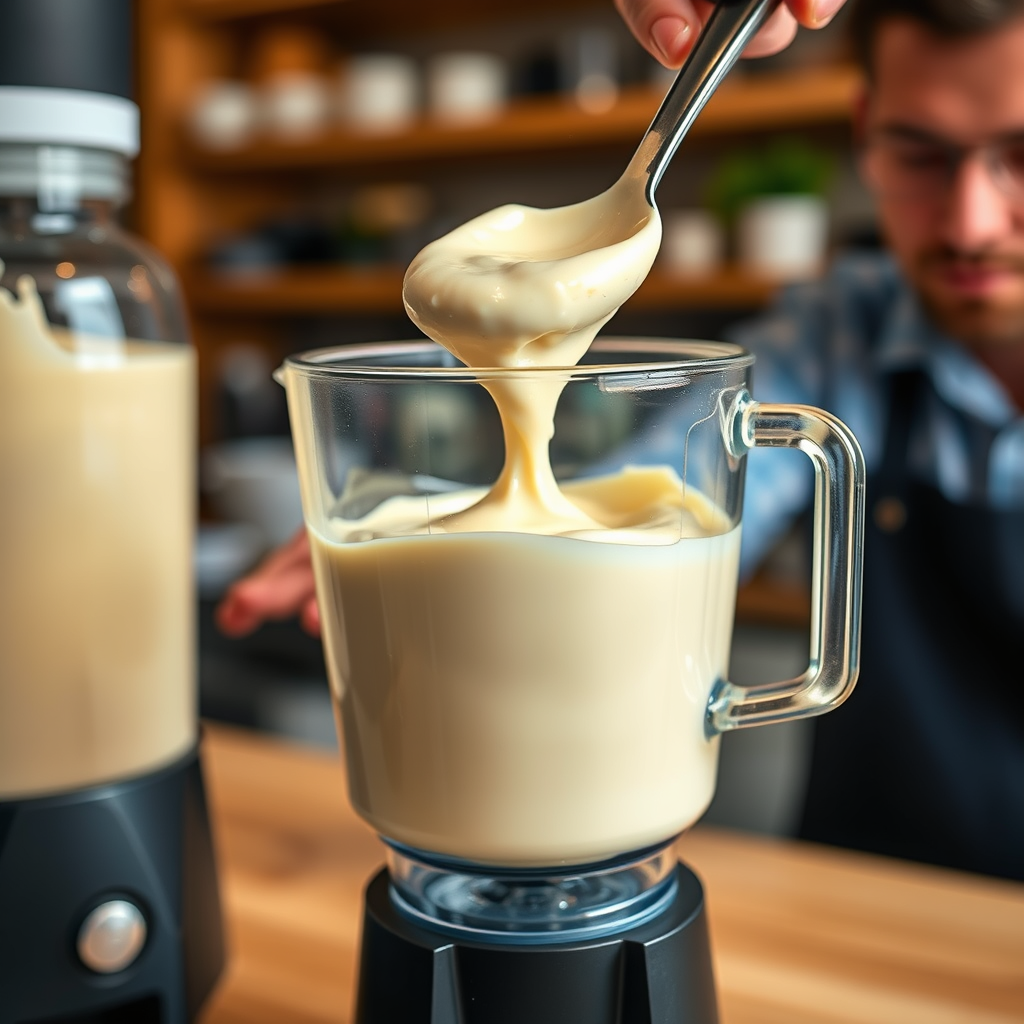
To ensure your mayonnaise turns out perfectly, consider the following tips:
– Use Room Temperature Ingredients: Allow the egg yolks and other ingredients to reach room temperature before mixing. This step enhances the emulsion process, making it easier for the ingredients to combine smoothly.
– Start Slow: When blending, initiate the process at the bottom of the container where the egg yolks are located. This helps to create a stable emulsion. Slowly lift the immersion blender upwards as the mixture thickens to incorporate all the oil evenly.
– Taste and Adjust: After blending, taste your mayonnaise and adjust seasoning as needed. You may want to add salt, pepper, or additional acid to tailor the flavor to your preference.
📋 DATA
Top 7 Mayonnaise Brands by Popularity (2024)
| # | Brand | Popularity Rating | Flavor Variety | Availability |
|---|---|---|---|---|
| 1 | Hellmann’s | ★★★★☆ | Classic, Light, Organic | Widely Available |
| 2 | Duke’s | ★★★★☆ | Classic, Spicy, Southern | Regional |
| 3 | Kraft | ★★★☆☆ | Classic, Reduced Fat | Widely Available |
| 4 | Best Foods | ★★★★☆ | Classic, Organic | Widely Available |
| 5 | Sir Kensington’s | ★★★★★ | Classic, Chipotle, Avocado Oil | Specialty Stores |
| 6 | Vegenaise | ★★★★☆ | Classic, Chipotle, Garlic | Natural Food Stores |
| 7 | Primal Kitchen | ★★★★☆ | Classic, Avocado Oil | Natural Food Stores |
Flavor Variations to Try
Experimenting with various flavor profiles can elevate your mayonnaise from a simple condiment to a gourmet delight. Here are some popular variations:
– Garlic Mayonnaise: Add minced garlic and a pinch of salt to create a flavorful aioli. This variation complements sandwiches, fries, and grilled meats beautifully.
– Herb-Infused Mayonnaise: Blend in fresh herbs such as basil, dill, or parsley for a refreshing twist. This herbaceous mayonnaise is perfect for dipping vegetables or spreading on wraps.
– Spicy Mayonnaise: Incorporate sriracha or hot sauce to add heat to your mayonnaise. This spicy kick works well with burgers and tacos.
– Citrus Mayonnaise: Squeeze in some fresh lime or orange juice for a zesty kick. The citrus notes can brighten up seafood dishes or salads.
Troubleshooting Common Issues
Even with the best intentions, mayonnaise can sometimes present challenges. Here are common issues and how to resolve them:
– Runny Mayonnaise: If your mayonnaise doesn’t thicken as expected, slowly drizzle in more oil while blending. This additional oil can help achieve the desired consistency.
– Broken Mayonnaise: If your mayonnaise separates, don’t despair. Add a teaspoon of warm water to the mixture and blend again. The heat can help stabilize the emulsion.
– Over-Whipping: If the mayonnaise becomes too thick, you can thin it out by adding a small amount of water or lemon juice and blending until you reach the desired consistency.
Storing Your Homemade Mayonnaise
To enjoy your homemade mayonnaise for an extended period, proper storage is crucial:
– Refrigeration: Store your mayonnaise in an airtight container in the refrigerator. Properly stored, it should last for up to one week. Always label your container with the date of preparation to keep track of its freshness.
– Avoid Contamination: To prevent spoilage, always use clean utensils when scooping out mayonnaise. Avoid dipping directly into the jar with food items.
– Consider Freezing: While mayonnaise can be frozen, it may alter the texture upon thawing. If you choose to freeze it, consider using it in cooked dishes like casseroles rather than as a standalone condiment.
Making mayonnaise with an immersion blender is a simple and rewarding process that allows you to customize flavors and ingredients. By following the steps outlined, you can enjoy fresh, homemade mayonnaise anytime. So gather your ingredients, grab your immersion blender, and start whipping up this delicious condiment today!
Frequently Asked Questions
What ingredients do I need for a mayonnaise recipe using an immersion blender?
For a basic mayonnaise recipe using an immersion blender, you’ll need one large egg, one tablespoon of Dijon mustard, one tablespoon of white vinegar or lemon juice, and one cup of neutral oil (like canola or avocado oil). Additionally, you can add salt and pepper to taste for seasoning. This simple combination yields creamy and flavorful mayonnaise in minutes.
How do I make mayonnaise with an immersion blender?
To make mayonnaise with an immersion blender, add the egg, mustard, vinegar, and salt to a tall container. Pour in the oil, then insert the immersion blender and blend at the bottom of the container for about 20 seconds. Slowly move the blender up and down until the mixture emulsifies into a thick, creamy mayonnaise.
Why is my mayonnaise not emulsifying with an immersion blender?
If your mayonnaise is not emulsifying, it may be due to using an oil that is too cold or not incorporating the ingredients properly. Make sure all ingredients are at room temperature before starting, and ensure that you blend from the bottom of the container and gradually move up. If it still fails, you can start over with a new egg and slowly add the failed mixture as an emulsifier.
What is the best immersion blender for making mayonnaise?
The best immersion blender for making mayonnaise is one with a powerful motor and a sturdy blending shaft, like the Breville BSB510XL or the Cuisinart CSB-175. These models are designed for quick emulsification and can easily handle the thickness of mayonnaise, ensuring a smooth and consistent texture every time.
Which oil is best for homemade mayonnaise with an immersion blender?
The best oils for homemade mayonnaise are neutral-flavored oils like canola, grapeseed, or light olive oil, as they won’t overpower the flavor of the mayonnaise. For a richer taste, you can also use avocado oil or a blend of oils. Just ensure the oil is fresh and of high quality for the best results.
References
- Mayonnaise
https://en.wikipedia.org/wiki/Mayonnaise - https://www.sciencedirect.com/topics/food-science/mayonnaise
https://www.sciencedirect.com/topics/food-science/mayonnaise - Biting midges of Egypt (Diptera: Ceratopogonidae) – PMC
https://www.ncbi.nlm.nih.gov/pmc/articles/PMC7203177/ - https://www.mayoclinic.org/healthy-lifestyle/nutrition-and-healthy-eating/in-depth/healthy-fats/art-20045415
https://www.mayoclinic.org/healthy-lifestyle/nutrition-and-healthy-eating/in-depth/healthy-fats/art-20045415 - https://www.bbc.com/food/recipes/mayonnaise_94549
https://www.bbc.com/food/recipes/mayonnaise_94549 - https://www.theguardian.com/food/2019/may/09/how-to-make-mayonnaise
https://www.theguardian.com/food/2019/may/09/how-to-make-mayonnaise - Google Scholar Google Scholar
https://scholar.google.com/scholar?q=mayonnaise+recipe+immersion+blender - https://scholar.google.com/scholar?q=immersion+blender+mayonnaise+recipe Google Scholar
https://scholar.google.com/scholar?q=immersion+blender+mayonnaise+recipe - Google Scholar Google Scholar
https://scholar.google.com/scholar?q=mayonnaise+homemade+recipes - https://www.nature.com/articles/s41598-019-50743-3
https://www.nature.com/articles/s41598-019-50743-3