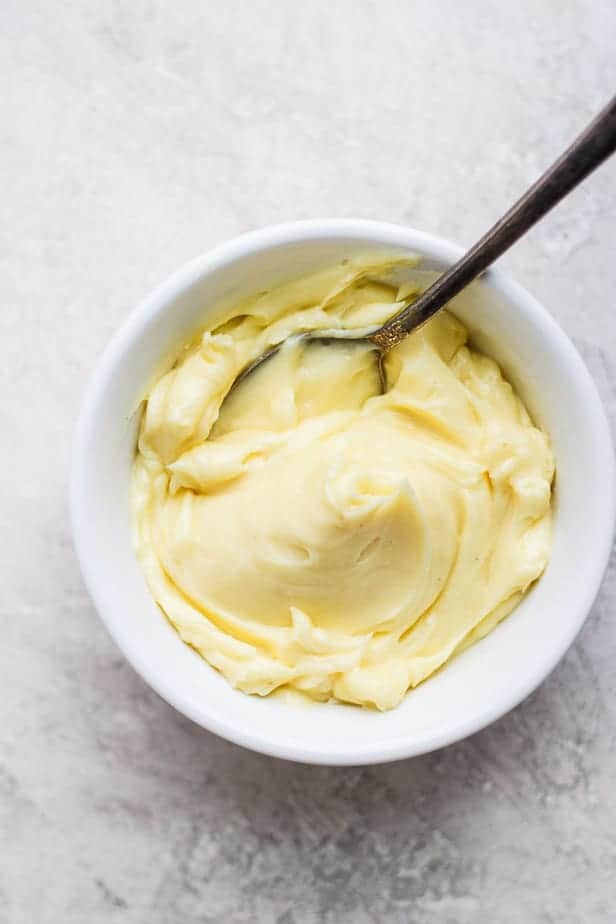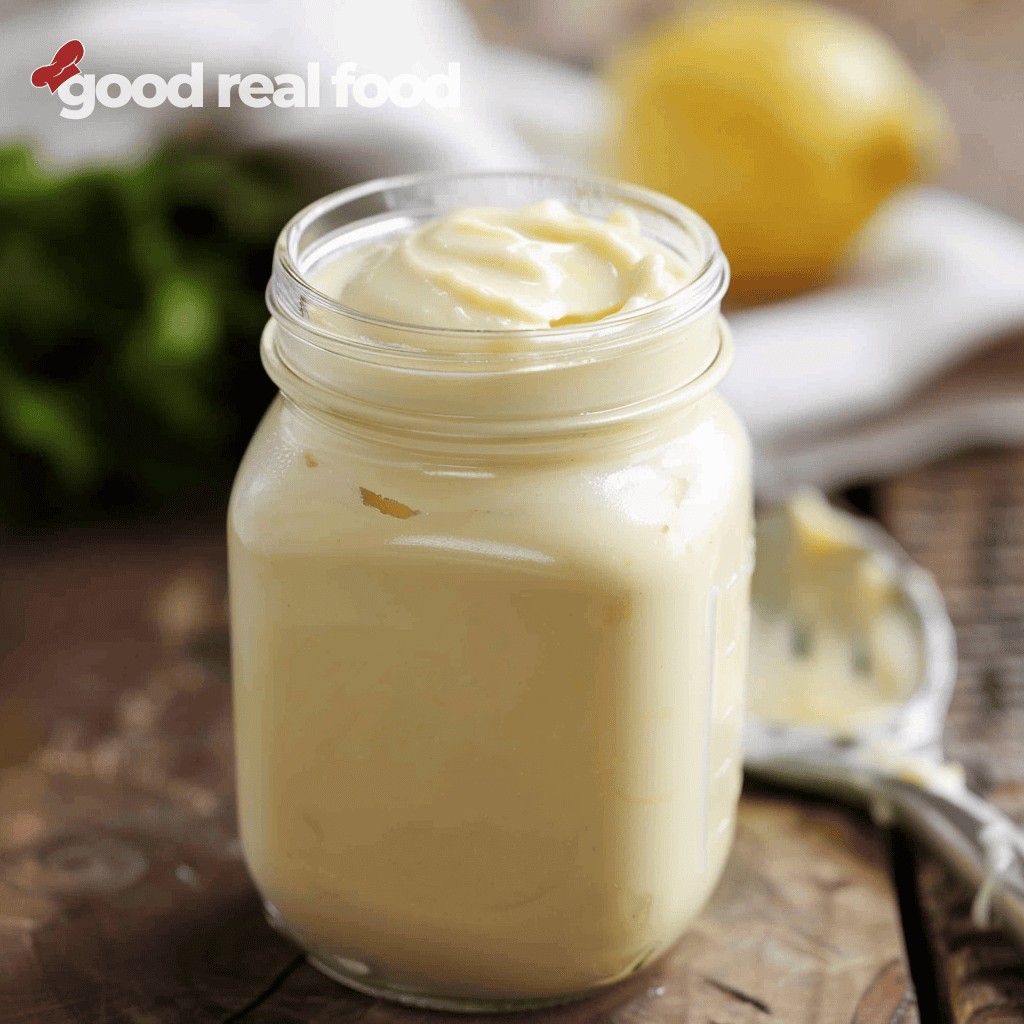
Easy homemade mayonnaise is the superior choice for anyone seeking a fresh, customizable condiment that can be whipped up in minutes. This recipe delivers rich flavor and creamy texture, making it a quick solution for enhancing sandwiches, salads, and dips. With just a few simple ingredients, you’ll discover how effortless and rewarding homemade mayo can be. Say goodbye to store-bought options and elevate your meals with this straightforward approach.
Making homemade mayonnaise is not only a quick and straightforward process, but it also allows you to create a creamy, flavorful condiment tailored to your taste. With just a few basic ingredients and minimal effort, you can produce a delectable batch of mayonnaise in mere minutes. In this article, we’ll guide you through a simple recipe, essential tools, and tips to make your homemade mayonnaise a culinary success.
Ingredients You’ll Need
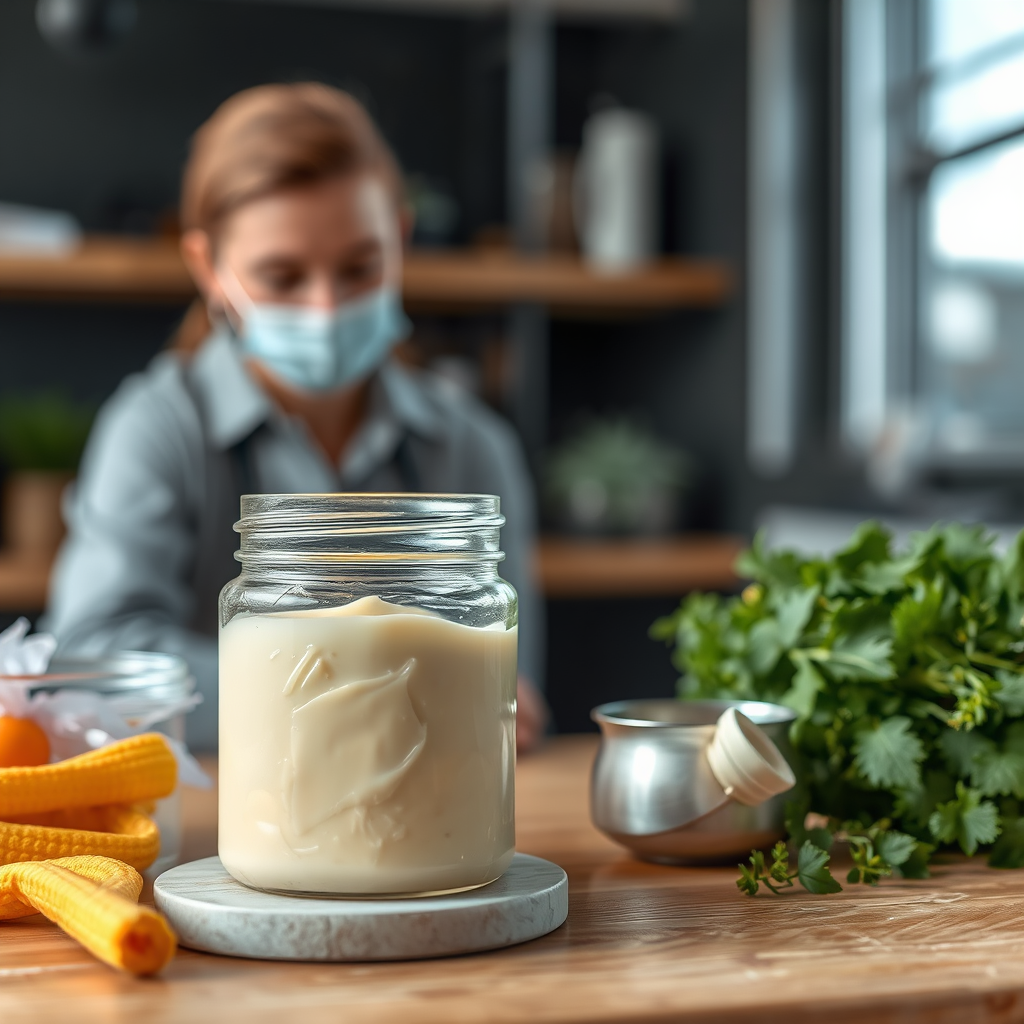
To make your homemade mayonnaise, you will need the following ingredients:
– 1 large egg (at room temperature): The egg serves as the base for the emulsion, providing richness and flavor.
– 1 cup of neutral oil (like canola or sunflower): This is essential for creating the creamy texture; using a neutral oil prevents overpowering the mayonnaise’s flavor.
– 1 tablespoon of vinegar or lemon juice: This adds acidity and brightness to the mayonnaise, balancing the richness of the egg and oil.
– Salt to taste: Salt enhances the overall flavor, allowing the other ingredients to shine.
These four ingredients are fundamental, but they can be adjusted or enhanced to suit your palate.
Essential Tools for Making Mayonnaise
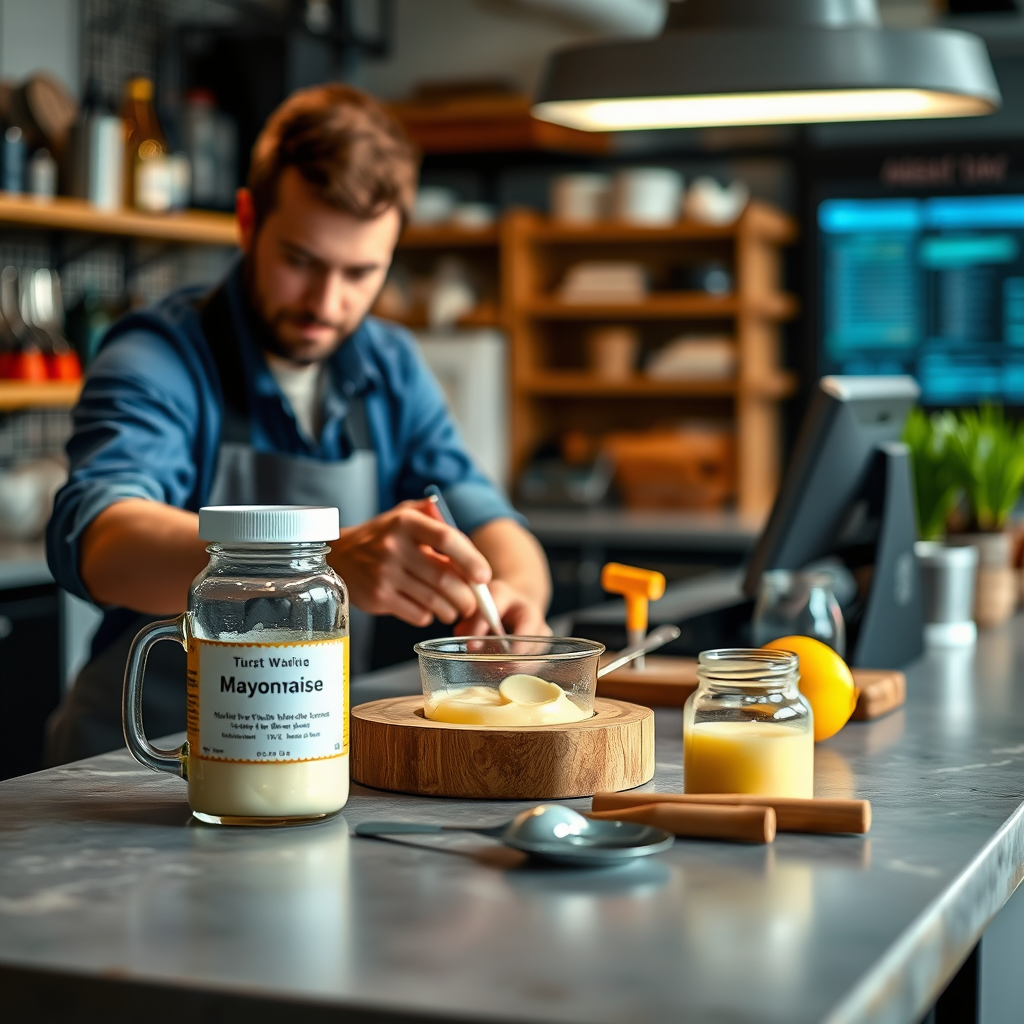
To effectively whip up your homemade mayonnaise, you will need a few essential tools:
– A mixing bowl (or a tall jar if using an immersion blender): A sturdy bowl provides enough space for mixing and allows for easy incorporation of the oil.
– A whisk or immersion blender for mixing: You can use a traditional whisk for a workout or an immersion blender for a faster, more efficient approach.
– A measuring cup and spoons for accurate measurements: Precision is key in achieving the perfect emulsion and flavor balance.
Equipping yourself with these tools will simplify the mayonnaise-making process and ensure that you get the best results.
Step-by-Step Instructions

Creating homemade mayonnaise is a straightforward task when you follow these simple steps:
1. Combine the egg, vinegar or lemon juice, and a pinch of salt in your mixing bowl. This initial mixture will act as the base for your emulsion.
2. Slowly drizzle in the oil while whisking continuously or blend with an immersion blender until emulsified and thick. Start with a few drops of oil, gradually increasing the amount as the mixture begins to thicken. If using a whisk, be sure to maintain a steady motion. If using an immersion blender, keep it submerged and move it up and down until the mayonnaise thickens.
By following these steps, you will achieve a luscious, creamy mayonnaise that can enhance a variety of dishes.
Top 7 Oils for Homemade Mayonnaise
| # | Oil Type | Flavor Profile | Smoke Point | Best For |
|---|---|---|---|---|
| 1 | Canola Oil | Neutral | 400°F | All-Purpose |
| 2 | Sunflower Oil | Light | 440°F | Salad Dressings |
| 3 | Olive Oil | Fruity | 375°F | Mediterranean Dishes |
| 4 | Avocado Oil | Rich | 520°F | Health-Conscious |
| 5 | Grapeseed Oil | Light | 420°F | Stir-Frying |
| 6 | Peanut Oil | Nutty | 450°F | Asian Cuisine |
| 7 | Sesame Oil | Rich | 350°F | Asian Dressings |
Tips for Perfect Mayonnaise
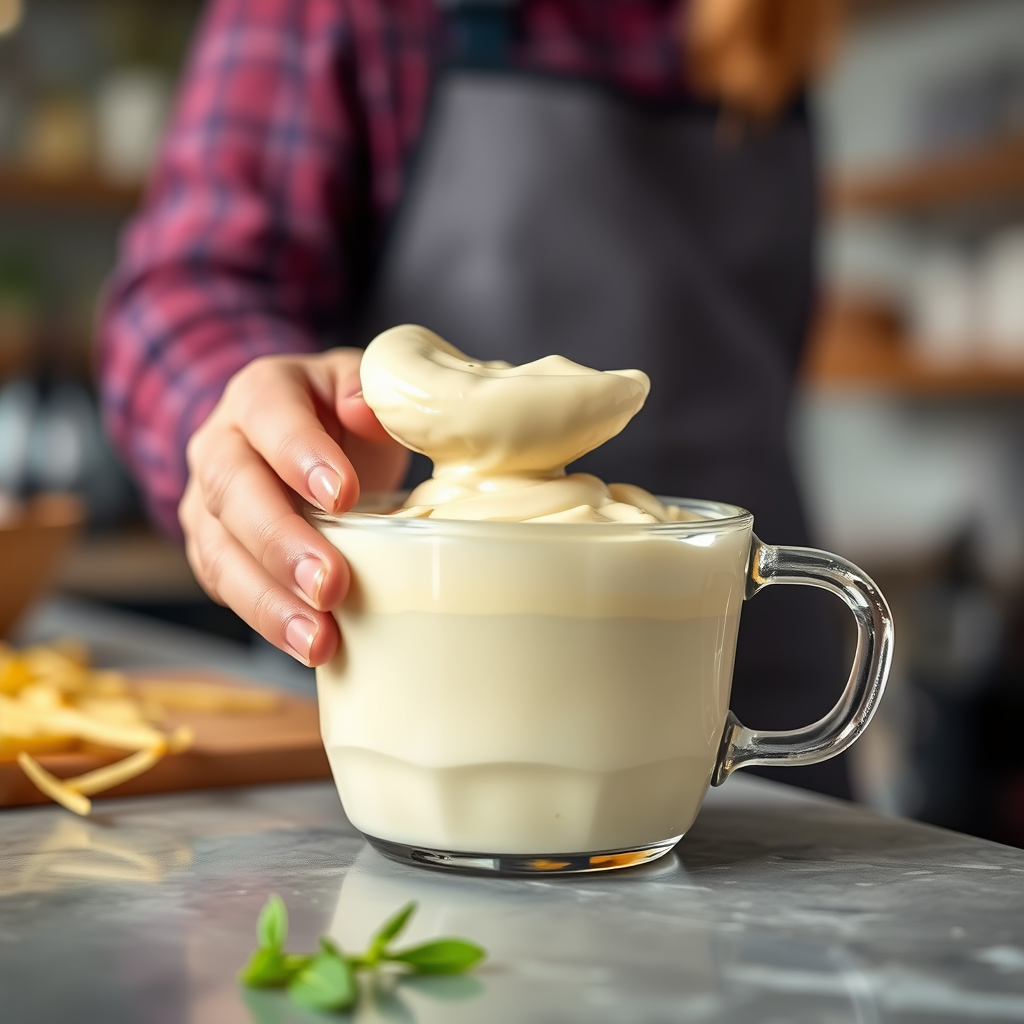
Creating perfect mayonnaise can be straightforward if you keep a few key tips in mind:
– Use room temperature ingredients for better emulsification: Cold ingredients can hinder the emulsification process, leading to a less stable mayonnaise. Allow your egg to sit at room temperature for about 30 minutes before starting.
– Experiment with different oils for varied flavors: While neutral oils are great for traditional mayonnaise, incorporating oils like olive or avocado can add depth and character to your mayonnaise. Olive oil lends a fruity taste, while avocado oil offers a rich and buttery flavor.
These tips can elevate your mayonnaise from ordinary to exceptional, making it a standout addition to your meals.
Storing Your Mayonnaise

Once you’ve made your homemade mayonnaise, proper storage is essential to maintain its freshness:
– Transfer mayonnaise to an airtight container and refrigerate: Store your mayonnaise in a clean jar or container with a tight-fitting lid to prevent contamination.
– Homemade mayonnaise can last up to a week in the fridge; always check for freshness before use: Since this mayonnaise contains raw egg, it is crucial to monitor its freshness. If you notice any off odors or changes in texture, discard it immediately.
Following these storage tips will ensure that you have fresh mayonnaise ready whenever you need it.
Common Mistakes to Avoid
Even with a simple recipe, certain pitfalls can lead to less-than-ideal mayonnaise. Avoid the following mistakes to ensure success:
– Adding oil too quickly can break the emulsion: Gradually incorporate the oil to allow the egg to blend properly, ensuring a smooth and stable emulsion.
– Using cold ingredients can prevent proper thickening: As mentioned earlier, room temperature ingredients are vital for achieving the desired thickness and stability of the mayonnaise.
By being mindful of these common mistakes, you can create consistent and delicious homemade mayonnaise every time.
Variations to Try
Once you master the basic mayonnaise recipe, consider experimenting with flavors to create unique variations:
– Add flavors like garlic, mustard, or herbs to customize your mayonnaise: For a garlic aioli, incorporate minced garlic; for a herb-infused version, mix in fresh or dried herbs. Mustard can add a tangy kick, while spices can introduce an exciting twist.
– Try a spicy version by incorporating sriracha or hot sauce for a kick: This variation can enhance sandwiches, burgers, and salads, providing added zest.
These variations allow you to tailor your mayonnaise to complement different dishes and personal preferences.
Homemade mayonnaise is not only easy to make but also allows you to control the ingredients and flavors, ensuring a fresher taste compared to store-bought varieties. Now that you know how to make it, grab your ingredients and start whisking! Enjoy experimenting with different flavors and uses in your favorite dishes. Whether you use it in salads, sandwiches, or dips, homemade mayonnaise can elevate your culinary creations to new heights.
Frequently Asked Questions
What ingredients do I need for an easy mayonnaise recipe?
To make an easy mayonnaise recipe, you will need just a few simple ingredients: one large egg, one cup of neutral oil (like canola or sunflower), one tablespoon of Dijon mustard, one tablespoon of white vinegar or lemon juice, and a pinch of salt. These basic ingredients will create a creamy and flavorful mayonnaise in just minutes.
How do I make mayonnaise without a blender?
You can easily make mayonnaise without a blender by using a whisk or an immersion blender. Start by combining the egg, mustard, vinegar, and salt in a bowl. Then, slowly drizzle in the oil while whisking continuously until the mixture thickens and emulsifies into a smooth mayonnaise.
Why does my homemade mayonnaise keep separating?
If your homemade mayonnaise keeps separating, it may be due to adding the oil too quickly or using ingredients that are not at room temperature. To prevent this, ensure that all your ingredients are at room temperature before starting, and add the oil very slowly at first while whisking vigorously to allow for proper emulsification.
What is the best oil to use for an easy mayonnaise recipe?
The best oil for an easy mayonnaise recipe is a neutral-flavored oil, such as canola, vegetable, or grapeseed oil. These oils won’t overpower the taste of your mayonnaise. However, if you prefer a richer flavor, you can also use light olive oil or avocado oil.
Which tools are best for making homemade mayonnaise?
The best tools for making homemade mayonnaise include a high-quality immersion blender, a whisk, or a food processor. An immersion blender is particularly convenient as it allows you to emulsify the ingredients directly in a jar, making cleanup easier and ensuring a perfect consistency.
References
- Mayo
https://en.wikipedia.org/wiki/Mayo - https://www.mayoclinic.org/healthy-lifestyle/nutrition-and-healthy-eating/in-depth/mayo-nutrition/art-20045807
https://www.mayoclinic.org/healthy-lifestyle/nutrition-and-healthy-eating/in-depth/mayo-nutrition/art-20045807 - https://www.healthline.com/nutrition/mayonnaise
https://www.healthline.com/nutrition/mayonnaise - https://www.cdc.gov/foodsafety/communication/mayonnaise.html
https://www.cdc.gov/foodsafety/communication/mayonnaise.html - Google Scholar Google Scholar
https://scholar.google.com/scholar?q=easy+mayonnaise+recipe - Google Scholar Google Scholar
https://scholar.google.com/scholar?q=homemade+mayonnaise+recipe - Google Scholar Google Scholar
https://scholar.google.com/scholar?q=mayonnaise+nutritional+information - https://www.foodsafety.gov/food-safety-charts/mayonnaise-safety
https://www.foodsafety.gov/food-safety-charts/mayonnaise-safety - easy mayonnaise recipe – Search results
https://en.wikipedia.org/wiki/Special:Search?search=easy+mayonnaise+recipe - https://www.ncbi.nlm.nih.gov/search/research-articles/?term=easy+mayonnaise+recipe
https://www.ncbi.nlm.nih.gov/search/research-articles/?term=easy+mayonnaise+recipe