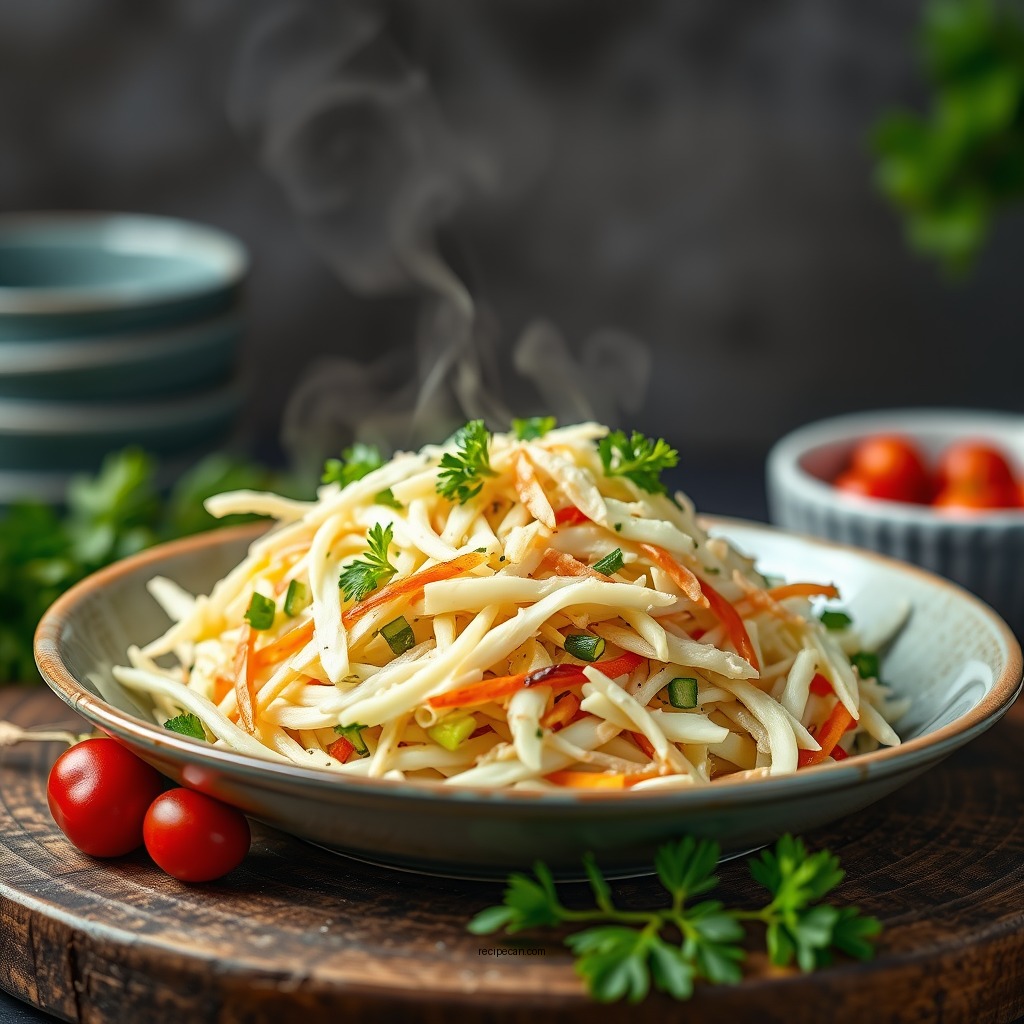
Creating an easy coleslaw recipe is simple and requires minimal ingredients. In just a few steps, you can whip up a crunchy, flavorful dish that complements any meal. This guide will walk you through the process, making it hassle-free for you to enjoy this classic side. With a few fresh ingredients and a straightforward dressing, you’ll be able to impress your family and friends with a vibrant coleslaw that is both quick to make and delightful to eat.
Essential Ingredients for Easy Coleslaw
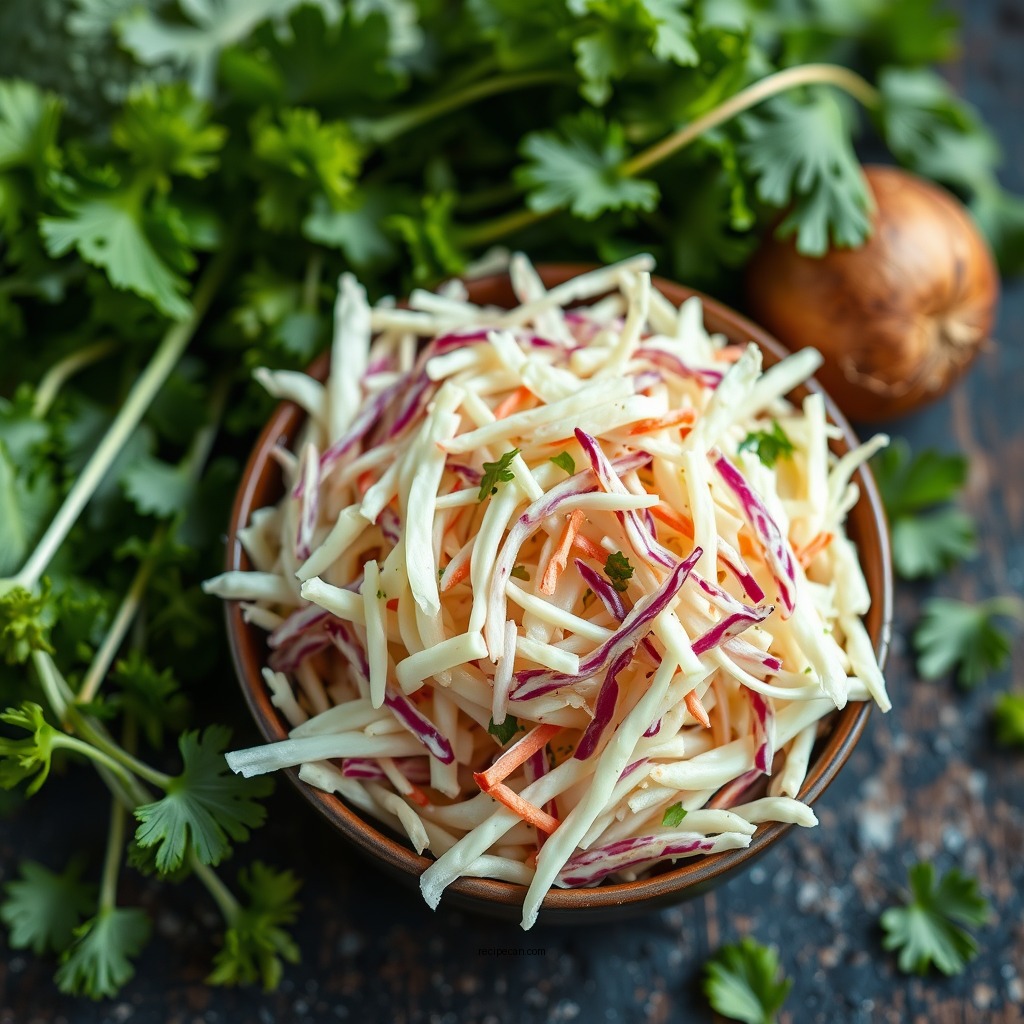
To create a delicious coleslaw that stands out, you need to focus on quality ingredients. The foundation of any coleslaw lies in its base components:
– Shredded cabbage: You can use either green or purple cabbage for a delightful crunch and color. Green cabbage is classic, while purple adds a vibrant hue and additional antioxidants.
– Carrots: Adding shredded carrots not only brings sweetness but also enhances the visual appeal with a bright orange contrast against the cabbage.
– Dressing: A basic mix of mayonnaise, vinegar, sugar, salt, and pepper creates a creamy and tangy base. This combination harmonizes the flavors and ensures the coleslaw is adequately seasoned.
Using fresh, high-quality ingredients is crucial for achieving the best possible flavor and texture in your coleslaw, making it a memorable side dish.
Step-by-Step Preparation

Making coleslaw is straightforward, and following these simple steps will ensure you achieve a delectable result:
1. Combine the cabbage and carrots: In a large bowl, combine the shredded cabbage and carrots. Mixing these two primary ingredients first helps ensure an even distribution of flavors.
2. Prepare the dressing: In a separate bowl, whisk together the dressing ingredients—mayonnaise, vinegar, sugar, salt, and pepper—until smooth. The vinegar adds acidity, which balances the creaminess of the mayonnaise, while the sugar enhances the overall flavor.
3. Mix the ingredients: Pour the dressing over the cabbage and carrots. Gently mix until everything is well-coated with the dressing. This step is vital as it ensures each bite is flavorful and satisfying.
By following these steps, you’ll create a coleslaw that is both crunchy and creamy, perfectly complementing any meal.
Optional Add-ins for Extra Flavor
While the basic coleslaw is delicious on its own, you can elevate the dish by incorporating some optional add-ins. Here are a few suggestions:
– Apples: Diced apples can add a sweet and tart flavor, providing an interesting contrast to the savory elements of the coleslaw. Varieties like Granny Smith or Honeycrisp work particularly well.
– Raisins: For a chewy texture and additional sweetness, consider adding raisins. They add complexity and a pleasant surprise to the crunch of the cabbage and carrots.
– Herbs: Fresh herbs like dill or parsley can enhance the taste profile. Dill adds a classic flavor, while parsley contributes a fresh, vibrant note.
These add-ins allow you to customize the coleslaw to suit your palate and make it a unique addition to your meal.
Popular Coleslaw Variations (2024)
| # | Variation | Main Add-ins | Flavor Profile |
|---|---|---|---|
| 1 | Classic Coleslaw | Cabbage, Carrots | Creamy, Tangy |
| 2 | Apple Coleslaw | Apples, Walnuts | Sweet, Crunchy |
| 3 | Southern Coleslaw | Vinegar, Sugar | Tangy, Sweet |
| 4 | Asian Coleslaw | Sesame Oil, Soy Sauce | Savory, Nutty |
| 5 | Spicy Coleslaw | Jalapeños, Cilantro | Spicy, Zesty |
| 6 | Creamy Avocado Coleslaw | Avocado, Lime | Creamy, Fresh |
| 7 | Tropical Coleslaw | Pineapple, Coconut | Fruity, Sweet |
Tips for the Best Coleslaw Texture
Achieving the perfect texture in your coleslaw is essential for a delightful eating experience. Here are some tips to consider:
– Use a sharp knife or a mandoline: For evenly shredded vegetables, a sharp knife or a mandoline is essential. Evenly shredded cabbage and carrots not only enhance the dish’s appearance but also ensure uniform texture.
– Let the coleslaw sit: Allowing the coleslaw to sit for at least 30 minutes after mixing helps the flavors meld together. This resting period is crucial as it allows the dressing to penetrate the vegetables, resulting in a more flavorful dish.
– Serve immediately or keep dressing separate: For the best crunch, serve the coleslaw immediately after mixing. If you’re preparing it in advance, consider keeping the dressing separate until serving to prevent the vegetables from becoming limp.
Implementing these tips will enhance the overall quality of your coleslaw, making it a standout side dish.
Coleslaw Preparation Time Comparison
Serving Suggestions
Coleslaw is a versatile side dish that pairs well with a variety of meals. Here are some serving suggestions to consider:
– Pair with grilled meats: Coleslaw is a perfect companion for burgers, barbecue chicken, or grilled sausages. Its refreshing crunch cuts through the richness of grilled meats, providing a balanced meal.
– Use as a topping: Coleslaw can add texture and flavor as a topping for sandwiches, tacos, or sliders. It brings a delightful crunch that contrasts beautifully with soft bread or tortillas.
– Serve at gatherings: This dish is a hit at potlucks, picnics, and barbecues. Its ease of preparation and appealing presentation make it an ideal choice for group settings.
By incorporating coleslaw into your meals, you can enhance the overall dining experience with its crisp texture and vibrant flavors.
Storing Leftover Coleslaw
If you find yourself with leftover coleslaw, proper storage will help maintain its freshness:
– Refrigerate: Store any leftovers in an airtight container in the fridge. This will help preserve the flavor and texture of the coleslaw.
– Freshness: Aim to consume the coleslaw within 2-3 days for the best taste and texture. After this period, the vegetables may become wilted, and the dressing can make them soggy.
– Revive before serving: If your coleslaw becomes watery after storage, simply stir in a little more dressing before serving. This will help restore its creamy texture and flavor.
By taking these steps, you can ensure your leftover coleslaw remains enjoyable for days to come.
Summarizing the process of making an easy coleslaw recipe, it’s about using fresh ingredients, a simple dressing, and allowing the flavors to blend. Try this recipe at your next meal or gathering, and enjoy the delightful crunch and taste it brings to your table! Remember to share your results or any personal twists you add to the recipe!
Frequently Asked Questions
What are the basic ingredients for an easy coleslaw recipe?
The basic ingredients for an easy coleslaw recipe typically include shredded cabbage, carrots, and a dressing made from mayonnaise, vinegar, sugar, salt, and pepper. You can customize your coleslaw by adding ingredients like onions, apples, or raisins for added flavor and texture.
How do I make a creamy coleslaw dressing from scratch?
To make a creamy coleslaw dressing from scratch, mix 1 cup of mayonnaise with 2 tablespoons of apple cider vinegar, 1 tablespoon of sugar, salt, and pepper to taste. Whisk the ingredients together until smooth, then pour it over your shredded cabbage and carrots for a deliciously easy coleslaw.
Why is my coleslaw watery, and how can I prevent it?
Watery coleslaw often occurs because the cabbage releases moisture, especially if it’s salted before mixing. To prevent this, you can toss the shredded cabbage with a pinch of salt and let it sit for about 30 minutes; then rinse and drain to remove excess moisture before adding your dressing.
What is the best type of cabbage to use for an easy coleslaw recipe?
The best type of cabbage for an easy coleslaw recipe is often green cabbage due to its crunchy texture and mild flavor. However, red cabbage can be used for a colorful twist, and savoy cabbage offers a softer texture, making it a great option for a unique coleslaw dish.
Which vinegar works best for coleslaw dressing, and why?
Apple cider vinegar is often considered the best vinegar for coleslaw dressing because it adds a subtle sweetness and tang that complements the cabbage. However, white vinegar or rice vinegar can also be used depending on your flavor preference, making it easy to create an easy coleslaw recipe that suits your taste.
References
- https://www.wikipedia.org/wiki/Coleslaw
https://www.wikipedia.org/wiki/Coleslaw - https://www.mayoclinic.org/healthy-lifestyle/nutrition-and-healthy-eating/expert-answers/coleslaw/faq-20057801
https://www.mayoclinic.org/healthy-lifestyle/nutrition-and-healthy-eating/expert-answers/coleslaw/faq-20057801 - https://www.ncbi.nlm.nih.gov/pmc/articles/PMC6760625/
https://www.ncbi.nlm.nih.gov/pmc/articles/PMC6760625/ - https://www.healthline.com/nutrition/coleslaw-recipe
https://www.healthline.com/nutrition/coleslaw-recipe - https://www.foodnetwork.com/recipes/articles/50-coleslaw-recipes
https://www.foodnetwork.com/recipes/articles/50-coleslaw-recipes - https://www.sciencedirect.com/topics/food-science/coleslaw
https://www.sciencedirect.com/topics/food-science/coleslaw - Google Scholar Google Scholar
https://scholar.google.com/scholar?q=coleslaw+recipe+easy - https://scholar.google.com/scholar?q=coleslaw+health+benefits Google Scholar
https://scholar.google.com/scholar?q=coleslaw+health+benefits - Google Scholar Google Scholar
https://scholar.google.com/scholar?q=coleslaw+nutrition+facts - coleslaw recipe easy – Search results
https://en.wikipedia.org/wiki/Special:Search?search=coleslaw+recipe+easy