
Making butter rolls is a straightforward and rewarding endeavor, perfect for a quick snack or an elegant addition to any meal. These soft, fluffy rolls are delightful when served fresh from the oven and can be customized with various flavors. In this article, you’ll learn how to create butter rolls from scratch, explore essential tips for enhancing their flavor, and discover the best ways to serve them.
Ingredients You’ll Need
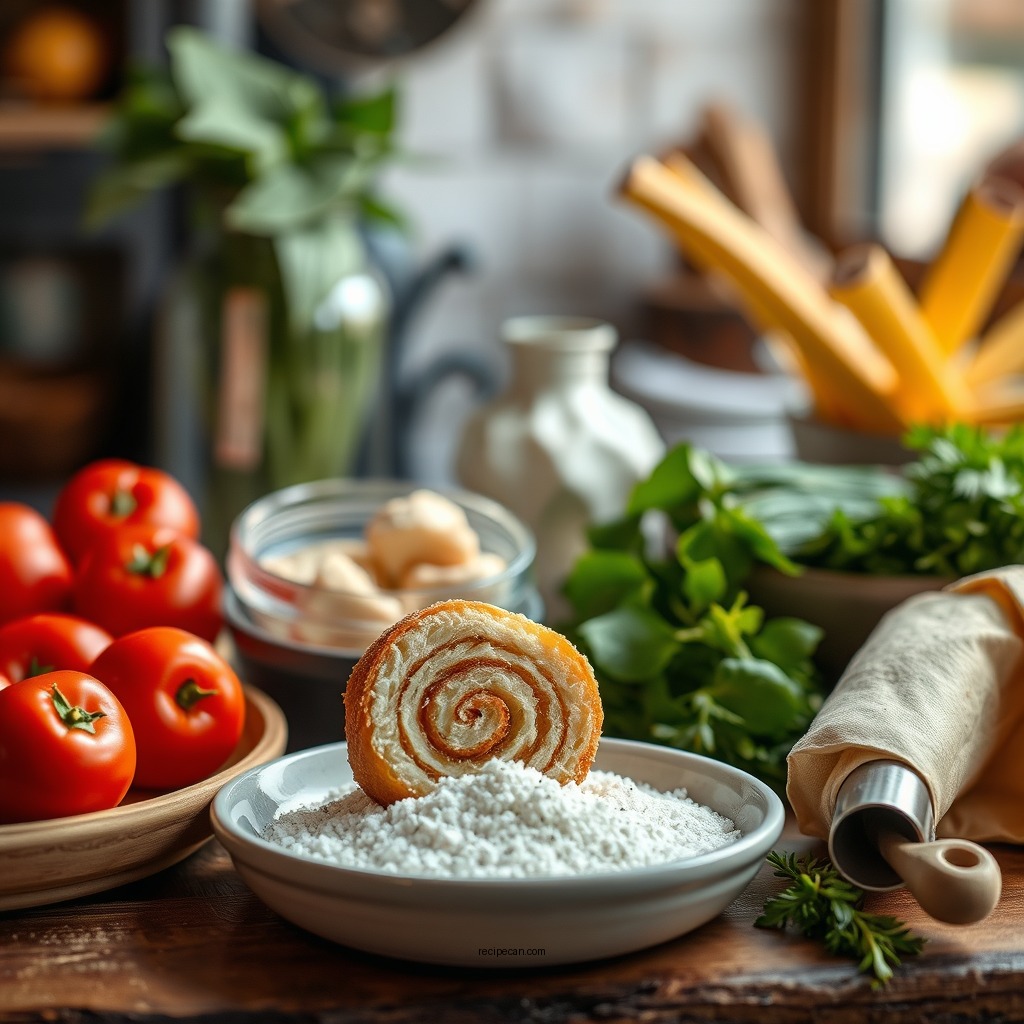
To begin your butter roll journey, it’s essential to gather the right ingredients. Here’s a breakdown of what you’ll need:
– Basic ingredients: The foundation of your rolls includes:
– Flour: All-purpose flour is typically the best choice for a soft texture.
– Yeast: Active dry yeast is ideal for letting your rolls rise properly.
– Sugar: A small amount of sugar helps feed the yeast and adds a touch of sweetness.
– Milk: Warm milk will help activate the yeast and create a moist dough.
– Butter: Unsalted butter adds richness and flavor.
– Optional flavorings: To elevate your butter rolls, consider incorporating:
– Herbs: Fresh or dried herbs like rosemary or thyme can infuse the dough with aromatic flavors.
– Garlic: Adding minced garlic provides a savory twist.
– Cheese: Shredded cheese can be mixed into the dough or sprinkled on top for a cheesy crust.
Step-by-Step Preparation
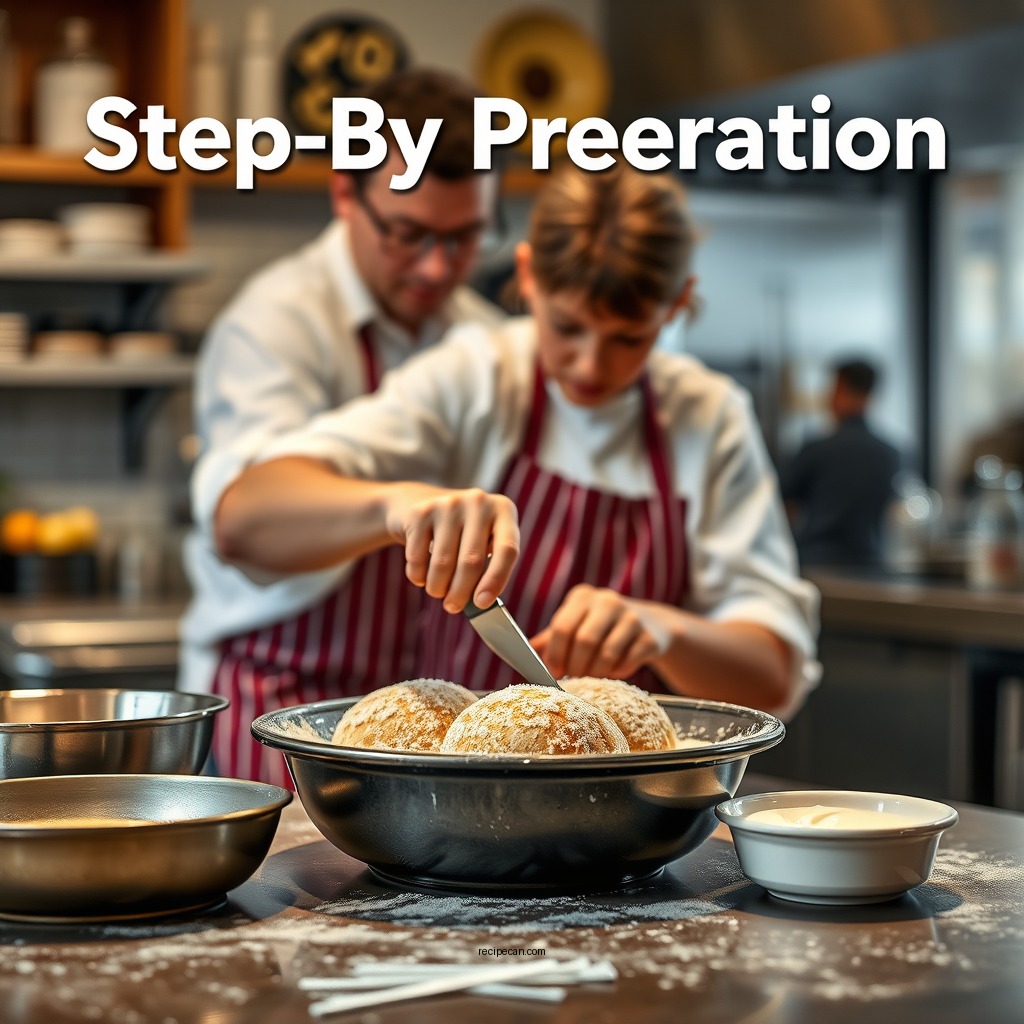
Mixing the Dough
Start by combining your dry ingredients in a large mixing bowl. This includes the flour, sugar, and yeast. For the best results, make sure your yeast is fresh and active. Next, warm the milk until it’s slightly hot but not boiling—about 110°F (43°C)—to activate the yeast without killing it. Gradually pour the warm milk into the dry mixture, followed by melted butter. Stir until the ingredients are combined, then knead the dough until it forms a smooth ball.
Kneading
Kneading is a crucial step that develops the gluten in the dough, contributing to a light and airy texture. Dust your work surface with flour, and place the dough on it. Knead for about 8-10 minutes until the dough is elastic and smooth. You can perform the “windowpane test” by stretching a small piece of dough; if it stretches without tearing, it’s ready for the next step.
Rising and Shaping the Rolls
First Rise
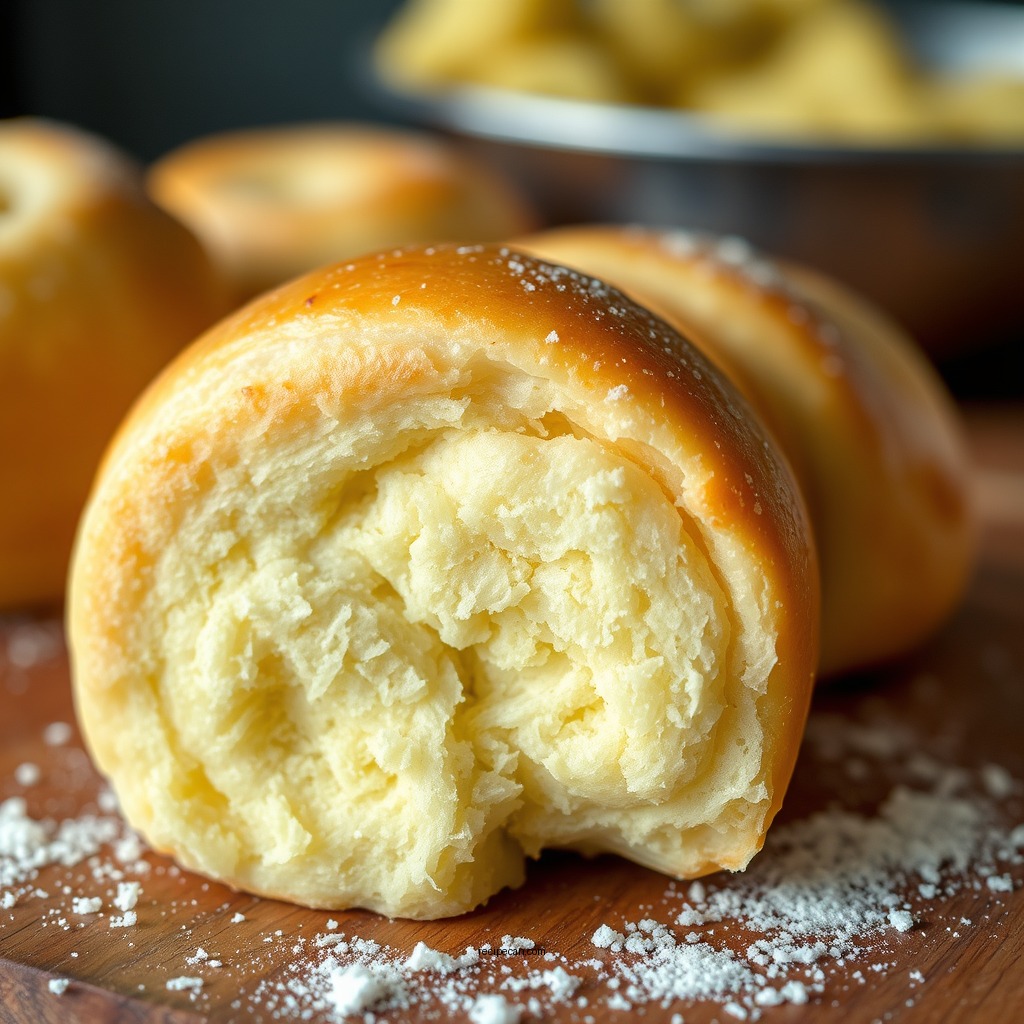
After kneading, place the dough in a lightly greased bowl, covering it with a damp cloth or plastic wrap. Allow it to rise in a warm environment until it doubles in size, which typically takes about 1-2 hours. This step is essential for developing flavor and texture.
Shaping
Once the dough has risen, punch it down gently to release the air. Divide the dough into equal pieces—about 12 to 16, depending on your desired roll size. Shape each piece into a smooth ball by tucking the edges under. Place the rolls on a greased baking sheet, ensuring there’s space between each roll for expansion.
Popular Ingredients for Enhancing Butter Rolls
| # | Ingredient | Flavor Profile | Usage |
|---|---|---|---|
| 1 | Garlic | Savory | 2-3 cloves minced |
| 2 | Cheese | Creamy | 1 cup shredded |
| 3 | Rosemary | Herbaceous | 1-2 tbsp fresh |
| 4 | Thyme | Earthy | 1-2 tsp dried |
| 5 | Honey | Sweet | Brush on top |
| 6 | Sea Salt | Savory | Sprinkle before baking |
| 7 | Parmesan | Nutty | ½ cup grated |
Baking Your Butter Rolls
Preheat the Oven
Once your rolls are shaped and ready, preheat your oven to 375°F (190°C). A properly preheated oven is crucial for achieving that golden-brown color and soft texture that everyone loves.
Baking Time
Bake the rolls for approximately 15-20 minutes. Keep a close eye on them during the last few minutes to ensure they do not over-brown. They should be golden and sound hollow when tapped on the bottom. If you’d like a softer crust, you can brush them with melted butter right after removing them from the oven.
Butter Roll Baking Time vs. Temperature
Tips for Perfect Butter Rolls
– Use fresh ingredients: Always ensure that your yeast is active. A simple test is to dissolve the yeast in warm water with a bit of sugar; it should foam up if fresh.
– Experiment with toppings: Before baking, brush the rolls with melted butter and sprinkle with coarse sea salt or herbs for added flavor.
– Don’t skip the first rise: Allow the dough to rise adequately for the best results; a rushed process can lead to dense rolls.
Serving Suggestions
Butter rolls are incredibly versatile and can be paired with various dishes. Here are some delightful serving ideas:
– Pairing ideas: Serve warm with honey, jam, or alongside hearty soups and stews. They also make a perfect accompaniment to salads or as a base for sliders.
– Storage tips: To keep leftovers fresh, store them in an airtight container at room temperature for up to two days. For longer storage, freeze them in a zip-top bag and reheat when needed.
Indulge in the delightful experience of baking your own butter rolls. These homemade treats are ideal for impressing guests during gatherings or simply satisfying your own cravings. With their soft texture, rich flavor, and endless customization options, these butter rolls are sure to be a favorite in your household. Try the recipe today and savor the comforting taste of freshly baked butter rolls!
Frequently Asked Questions
What are the essential ingredients for a classic butter roll recipe?
A classic butter roll recipe typically requires all-purpose flour, granulated sugar, butter, milk, baking powder, and a pinch of salt. These simple ingredients combine to create a rich, fluffy dough that is easy to work with and perfect for rolling.
How do I make a butter roll from scratch?
To make a butter roll from scratch, start by mixing the dry ingredients in one bowl and the wet ingredients in another. Combine them until a dough forms, then roll it out, spread softened butter on top, and sprinkle with sugar before rolling it up and baking until golden brown.
Why is my butter roll dense and not fluffy?
If your butter roll turns out dense, it may be due to overmixing the dough or using too much flour. Ensure you gently combine the ingredients just until they come together, and measure your flour accurately to achieve the perfect light and fluffy texture.
What is the best way to store leftover butter rolls?
The best way to store leftover butter rolls is to let them cool completely, then wrap them tightly in plastic wrap or aluminum foil. For longer storage, place them in an airtight container in the refrigerator for up to a week or freeze them for up to three months.
Which variations can I try for my butter roll recipe?
There are many delicious variations you can try with your butter roll recipe, such as adding cinnamon for a classic cinnamon roll flavor or incorporating chocolate chips or nuts for added texture and taste. You can also experiment with different types of fillings, like fruit preserves or cream cheese, to create unique flavor combinations.
References
- https://en.wikipedia.org/wiki/Roll_(bread
https://en.wikipedia.org/wiki/Roll_(bread - https://www.sciencedirect.com/topics/food-science/butter
https://www.sciencedirect.com/topics/food-science/butter - https://www.foodnetwork.com/recipes/articles/how-to-make-rolls
https://www.foodnetwork.com/recipes/articles/how-to-make-rolls - https://www.nytimes.com/2015/11/25/dining/thanksgiving-butter-rolls.html
https://www.nytimes.com/2015/11/25/dining/thanksgiving-butter-rolls.html - https://www.britannica.com/topic/roll-bread
https://www.britannica.com/topic/roll-bread - Google Scholar Google Scholar
https://scholar.google.com/scholar?q=butter+roll+recipe - https://scholar.google.com/scholar?q=baking+butter+rolls Google Scholar
https://scholar.google.com/scholar?q=baking+butter+rolls - https://scholar.google.com/scholar?q=history+of+butter+rolls Google Scholar
https://scholar.google.com/scholar?q=history+of+butter+rolls - https://www.cdc.gov/nutrition/foodbasics/food-safety.html
https://www.cdc.gov/nutrition/foodbasics/food-safety.html - https://en.wikipedia.org/wiki/Special:Search?search=butter+roll+recipe
https://en.wikipedia.org/wiki/Special:Search?search=butter+roll+recipe