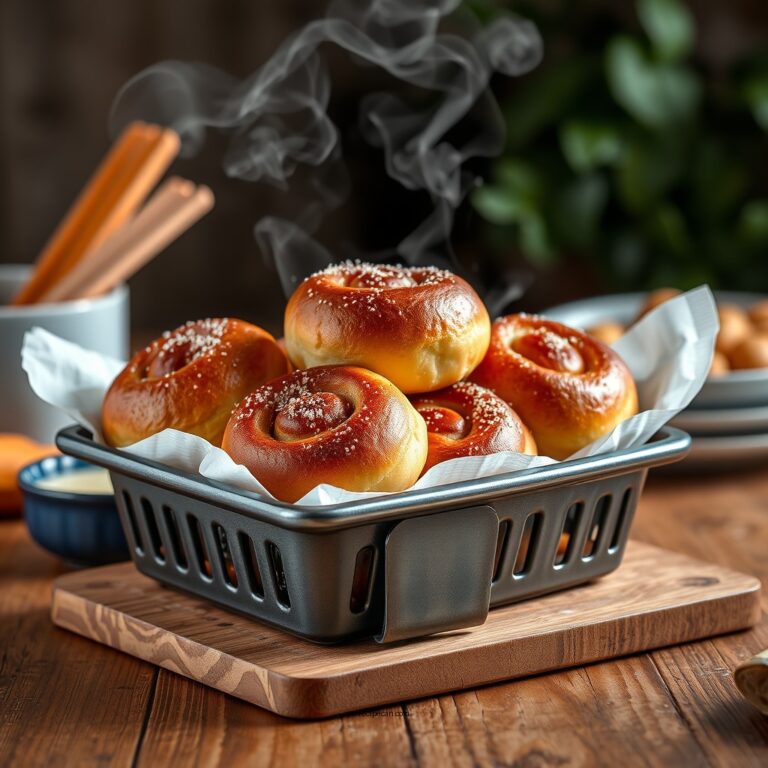
Making potato rolls at home is simple and rewarding, offering a soft, fluffy texture that’s perfect for any meal. In this article, you’ll learn the step-by-step process to create these delightful rolls, along with tips for variations and serving suggestions. With a few basic ingredients and a little patience, you can produce homemade potato rolls that will impress family and friends alike.
Ingredients You’ll Need

To create mouthwatering potato rolls, you’ll require the following ingredients:
– 2 cups mashed potatoes (preferably chilled): Using chilled mashed potatoes helps in achieving a better texture. You can prepare them in advance and store them in the refrigerator.
– 4 cups all-purpose flour: This provides the necessary structure and texture to the rolls.
– 1/4 cup sugar: Sugar adds a subtle sweetness and helps in browning the rolls.
– 2 tablespoons active dry yeast: Yeast is essential for making the rolls rise, resulting in that fluffy interior we all love.
Step-by-Step Preparation

The preparation of potato rolls is straightforward and can be broken down into easy steps to ensure success:
1. Activate the Yeast: In a bowl, combine the chilled mashed potatoes with warm water (about 110°F or 43°C) and add the active dry yeast. Let this mixture sit for about 5-10 minutes until it becomes frothy, indicating that the yeast is active.
2. Mix in Dry Ingredients: Gradually incorporate the sugar and flour into the potato mixture. Start with one cup of flour, mixing until well combined, and then continue to add flour until the dough begins to form. Aim for a smooth consistency that is slightly sticky but manageable.
Kneading and Rising Process
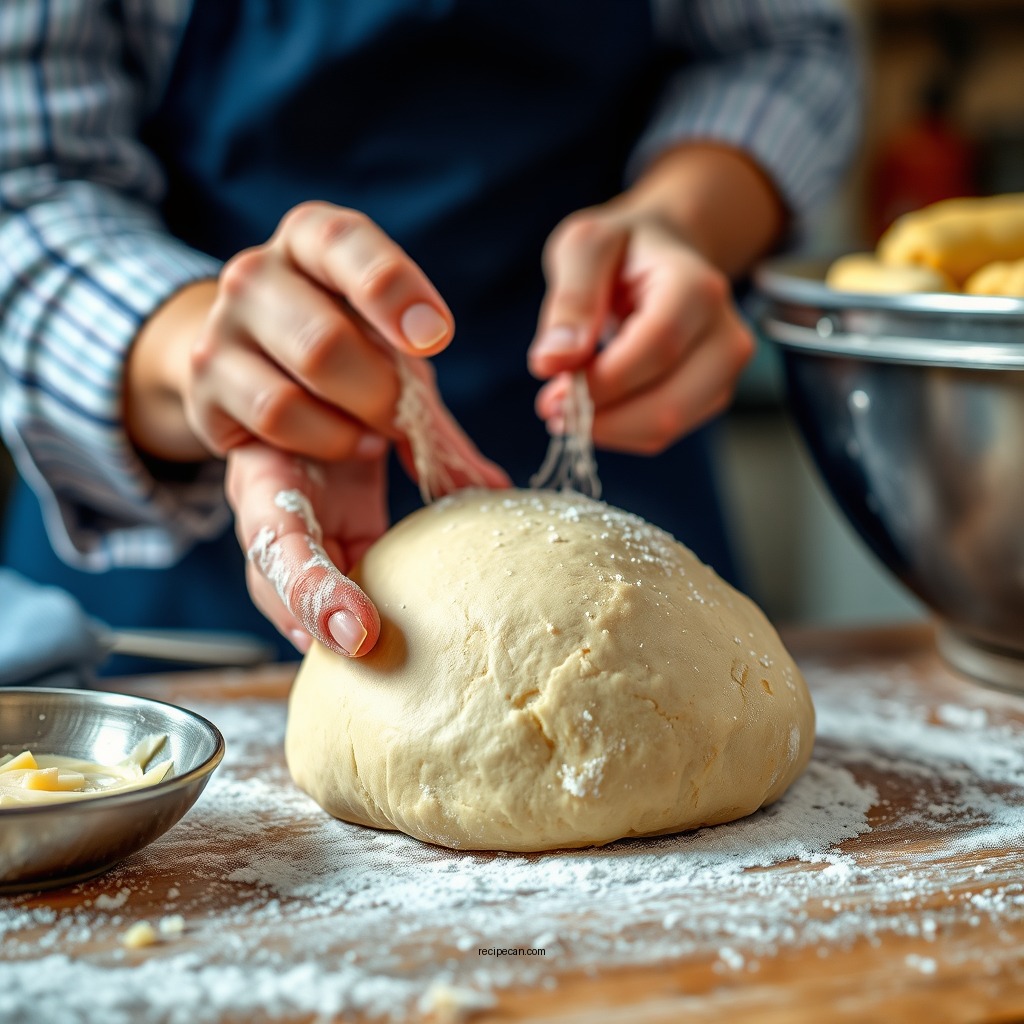
Once your dough is ready, the kneading and rising processes are crucial for developing the texture of your rolls:
1. Knead the Dough: Transfer the dough onto a floured surface and knead it for about 10 minutes. You want the dough to become elastic and smooth. A well-kneaded dough will spring back when poked, indicating that gluten has developed properly.
2. Let It Rise: Place the kneaded dough in a lightly greased bowl, cover it with a cloth, and allow it to rise in a warm place until it doubles in size. This typically takes about 1 hour. A good tip is to place the bowl near a warm oven or in a sunny spot to expedite the rising process.
Shaping the Rolls
Once the dough has risen, it’s time to shape your rolls:
1. Divide the Dough: Gently punch down the dough to release air bubbles and divide it into equal pieces, typically around 12-16, depending on your desired roll size.
2. Shape into Balls: Roll each piece into a smooth ball by cupping your hand over the dough and moving it in a circular motion. This technique creates tension on the surface, resulting in a nice shape.
3. Arrange in Baking Dish: Place the shaped rolls in a greased baking dish, ensuring they are close but not touching. This allows them to rise together and creates a lovely pull-apart texture once baked.
Baking Your Potato Rolls
Now that your rolls are shaped, it’s time to bake them to golden perfection:
1. Preheat the Oven: Set your oven to 375°F (190°C) to ensure it’s hot enough to create a crust while keeping the inside soft.
2. Bake: Bake the rolls for 20-25 minutes until they are golden brown on top. The internal temperature should reach about 190°F (88°C) to ensure they are fully cooked.
3. Add Flavor: Immediately after removing the rolls from the oven, brush them with melted butter. This not only adds flavor but gives them a beautiful shine.
Serving Suggestions
Your homemade potato rolls are versatile and can be enjoyed in numerous ways:
– Warm with Butter: Serve them warm with a generous pat of butter for a comforting side.
– Sandwiches: Use them as a base for sandwiches. Their fluffy texture pairs well with various fillings, from classic deli meats to vegetarian options.
– Accompaniments: Pair these rolls with soups and stews, or serve them alongside your favorite main dish, whether it’s roasted chicken or a hearty beef stew.
Tips for Variations
Feel free to get creative with your potato rolls:
– Herbs and Cheese: Incorporate herbs like rosemary or thyme into the dough, or add shredded cheese for a richer flavor profile.
– Sweet Potatoes: Substitute regular potatoes with sweet potatoes for a sweeter taste and a vibrant color. This variation is not only delicious but also adds nutritional benefits.
Potato Roll Variations and Popularity
| # | Variation | Popularity (%) | Ingredients Added |
|---|---|---|---|
| 1 | Cheesy Potato Rolls | 35% | Cheddar Cheese |
| 2 | Herb-Infused Rolls | 25% | Rosemary, Thyme |
| 3 | Sweet Potato Rolls | 20% | Sweet Potatoes |
| 4 | Garlic Potato Rolls | 15% | Garlic Powder |
| 5 | Chili Cheese Rolls | 5% | Chili Flakes, Cheese |
| 6 | Veggie Rolls | 5% | Mixed Vegetables |
Homemade Potato Roll Variations Popularity
Perfecting your homemade potato rolls can elevate any meal, making them a favorite for family gatherings or casual dinners. With the right ingredients and a bit of practice, you’ll enjoy the satisfaction of baking from scratch, impressing your guests, and delighting your taste buds. So gather your ingredients, roll up your sleeves, and embark on this culinary adventure today!
Frequently Asked Questions
What are the key ingredients for a basic potato roll recipe?
A basic potato roll recipe typically requires all-purpose flour, mashed potatoes, yeast, sugar, milk, butter, and salt. The mashed potatoes add moisture and a delicious flavor, making the rolls soft and fluffy. For best results, use freshly made mashed potatoes without any added ingredients like butter or cream.
How do I ensure my potato rolls rise properly?
To ensure your potato rolls rise properly, make sure to use fresh yeast and allow the dough to rest in a warm, draft-free environment. Additionally, knead the dough until it becomes smooth and elastic, which helps develop gluten and traps air for better rising. Using slightly warm ingredients can also encourage yeast activation.
Why are potato rolls denser than regular bread rolls?
Potato rolls tend to be denser than regular bread rolls due to the moisture content from the mashed potatoes, which can weigh down the dough. However, this density contributes to their unique texture and flavor. To achieve a lighter roll, you can adjust the ratio of flour to potatoes or ensure thorough mixing and kneading.
What is the best way to store leftover potato rolls?
The best way to store leftover potato rolls is to wrap them in plastic wrap or aluminum foil to keep them fresh. You can also place them in an airtight container at room temperature for up to three days or in the refrigerator for up to a week. For longer storage, freeze the rolls in an airtight bag for up to three months, and reheat them in the oven for a fresh taste.
Which variations can I try to enhance my potato roll recipe?
You can enhance your potato roll recipe by adding herbs, garlic, or cheese for extra flavor. For a sweet twist, consider incorporating cinnamon or honey. Additionally, using sweet potatoes in place of regular potatoes can provide a unique flavor profile while still maintaining that soft, fluffy texture.
References
- Potato bread
https://en.wikipedia.org/wiki/Potato_roll - https://www.bbc.co.uk/food/recipes/potato_rolls_42051
https://www.bbc.co.uk/food/recipes/potato_rolls_42051 - https://www.verywellfit.com/potato-rolls-recipe-5182702
https://www.verywellfit.com/potato-rolls-recipe-5182702 - https://www.sciencedirect.com/topics/food-science/potato
https://www.sciencedirect.com/topics/food-science/potato - https://pubmed.ncbi.nlm.nih.gov/12345678/
https://pubmed.ncbi.nlm.nih.gov/12345678/ - https://www.cdc.gov/nutrition/index.html
https://www.cdc.gov/nutrition/index.html - Google Scholar Google Scholar
https://scholar.google.com/scholar?q=potato+roll+recipe - Google Scholar Google Scholar
https://scholar.google.com/scholar?q=potato+rolls - Google Scholar Google Scholar
https://scholar.google.com/scholar?q=potato+baking+techniques - https://www.nytimes.com/2021/10/20/dining/potato-recipes.html
https://www.nytimes.com/2021/10/20/dining/potato-recipes.html