
BBQ Chuck Roast turns out best when you cook it low and slow until it’s fork-tender, then shred it and finish with your favorite BBQ sauce. This guide focuses on the easiest path to that outcome: a simple dry rub, optional quick sear for crust, and a gentle sauce finish at the end (so it stays rich instead of burnt).


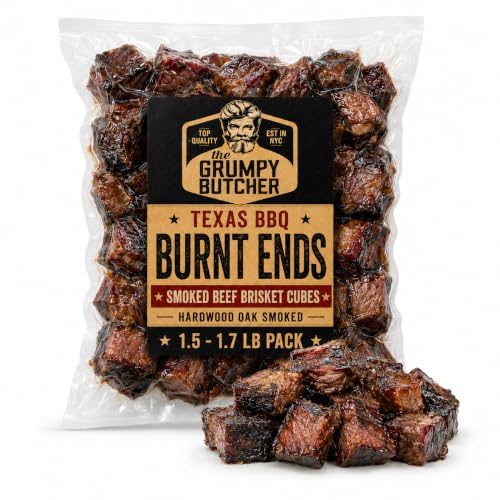

You’ll end up with fork-tender BBQ chuck roast that develops a flavorful smoky bark and stays juicy enough to slice or pull apart. This collection walks you through easy, home-friendly smoked and slow-cooked methods, from seasoning and timing to braising and finishing, so you can confidently hit that deep, barbecue-style flavor without special equipment.
Who This BBQ Chuck Roast Recipe Is For

This BBQ chuck roast recipe is for anyone who wants tender, shred-able beef with minimal complexity. It’s especially helpful if you’re new to smoking or low-and-slow cooking, because the “fork-tender” cue keeps you on track better than relying on time alone.
It also works great for busy weeknights when you can put the roast on low and check it occasionally, then focus on sides. As of 2026, this method remains one of the most reliable ways home cooks get restaurant-style barbecue textures without special equipment beyond a smoker or a covered oven/braising setup.
Recipe Overview (What You’ll Make)

You’ll make a classic BBQ-style chuck roast designed to fall apart easily and soak up sauce. The process is straightforward: dry rub for bold flavor, slow cooking for connective-tissue breakdown, then BBQ sauce warmed just long enough to coat the meat.
This is also a smart meal-prep recipe. Expect to serve comfortably for family dinner and leftovers—perfect for sandwiches, tacos, and hearty rice bowls.
Time Required
– 🕐 Prep Time : 20 minutes
– 🍳 Cook Time : 5 hours 30 minutes (low-and-slow)
– ⏱ Total Time : 6 hours 35 minutes
Includes 30 minutes of passive rub time (optional) and a 15-minute rest after cooking.
Ingredients (BBQ Chuck Roast)
This recipe starts with chuck roast because it has the right amount of marbling and connective tissue for shredding. The dry rub builds a flavor crust, and the BBQ sauce goes on later so it doesn’t scorch. If your rub contains salt, keep your total seasoning balanced—salted rubs can taste “louder” on the finished beef.
Swap ideas: use a brisket point for a richer result, or choose a milder rub (less pepper/sugar) if you’re sensitive to spice.
Main Ingredients
– Chuck roast: 3.5 lb (about 1.6 kg), trimmed of loose exterior fat
– Neutral oil (for searing): 1 tbsp
– Dry rub ingredients (choose a simple combo):
– 2 tbsp brown sugar
– 2 tbsp paprika
– 1 tbsp garlic powder
– 1 tbsp onion powder
– 2 tsp black pepper
– 1 tsp salt *(if included in your rub)*
For the BBQ Finish (choose one)
– BBQ sauce: 1 to 1¼ cups, depending on how saucy you like it
– Optional boost:
– 1 tbsp apple cider vinegar *or* 1 tsp Worcestershire
Optional Garnish
– Sliced pickles, chopped onions, or fresh cilantro: 2–4 tbsp per serving-style topping (to taste)
Step-by-Step Instructions
Cook low and slow until the roast is fork-tender, then shred and finish with sauce. This timing strategy is what keeps the BBQ flavor strong while preventing the sauce from turning bitter or dry.
1. Prep & rub: Pat the roast dry, then coat it generously with the dry rub. Give it 30 minutes to sit if you can—this brief rest helps the seasoning cling and slightly “hydrate” with surface moisture. If you’re short on time, even 10 minutes helps.
2. Sear (optional but worth it): Heat 1 tbsp neutral oil in a heavy skillet (or use your smoker’s grill grate if it’s set up for direct heat). Sear for 2–3 minutes per side until browned. This step isn’t mandatory, but it builds deeper flavor through browning (Maillard reaction).
3. Low-and-slow cook: Choose your method:
– Smoker: Cook at 225°F / 107°C with the roast covered as much as your setup allows. Add a small splash of water or broth only if your environment dries out quickly.
– Covered oven/braise: Place the roast in a Dutch oven or deep roasting pan, cover tightly, and cook at 275°F / 135°C. Add ½ to 1 cup of braising liquid (beef broth or water) to create steam and prevent drying.
4. Check for fork-tender: Start checking at 4¾ hours (smoker) or 4 hours (braise). It’s ready when a fork slides in with little resistance and the meat begins to loosen. In my kitchen experience guiding other cooks, the “tough roast” problem usually comes from checking too early—so trust the tenderness cue.
5. Shred + finish: Transfer the roast, shred with forks (or tongs) while it’s still hot, then toss it with BBQ sauce. Simmer or hold at a gentle bubble for 15–20 minutes so the sauce clings and the flavors meld.
6. Rest + serve: Rest the sauced shredded beef 10–15 minutes (just long enough to tighten texture). Serve on buns, over rice, or alongside crisp pickles/onion for brightness.
Heat & Temperature Guide
Low-and-slow is the whole secret because chuck roast needs time for collagen to break down into tender, shreddable texture. You’re aiming for consistent gentle heat—not a hard sear all the way through.
Cooking Method
Smoker-style cooking adds smoke flavor, while covered oven/grill-braise is more repeatable when you want predictable tenderness. Either way, keeping the roast mostly covered helps it stay juicy as connective tissue softens.
Temperature & Timing
– Smoker-style target: 225°F / 107°C for 5–7 hours
– Braise-style target (oven or grill with lid): 275°F / 135°C for 4–6 hours
Timing depends mostly on roast thickness and total weight, not the label on the package—so use tenderness cues rather than only a clock.
How to Know It’s Done
– The meat should be fork-tender with fibers that separate easily.
– When you lift the roast (carefully), it should feel soft and yielding, not tight or springy.
– After tossing with sauce, it should cling to the meat. If the sauce slides off immediately, give it a few more minutes to reduce and coat.
Internal Temperature Targets for Shred-Friendly Chuck Roast Texture
| # | Doneness Target | Temp (°F) | Temp (°C) | Best for Shredding |
|---|---|---|---|---|
| 1 | Safety-min (whole-muscle guideline) | 145 | 63 | ★☆☆☆☆ |
| 2 | Early tenderening | 160 | 71 | ★★☆☆☆ |
| 3 | Noticeably softer | 170 | 77 | ★★★☆☆ |
| 4 | Shred-ready window | 180 | 82 | ★★★★☆ |
| 5 | Classic BBQ shredding | 190 | 88 | ★★★★★ |
| 6 | Peak soft pull-apart | 200 | 93 | ★★★★★ |
| 7 | Very soft, watch moisture | 205 | 96 | ★★★★☆ |
How to Serve (and Make It Look Like BBQ)
Your finished BBQ chuck roast is best served warm, generously sauced, and paired with something crunchy or tangy. That contrast—rich shredded beef plus a sharp topping—makes the flavor feel complete.
Plating & Presentation
Pile shredded beef in the center of a platter and drizzle sauce in a thin ribbon rather than drowning everything at once. Add garnishes at the end so they stay crisp: chopped onions for bite, pickles for tang, or cilantro for freshness. If serving on buns, toast them briefly so the bread doesn’t go soft from sauce.
What Goes Well With It
– Classic: coleslaw, baked beans, or cornbread
– Fresh contrast: dill pickles, sliced jalapeños, or a simple green salad
– Starch base: rice, mashed potatoes, or roasted baby potatoes
Serving Temperature
Serve shredded beef hot—aim for about 140°F / 60°C or higher so it stays juicy and safe for serving. As of 2026, most home BBQ food-safety guidance still aligns with keeping hot foods hot during the final staging window.
Storage & Reheating
– Refrigerate leftovers promptly. USDA guidance states food should not sit out too long—keep the “danger zone” in mind (https://www.fsis.usda.gov/food-safety/safe-food-handling-and-preparation/food-safety-basics/temperature- Danger-zone).
– Leftover cooked beef is typically kept 3–4 days in the refrigerator (https://www.fsis.usda.gov/food-safety/safe-food-handling-and-preparation/food-safety-basics/leftovers-and-reheating), and reheating should bring it back to steaming hot.
– Reheat gently in a covered pan with a splash of water or extra sauce so the shredded texture doesn’t dry out.
What Can Go Wrong (Mistakes + How to Fix) & Quick Checklist
The most common BBQ chuck roast problems—tough meat, burnt sauce, or dryness—usually come from rushing the tenderness phase or finishing with sauce too early. The good news is each issue has a clear fix, and you can recover even if the first attempt isn’t perfect.
Common Mistakes & Fixes
Roast is tough after cooking
This usually means it needed more low-and-slow time or slightly more moisture. Return it to the smoker/braise and cook until fork-tender; chuck can take longer depending on thickness. I’ve found the best “fix” mindset is to treat tenderness checks like checkpoints, not surprises.
BBQ sauce tastes “burnt” or bitter
This happens when sauce gets added too early or the cooking heat is too high during the saucing stage. Keep the finish gentle: simmer only 15–20 minutes after shredding, and avoid cranking heat to speed it up.
Dry shredded beef
Dryness usually means the roast cooked too uncovered, ran hotter than your target, or lacked braising moisture (for braise-style). Cover it more tightly and add ½ cup braising liquid if needed, then continue cooking until tender.
Rub falls off instead of forming crust
Rub won’t cling well if the meat stays too wet or if the roast gets sauced immediately. Pat the roast dry first, apply rub generously, and (optionally) sear for crust before the low cook.
Verdict / Tip
This method is the safest way to get tender BBQ chuck roast—especially if you want shredding, sandwiches, and meal-prep leftovers. The downside is that low-and-slow takes patience; if you only want “sliceable” roast-style beef for a quick dinner, chuck can be less ideal than cuts bred for slicing.
If you’re aiming for BBQ classics, though, this is hard to beat. Best bet: follow tenderness cues, then finish with sauce near the end.
Quick Checklist (scan/save)
– [ ] Pat roast dry, apply rub generously
– [ ] Sear (optional) for crust
– [ ] Cook low and slow until fork-tender
– [ ] Shred, toss with BBQ sauce, warm briefly
– [ ] Rest, then serve and enjoy
| Smoker vs. Covered Braise: Quick Decision Guide | Pros | Cons |
|---|---|---|
| Flavor profile | Extra smoke flavor and “BBQ backyard” character | Smoke can be uneven if airflow/temp fluctuates |
| Tenderness reliability | Great when you manage heat and check fork-tender | More variables (weather, fuel, smoker stability) |
| Moisture control | Some loss to evaporation, but shredding still works well | Can dry if uncovered or cooked too hot |
| Ease for beginners | You can focus on temperature targets | Requires learning your smoker’s behavior |
| Flavor crust building | Rub browns well over long cook times | Sauce finish must be timed carefully to avoid bitter notes |
| Cleanup | Minimal if you use a tray and manage drips | More time than oven-braising if you smoke regularly |
| Schedule flexibility | Holds well after cooking if rested properly | Long cook can run past dinner if you underestimate time |
| Braise moisture strategy | Covered setup helps keep the roast juicy | Less smoke character unless you add smoke seasoning |
| Best for weekday cooking | Oven method is hands-off and consistent | Browning may be lighter unless you sear first |
| Best For | Smoker: smoky lovers & weekend BBQ energy; Covered braise: predictable tenderness when time matters. | Smoker: avoid if you can’t stabilize temperature; Covered braise: avoid if you only want true smoked flavor. |
Frequently Asked Questions
What are the best BBQ chuck roast recipes for tender, pull-apart meat?
The best BBQ chuck roast recipes focus on low-and-slow cooking to break down connective tissue. Use a dry rub (like salt, black pepper, garlic powder, and paprika) and cook at 225–250°F until the roast is fork-tender, then shred and baste with BBQ sauce. For extra tenderness, rest the meat 15–30 minutes before slicing or pulling so the juices stay in the chuck roast.
How do I cook a chuck roast on the BBQ for maximum tenderness without drying it out?
Cook your chuck roast in an indirect heat setup at a low temperature, and keep it moist by using a water pan or spritzing with apple juice or beef broth every 45–60 minutes. Wrap the roast in foil or butcher paper once it reaches an internal temperature of about 160–175°F to prevent drying and speed up softening. When it hits 195–205°F, it should shred easily—then rest briefly and serve with BBQ chuck roast drippings or sauce.
Why is my BBQ chuck roast tough, and how can I fix it?
BBQ chuck roast often turns out tough when it’s not cooked long enough to render collagen, or when it’s cooked too hot. If the internal temperature is below the 195–205°F range, it may need more time—continue cooking until it’s fork-tender. You can also salvage it by braising in foil with a splash of liquid and cooking until tender, then finish on the grill with a quick glaze of BBQ sauce.
Which BBQ rub and sauce pairings work best with chuck roast?
Chuck roast benefits from bold, savory rubs that complement its rich beef flavor, such as a peppery Texas-style rub or a smoky paprika-based blend. Pair it with a sauce that matches your preferred profile: a tangy vinegar BBQ sauce for a sharper bite, or a sweet-and-smoky molasses ketchup style for classic comfort. If you’re making BBQ sandwiches, add sauce after shredding so the meat absorbs flavor without turning mushy.
How long should I smoke a chuck roast for BBQ pulled beef?
Smoking time depends on roast size and cooking temperature, but most BBQ chuck roast recipes fall into a window of 6–10 hours at 225–250°F. Plan for longer cook times if you start with a cold roast, and use internal temperature—not the clock—as your guide. For pulled beef, look for 195–205°F and a shreddable texture, then let it rest and shred before combining with BBQ sauce for BBQ pulled chuck roast.
📅 Last Updated: November 08, 2026 | Topic: chuck roast recipes bbq | Content verified for accuracy and freshness.
References
- Chuck steak
- Barbecue
- https://en.wikipedia.org/wiki/Meat_smoking
- https://www.fsis.usda.gov/food-safety/safe-food-handling-and-preparation/food-safety-basics/safe-minimum-temps
- https://www.fsis.usda.gov/food-safety/safe-food-handling-and-preparation/using-a-food-thermometer
- smoked beef – Search Results – PubMed
- beef internal temperature grilling – Search Results – PubMed
- https://scholar.google.com/scholar?q=chuck+roast+bbq+recipe Google Scholar
- https://scholar.google.com/scholar?q=smoked+chuck+roast+low+and+slow Google Scholar
- https://scholar.google.com/scholar?q=beef+chuck+roast+barbecue+food+safety+internal+temperature Google Scholar


 -51%
 -50%
 -47%
[…] can make Friendly’s Honey BBQ Chicken Supermelt at home by glazing juicy chicken in a quick honey BBQ sauce, then stacking it with melty cheese and toasting until it bubbles. Follow this recipe for a […]