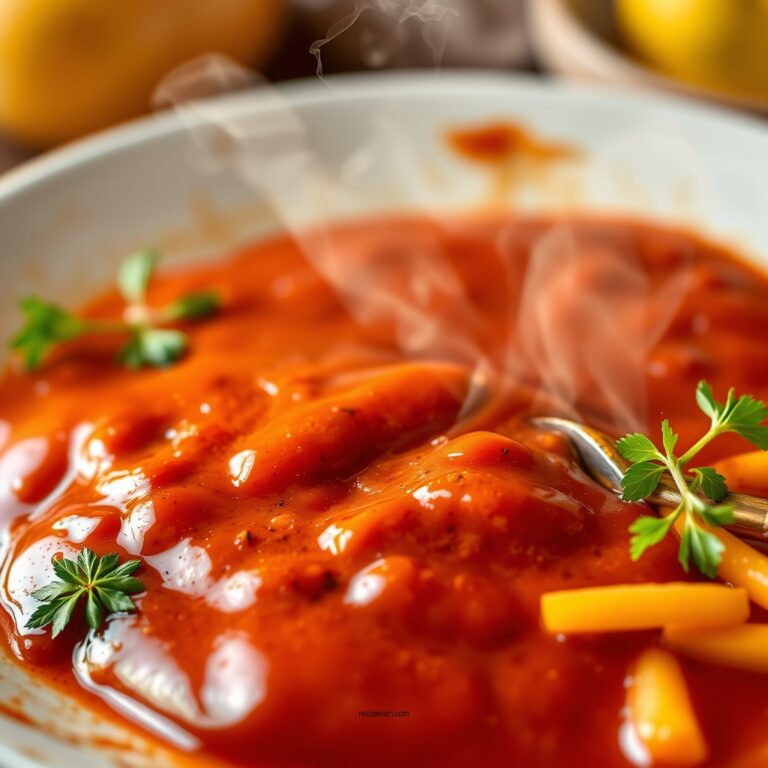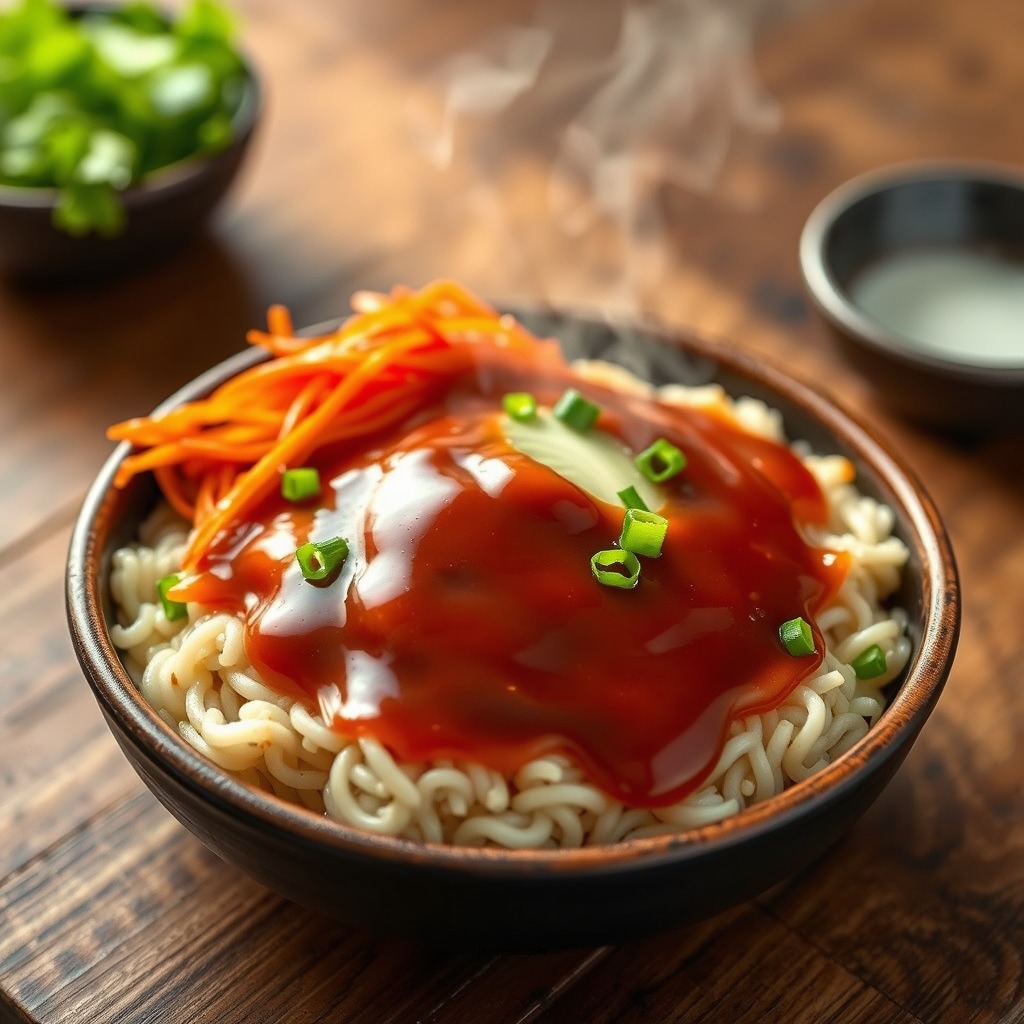
Bibimbap sauce is a key element that enhances the rich flavors of the traditional Korean dish, bibimbap. With just a few simple ingredients, you can create a vibrant sauce that harmonizes spicy, sweet, and savory notes, making your bibimbap experience truly remarkable. In this guide, you’ll discover how to easily prepare this mouthwatering sauce at home, along with tips for customization, storage, and serving suggestions to elevate your Korean culinary adventures.
What is Bibimbap Sauce?
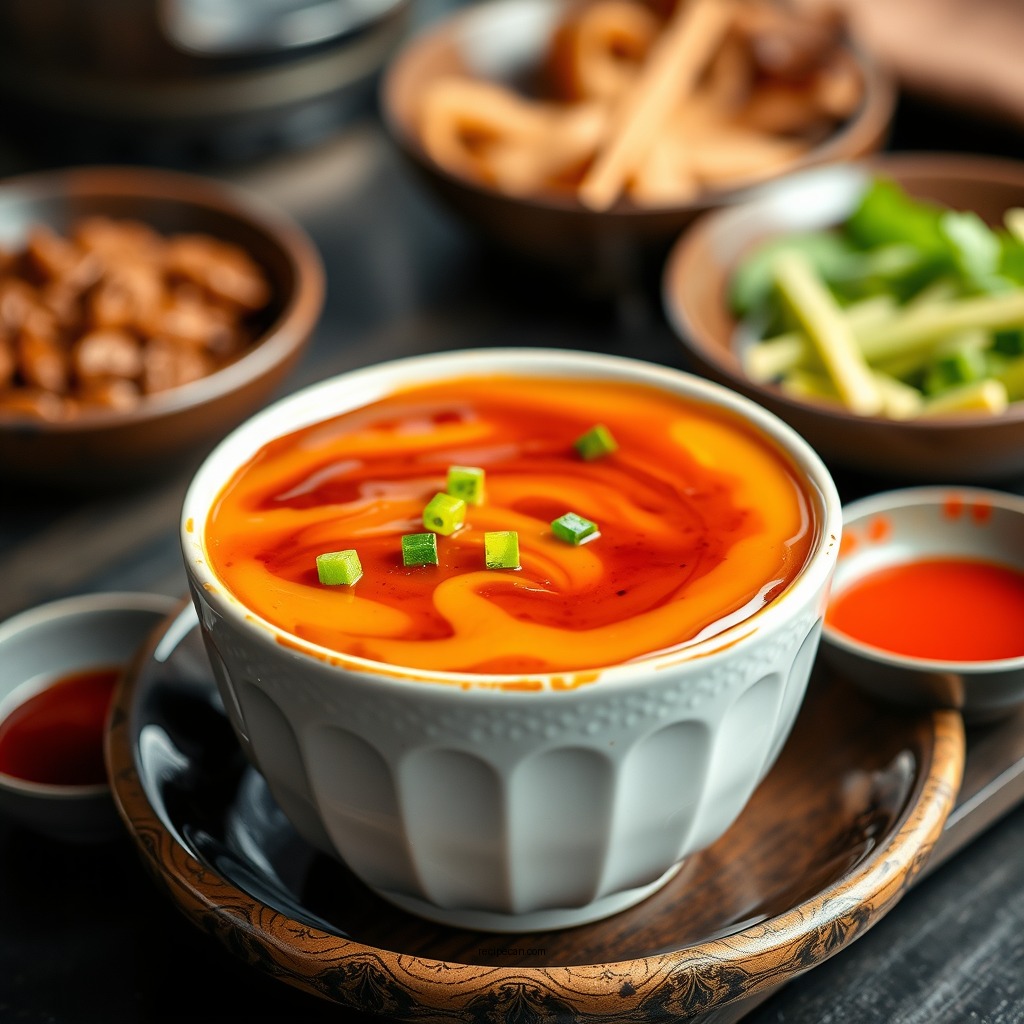
Bibimbap sauce, known as gochujang sauce, is an essential condiment in Korean cuisine, specifically designed to complement the beloved bibimbap dish. Bibimbap itself translates to “mixed rice,” typically consisting of a bowl of warm rice topped with an assortment of vegetables, meat, and a fried egg, all brought together by this flavorful sauce. The importance of bibimbap sauce lies in its ability to unify the diverse ingredients of the dish, contributing depth and character to each bite.
The flavor profile of bibimbap sauce is a delightful mix of spicy, sweet, and savory elements. Gochujang, a fermented Korean chili paste, serves as the primary base, providing a kick of heat. This is balanced by the sweetness of sugar or honey and the umami richness of sesame oil, creating a well-rounded flavor that enhances the overall dining experience. The sauce not only elevates bibimbap but also pairs well with other Korean dishes such as grilled meats, stir-fried vegetables, and even as a dipping sauce.
Key Ingredients for Bibimbap Sauce
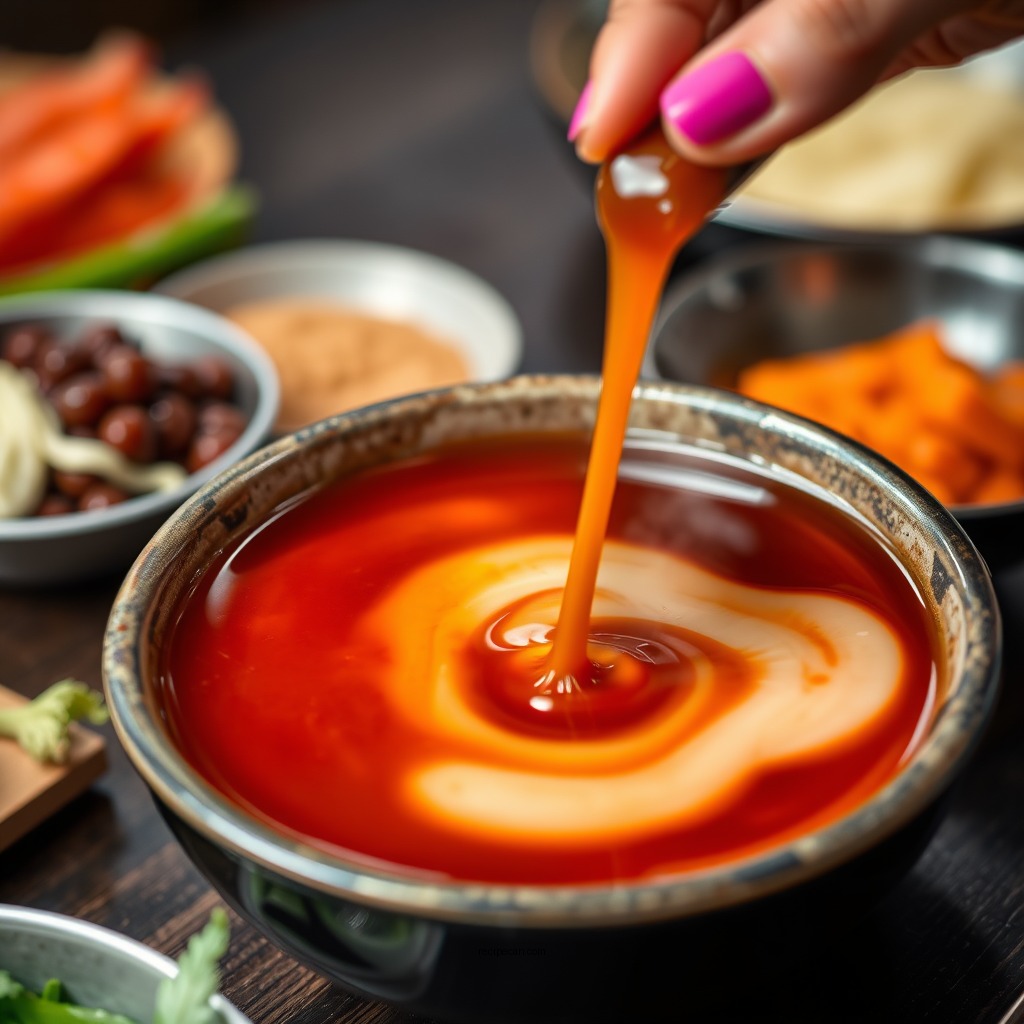
To craft an authentic bibimbap sauce, you will need the following essential ingredients:
– Gochujang (Korean Chili Paste): The star ingredient that provides heat and depth.
– Sesame Oil: Adds a nutty flavor and aromatic essence to the sauce.
– Sugar or Honey: Balances the heat with a touch of sweetness.
– Soy Sauce: Introduces savory umami notes that round out the flavor.
For those looking to enhance the sauce further, you can consider adding optional ingredients such as:
– Garlic: Fresh or powdered, it adds aromatic intensity.
– Rice Vinegar: Provides acidity, brightening the overall flavor.
– Sesame Seeds: A sprinkle for added texture and flavor.
– Scallions or Green Onions: Chopped finely for freshness and crunch.
Step-by-Step Recipe for Bibimbap Sauce
Creating bibimbap sauce is a straightforward process. Here’s a step-by-step guide to prepare it:
1. Gather Ingredients: Start by assembling all your ingredients, including 3 tablespoons of gochujang, 1 tablespoon of sesame oil, 1 tablespoon of sugar, and 1 tablespoon of soy sauce. If using, also have garlic and rice vinegar ready.
2. Mix Ingredients: In a mixing bowl, combine the gochujang, sesame oil, sugar, and soy sauce. If you choose to include garlic, mince it and add it to the mixture. For a tangy twist, you can also add a splash of rice vinegar.
3. Whisk the Mixture: Using a whisk or a fork, blend the ingredients thoroughly until the sauce is smooth and well combined. Adjust the consistency by adding a little water if necessary.
4. Taste and Adjust: Sample your sauce and tweak it according to your taste preferences. If you enjoy more heat, add an extra teaspoon of gochujang. For additional sweetness, incorporate more sugar or honey.
5. Store or Serve: Once your sauce is ready, you can either use it immediately or store it for later use.
Tips for Adjusting Spice Level
– For milder sauce, reduce the amount of gochujang.
– Consider adding more sugar to balance out the heat.
Variations of Bibimbap Sauce
While the classic bibimbap sauce is delightful, you can customize it in various ways to suit your palate:
– Spicy Garlic Sauce: Increase the amount of garlic and include chili flakes for an extra spicy kick.
– Tangy Citrus Sauce: Add a splash of citrus juice (like lime or lemon) to introduce a refreshing zing.
– Herbed Sauce: Experiment with fresh herbs like cilantro or parsley for a vibrant twist.
Additionally, bibimbap sauce can be paired with a variety of other Korean dishes. Use it as a marinade for grilled meats, a dipping sauce for dumplings, or a dressing for cold noodle salads. The versatility of this sauce makes it a valuable addition to your culinary repertoire.
Storage Tips for Bibimbap Sauce
To ensure your bibimbap sauce remains fresh and flavorful, follow these storage tips:
– Refrigeration: Store the sauce in an airtight container in the refrigerator. It will keep well for about two weeks.
– Freezing: For longer storage, you can freeze the sauce in small portions. This is particularly useful if you want to prepare it in advance. Simply thaw it in the refrigerator before use.
– Use Ideas: Leftover sauce can be used as a dressing for salads, a dip for fresh vegetables, or a marinade for meats.
Serving Suggestions
Incorporating bibimbap sauce into your bibimbap bowl effectively can elevate your meal. Here are some tips on how to do it:
– Layer Your Ingredients: Start with a base of warm rice, then layer on your choice of cooked or raw vegetables, protein (such as beef, chicken, or tofu), and a fried egg.
– Drizzle Generously: Once your ingredients are beautifully arranged, drizzle a generous amount of bibimbap sauce over the top.
– Mix It Up: Before enjoying, mix all the ingredients together to ensure that the sauce coats everything evenly, enhancing the flavors of each component.
To create a complete meal, consider pairing your bibimbap with traditional Korean sides such as kimchi, pickled vegetables, or a small bowl of soup.
Top 7 Ingredients in Bibimbap Sauce
| # | Ingredient | Quantity (per serving) | Flavor Profile |
|---|---|---|---|
| 1 | Gochujang | 3 tbsp | Spicy, Umami |
| 2 | Sesame Oil | 1 tbsp | Nutty, Aromatic |
| 3 | Sugar | 1 tbsp | Sweet |
| 4 | Soy Sauce | 1 tbsp | Savory, Umami |
| 5 | Garlic | 1 clove | Pungent, Aromatic |
| 6 | Rice Vinegar | 1 tsp | Tangy |
| 7 | Sesame Seeds | 1 tsp | Nutty |
Bibimbap Sauce Ingredient Ratios
In summary, creating an easy bibimbap sauce at home is a simple yet impactful way to enhance your meals. With just a few ingredients and straightforward steps, you can produce a flavorful sauce that not only elevates your bibimbap but also complements various Korean dishes. By experimenting with different ingredients and storage techniques, you can ensure that this versatile sauce is always on hand to bring the authentic taste of Korea right to your kitchen. Try making it today, and enjoy the vibrant flavors that bibimbap sauce has to offer!
Frequently Asked Questions
What ingredients do I need for a traditional bibimbap sauce recipe?
To make a traditional bibimbap sauce, you’ll need gochujang (Korean red chili paste), sesame oil, sugar, and a splash of vinegar. Some recipes also include garlic and sesame seeds for added flavor. These ingredients come together to create a spicy, savory sauce that perfectly complements the mixed rice and vegetables in bibimbap.
How do I make bibimbap sauce from scratch?
To make bibimbap sauce from scratch, start by combining 2 tablespoons of gochujang, 1 tablespoon of sesame oil, 1 teaspoon of sugar, and 1 teaspoon of vinegar in a bowl. Mix well until smooth, and adjust the flavors to your preference—add more gochujang for heat or more sugar for sweetness. This simple recipe yields a delicious sauce to enhance your bibimbap.
Why is bibimbap sauce important for the dish?
Bibimbap sauce is crucial because it adds depth and flavor to the dish, balancing the fresh vegetables, rice, and protein. The combination of spicy, sweet, and umami notes creates a harmonious blend that elevates the entire meal. Without the sauce, bibimbap may taste bland and lack the traditional Korean flavor profile.
What is the best way to store leftover bibimbap sauce?
The best way to store leftover bibimbap sauce is to transfer it into an airtight container and refrigerate it. It can last for about a week in the fridge, allowing you to enjoy its flavor in future meals. If you want to keep it longer, consider freezing the sauce in ice cube trays for easy portioning later.
Which variations of bibimbap sauce can I try for different flavors?
You can experiment with various ingredients to create unique bibimbap sauce variations. For example, adding soy sauce or rice vinegar can provide a tangy twist, while incorporating honey can enhance sweetness. Additionally, blending in some minced ginger or scallions can introduce fresh notes, allowing you to customize the sauce to suit your taste preferences.
References
- Bibimbap
https://en.wikipedia.org/wiki/Bibimbap - https://www.ncbi.nlm.nih.gov/pmc/articles/PMC6690540/
https://www.ncbi.nlm.nih.gov/pmc/articles/PMC6690540/ - https://www.sciencedirect.com/science/article/pii/S221267081730017X
https://www.sciencedirect.com/science/article/pii/S221267081730017X - https://www.bbc.com/food/recipes/bibimbap_91125
https://www.bbc.com/food/recipes/bibimbap_91125 - https://www.theguardian.com/lifeandstyle/2020/jun/17/how-to-make-bibimbap-recipe
https://www.theguardian.com/lifeandstyle/2020/jun/17/how-to-make-bibimbap-recipe - https://www.nytimes.com/2021/04/21/dining/bibimbap-recipe.html
https://www.nytimes.com/2021/04/21/dining/bibimbap-recipe.html - Google Scholar Google Scholar
https://scholar.google.com/scholar?q=bibimbap+sauce+recipe - https://scholar.google.com/scholar?q=bibimbap+recipe Google Scholar
https://scholar.google.com/scholar?q=bibimbap+recipe - Google Scholar Google Scholar
https://scholar.google.com/scholar?q=Korean+cuisine+bibimbap - https://www.healthline.com/nutrition/bibimbap-recipe-guide
https://www.healthline.com/nutrition/bibimbap-recipe-guide