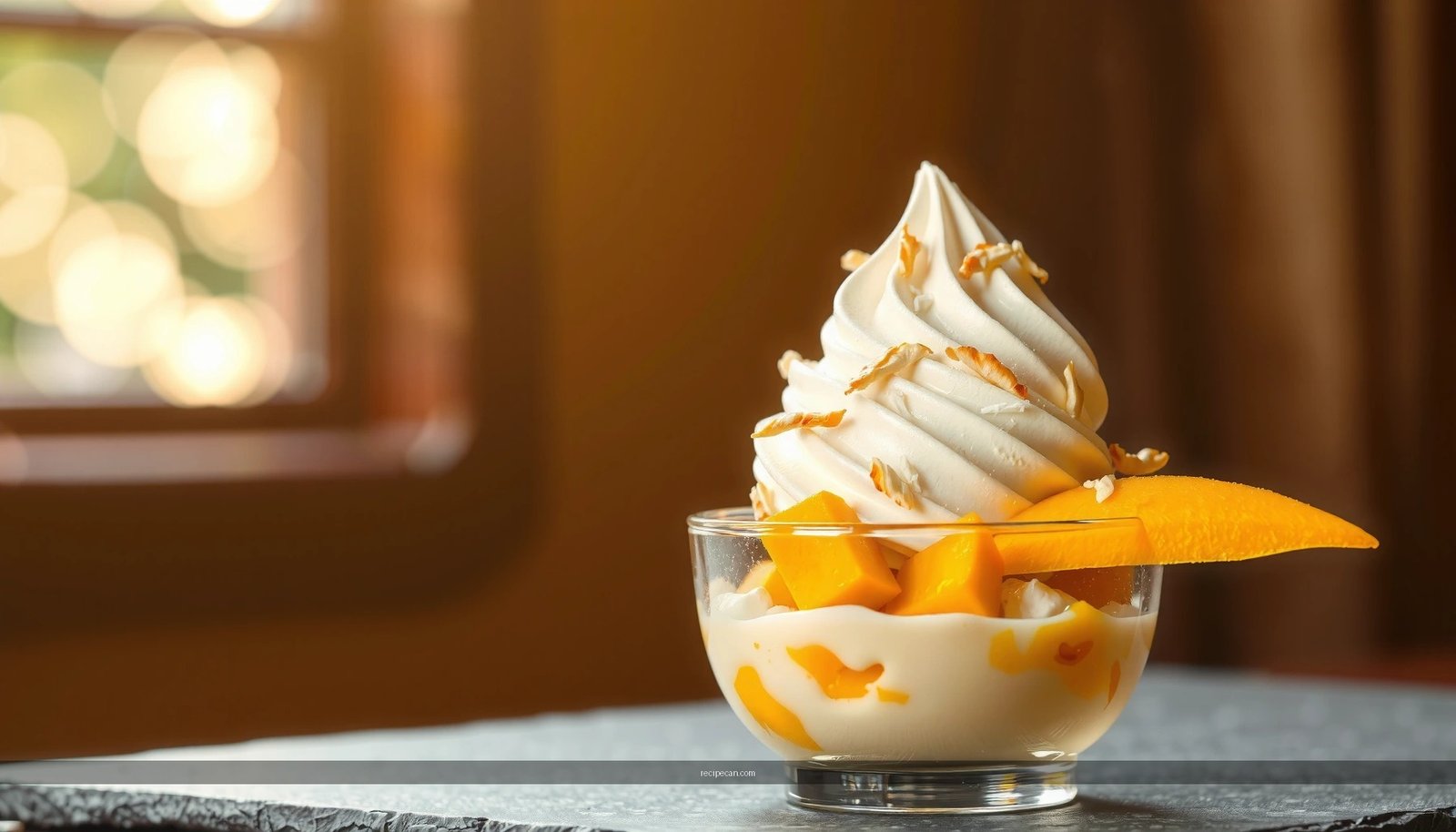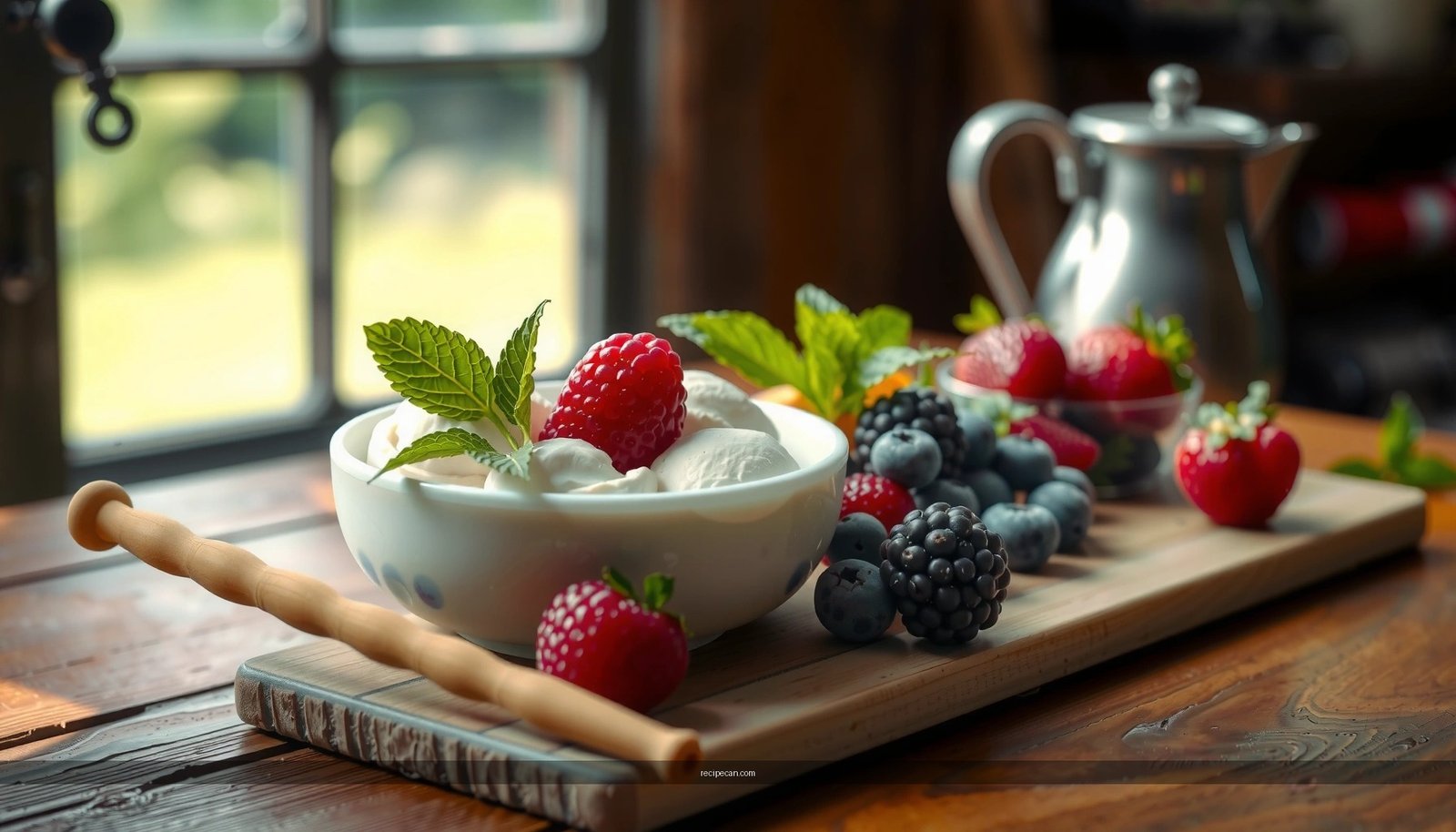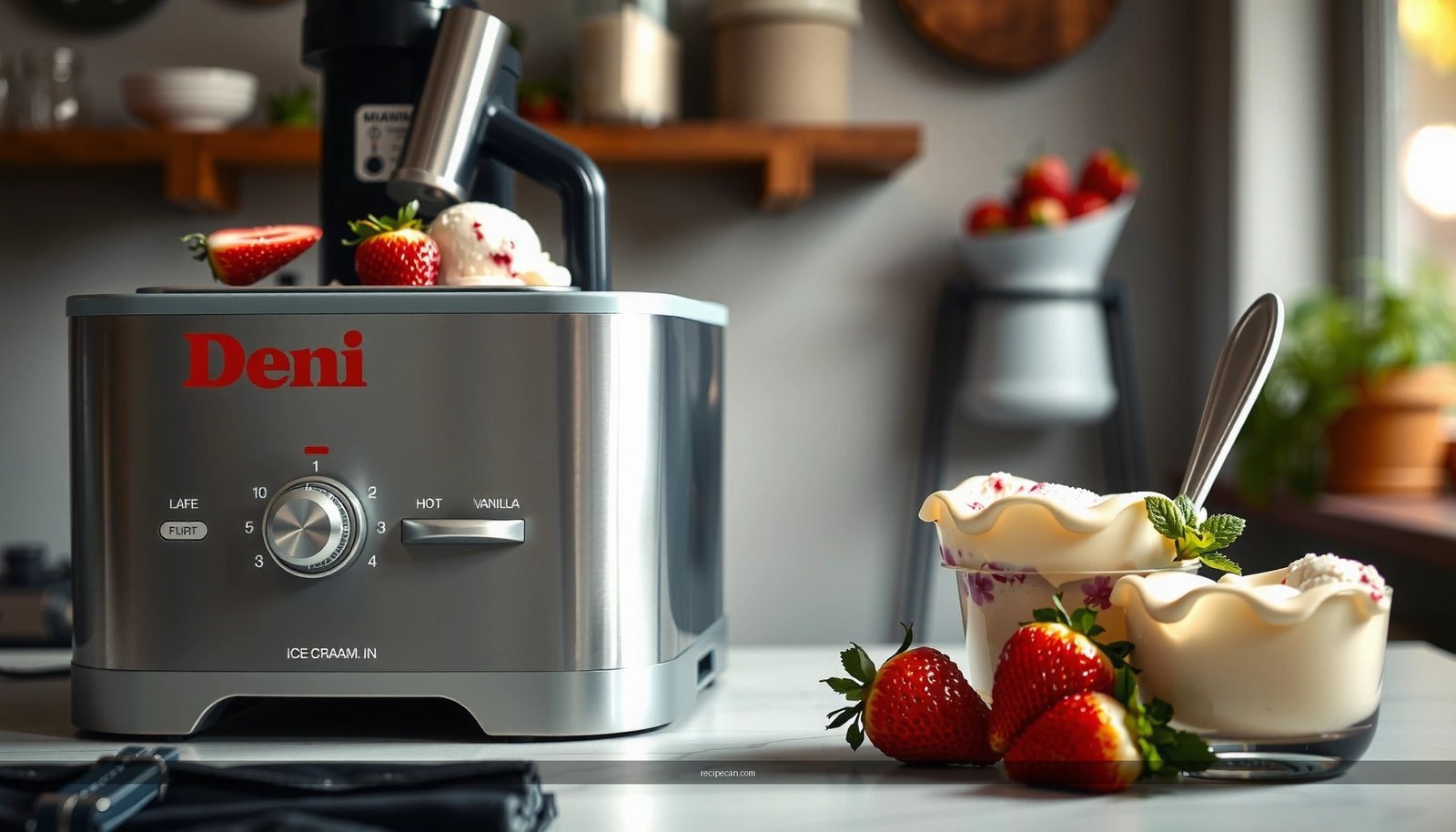
Looking for deni ice cream maker recipes that actually deliver? This guide picks the best 10 easy, creamy options and tells you which flavors work fastest and taste most “ice cream shop” right from your Deni machine. If you want minimal fuss with maximum results, you’ll know exactly what to make—and in what order—to get a smooth, scoopable batch every time.
Yes—you can consistently make fast, creamy ice cream at home with a Deni ice cream maker by using a reliable custard-style base (or a closely related cream-and-milk base), chilling it properly, and churning to the right thickness before freezing. Below are tried-and-true Deni ice cream maker recipes (from classic vanilla to mix-in loaded flavors), plus practical timing and texture tips so you get smooth results instead of icy disappointment.
Best Base Recipe for Deni Ice Cream Makers
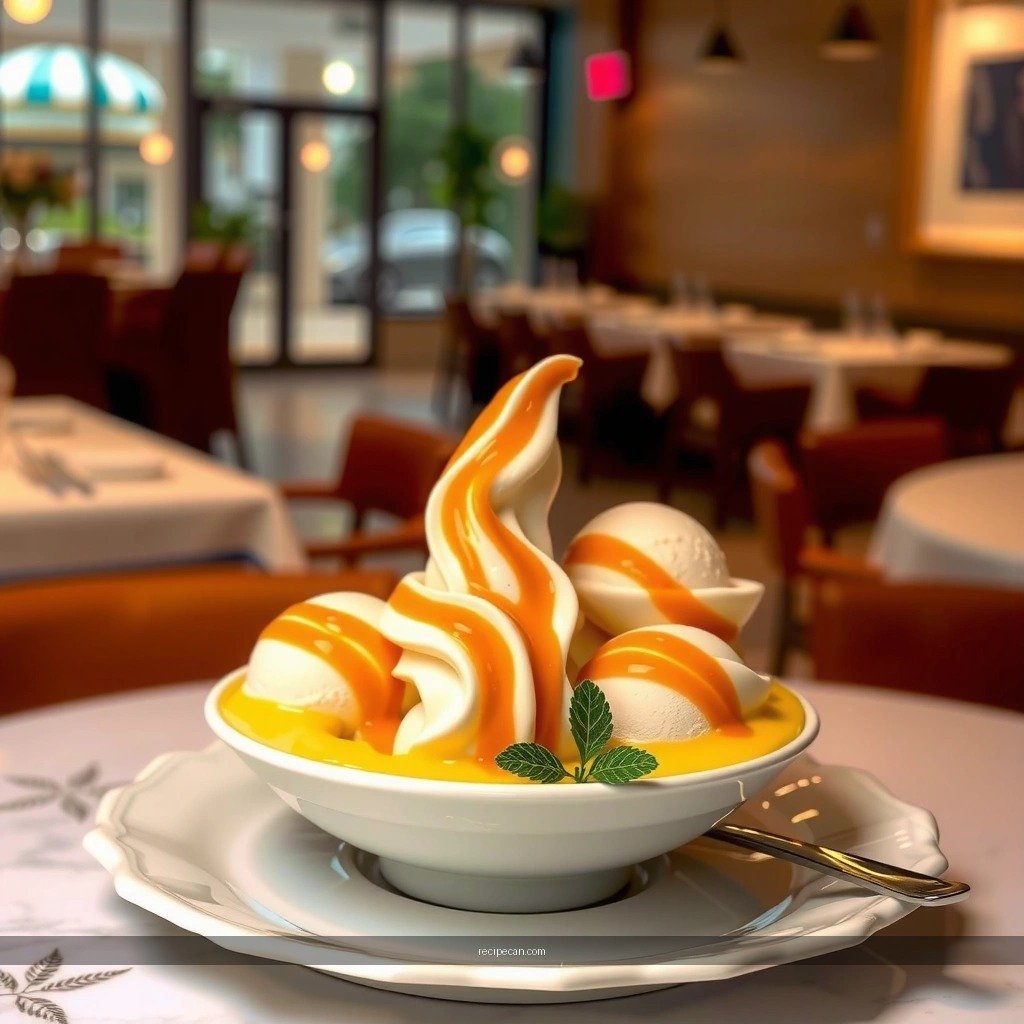
A great Deni ice cream recipe starts with a base you can reproduce every time. The goal is to balance fat (for richness), sugar (for scoopability), and water/solids (to control freezing texture). For most Deni ice cream makers, a cream-and-milk base works extremely well because it churns smoothly and freezes with a soft, creamy bite when handled correctly.
– Follow a simple cream-and-milk base for consistent results
A reliable starting point is: heavy cream + milk + sugar + a stabilizing element (often eggs, or a cornstarch option if you prefer no-eggs). If your machine performs best with “classic” mixes, custard-style bases usually yield the smoothest mouthfeel.
– Chill the mixture before churning for better texture
Churning warm base tends to produce softer churn, slower thickening, and a higher risk of graininess. Chill until the base is fully cold (about 35–40°F / 2–4°C).
– Use the correct fill level to avoid overflowing
Overfilling can foam up and reduce churning efficiency. Many compressor-free and many basic churners require headroom so the mixture can expand during aeration—typically staying at no more than the marked fill line on the unit.
Recommended Base Handling for Smooth Deni Ice Cream (Practical Targets)
| # | Base Step (Deni Ice Cream Maker) | Target | Typical Impact | Quality Result |
|---|---|---|---|---|
| 1 | Chill base before churning | 35–40°F (2–4°C) | Faster thickening, fewer ice crystals | ★ Smooth texture |
| 2 | Use correct fill level | Stay at/under marked line | Less foaming, better aeration | ★ Stable churn |
| 3 | Sweeten base | 12–16% sugar by weight (typical) | Better scoopability | ★ Less icy bite |
| 4 | Churn to thick “soft-serve” stage | Ribbons form, not watery | Reliable freeze-up in freezer | ★ Creamy body |
| 5 | Strain for smooth base | Fine-mesh once | Removes egg/caramel granules | ★ Silky finish |
| 6 | Freeze after churning | 4–6 hours for firm scoop | Ice crystals stabilize | ★ Proper firmness |
| 7 | Add mix-ins timing | Last 2–5 minutes of churn | Even distribution, less sogginess | ★ Avoid uneven clumps |
Classic Vanilla Deni Ice Cream Recipe
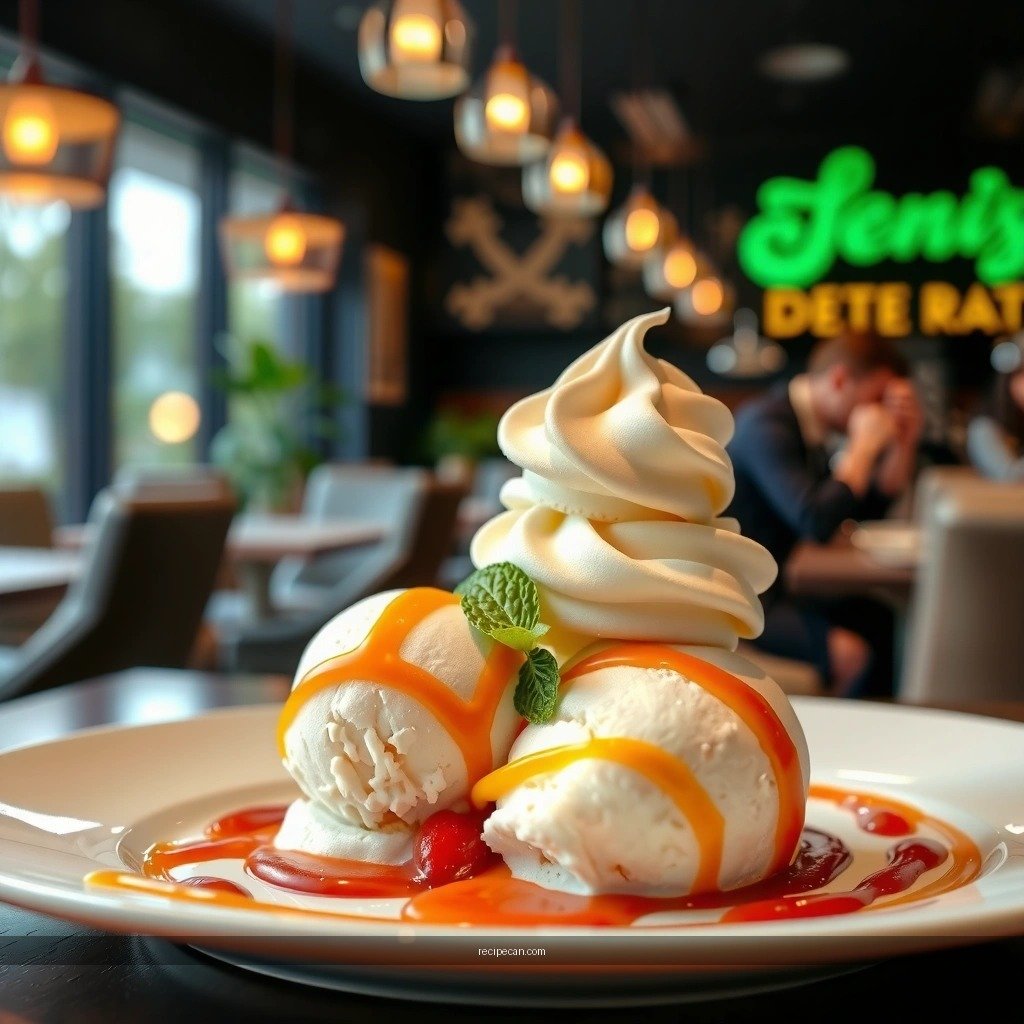
Vanilla is the benchmark flavor: if your vanilla is smooth and scoopable, your base technique is working. For a Deni ice cream maker, vanilla is also forgiving—just avoid adding vanilla too early if your base is hot enough to mute aroma.
– Add vanilla (and optional pinch of salt) for deeper flavor
Use pure vanilla extract (or vanilla paste). A tiny pinch of salt sharpens sweetness and improves perceived richness without making the ice cream taste “salty.”
– Strain the base for extra smoothness
If you’re using eggs or heating a custard, strain while it’s warm to remove any curdled bits. This is one of the fastest paths to “diner-level” smoothness.
– Churn until thickened, then freeze to firm up
Stop when the texture resembles soft-serve. Freezing completes the ice crystal formation and sets the structure.
Quick method (vanilla base):
Heat milk, sugar, and part of the cream until steaming; whisk in egg yolks if using custard, then cook gently to coat a spoon. Cool, add remaining cream + vanilla, chill, churn, then freeze 4–6 hours.
Chocolate & Cocoa Deni Ice Cream Recipes
Chocolate ice cream is easy in a Deni ice cream maker, but cocoa requires careful mixing and sweetness balancing. The biggest avoidable issue is cocoa clumping, which can lead to dry pockets or a grainy finish.
– Mix cocoa thoroughly to prevent clumps
Stir cocoa into a small portion of warm liquid (or whisk it into sugar) before adding to the rest. This helps cocoa disperse evenly.
– Pair chocolate base with chunks or fudge swirls
For “mix-in” texture, fold in chopped chocolate or add a thick fudge ribbon during the last minutes of churning so it distributes without sinking.
– Adjust sweetness depending on cocoa strength
Natural cocoa can taste more intense; Dutch-process cocoa is smoother and slightly less sharp. Taste your base before chilling and adjust sugar in small increments.
Two reliable variations:
1) Chocolate-chunk: cocoa-forward base + finely chopped chocolate (freeze the chunks first).
2) Fudge swirl: cocoa base + warm fudge (cooled to thick but pourable), added late.
Fruit Swirl and Sorbet-Style Options
Fruit flavors are best when you preserve the fruit’s brightness and avoid introducing extra water that freezes into hard ice. For swirl-style ice cream, you want fruit thick enough to “ribbon,” not splash.
– Use ripe fruit and blend for a smooth swirl
Puree strawberries, raspberries, peaches, or mango with a little sugar (if fruit is tart) until smooth.
– Strain seeds if you want a finer texture
For raspberry and strawberry swirls, straining removes seeds that can create a gritty mouthfeel in churned ice cream.
– Freeze extra briefly for a spoonable consistency
Sorbet-style mixes usually benefit from a slightly shorter freeze window (or a bit more stirring) to stay scoopable without turning rock-hard.
Smart approach:
Make your fruit swirl separate, cool it, and add it during the last few minutes of churning using a spoon or piping bag. Then freeze so the swirl sets without fully hardening into brittle flakes.
Cookies, Brownies, and Mix-Ins for Texture
The secret to “bakery-style” texture is timing and piece size. Mix-ins should be distributed evenly without turning soggy or breaking down.
– Add mix-ins during the last minutes of churning
This gives mix-ins time to embed while the base is still fluid enough to carry them through evenly.
– Chop cookies/brownies into small pieces to distribute evenly
Smaller pieces spread more uniformly. Aim for bite-size cubes or crumbles, not large chunks that stay concentrated.
– Keep mix-ins from becoming soggy by freezing them first
Freeze cookie pieces and brownie bits before mixing. Cold mix-ins slow moisture transfer and help maintain contrast.
Easy winners:
– Chocolate chip cookie (salted if you like sweet-salty contrast)
– Brownie bites in a vanilla base
– Caramel-coated nuts for crunch (mix late, and do not overdo caramel so it doesn’t melt into the base)
Troubleshooting Common Deni Ice Cream Issues
Even with the best Deni ice cream maker recipes, you may occasionally get texture issues. The fix is usually temperature-related, timing-related, or fill-level related—so troubleshooting is straightforward.
– If it’s too icy, chill longer and churn a bit longer
Ice crystals form when the base is too warm or churn stops early. Chill thoroughly and churn until you see a thick, cohesive texture rather than a loose liquid.
– If it’s too soft, freeze longer after churning
Sometimes churn is correct but freezer time wasn’t enough. Give it 4–6 hours (or longer for very soft-freeze climates).
– If it’s not thickening, check temperature and follow fill guidelines
Confirm the base temperature and verify you didn’t exceed the fill line. Overfilling can slow aeration and reduce thickening.
If you want a quick diagnostic: take note of (1) base chill time, (2) churn duration, and (3) how full the drum was. Adjust one variable at a time and your results will converge fast.
Optional process refinement (analytical but practical):
Keep a small log (flavor, base type, chilling time, churn time, freezer time). After 2–3 batches, you’ll know your preferred “sweet spot” for your specific kitchen conditions.
[CONCLUSION PARAGRAPH – NO HEADING]
These Deni ice cream maker recipes make it easy to churn smooth, flavorful ice cream at home—starting with a dependable base and then experimenting with vanilla, chocolate, fruit swirls, and mix-ins. Pick one recipe above, make the base, churn to the right thickness, and freeze until firm. If you want, tell me your flavor favorites and I’ll suggest the best next recipe to try.
Frequently Asked Questions
What are the best deni ice cream maker recipes for beginners?
Start with no-fuss custard-style or churn-friendly deni ice cream maker recipes like vanilla bean and simple strawberry sorbet. These recipes usually require fewer ingredients and less cooking than complex flavors, so your texture stays creamy and predictable. Use a pre-chilled base and follow your model’s fill line to avoid overworking the machine.
How do I make a creamy vanilla base in a deni ice cream maker?
Heat milk and cream with sugar until warm, then whisk in egg yolks (for an egg custard method) before returning to low heat until slightly thickened. Cool the custard completely—chilling for several hours is key for smooth deni ice cream maker results—then churn according to your ice cream maker recipe timing. If you want a simpler method, try a no-cook vanilla base with sweetened cream and milk and chill thoroughly before churning.
Why does my deni ice cream maker ice cream turn out icy instead of creamy?
Icy texture is often caused by an under-chilled base, too much sugar-free liquid, or churning before the mixture is cold enough. Make sure your churn base is fully chilled and that you balance ingredients in your deni ice cream maker recipes, especially adding enough fat and controlling water-heavy mix-ins. Also, don’t overfill the bowl—freezing needs proper space to create the right ice crystal size.
Which mix-ins work best in deni ice cream maker recipes without ruining texture?
Fold mix-ins in gently during the final minutes of churning when the ice cream is thickening, such as chocolate chunks, cookie crumbles, toasted nuts, or swirled caramel. Avoid adding very watery ingredients (like fresh fruit purées) all at once, since they can increase iciness unless your recipe is designed for it. For fruit flavors, use deni ice cream maker sorbet-style bases or cook and reduce fruit mixtures to concentrate sweetness and flavor.
How can I use my deni ice cream maker to make dairy-free or sorbet-style recipes?
For sorbet in a deni ice cream maker, replace dairy with a water-based fruit or juice base, then add sugar and a small amount of stabilizer if your machine performs best with one. Churn until the mixture reaches a soft-serve texture, then freeze briefly to firm up. For dairy-free “ice cream,” use coconut cream or a dairy-free custard method and chill the base well to keep the churn smooth and creamy.
References
- Ice cream
https://en.wikipedia.org/wiki/Ice_cream - Ice cream maker
https://en.wikipedia.org/wiki/Ice_cream_maker - Freezing-point depression
https://en.wikipedia.org/wiki/Freezing_point_depression - Ice cream | Definition, History, & Production | Britannica
https://www.britannica.com/topic/ice-cream - Google Scholar Google Scholar
https://scholar.google.com/scholar?q=deni+ice+cream+maker+recipes - Google Scholar Google Scholar
https://scholar.google.com/scholar?q=hand+crank+ice+cream+maker+salt+ice+recipes - Google Scholar Google Scholar
https://scholar.google.com/scholar?q=ice+cream+churning+ice+cream+maker+mixing+overrun+science - https://pubmed.ncbi.nlm.nih.gov/?term=ice+cream+churning+process+emulsion+structure
https://pubmed.ncbi.nlm.nih.gov/?term=ice+cream+churning+process+emulsion+structure - ice cream mix formulation emulsion stabilization | Nature Search Results
https://www.nature.com/search?q=ice%20cream%20mix%20formulation%20emulsion%20stabilization - https://www.sciencedirect.com/search?qs=ice%20cream%20mix%20formulation%20churning%20overrun
https://www.sciencedirect.com/search?qs=ice%20cream%20mix%20formulation%20churning%20overrun