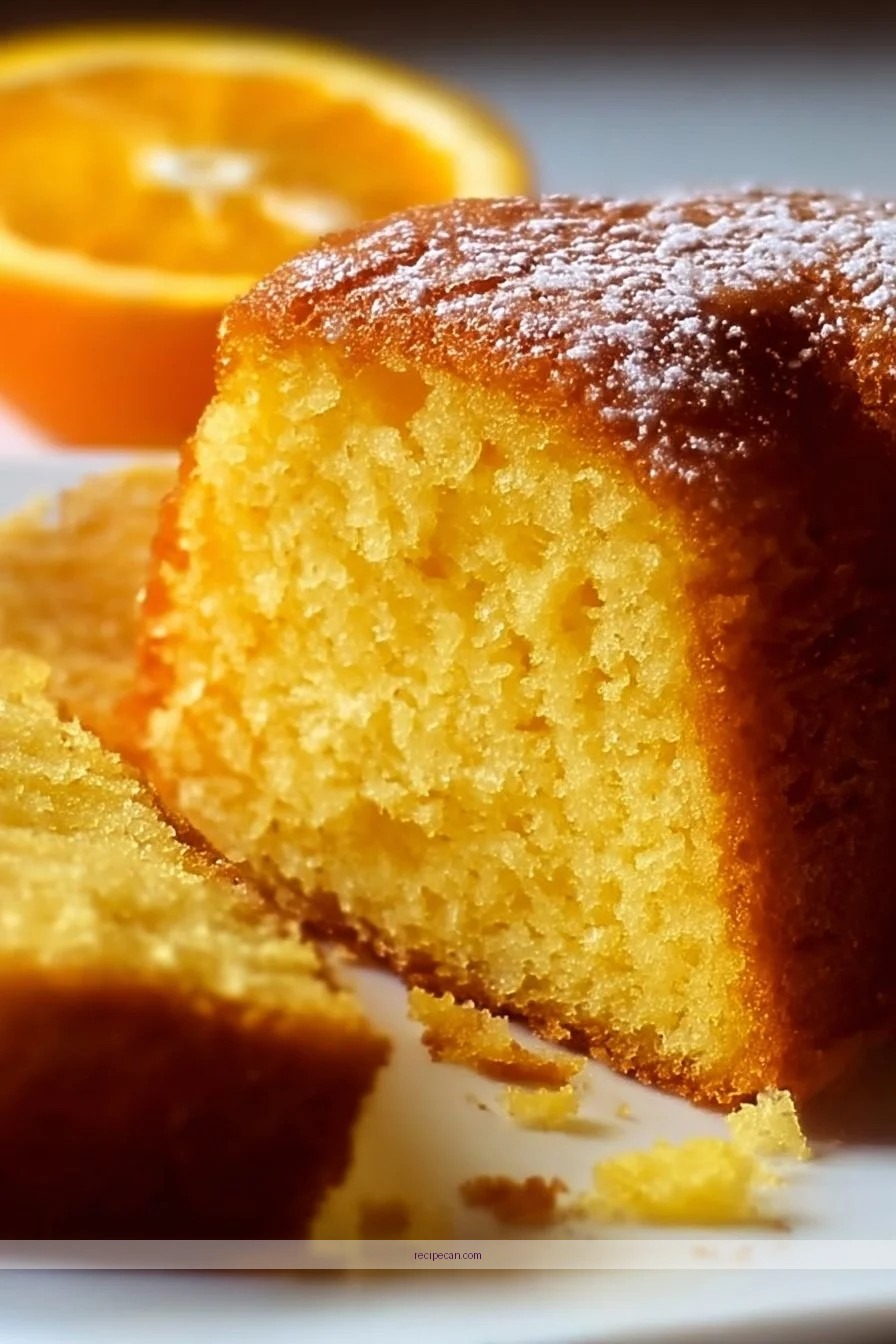
This delicious orange juice cake recipe is the ultimate choice for a sweet treat that balances tangy citrus flavor with moist, tender crumb. Perfect for brunch or a casual dessert, this cake will impress your guests and satisfy your cravings. Discover how easy it is to create a delightful dessert that shines with fresh orange zest and juice, elevating your baking game effortlessly.
Baking a delicious orange juice cake is a delightful way to bring brightness and flavor to your dessert table. This simple yet flavorful cake combines fresh orange juice and zest, creating a moist and uplifting treat that’s perfect for any occasion. Whether you’re looking to impress guests or simply enjoy a slice with your afternoon tea, this recipe is easy to follow and sure to please everyone.
Recipe Overview
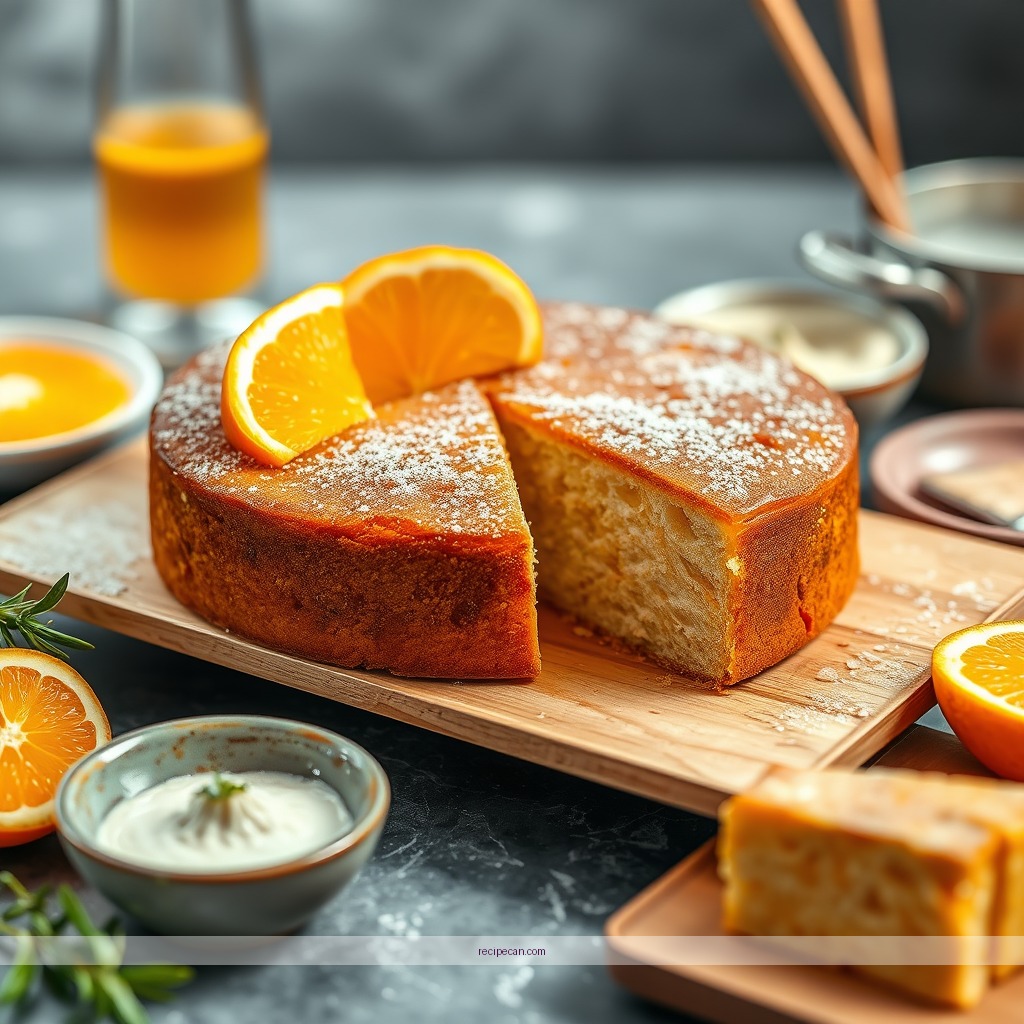
This orange juice cake is a delightful blend of citrus flavors and sweet cake, making it an excellent choice for dessert lovers. With a light, fluffy texture and a zesty taste, it’s surprisingly simple to make and yields a cake that serves about 8-10 people. Perfect for family gatherings, brunches, or as an afternoon snack, this cake is a hit for all ages. The vibrant color and inviting aroma of freshly squeezed oranges make this cake not just a treat to eat, but a feast for the senses.
Time Required

– 🕐 Prep Time: 15 minutes
– 🍳 Bake Time: 30-35 minutes
– ⏱ Total Time: Approximately 50 minutes
Ingredients

The key to a great orange juice cake is using fresh ingredients. Freshly squeezed orange juice brings vibrant flavor, while zesty orange rind adds an aromatic kick. If you’re in a pinch, bottled juice can work, but fresh is always best! The balance of sweetness from the sugar and the tanginess from the orange juice create a harmonious flavor profile that keeps you coming back for more.
Main Ingredients
– 1 ½ cups all-purpose flour
– 1 cup granulated sugar
– ½ cup unsalted butter, softened
– 2 large eggs
– ½ cup fresh orange juice
– Zest of 1 orange
– 2 tsp baking powder
– ½ tsp salt
Optional Glaze
– 1 cup powdered sugar
– 2-3 tbsp fresh orange juice
Step-by-Step Instructions

1. Preheat the Oven: Start by preheating your oven to 350°F (175°C). This ensures your cake bakes evenly from the start and rises beautifully.
2. Mix the Dry Ingredients: In a bowl, whisk together the flour, baking powder, and salt. This step is crucial as it helps distribute the leavening agent evenly throughout the cake, ensuring a fluffy texture.
3. Cream Butter and Sugar: In a large mixing bowl, cream the softened butter and granulated sugar until light and fluffy. This process aerates the mixture and is essential for a soft, tender cake.
4. Add Eggs and Orange Juice: Beat in the eggs one at a time, ensuring each is fully incorporated before adding the next. Then, mix in the fresh orange juice and orange zest, blending until well combined. This adds moisture and flavor to the batter.
5. Combine with Dry Ingredients: Gradually add the dry mixture to the wet ingredients, mixing until just combined. Over-mixing can lead to a dense cake, so be gentle and stop as soon as you see no dry flour.
6. Bake: Pour the batter into a greased 9-inch round cake pan and smooth the top with a spatula. Bake for 30-35 minutes, or until a toothpick inserted into the center comes out clean. The cake should be golden brown and spring back when lightly pressed.
7. Cool and Glaze: Allow the cake to cool in the pan for 10 minutes before transferring it to a wire rack. Once completely cool, drizzle with the optional orange glaze made from powdered sugar and orange juice for a sweet finishing touch.
What to Avoid & Precautions
Baking is forgiving, but there are a few common pitfalls to watch for to ensure your orange juice cake turns out perfectly!
Overmixing the Batter
Mixing too much can lead to a dense cake. Combine ingredients until just mixed for a light texture. Pay attention to the consistency; it should be smooth but not overly beaten.
Not Using Fresh Ingredients
Using stale baking powder or bottled orange juice will affect the flavor and rise of your cake. Always check for freshness! Fresh ingredients make a significant difference in both taste and texture.
Common Mistakes & How to Fix Them
Even the most experienced bakers can encounter challenges. Here are some typical mistakes and how to avoid them:
Skipping the Zest
Many people skip the zest thinking it’s unnecessary, but it adds essential flavor. If you omit it, the cake may taste flat. Always include the zest for that extra burst of citrus goodness.
Improper Oven Temperature
Not preheating your oven or baking at the wrong temperature can lead to uneven baking. Invest in an oven thermometer if you suspect your oven’s temperature is inaccurate.
Using Cold Ingredients
Using butter or eggs straight from the refrigerator can lead to a lumpy batter. Allow them to come to room temperature for a smoother mix.
How to Serve
This cake is delightful on its own but can be served with a dollop of whipped cream or a scoop of vanilla ice cream for extra indulgence. It pairs beautifully with tea or coffee and is perfect for sharing at gatherings.
Plating & Presentation
For a lovely presentation, place the cake on a decorative cake stand. Dust with powdered sugar or garnish with orange slices for a pop of color. A sprig of mint can also add a refreshing touch.
What Goes Well With It
Serve it alongside a cup of freshly brewed coffee or a light herbal tea. The bright flavors of the cake complement these beverages perfectly.
Storage & Reheating
To store leftovers, keep the cake in an airtight container at room temperature for up to 3 days, or in the fridge for up to a week. You can also freeze it for longer storage—just wrap it tightly in plastic wrap. To reheat, gently warm individual slices in the microwave for about 10-15 seconds.
Top 7 Citrus Flavors in Baking (2024)
| # | Flavor | Popularity Rating | Use in Desserts | Best Pairing |
|---|---|---|---|---|
| 1 | Orange | ★★★★☆ | Widely used | Chocolate |
| 2 | Lemon | ★★★★★ | Common in pastries | Blueberries |
| 3 | Lime | ★★★★☆ | Refreshing in cakes | Coconut |
| 4 | Grapefruit | ★★★☆☆ | Unique flavor | Vanilla |
| 5 | Tangerine | ★★★☆☆ | Occasional use | Pineapple |
| 6 | Clementine | ★★★☆☆ | Great in cookies | Almond |
| 7 | Bergamot | ★★☆☆☆ | Rare in desserts | Chocolate |
Baking this orange juice cake is a fantastic way to enjoy a burst of citrus flavor that everyone will love. Get your ingredients ready, and treat yourself to a slice of sunshine today! This recipe not only satisfies your sweet tooth but also brightens your day with its vibrant flavors. Enjoy every bite!
Frequently Asked Questions
What ingredients do I need for an orange juice cake recipe?
To make a delicious orange juice cake, you’ll need basic baking ingredients such as all-purpose flour, granulated sugar, baking powder, and eggs. Additionally, fresh orange juice and orange zest are essential to give the cake its vibrant flavor. Don’t forget to include a bit of vegetable oil or butter for moisture.
How do I make sure my orange juice cake stays moist?
To ensure your orange juice cake remains moist, use fresh orange juice and consider adding a little bit of sour cream or yogurt to the batter. Baking the cake at the correct temperature and not overmixing the batter will also help retain moisture. Lastly, once the cake is baked, you can drizzle a simple orange syrup over it for extra moisture and flavor.
Why is my orange juice cake dense?
A dense orange juice cake can result from overmixing the batter or using too much flour. Ensure you measure your flour correctly and mix just until combined after adding the wet ingredients. Also, check if your baking powder is fresh, as expired leavening agents can lead to dense baked goods.
What is the best way to frost an orange juice cake?
The best way to frost an orange juice cake is with a light cream cheese frosting or a simple glaze made from powdered sugar and orange juice. A cream cheese frosting adds a tangy balance to the sweetness, while a glaze can enhance the orange flavor without overpowering it. Ensure the cake is completely cool before applying any frosting to prevent it from melting.
Which baking pan is best for an orange juice cake?
For an orange juice cake, a 9×13-inch rectangular baking pan or a bundt pan works best, as both allow for even baking and easy serving. A bundt pan will give your cake a beautiful shape, while a rectangular pan makes it easy to cut into squares. Be sure to properly grease and flour your chosen pan to prevent sticking.
References
- Cake
https://en.wikipedia.org/wiki/Cake - https://www.foodnetwork.com/recipes/food-network-kitchen/orange-cake-recipe-2011412
https://www.foodnetwork.com/recipes/food-network-kitchen/orange-cake-recipe-2011412 - Google Scholar Google Scholar
https://scholar.google.com/scholar?q=recipe+orange+juice+cake - Google Scholar Google Scholar
https://scholar.google.com/scholar?q=orange+cake+recipe - Google Scholar Google Scholar
https://scholar.google.com/scholar?q=orange+juice+baking - https://www.sciencedirect.com/topics/food-science/orange-cake
https://www.sciencedirect.com/topics/food-science/orange-cake - Checking your browser – reCAPTCHA
https://www.ncbi.nlm.nih.gov/pmc/articles/PMC6223060/ - https://www.britannica.com/topic/cake-culinary-art
https://www.britannica.com/topic/cake-culinary-art - recipe orange juice cake – Search results
https://en.wikipedia.org/wiki/Special:Search?search=recipe+orange+juice+cake - https://www.ncbi.nlm.nih.gov/search/research-articles/?term=recipe+orange+juice+cake
https://www.ncbi.nlm.nih.gov/search/research-articles/?term=recipe+orange+juice+cake