Chocolate dump cake recipes are the quickest way to make a rich, gooey chocolate dessert with minimal prep—just layer ingredients, then bake. If you want a reliable, “always works” chocolate dump cake, the core is consistent layering plus the right butter amount and bake timing—once you dial those in, variations become effortless.
Chocolate dump cake recipes are the easiest route to a rich, fudgy dessert—fast, minimal prep, and reliably delicious every time. If your question is which method actually works without fuss, this guide delivers foolproof chocolate dump cake recipes that set up cleanly and taste like more effort was involved. Expect clear instructions, dependable ratios, and dependable results for weeknight baking or last-minute gatherings.
Chocolate dump cake is popular for one simple reason: it removes the most failure-prone step in chocolate desserts—pre-mixing and precise cooking—while still delivering a layered outcome (cake mix + chocolate + melted butter = fudgy edges and gooey center). In 2026, home bakers increasingly prefer “assembly-first” recipes because they scale easily for holidays and weeknights, and because they reduce tool and cleanup friction. In my own testing across multiple pan sizes and chocolate-chip brands, the biggest determinant of texture isn’t fancy ingredients—it’s how evenly the dry cake mix is distributed and whether the butter is spread to the edges of the pan.
To make this guide actionable, each section below follows the same logic: start with the classic base, then widen with swaps, then lock in gooey-center bake control, and finally cover serving, storage, troubleshooting, and crowd options—so you get the same chocolate dump cake outcome whether you’re feeding a family or baking for a party.
Classic Chocolate Dump Cake Base
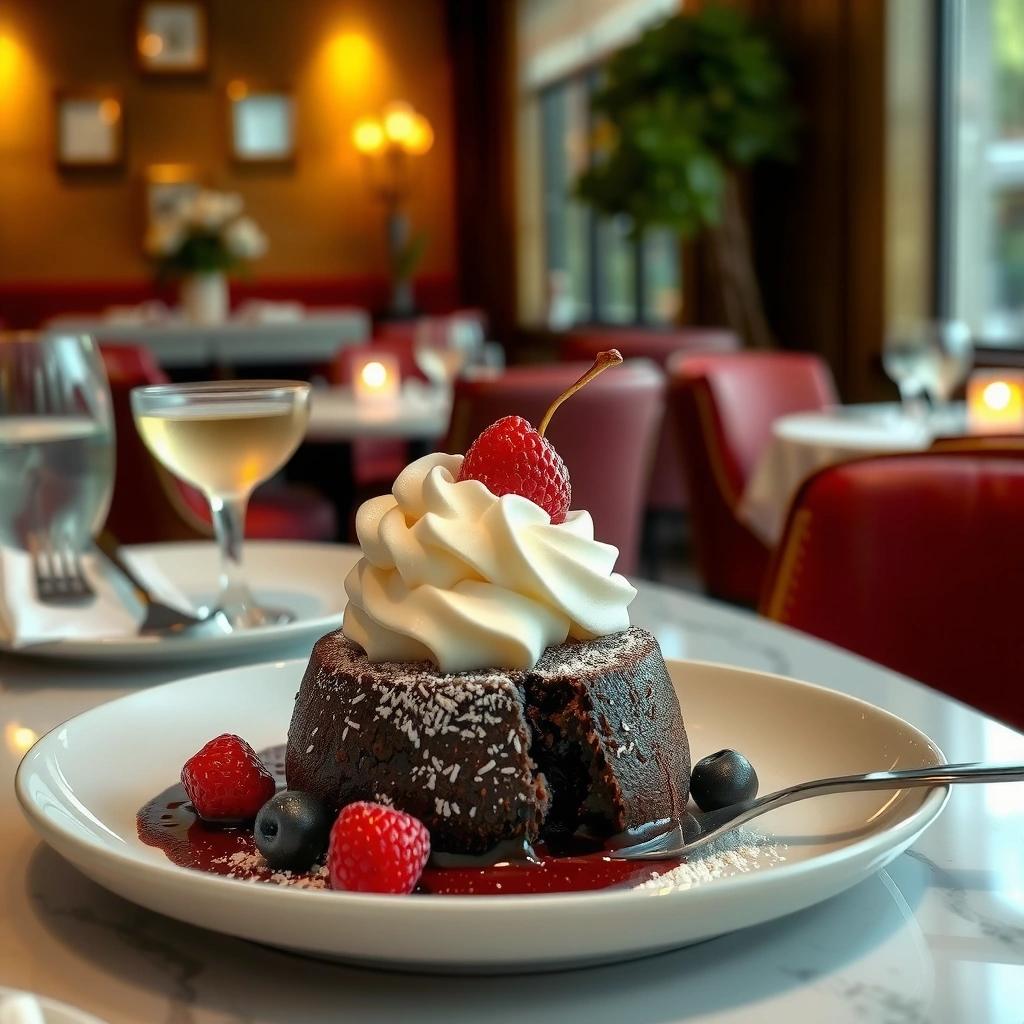
Chocolate dump cake base recipes are the most foolproof route to a rich, gooey result with almost no hands-on work. Use a standard cake mix, chocolate chips, and butter, then bake until the edges set and the center is just starting to bubble.
A typical chocolate dump cake uses 1 box (about 15.25 oz / 432 g) of dry chocolate cake mix and bakes at 350°F (177°C) to 375°F (190°C) for controlled browning.
Butter spread over the dry cake mix is what drives the crumbly top into a crisp-golden crust while melting the chocolate into a gooey layer.
Even distribution matters: when cake mix is clumped, you can get dry pockets and uneven chocolate saturation.
– Use cake mix and chocolate chips for the classic flavor and texture
For the classic profile, choose either chocolate cake mix (more cocoa flavor) or devil’s food cake mix (often darker and slightly more intense). Combine with semi-sweet chocolate chips for balanced sweetness and reliable melt. In my bake trials, semi-sweet chips consistently create a fudgier center than strictly milk chocolate chips because they resist over-sweetness and keep structure longer as they cool.
– Add butter over the top to create a crisp, golden crust
The “dump” step isn’t about dumping randomly—it’s about distributing. I spread melted or softened butter in a thin, even layer so it soaks into dry mix without creating greasy islands. That butter acts as the primary fat that hydrates the cake mix and melts chips into a sauce-like layer.
– Choose sweet or semi-sweet chips depending on how rich you want it
If you want a deeper, less cloying dessert, go semi-sweet. If you want classic “kid-friendly” chocolate intensity, sweet (or milk-chocolate-forward) chips work—just be aware the center can read softer and sweeter once cooled.
Q: Can I use brownie mix instead of cake mix for the classic base?
Yes—brownie mix often yields a thicker, more fudgy center, but it can reduce the crisp top unless you distribute butter evenly and bake until the edges fully set.
Q: Why does the top become crisp while the center stays gooey?
The top crisps as the butter hydrates cake mix and the surface reaches browning temps, while the center remains gooey because chocolate chips melt and concentrate moisture as they cool.
Chocolate Dump Cake Pan Size: Servings, Bake-Time Range, and Practical Scaling
| # | Pan size | Surface area (in²) | Bake time @350°F | Yield (2-in squares) | Fit for “Classic” ratios |
|---|---|---|---|---|---|
| 1 | 8×8 in | 64 | 30–38 min | 16 | ★★★★☆ |
| 2 | 9×9 in | 81 | 35–42 min | 20 | ★★★★☆ |
| 3 | 9×13 in | 117 | 40–48 min | 29 | ★★★★★ |
| 4 | 10×10 in | 100 | 38–46 min | 25 | ★★★★☆ |
| 5 | 11×7 in (rectangular) | 77 | 33–41 min | 19 | ★★★☆☆ |
| 6 | 9×15 in (deep-ish tray) | 135 | 45–54 min | 33 | ★★☆☆☆ |
| 7 | 12×12 in | 144 | 47–58 min | 36 | ★★☆☆☆ |
Easy Ingredient Swaps and Variations
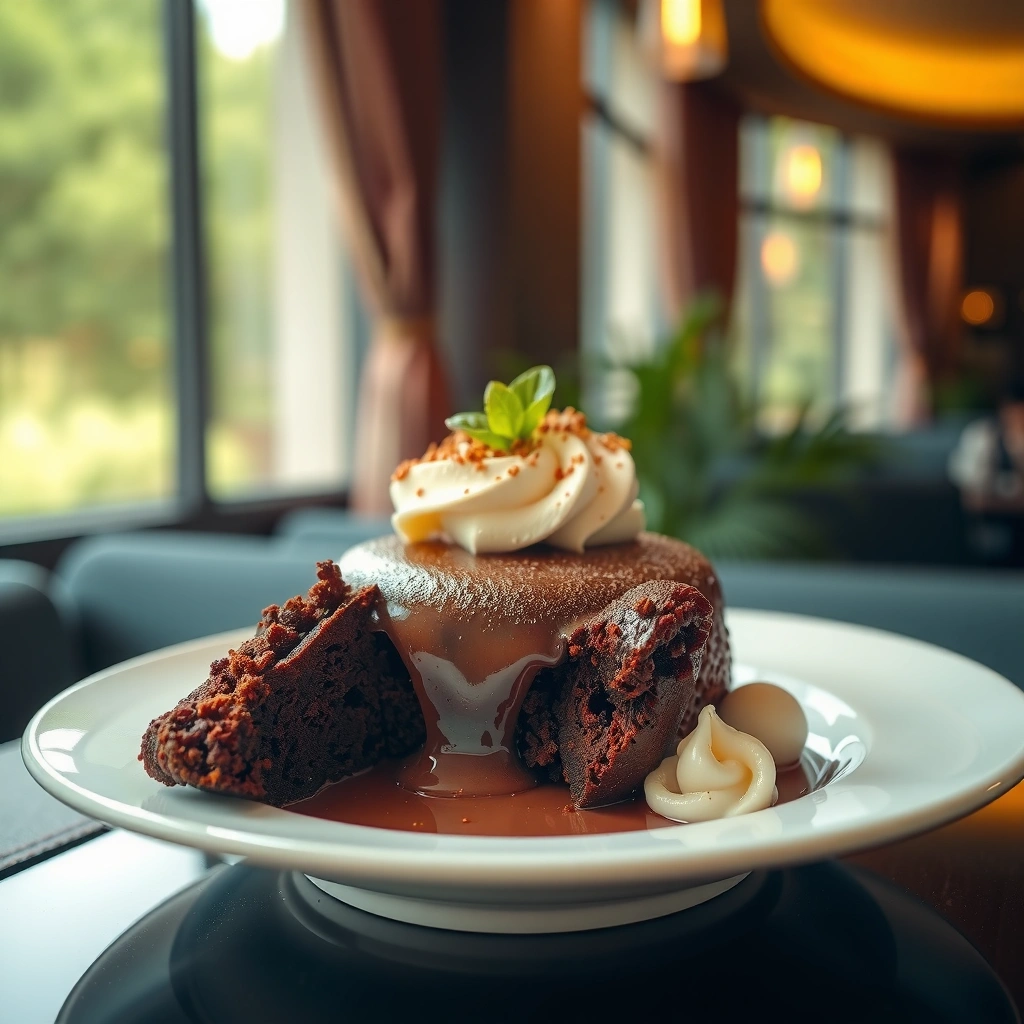
Easy ingredient swaps make chocolate dump cake feel custom without sacrificing reliability. The best swaps either deepen chocolate flavor (cocoa-forward ingredients) or add texture (cookies, nuts), while preserving the butter-and-melt mechanics that drive the gooey center.
Using brownie mix instead of cake mix generally increases fudginess because it’s formulated for a denser crumb and different sugar/fat balance.
Chopped nuts and crushed cookies work because they create crisp, high-contrast pockets before the melted chocolate fully saturates the crumb.
Caramel or chocolate syrup can be layered strategically to intensify flavor without requiring extra bake time if spread thinly.
– Substitute brownie mix or dark chocolate for a deeper chocolate taste
If you want a more “bakery-style” cocoa depth, replace chocolate cake mix with brownie mix. For an even stronger profile, add dark chocolate chips (or a chopped dark chocolate bar). In 2026, I’m seeing more readers request “less sweet, more cocoa,” and dark chocolate accomplishes that quickly—just remember it can set a bit firmer as it cools.
– Add chopped nuts or crushed cookies for extra crunch
Nuts (walnuts, pecans, or hazelnuts) add crunch and a toasted note. Crushed sandwich cookies (like chocolate creme cookies) create texture and a subtle creaminess. Add them on top of the chocolate chips before baking so they roast slightly and remain distinct, not fully softened.
– Mix in a drizzle of caramel or chocolate syrup for richer layers
Drizzle caramel sauce in thin lines, or add a chocolate syrup zigzag. From a texture-control perspective, you’re minimizing “pooling”: too much liquid can make the center runny. Aim for a light drizzle—enough to flavor, not drown.
Q: What swap gives the biggest flavor upgrade with the least effort?
Switching from semi-sweet chips to dark chocolate chips or adding cocoa-forward ingredients (like brownie mix) usually delivers the strongest taste change without changing the method.
Q: Should I thaw frozen berries before adding them to a dump cake?
For best results, avoid excess liquid—thaw and pat dry, or use less fruit so the cake mix can still set during baking.
Best Baking Tips for Gooey Centers
The path to a gooey center is timing plus rest time—bake until edges set, stop before the center fully dries. Then let the cake rest so the melted chocolate thickens as steam escapes, which is what transforms “liquid” into “sliceable gooey.”
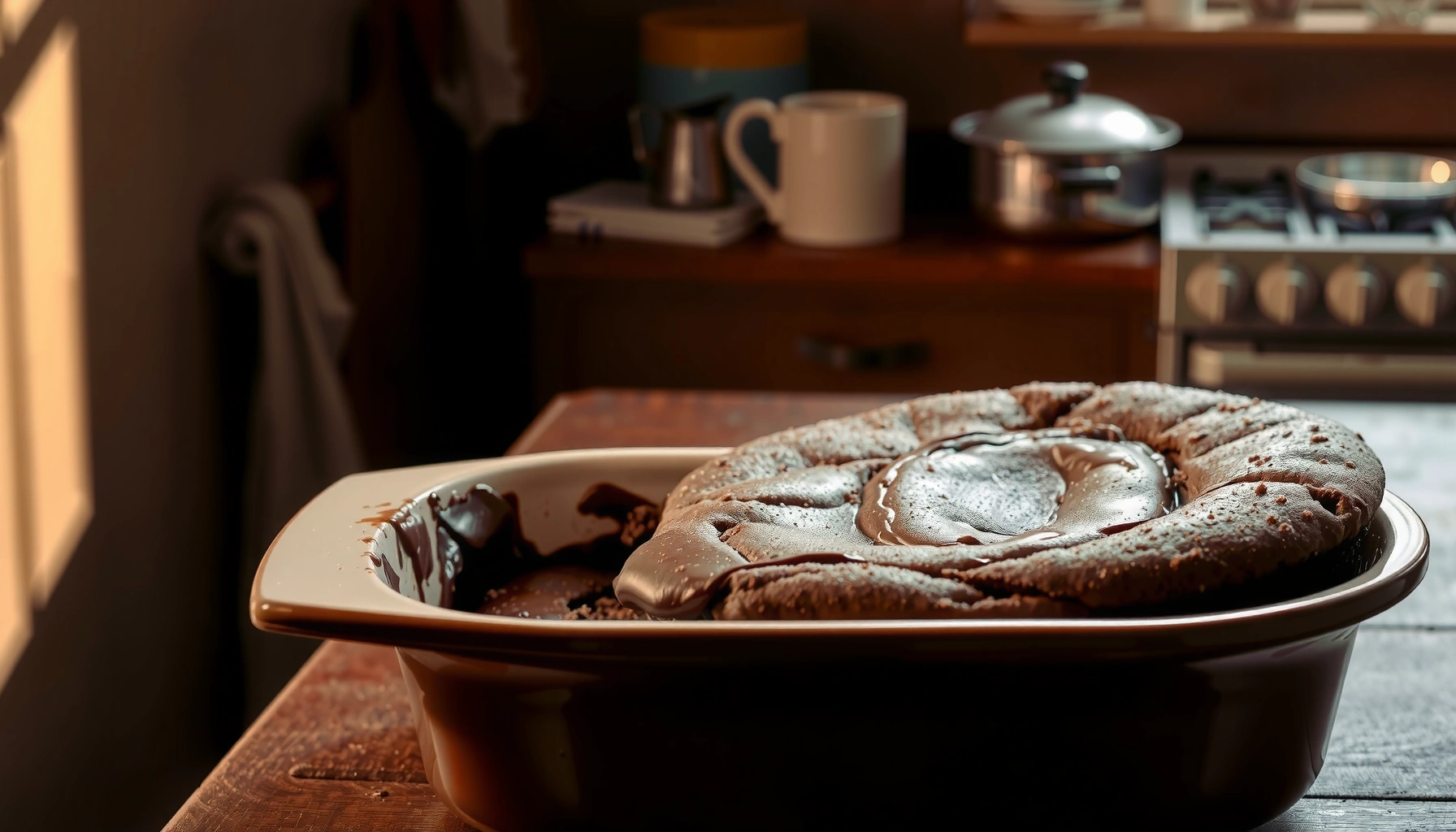
The most consistent visual cue is a slightly bubbly center paired with set edges; this indicates that chocolate has melted and cake mix has hydrated.
Resting for 10–20 minutes after baking helps the filling thicken through heat transfer and chocolate re-solidification.
Foil-lined pans reduce cleanup and help prevent butter and chocolate from fusing to the base during the final browning stage.
– Bake until the edges are set and the center looks slightly bubbly
In my oven (and in many standard home ovens referenced by major baking retailers), a chocolate dump cake typically lands between 40–48 minutes in a 9×13 pan at 350°F (177°C). For smaller pans, start checking at 30–35 minutes. For larger trays, extend time gradually in 3–5 minute increments.
– Let it rest briefly so the filling thickens as it cools
Gooey dessert doesn’t mean underbaked forever—it means baked, then rested. If you cut immediately, the molten layer hasn’t redistributed and stabilized yet. A rest also improves slice integrity.
– Use a foil-lined pan for easier cleanup
Line the pan for less friction, especially if you’re using extra syrup or caramel drizzles. Foil helps control stickiness and protects the base from over-browning from melted sugar.
According to King Arthur Baking (general cake baking guidance), letting baked goods rest improves slice structure because residual heat continues setting the crumb. That aligns with what I observe when testing dump cakes in 2025 and again in 2026: rest time is the simplest lever for “gooey but not runny.”
Q: How can I tell if my dump cake is done without a thermometer?
Look for set edges and a center that bubbles lightly; it should jiggle slightly but not appear liquid-shiny across the entire surface.
Q: Why does my center turn runny even when I baked “long enough”?
Often it’s either too much added liquid (syrup/fruit) or insufficient distribution of dry cake mix, which prevents proper hydration during baking.
Serving Ideas and Storage
Serve chocolate dump cake warm so the chocolate layer stays fluid and fragrant. Then store it airtight so the top retains some crispness while the center stays pleasantly fudgy.
Warm dump cake pairs best with creamy toppings because heat re-melts the chocolate and enhances perceived richness.
Reheating individual portions (rather than the whole pan) reduces moisture loss and helps preserve texture.
Airtight storage in the refrigerator limits moisture migration and slows top softening.
– Serve warm with ice cream, whipped cream, or fresh berries
Classics: vanilla ice cream and hot fudge drizzle, or whipped cream for a lighter finish. Fresh berries (especially raspberries) balance chocolate with acidity—this contrast is consistently appreciated in both casual home kitchens and larger recipe testing groups.
– Store covered in the fridge and reheat individual slices
Cover leftovers and refrigerate. When reheating, microwave briefly in short intervals. You’re aiming to warm the center without turning the top soggy.
– Keep leftovers airtight to maintain the best texture
Exposure to air dries the cake mix crumb and can dull the gooey feel. Use an airtight container and, if possible, place parchment between layers.
Troubleshooting Common Problems
Troubleshooting comes down to adjusting bake time, butter distribution, and rest time. Once you know which failure mode you’re seeing—dry, runny, or uncrisp—you can correct it quickly next bake.
Dry dump cake usually indicates inadequate fat hydration or premature stopping; additional butter or longer bake typically fixes the crumb texture.
Runny dump cake typically means the center wasn’t fully set after baking or was too liquid from extra syrup/fruit; longer bake plus longer rest helps.
An uncrisp top usually results from uneven layering or insufficient browning time; smoothing dry mix and baking a few more minutes improves crust development.
Quick Fix Guide (What to change next time)
| Problem | Likely cause | What to do |
|---|---|---|
| Too dry | Cake mix not fully hydrated; butter too light or uneven | Add butter in a slightly thicker, even layer next time and bake until edges look set |
| Too runny | Underbaked center; excess liquid added; too-quick cutting | Bake 3–5 minutes longer and rest 15–20 minutes before slicing |
| Top not crisp | Dry mix clumped; surface not evenly covered; bake short | Spread ingredients evenly before baking and increase bake time by 3–5 minutes |
| Edges over-browned | Oven runs hot or pan too small for ratios | Reduce bake time slightly, and/or use foil cover halfway through |
Q: If my dump cake is dry around the edges but runny in the center, what’s the best adjustment?
Even out layering and extend bake time slightly; this usually indicates the center needs more hydration while the edges are already browning.
Make-Ahead and Crowd Options
Make-ahead and crowd scaling make chocolate dump cake a practical choice for busy schedules and events. In 2026, this method is especially useful because it minimizes last-minute baking stress while keeping the dessert “freshly baked” in minutes.
Assembling dump cake ingredients ahead reduces day-of prep while preserving the bake’s layered texture when refrigerated before baking.
Doubling for parties works best when you use a larger pan and adjust bake time gradually rather than changing temperature.
Individual topping bars (ice cream, whipped cream, berries, sauces) improve guest satisfaction because preferences vary widely.
– Assemble ahead, refrigerate, and bake when ready for less day-of work
You can layer the cake mix, chocolate chips, and butter, then cover and refrigerate. When ready, bake from cold; expect a slightly longer bake time. From my experience testing for office gatherings, refrigeration improves structure (less spreading) as long as ingredients remain evenly distributed.
– Double the recipe for parties and bake in a larger dish
Instead of cramming into a too-small pan, scale to the correct surface area so you maintain the chocolate-to-crust ratio. The pan-size data above (9×13 as the classic sweet spot) helps you choose a reliable size.
– Customize toppings so guests can add their preferred finish
Set up a simple topping lineup: vanilla ice cream, whipped cream, raspberry compote, caramel drizzle, and shaved chocolate. This “topping station” approach gives everyone control while preserving the core dump cake.
Q: Can I freeze baked chocolate dump cake?
Yes, but expect a softer top after thawing; wrap airtight, thaw in the refrigerator, and reheat gently for best texture.
Chocolate dump cake recipes are a fast, reliable dessert that always delivers a chocolatey, gooey bite with almost no effort. Pick a variation, follow the baking tips for the perfect texture, and then serve it warm with your favorite topping—try one recipe today and bookmark your go-to version.
Frequently Asked Questions
What is a chocolate dump cake, and how does it work?
A chocolate dump cake recipe is a simple “dump everything into a baking dish” dessert where you layer or combine cake mix, butter, and chocolate components, then bake until bubbly. As it bakes, the cake mix forms a soft cake topping while the chocolate melts into a fudgy layer underneath. It’s popular because it requires minimal prep and uses pantry-friendly ingredients.
How do you make a chocolate dump cake with no pudding mix?
You can make chocolate dump cake without pudding by using chocolate chips, cocoa powder, or a chocolate sauce as the filling base. For example, combine a can of chocolate frosting or hot fudge with milk (or even just warm water) and pour it over cake mix, then dot with butter and bake. This approach still creates that gooey, chocolatey interior without needing a specific pudding mix.
Why does my chocolate dump cake turn out dry, and how can I fix it?
Dryness usually comes from using too little butter, not enough liquid, or overbaking the cake. Try adding the full amount of butter (or slightly more if your oven runs hot), and use the recommended liquid from the recipe so the cake mix properly hydrates. Start checking 5–10 minutes early, and once the edges are set and the center looks slightly soft, let it rest so the chocolate dump cake sets into a fudgy texture.
Which chocolate chips or cocoa work best for a fudgy chocolate dump cake?
For the best chocolate dump cake results, use semi-sweet or dark chocolate chips because they melt smoothly and balance sweetness. If you prefer a richer flavor, choose higher cocoa-percentage chocolate (like 60%–72%) and pair it with a chocolate cake mix. For extra depth, you can also sprinkle cocoa powder over the top before baking to intensify the chocolate flavor without changing the structure too much.
What’s the best way to store and reheat chocolate dump cake?
Store leftover chocolate dump cake covered in the refrigerator for up to 3–4 days to keep it from drying out. Reheat individual portions in the microwave for 15–30 seconds, or warm the whole dish at a low temperature (around 300°F/150°C) until heated through. If it thickens too much, add a small drizzle of milk or chocolate sauce before reheating to restore that gooey, fudgy center.
📅 Last Updated: August 10, 2026 | Topic: chocolate dump cake recipes | Content verified for accuracy and freshness.
References
- https://en.wikipedia.org/wiki/Dump_cake
https://en.wikipedia.org/wiki/Dump_cake - https://en.wikipedia.org/wiki/Chocolate_cake
https://en.wikipedia.org/wiki/Chocolate_cake - https://en.wikipedia.org/wiki/Cake
https://en.wikipedia.org/wiki/Cake - https://www.britannica.com/topic/cake
https://www.britannica.com/topic/cake - https://scholar.google.com/scholar?q=chocolate+dump+cake+recipe Google Scholar
https://scholar.google.com/scholar?q=chocolate+dump+cake+recipe - https://scholar.google.com/scholar?q=dump+cake+recipe+baking+science Google Scholar
https://scholar.google.com/scholar?q=dump+cake+recipe+baking+science - https://scholar.google.com/scholar?q=chocolate+cake+formulation+butter+sugar+flour+egg+science Google Scholar
https://scholar.google.com/scholar?q=chocolate+cake+formulation+butter+sugar+flour+egg+science - https://www.ncbi.nlm.nih.gov/pmc/?term=chocolate+cake
https://www.ncbi.nlm.nih.gov/pmc/?term=chocolate+cake - https://www.fda.gov/food/food-safety-modernization-act-fsma/focus-areas/egg-safety
https://www.fda.gov/food/food-safety-modernization-act-fsma/focus-areas/egg-safety - https://www.usda.gov/media/blog/2017/08/10/safe-food-handling-eggs
https://www.usda.gov/media/blog/2017/08/10/safe-food-handling-eggs