Making your own marinara sauce is simple and rewarding, allowing you to customize flavors to your liking. In this article, you’ll discover a variety of marinara sauce recipes that are easy to prepare, using fresh ingredients and pantry staples. Whether you prefer a classic version or something with a twist, we’ve got you covered.
Classic Marinara Sauce
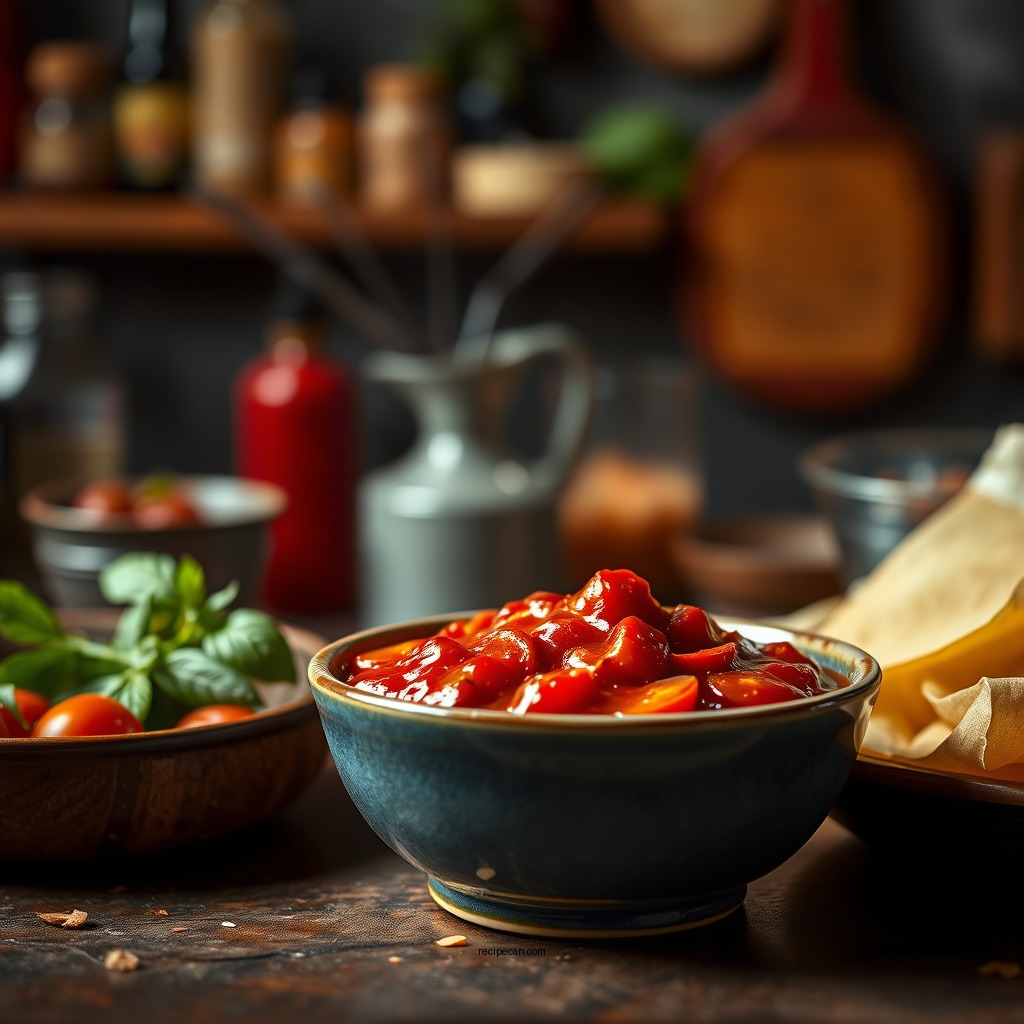
To create a truly authentic marinara sauce, start with high-quality San Marzano tomatoes, known for their rich flavor and low acidity. Begin by sautéing minced garlic and finely chopped onion in extra virgin olive oil until they are soft and fragrant. This forms a rich base that enhances the overall taste of the sauce. Add the crushed tomatoes and season with salt, black pepper, and a pinch of sugar to balance acidity. Simmer the sauce on low heat for at least 30 minutes, allowing the flavors to meld beautifully. For an herbaceous touch, consider adding fresh basil towards the end of cooking.
Quick Marinara Sauce
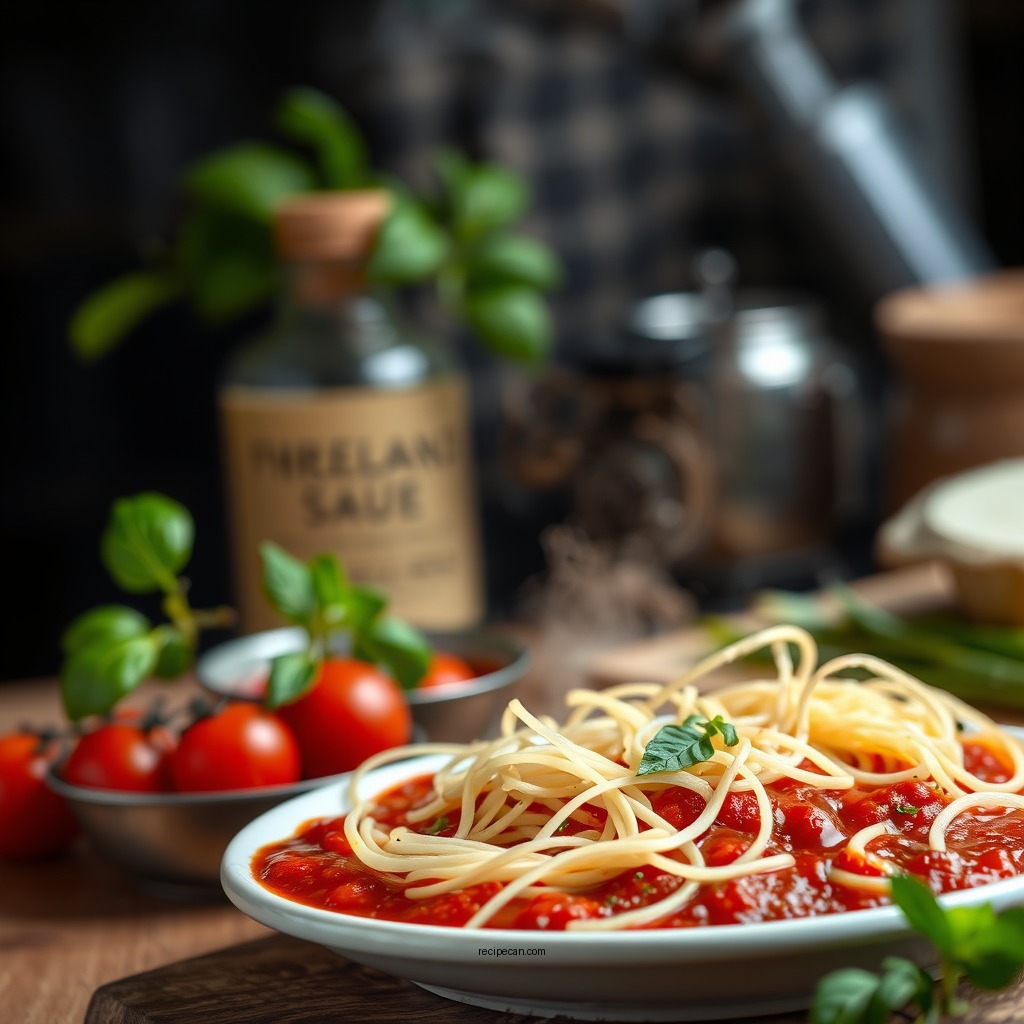
For those evenings when time is of the essence, a quick marinara sauce using canned tomatoes can be a lifesaver. Simply heat olive oil in a pan, add minced garlic, and sauté until golden. Then, pour in a can of diced or crushed tomatoes and season with salt, black pepper, and a pinch of red pepper flakes for a hint of heat. Let it simmer for about 15-20 minutes. This sauce is perfect for busy weeknights and pairs well with any pasta dish.
Fresh Basil Marinara Sauce
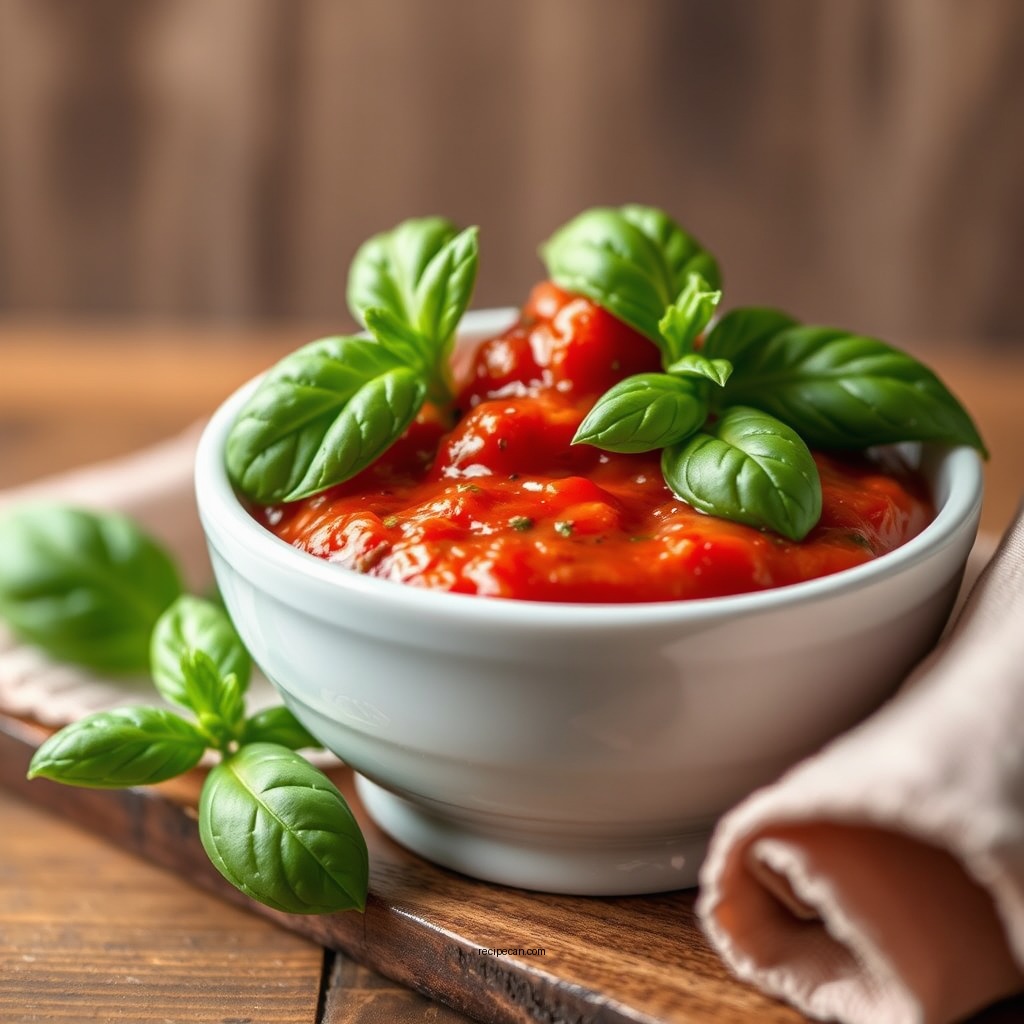
Incorporating fresh basil into your marinara sauce elevates the flavor profile and adds a vibrant green color. Start by sautéing garlic and onion in olive oil, as usual. Once softened, add fresh tomatoes, diced, and season with salt and pepper. After simmering, blend the sauce for a smooth texture, or leave it chunky for a rustic feel. Finish with generous amounts of freshly chopped basil for a fragrant, herbaceous kick.
Top Marinara Sauce Ingredients Used (2023)
| # | Ingredient | Usage Rate (%) | Flavor Impact |
|---|---|---|---|
| 1 | San Marzano Tomatoes | 85% | High |
| 2 | Olive Oil | 70% | Medium |
| 3 | Garlic | 80% | High |
| 4 | Onion | 60% | Low |
| 5 | Fresh Basil | 75% | High |
| 6 | Salt | 95% | Essential |
| 7 | Black Pepper | 50% | Low |
Spicy Marinara Sauce
If you enjoy a bit of heat, spicy marinara sauce can take your pasta to the next level. Start by following the classic marinara recipe, but add crushed red pepper flakes or finely chopped jalapeños to the sautéed garlic and onion. This will infuse the oil with spice right from the beginning. As the sauce simmers, the heat will mellow while still delivering a robust kick. This sauce pairs excellently with hearty pasta dishes, such as rigatoni or penne, and can also be used as a zesty dipping sauce for breadsticks.
Vegetarian Marinara Sauce
For a nutrient-packed marinara, consider adding vegetables like bell peppers, zucchini, and mushrooms. Start with the base of sautéed garlic and onion, then introduce diced vegetables and cook until they are tender. Add crushed tomatoes and season as you normally would. Using vegetable broth instead of water enhances the depth of flavor and makes this sauce a wholesome choice for vegetarians and meat-lovers alike. This versatile sauce works beautifully on pasta or as a base for vegetable lasagna.
Marinara Sauce with Meats
For a hearty marinara sauce that can stand alone as a meal, incorporate ground beef, sausage, or meatballs. Begin by browning the meat in the pan before adding the garlic and onion. Once the meat is cooked through, follow the classic marinara steps by adding tomatoes and seasoning. Allow the sauce to simmer longer than usual—up to an hour—so that the flavors meld together, creating a rich, robust dish. This meat-infused marinara is perfect for topping spaghetti or serving on its own with a side of garlic bread.
Sauce Variants Popularity (2023)
Storage and Reheating Tips
To maximize the shelf life of your homemade marinara sauce, store it in airtight containers in the refrigerator, where it can last for up to a week. For longer storage, consider freezing the sauce in portioned containers or freezer bags. This allows for easy use later; simply thaw overnight in the refrigerator before reheating. When reheating, do so gently over low heat to preserve the texture and flavor of the sauce. Adding a splash of water or broth can help restore any lost consistency.
By exploring these marinara sauce recipes, you can enjoy delicious homemade sauce that elevates your meals. Whether you prefer the classic taste or a spicy kick, each recipe provides a unique twist to suit your palate. Try experimenting with different variations and share your favorites with family and friends!
Frequently Asked Questions
What are the essential ingredients in a classic marinara sauce recipe?
A classic marinara sauce recipe typically includes ripe tomatoes, garlic, olive oil, fresh basil, and salt. Some variations may also incorporate onions, red pepper flakes, or oregano to enhance the flavor. Using high-quality ingredients, especially San Marzano tomatoes, can elevate your sauce to restaurant-quality.
How can I make marinara sauce from scratch quickly?
To make marinara sauce from scratch quickly, start by sautéing minced garlic in olive oil until fragrant. Then, add crushed tomatoes, a pinch of salt, and simmer for about 20 minutes. For added flavor, consider incorporating fresh basil and a splash of red wine, which can be done in under 30 minutes.
Why does my marinara sauce taste bland, and how can I improve it?
If your marinara sauce tastes bland, it may lack seasoning or depth of flavor. To improve it, try adding salt, freshly cracked black pepper, or a pinch of sugar to balance acidity. Additionally, incorporating fresh herbs, like basil or oregano, as well as a dash of balsamic vinegar can enhance the overall taste.
What is the best way to store homemade marinara sauce?
The best way to store homemade marinara sauce is to let it cool completely before transferring it to an airtight container. It can be refrigerated for up to a week or frozen for up to three months. For optimal preservation, consider portioning the sauce into smaller containers, making it easy to defrost only what you need.
Which pasta pairs best with marinara sauce?
Marinara sauce pairs best with pasta shapes that can hold onto the sauce, such as spaghetti, penne, or fusilli. The smooth texture of marinara complements the twirls of fusilli or the ridges of penne, allowing for a delightful eating experience. Experimenting with different pasta shapes can enhance your overall dish!
References
- Marinara sauce
https://en.wikipedia.org/wiki/Marinara_sauce - https://www.sciencedirect.com/topics/food-science/marinara-sauce
https://www.sciencedirect.com/topics/food-science/marinara-sauce - https://www.bbc.co.uk/food/recipes/marinara_sauce_49241
https://www.bbc.co.uk/food/recipes/marinara_sauce_49241 - NYT Cooking – Recipes and Cooking Guides From The New York Times
https://www.nytimes.com/recipes/1019924/marinara-sauce - https://www.verywellfit.com/what-is-marinara-sauce-5112943
https://www.verywellfit.com/what-is-marinara-sauce-5112943 - https://www.healthline.com/nutrition/marinara-sauce
https://www.healthline.com/nutrition/marinara-sauce - Google Scholar Google Scholar
https://scholar.google.com/scholar?q=marinara+sauce+recipes - Google Scholar Google Scholar
https://scholar.google.com/scholar?q=Italian+cuisine+marinara - Google Scholar Google Scholar
https://scholar.google.com/scholar?q=homemade+marinara+sauce - https://www.britannica.com/topic/marinara-sauce
https://www.britannica.com/topic/marinara-sauce