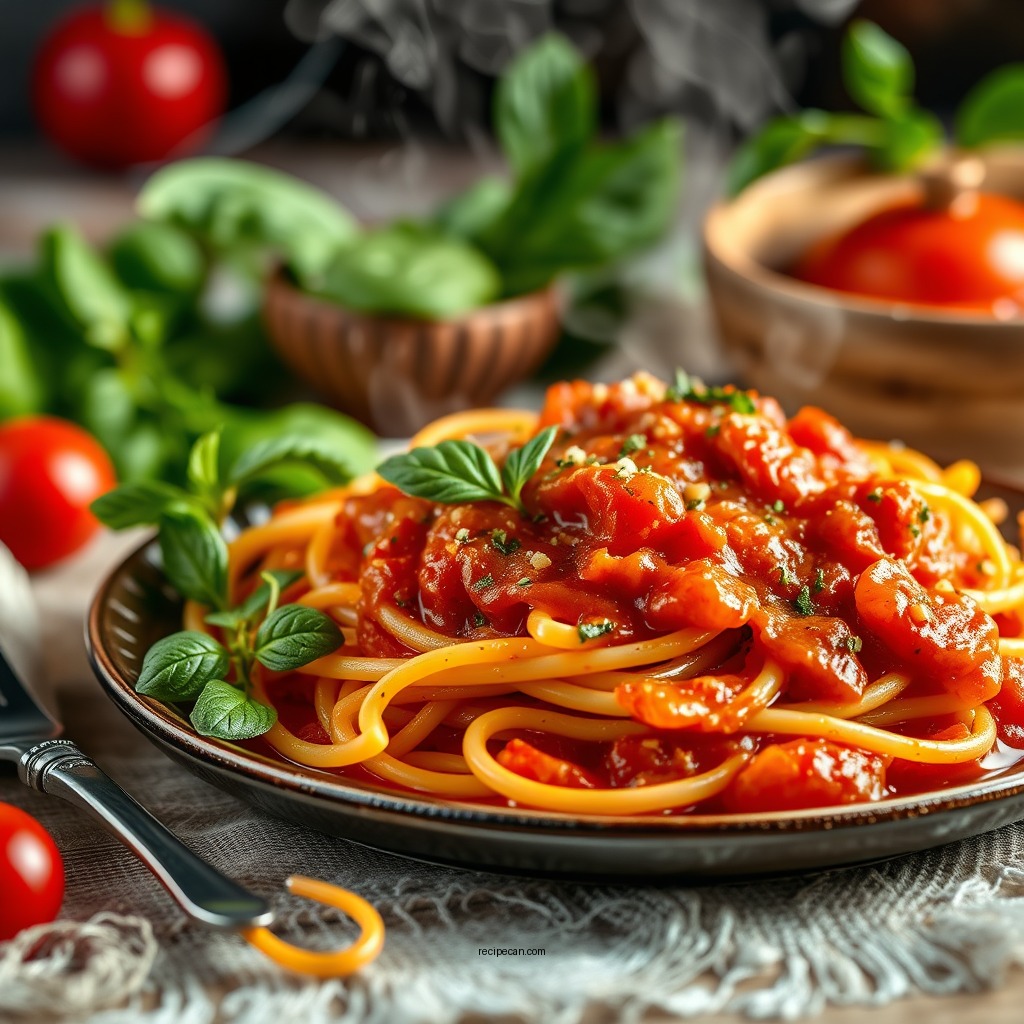
To make an authentic Italian pasta sauce, you’ll need simple ingredients like ripe tomatoes, garlic, olive oil, and fresh herbs. This recipe will guide you through creating a rich and flavorful sauce that complements any pasta dish, allowing you to enjoy a taste of Italy right at home. With the right techniques and ingredients, you can elevate your cooking and impress your family and friends with a genuine Italian experience.
Selecting the Right Ingredients
The foundation of any great pasta sauce is the quality of its ingredients. For an authentic Italian pasta sauce, start with fresh, ripe tomatoes. San Marzano tomatoes are widely regarded as the gold standard; grown in the volcanic soil of Italy, they boast a rich flavor and low acidity that makes them perfect for sauce-making. If you cannot find San Marzano tomatoes, look for other varieties that are firm and ripe, such as Roma or vine-ripened tomatoes.
In addition to tomatoes, use fresh garlic and high-quality extra virgin olive oil. Fresh garlic offers a pungency that dried garlic simply cannot replicate, and a good quality olive oil adds depth and richness to your sauce. It’s also worth noting that olive oil should be cold-pressed for the best flavor. Finally, don’t forget to include fresh herbs such as basil and oregano, which are essential for a genuine Italian taste.
Preparing the Base

The preparation of your sauce begins with creating a flavorful base. Start by heating a generous amount of extra virgin olive oil in a large saucepan over low heat. Add minced garlic and sauté gently until it releases its aroma—this should take only a minute or two. Be careful not to let the garlic brown, as it can turn bitter.
Next, add your chopped tomatoes to the pan. If you’re using whole San Marzano tomatoes, crush them by hand as you add them. This helps to release their juices. Let the mixture come to a gentle simmer, then reduce the heat and allow it to cook slowly. This slow cooking process is crucial; it allows the flavors to meld together and the sauce to thicken into a rich, cohesive base.
Seasoning Your Sauce
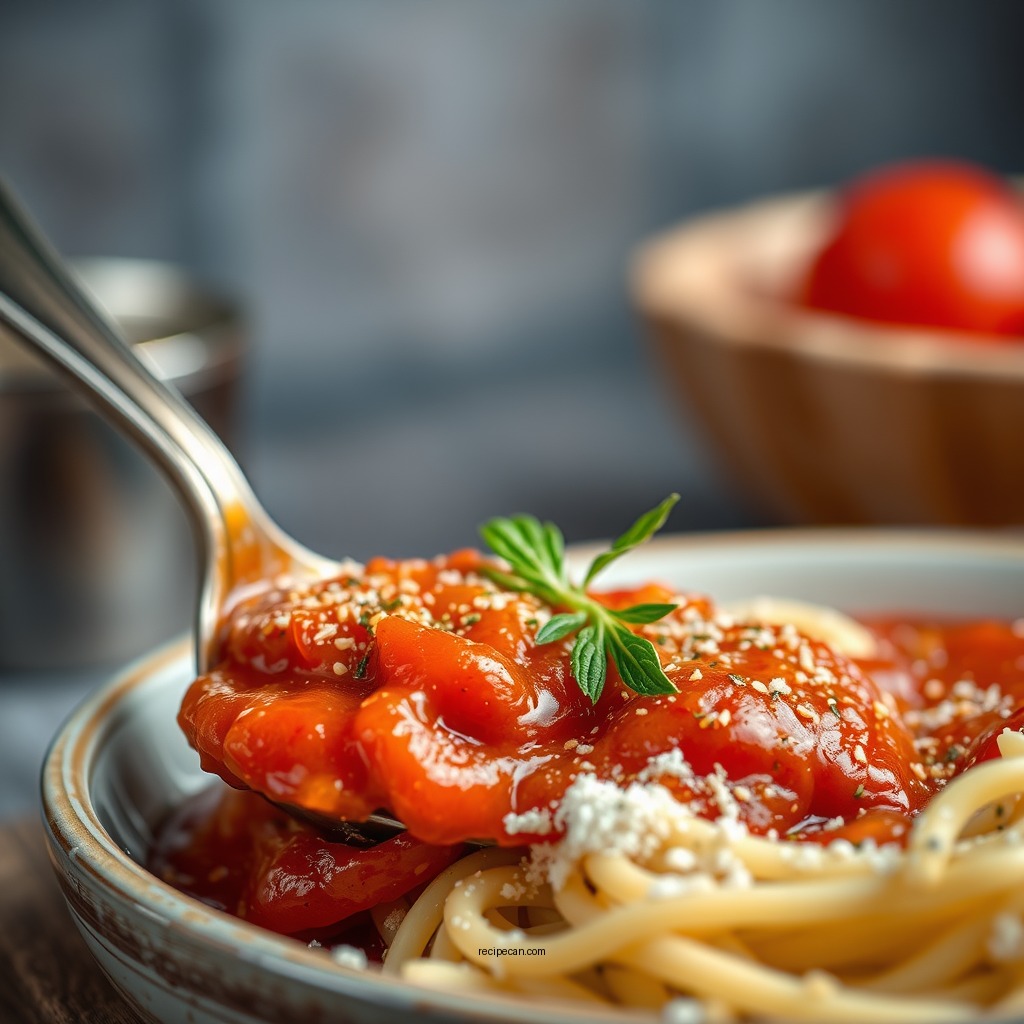
As your sauce simmers, it’s time to enhance its flavor profile. Incorporate fresh herbs like basil and oregano into the sauce for a quintessential Italian taste. You can add them whole for a more subtle flavor or chop them finely for a more pronounced taste. Ideally, add the herbs towards the end of the cooking process to preserve their aromatic qualities.
Season your sauce with salt and pepper to taste. The salt helps to bring out the natural sweetness of the tomatoes, while freshly cracked black pepper adds a necessary kick. It’s advisable to taste the sauce periodically as it simmers, adjusting the seasonings until it reaches your desired flavor.
Common Italian Ingredients and Their Benefits
| # | Ingredient | Type | Flavor Profile | Nutritional Benefits |
|---|---|---|---|---|
| 1 | San Marzano Tomatoes | Vegetable | Sweet, Rich | High in Vitamins A & C |
| 2 | Garlic | Herb | Pungent, Savory | Antimicrobial Properties |
| 3 | Extra Virgin Olive Oil | Oil | Fruity, Nutty | Rich in Healthy Fats |
| 4 | Basil | Herb | Sweet, Aromatic | High in Antioxidants |
| 5 | Oregano | Herb | Earthy, Savory | Supports Digestion |
| 6 | Sea Salt | Mineral | Salty | Electrolyte Balance |
| 7 | Black Pepper | Spice | Spicy, Pungent | Aids Digestion |
Cooking Techniques
Cooking techniques play a crucial role in the final flavor and texture of your pasta sauce. After preparing the base, allow your sauce to simmer for at least 30 minutes. This slow cooking process is essential for developing depth of flavor. The longer you allow it to simmer, the richer the sauce will become.
Stir your sauce occasionally to prevent it from sticking to the bottom of the pan and ensure even cooking. If the sauce becomes too thick, you can add a splash of water or broth to achieve your desired consistency. Conversely, if you find it too watery, continue to let it simmer until it thickens to your liking.
Cooking Time for Different Pasta Sauces (Minutes)
Pairing with Pasta
Choosing the right pasta to pair with your sauce is essential for a harmonious dish. Opt for pasta shapes that can hold onto the sauce well. Long noodles like spaghetti or linguine are ideal for lighter sauces, while short shapes like penne or rigatoni work beautifully with chunkier sauces.
When cooking the pasta, aim for an al dente texture, which provides a firm bite and holds up well against the sauce. After draining the pasta, toss it directly in the sauce instead of serving it separately. This allows the pasta to absorb some of the sauce, enhancing the overall flavor of the dish.
Variations and Add-Ins
Once you master the basic recipe, feel free to experiment with variations and add-ins to suit your taste. Consider adding vegetables such as bell peppers, zucchini, or mushrooms to increase the nutritional value of your sauce. These ingredients can be sautéed along with the garlic at the beginning of the cooking process.
For a heartier sauce, consider incorporating ground meat like beef or sausage. Browning the meat before adding the tomatoes can provide a delicious depth of flavor. You can also add a splash of red wine or balsamic vinegar to enhance the sauce’s acidity and complexity.
Storing and Reheating
If you find yourself with leftover sauce, you can store it in an airtight container in the refrigerator for up to a week. To reheat, gently warm the sauce on the stove over low heat, stirring occasionally. If the sauce has thickened too much, add a splash of water or broth to restore its consistency.
For longer storage, consider freezing the sauce in portions. This way, you can easily defrost just the amount you need for a quick meal. Homemade pasta sauce can be frozen for up to three months without losing its flavor or texture.
In summary, creating an authentic Italian pasta sauce is an easy and rewarding process that allows you to experience a taste of Italy from your own kitchen. By selecting quality ingredients, mastering cooking techniques, and experimenting with variations, you can elevate your pasta dishes to new heights. Enjoy your homemade sauce with your favorite pasta, and don’t hesitate to share this recipe with friends and family. Buon appetito!
Frequently Asked Questions
What are the essential ingredients for a classic Italian pasta sauce?
A classic Italian pasta sauce typically includes ripe tomatoes, garlic, olive oil, fresh basil, and salt. You can also enhance the flavor with onions, red pepper flakes, or Parmesan cheese, depending on your recipe. Using high-quality ingredients, particularly San Marzano tomatoes, can make a significant difference in taste.
How do I make a simple marinara sauce from scratch?
To make a simple marinara sauce, start by sautéing minced garlic in olive oil until fragrant. Add crushed tomatoes, a pinch of salt, and fresh basil, then let it simmer for 20-30 minutes to develop the flavors. This easy marinara sauce is perfect for spaghetti and can be customized with additional herbs or spices to suit your taste.
Why is my homemade pasta sauce too watery, and how can I thicken it?
A watery pasta sauce may be due to excess moisture in fresh tomatoes or insufficient cooking time. To thicken your sauce, try simmering it uncovered for a longer period to allow evaporation. You can also add tomato paste or a cornstarch slurry for a quicker thickening solution.
What is the best pasta sauce for a creamy dish?
The best pasta sauce for a creamy dish is Alfredo sauce, made with butter, heavy cream, and Parmesan cheese. This rich sauce pairs well with fettuccine, but you can also use it with other pasta types. For a twist, consider adding garlic, nutmeg, or sautéed vegetables to enhance the flavor.
Which herbs and spices can elevate the flavor of my Italian pasta sauce?
Fresh herbs like basil, oregano, and parsley are essential for elevating the flavor of Italian pasta sauce. You can also introduce spices such as red pepper flakes for heat or black pepper for a subtle kick. Experimenting with different combinations will allow you to create a sauce that perfectly suits your palate.
References
- Tomato sauce
https://en.wikipedia.org/wiki/Pasta_sauce - https://www.bbc.co.uk/food/pasta_sauces
https://www.bbc.co.uk/food/pasta_sauces - https://www.sciencedirect.com/topics/food-science/pasta-sauce
https://www.sciencedirect.com/topics/food-science/pasta-sauce - https://www.nytimes.com/2017/08/30/dining/pasta-sauce-recipe.html
https://www.nytimes.com/2017/08/30/dining/pasta-sauce-recipe.html - Pasta | Definition, Processing, & Preparation | Britannica
https://www.britannica.com/topic/pasta - Google Scholar Google Scholar
https://scholar.google.com/scholar?q=italian+pasta+sauce+recipe - Google Scholar Google Scholar
https://scholar.google.com/scholar?q=pasta+sauce+culinary+science - https://www.ncbi.nlm.nih.gov/pmc/articles/PMC7552009/
https://www.ncbi.nlm.nih.gov/pmc/articles/PMC7552009/ - https://www.theguardian.com/food/2020/aug/19/how-to-make-the-perfect-pasta-sauce
https://www.theguardian.com/food/2020/aug/19/how-to-make-the-perfect-pasta-sauce - italian pasta sauce recipe – Search results
https://en.wikipedia.org/wiki/Special:Search?search=italian+pasta+sauce+recipe