Making delicious old-fashioned buttermilk donuts at home is easier than you think! With a few simple ingredients and a bit of time, you can whip up these fluffy, cake-like treats that are perfect for breakfast or an afternoon snack. This recipe will guide you through each step to ensure your donuts turn out perfectly every time.
Ingredients You’ll Need

To create the perfect old-fashioned buttermilk donut, you’ll need a selection of basic ingredients that come together to form a delightful batter. Here’s a breakdown of what you will require:
– All-purpose flour: This is the foundation of your donut, providing structure and texture. Aim for about 2 cups for a standard batch.
– Sugar: Granulated white sugar, typically around ¾ cup, adds sweetness to balance the tanginess of the buttermilk.
– Baking powder and baking soda: These leavening agents are crucial; approximately 2 teaspoons of baking powder and ½ teaspoon of baking soda will help your donuts rise beautifully.
– Salt: A pinch of salt enhances the overall flavor. About ½ teaspoon should suffice.
– Buttermilk: This ingredient not only adds moisture but also a subtle tang. You’ll need about ¾ cup.
– Eggs: One large egg adds richness and helps bind the ingredients together.
– Optional flavorings: For those who want to elevate their donuts, consider adding ½ teaspoon of ground nutmeg or a teaspoon of vanilla extract for an aromatic touch.
Equipment Essentials

Before you begin baking, it’s essential to have the right equipment on hand to ensure a smooth process. Here’s what you will need:
– Deep fryer or heavy-bottomed pot: A deep fryer is ideal, but a pot will work just as well for frying the donuts. Make sure it’s deep enough to hold several inches of oil.
– Donut cutter: A donut cutter or two round cutters of different sizes will help you shape your donuts perfectly.
– Cooling rack: Once fried, your donuts need to drain and cool. A cooling rack allows air circulation, preventing sogginess.
Step-by-Step Preparation
The preparation of old-fashioned buttermilk donuts involves a straightforward mixing process that is crucial for achieving the right texture. Here’s how to do it:
1. Mix the dry ingredients: In a large mixing bowl, combine the all-purpose flour, sugar, baking powder, baking soda, and salt. Whisk them together to ensure even distribution of the leavening agents.
2. Combine the wet ingredients: In another bowl, whisk together the buttermilk and eggs. If you’re using vanilla extract or nutmeg, add them at this stage.
3. Combine the mixtures: Slowly add the wet mixture to the dry ingredients. Stir gently until just combined; overmixing can lead to tough donuts.
4. Shape the donuts: Turn the dough onto a lightly floured surface. Roll it out to about ½ inch thick. Use your donut cutter to cut out the donuts, and place them on a floured baking sheet. Let them rest for about 20-30 minutes, which helps them rise when fried.
Nutritional Information for Classic Buttermilk Donuts (per donut)
| # | Nutritional Component | Amount | % Daily Value |
|---|---|---|---|
| 1 | Calories | 240 | 12% |
| 2 | Total Fat | 12g | 18% |
| 3 | Saturated Fat | 5g | 25% |
| 4 | Cholesterol | 30mg | 10% |
| 5 | Sodium | 200mg | 9% |
| 6 | Total Carbohydrates | 30g | 10% |
| 7 | Sugars | 10g | N/A |
| 8 | Protein | 2g | 4% |
| 9 | Dietary Fiber | 0g | 0% |
| 10 | Calcium | 50mg | 5% |
Frying the Donuts
The frying process is critical to achieving the desired texture and flavor in your old-fashioned buttermilk donuts. Follow these steps for optimal results:
1. Heat the oil: In your deep fryer or pot, heat the oil to 350°F (175°C). Use a thermometer to ensure accuracy, as maintaining the right temperature is crucial for even frying.
2. Fry the donuts: Carefully place the shaped donuts into the hot oil, being cautious not to overcrowd the pot. Fry for about 2-3 minutes on each side, or until they are golden brown.
3. Drain excess oil: Once fried, use a slotted spoon to remove the donuts from the oil. Place them on paper towels or a cooling rack to drain excess oil.
4. Monitor the temperature: Keep an eye on the oil temperature throughout the frying process. If it drops too low, the donuts will absorb more oil and become greasy; if it’s too high, they may burn.
Classic Buttermilk Donut Frying Time Comparison
Glazing and Serving Suggestions
Once your donuts are fried to perfection, it’s time to add the finishing touches. Glazing and serving them properly enhances the overall experience:
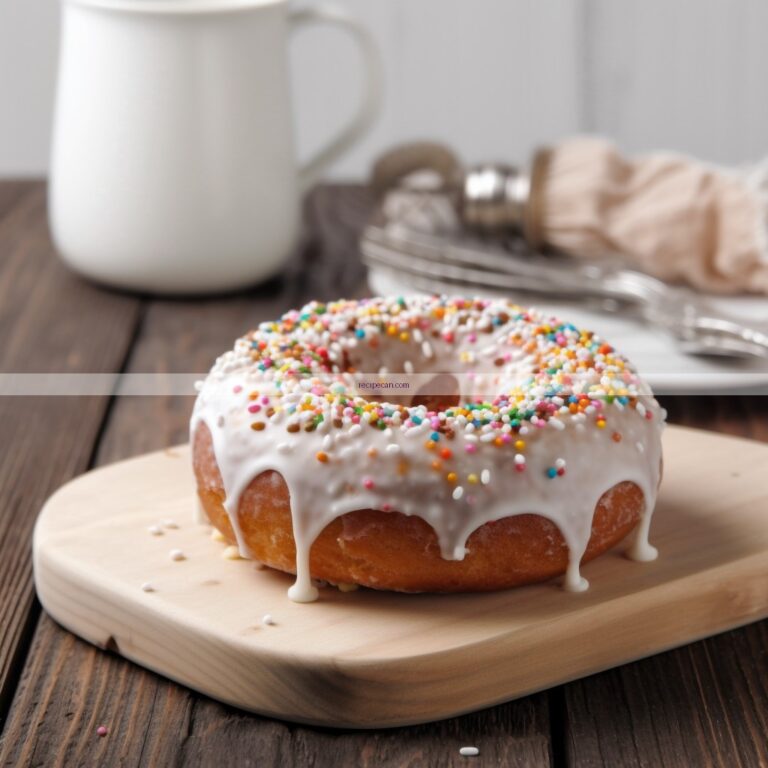
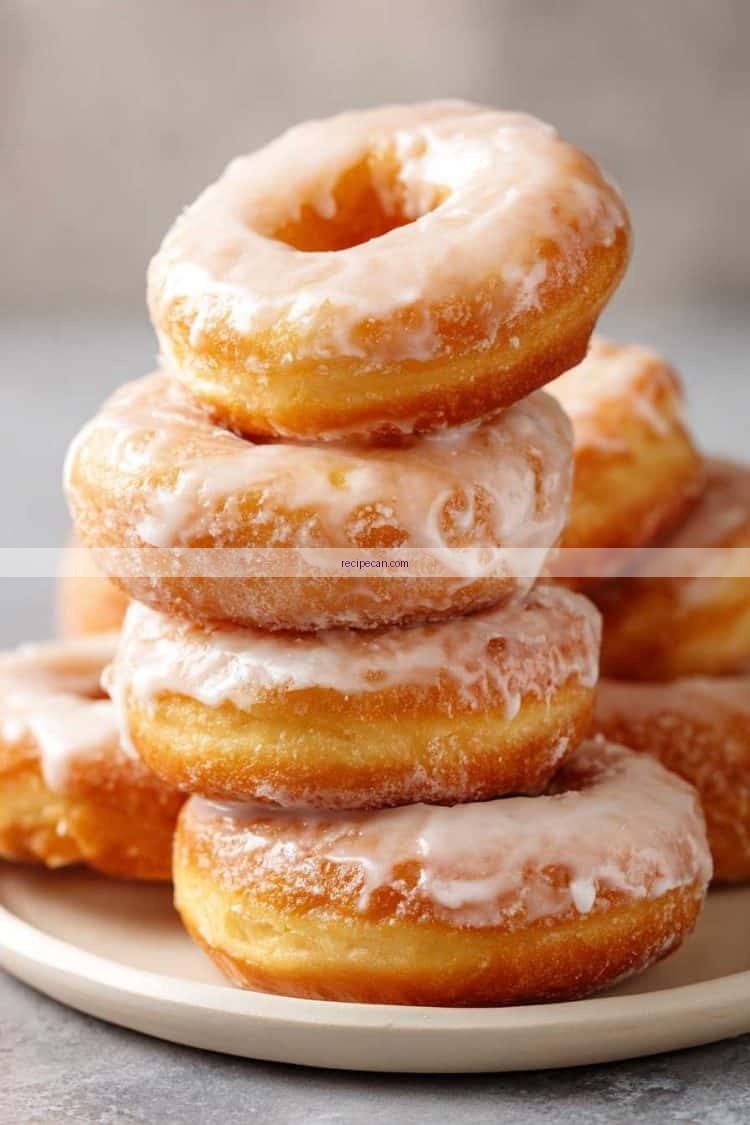
1. Simple glaze: Combine 1 cup of powdered sugar with 2-3 tablespoons of milk to create a smooth glaze. Dip the warm donuts into the glaze, allowing it to drip off before placing them on a cooling rack.
2. Cinnamon sugar: For a delightful twist, mix together ½ cup of granulated sugar and 2 teaspoons of ground cinnamon. Toss the warm donuts in this mixture for a sweet, spicy coating.
3. Chocolate icing: Melt 1 cup of chocolate chips with 1 tablespoon of vegetable oil for a rich chocolate icing. Dip the tops of the donuts or drizzle over them for a decadent finish.
4. Serving ideas: These donuts pair beautifully with a cup of freshly brewed coffee or a glass of cold milk. They can also be served at gatherings, making them a hit at parties or brunches.
Tips for Perfect Donuts
Creating the perfect old-fashioned buttermilk donuts takes practice and attention to detail. Here are some expert tips to help ensure your success:
– Temperature control: Consistent oil temperature is crucial for even frying. Invest in a thermometer for best results.
– Experiment with flavors: Try adding spices, such as cinnamon or allspice, or even incorporate citrus zest for a refreshing twist.
– Storage: Keep any leftover donuts in an airtight container at room temperature for up to two days. For longer freshness, consider freezing them.
– Batch cooking: If you’re making a large quantity, consider pre-shaping the donuts and refrigerating them before frying for more control over the frying process.
Enjoy your homemade old-fashioned buttermilk donuts with family and friends! By following this recipe, you’ll impress everyone with your baking skills. Whether you’re a novice or a seasoned baker, these donuts are a delightful addition to any table. Give them a try, and don’t forget to share your results!
Frequently Asked Questions
What ingredients do I need for an old fashioned buttermilk donut recipe?
To make classic old fashioned buttermilk donuts, you’ll need all-purpose flour, baking powder, baking soda, salt, sugar, buttermilk, eggs, and butter. Additionally, consider adding nutmeg or cinnamon for extra flavor. Having these ingredients on hand ensures your donuts will have the perfect texture and taste.
How do I achieve the perfect texture in old fashioned buttermilk donuts?
The key to a perfect texture in old fashioned buttermilk donuts lies in the mixing process. Be careful not to overmix the batter, as this can lead to dense donuts. Instead, mix until just combined, allowing for a light and airy donut that has a delightful crumb.
Why is buttermilk important in an old fashioned donut recipe?
Buttermilk is crucial in an old fashioned donut recipe because it provides acidity, which activates the baking soda and baking powder, helping the donuts rise. It also adds a rich flavor and tender texture, making your donuts moist and delicious. Using buttermilk instead of regular milk elevates the overall taste of the donuts.
What is the best frying temperature for old fashioned buttermilk donuts?
The best frying temperature for old fashioned buttermilk donuts is between 350°F to 375°F (175°C to 190°C). This temperature range allows the donuts to cook evenly and develop a golden-brown exterior while remaining soft and fluffy on the inside. Use a kitchen thermometer to ensure the oil is at the correct temperature before frying.
Which toppings work best for old fashioned buttermilk donuts?
The best toppings for old fashioned buttermilk donuts include a simple glaze made from powdered sugar and milk, or a cinnamon sugar mixture for a classic touch. You can also experiment with chocolate glaze or a maple icing for a unique twist. These toppings enhance the flavor and presentation of your donuts, making them even more irresistible.
References
- Doughnut
https://en.wikipedia.org/wiki/Donut - Google Scholar Google Scholar
https://scholar.google.com/scholar?q=buttermilk+donut+recipe - Google Scholar Google Scholar
https://scholar.google.com/scholar?q=old+fashioned+donut+recipe - Quick-Braised Cod With Herbed Yogurt Recipe
https://www.nytimes.com/recipes/1019131/buttermilk-doughnuts.html - https://www.bbc.co.uk/food/recipes/buttermilk_doughnuts_11552
https://www.bbc.co.uk/food/recipes/buttermilk_doughnuts_11552 - https://www.sciencedirect.com/topics/food-science/doughnut
https://www.sciencedirect.com/topics/food-science/doughnut - Doughnut | Definition, History, Types, & Origins | Britannica
https://www.britannica.com/topic/doughnut - https://www.ncbi.nlm.nih.gov/pmc/articles/PMC4683179/
https://www.ncbi.nlm.nih.gov/pmc/articles/PMC4683179/ - https://www.theguardian.com/food/2020/oct/15/how-to-make-doughnuts-at-home
https://www.theguardian.com/food/2020/oct/15/how-to-make-doughnuts-at-home - https://www.cdc.gov/nutrition/resources-publications/healthy-eating.html
https://www.cdc.gov/nutrition/resources-publications/healthy-eating.html