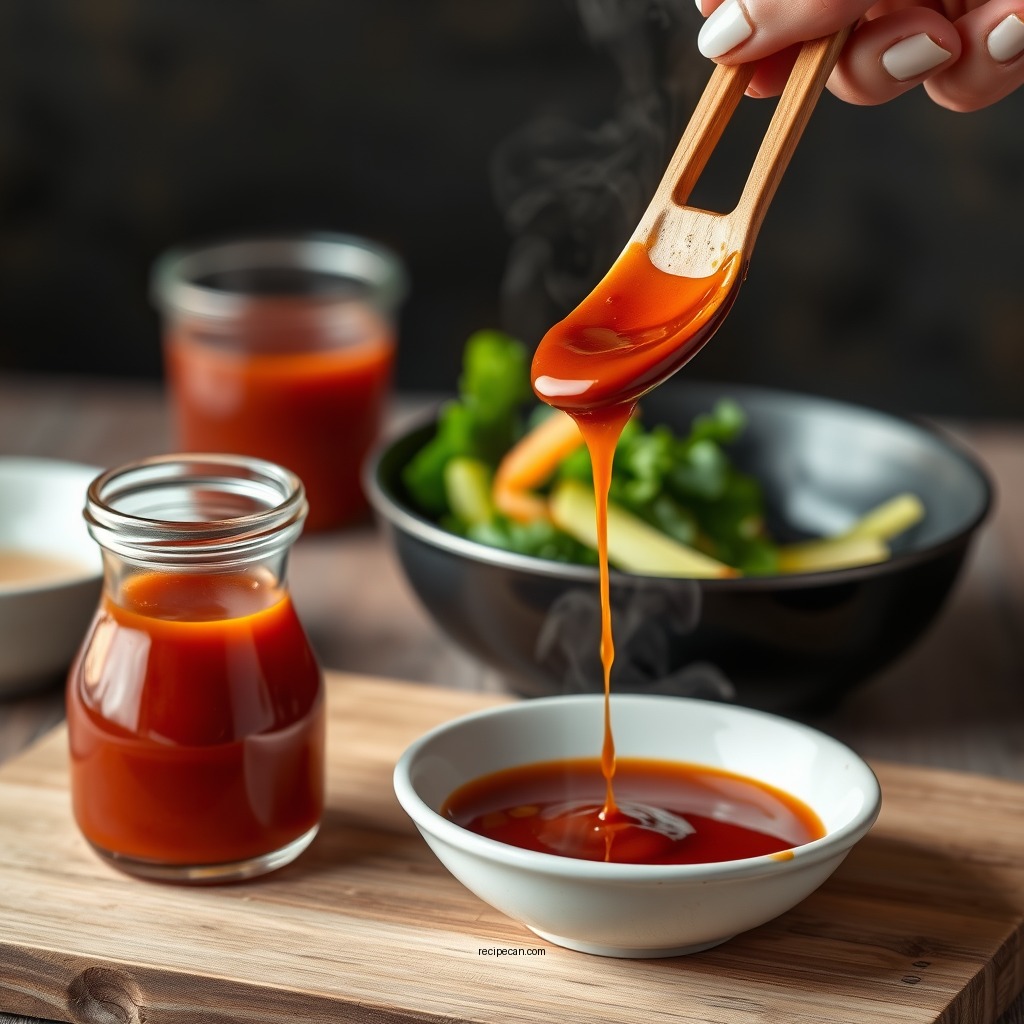
Transform your meals with a range of delectable Asian sauces that are not only simple to prepare but also bursting with flavor. These sauces can dramatically enhance your culinary creations, whether you’re whipping up a quick stir-fry or grilling meats for a weekend feast. This article presents a diverse selection of Asian sauces, ranging from sweet and tangy to rich and spicy, allowing you to introduce the vibrant tastes of Asian cuisine into your kitchen.
Classic Soy Sauce
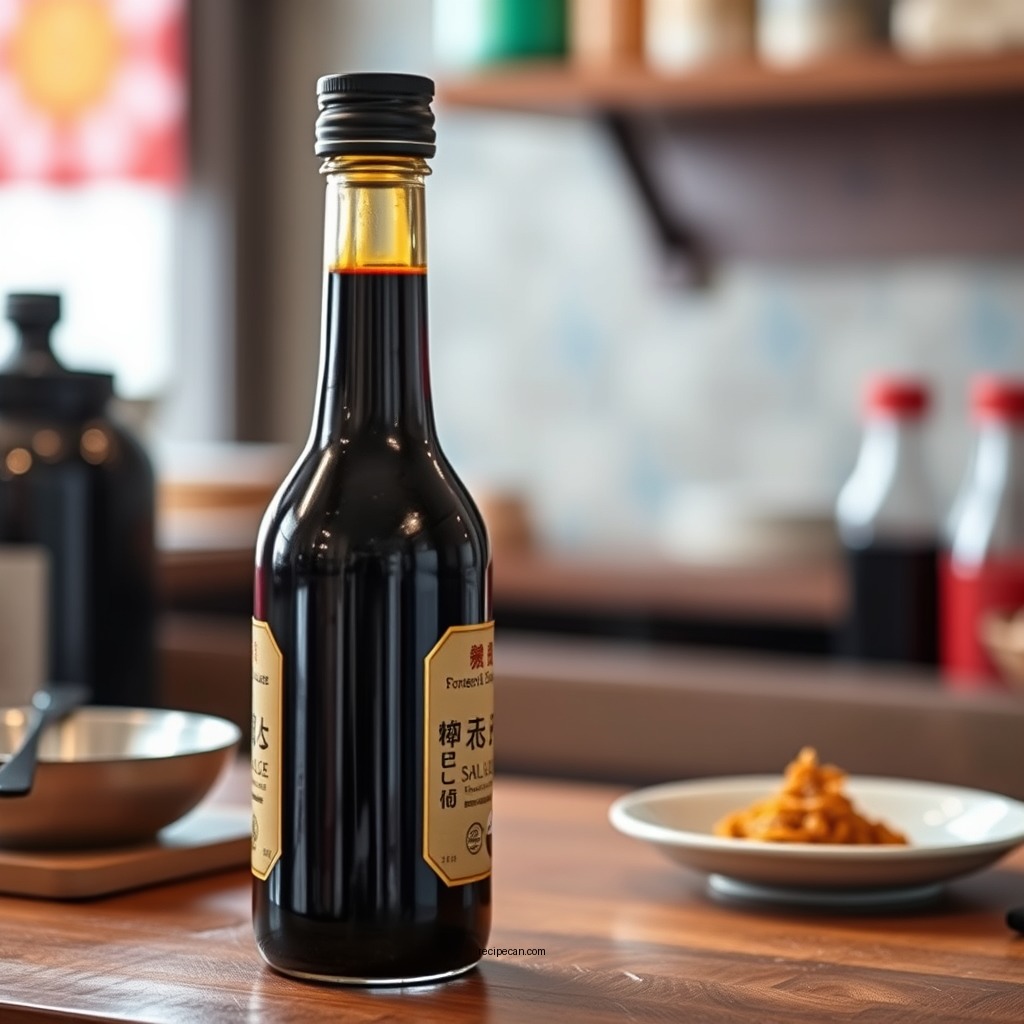
Soy sauce is a staple in many Asian households and serves as a versatile base for a variety of dishes. Its umami-rich flavor enhances the taste of vegetables, meats, and seafood, making it an essential ingredient in stir-fries, marinades, and dressings. To elevate the flavor of soy sauce, consider infusing it with minced garlic, ginger, or a splash of sesame oil. These additions create a more complex taste profile, perfect for dipping sauces or as a marinade for meats.
For a quick marinade, combine soy sauce with crushed garlic, grated ginger, and sesame oil. Let your protein marinate for at least 30 minutes before cooking to maximize flavor absorption. This simple enhancement can turn a regular dish into a culinary delight and is perfect for grilled chicken, beef, or tofu.
Spicy Szechuan Sauce
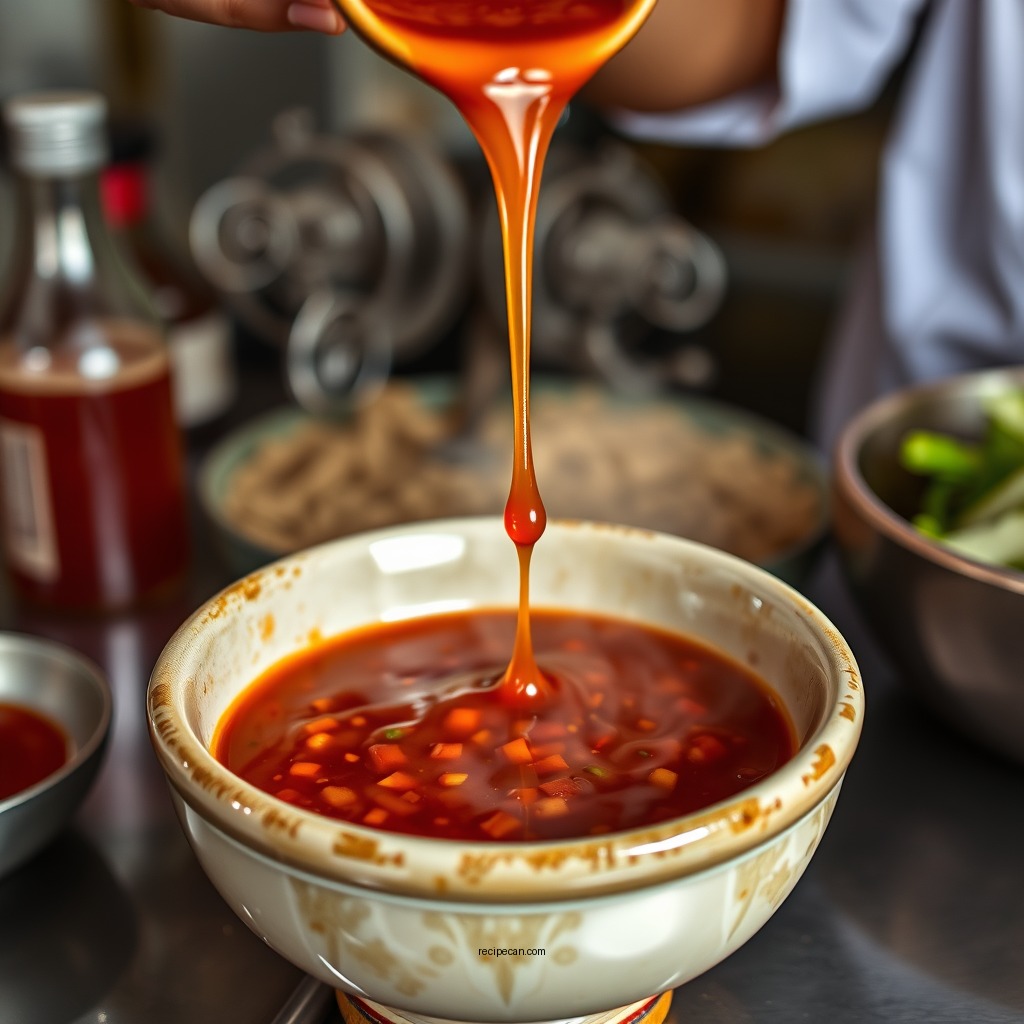
Szechuan sauce is known for its bold and fiery flavor, primarily derived from Szechuan peppercorns, which give it a unique numbing spice. The combination of soy sauce, rice vinegar, and brown sugar creates a well-balanced sauce that is both spicy and slightly sweet. To make this sauce, mix soy sauce with rice vinegar, Szechuan peppercorns, hot chili oil, and a touch of brown sugar.
This sauce works wonderfully with stir-fried vegetables, noodles, or as a spicy dipping sauce for dumplings. When using Szechuan sauce, be mindful of the heat level; you can adjust the amount of chili oil or peppercorns to suit your palate. This sauce adds a fiery kick that can transform any dish into a bold culinary experience.
Sweet and Sour Sauce
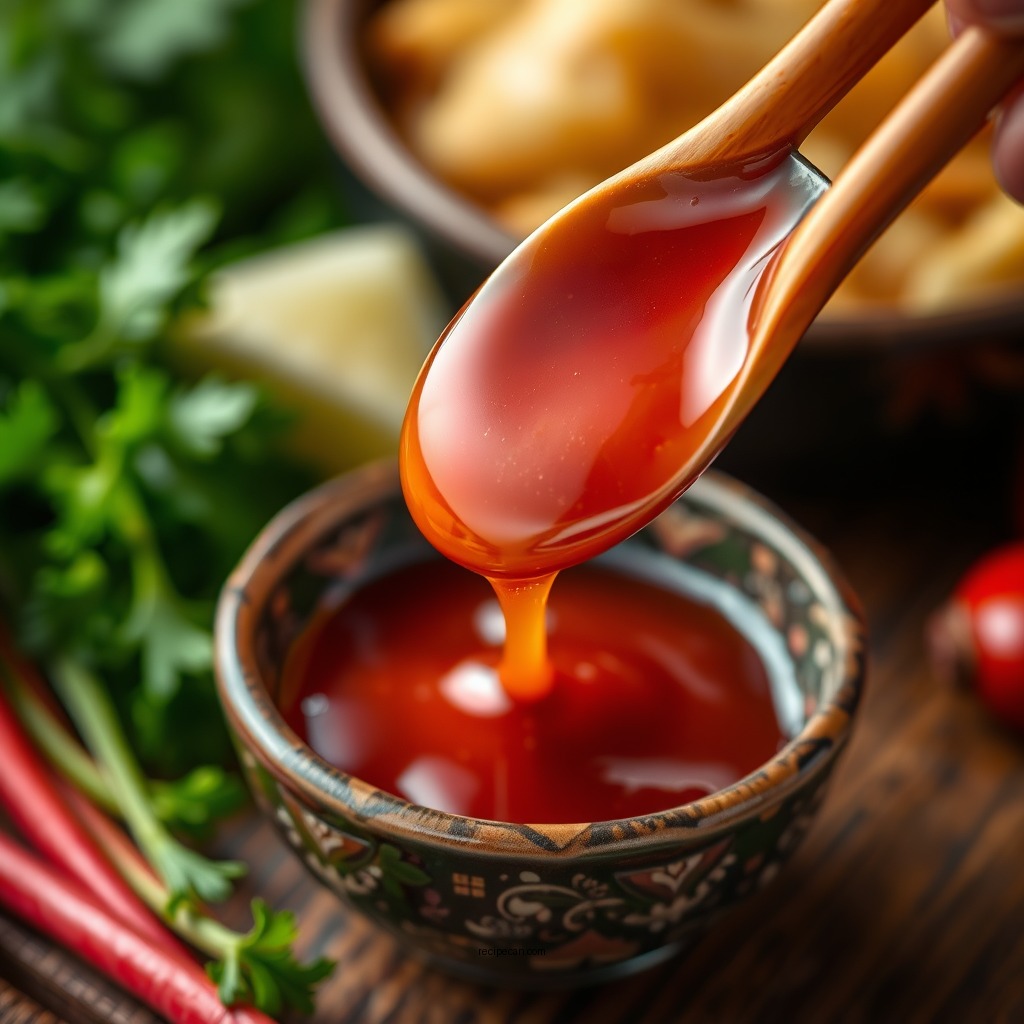
A harmonious balance of sweet and tangy flavors characterizes classic sweet and sour sauce. The key ingredients include vinegar and sugar, which can be enhanced with the addition of fruit juices like pineapple or orange. To make your own sweet and sour sauce, combine equal parts vinegar and sugar, then add a splash of pineapple juice for extra flavor.
For added texture, consider incorporating diced bell peppers or pineapples into the sauce. This sauce is perfect for glazing meats or tossing with stir-fried vegetables. Its versatility makes it a great addition to chicken dishes, especially when served with rice.
Top 7 Asian Sauces by Popularity (2024)
| # | Sauce | Popularity (%) | Usage in Dishes | Ease of Preparation |
|---|---|---|---|---|
| 1 | Soy Sauce | 80% | Stir-frys, Marinades | Easy |
| 2 | Szechuan Sauce | 65% | Stir-frys, Dips | Moderate |
| 3 | Sweet and Sour Sauce | 70% | Glazes, Dips | Easy |
| 4 | Teriyaki Sauce | 75% | Marinades, Glazes | Moderate |
| 5 | Peanut Sauce | 60% | Dips, Salads | Easy |
| 6 | Coconut Curry Sauce | 55% | Curries, Stir-frys | Moderate |
| 7 | Hoisin Sauce | 50% | Dips, Glazes | Easy |
Teriyaki Sauce
Teriyaki sauce is a beloved Japanese condiment that brings a sweet, savory flavor to grilled meats and vegetables. To create a rich and glossy teriyaki sauce, mix soy sauce, mirin (a sweet rice wine), and sugar. Heat this mixture until the sugar dissolves, then let it simmer until it thickens slightly.
For an extra layer of flavor, consider adding grated ginger or garlic to the mix. This sauce is perfect for marinating chicken, beef, or fish before grilling, and it can also be drizzled over stir-fried vegetables for a delicious finish.
Homemade Teriyaki Sauce vs. Store-bought (2024)
Peanut Sauce
Peanut sauce is a creamy, nutty condiment that is a favorite in many Asian cuisines. To make homemade peanut sauce, combine peanut butter, soy sauce, lime juice, brown sugar, and a touch of chili paste. This rich sauce can be used as a dip for spring rolls, a dressing for salads, or a sauce for noodles.
The versatility of peanut sauce makes it a must-have in your kitchen. You can adjust the consistency by adding water or coconut milk, making it suitable for various applications. Whether drizzled over grilled chicken or tossed with cold noodles, this sauce will add a delightful richness to your meals.
Coconut Curry Sauce
Coconut curry sauce offers a tropical flair to your dishes with its creamy texture and aromatic spices. To prepare this sauce, simmer coconut milk with curry paste, lime juice, and a sweetener like brown sugar. The result is a rich, flavorful sauce that pairs perfectly with grilled chicken, shrimp, or roasted vegetables.
This sauce is incredibly adaptable. You can adjust the spice level by using different types of curry paste or adding fresh herbs like cilantro for added brightness. Coconut curry sauce is not only delicious but also an excellent option for those looking to incorporate more plant-based meals into their diet.
Hoisin Sauce
Hoisin sauce is a sweet and savory condiment made from fermented soybeans, sugar, and various spices. Its rich flavor makes it an excellent glaze for meats, especially when grilled or roasted. To make a simple hoisin sauce at home, combine soy sauce, peanut butter, honey, and five-spice powder.
This sauce can be used as a dip for dumplings, a marinade for meats, or drizzled over stir-fried dishes. Its unique flavor profile is perfect for adding depth to your meals, making it a valuable addition to your culinary repertoire.
As you explore the vast world of Asian sauces, these recipes will serve as a foundation for elevating your culinary creations. The versatility and rich flavors of these sauces allow you to transform everyday ingredients into outstanding dishes. Whether you’re hosting a dinner party or simply cooking for yourself, these sauces will undoubtedly enhance your meals with authentic Asian flair.
Embrace the opportunity to experiment with these delicious sauces, and enjoy the delightful tastes that Asian cuisine has to offer!
Frequently Asked Questions
What are some easy Asian sauce recipes for beginners?
Some easy Asian sauce recipes for beginners include soy sauce-based stir fry sauce, teriyaki sauce, and sweet and sour sauce. These recipes typically require simple ingredients like soy sauce, sugar, vinegar, and garlic, making them perfect for quick meal preparations. Start with small batches to familiarize yourself with the flavors before experimenting further.
How can I make a homemade soy sauce substitute?
To make a homemade soy sauce substitute, mix 1/4 cup of beef or vegetable broth with 1 tablespoon of vinegar, 1 tablespoon of molasses, and a pinch of garlic powder. This quick recipe replicates the savory and slightly sweet flavor of soy sauce, suitable for various Asian dishes. Adjust the ingredients according to your taste preferences or dietary needs.
Why is it important to balance flavors in Asian sauces?
Balancing flavors in Asian sauces is crucial because it creates a harmonious blend of sweet, salty, sour, and umami, enhancing the overall taste of your dishes. For example, a well-balanced teriyaki sauce combines soy sauce for saltiness, sugar for sweetness, and rice vinegar for acidity, making your meal more enjoyable. Understanding this balance helps you customize sauces to suit your palate.
What is the best way to store homemade Asian sauces?
The best way to store homemade Asian sauces is in airtight containers in the refrigerator, where they can last for up to two weeks. For longer storage, consider freezing them in ice cube trays, allowing you to easily portion out the sauce for future meals. Always label your containers with the date to keep track of freshness.
Which Asian sauces are gluten-free and easy to make at home?
Some Asian sauces that are gluten-free and easy to make at home include coconut aminos sauce, homemade peanut sauce, and a simple chili garlic sauce. Coconut aminos serves as a great soy sauce alternative, while peanut sauce can be made with natural peanut butter, lime juice, and garlic. These recipes cater to gluten-sensitive diets without sacrificing flavor.
References
- https://en.wikipedia.org/wiki/List_of_Asian_sauces
https://en.wikipedia.org/wiki/List_of_Asian_sauces - https://www.sciencedirect.com/topics/food-science/asian-sauce
https://www.sciencedirect.com/topics/food-science/asian-sauce - https://www.nytimes.com/2021/02/23/dining/soy-sauce-recipe.html
https://www.nytimes.com/2021/02/23/dining/soy-sauce-recipe.html - https://www.theguardian.com/food/2020/jun/19/how-to-make-the-perfect-soy-sauce
https://www.theguardian.com/food/2020/jun/19/how-to-make-the-perfect-soy-sauce - https://www.healthline.com/nutrition/soy-sauce-benefits
https://www.healthline.com/nutrition/soy-sauce-benefits - Google Scholar Google Scholar
https://scholar.google.com/scholar?q=asian+sauce+recipes - Google Scholar Google Scholar
https://scholar.google.com/scholar?q=Asian+cuisine+sauces - Google Scholar Google Scholar
https://scholar.google.com/scholar?q=Asian+sauce+ingredients - https://www.ncbi.nlm.nih.gov/pmc/articles/PMC4762788/
https://www.ncbi.nlm.nih.gov/pmc/articles/PMC4762788/ - asian sauce recipes – Search results
https://en.wikipedia.org/wiki/Special:Search?search=asian+sauce+recipes