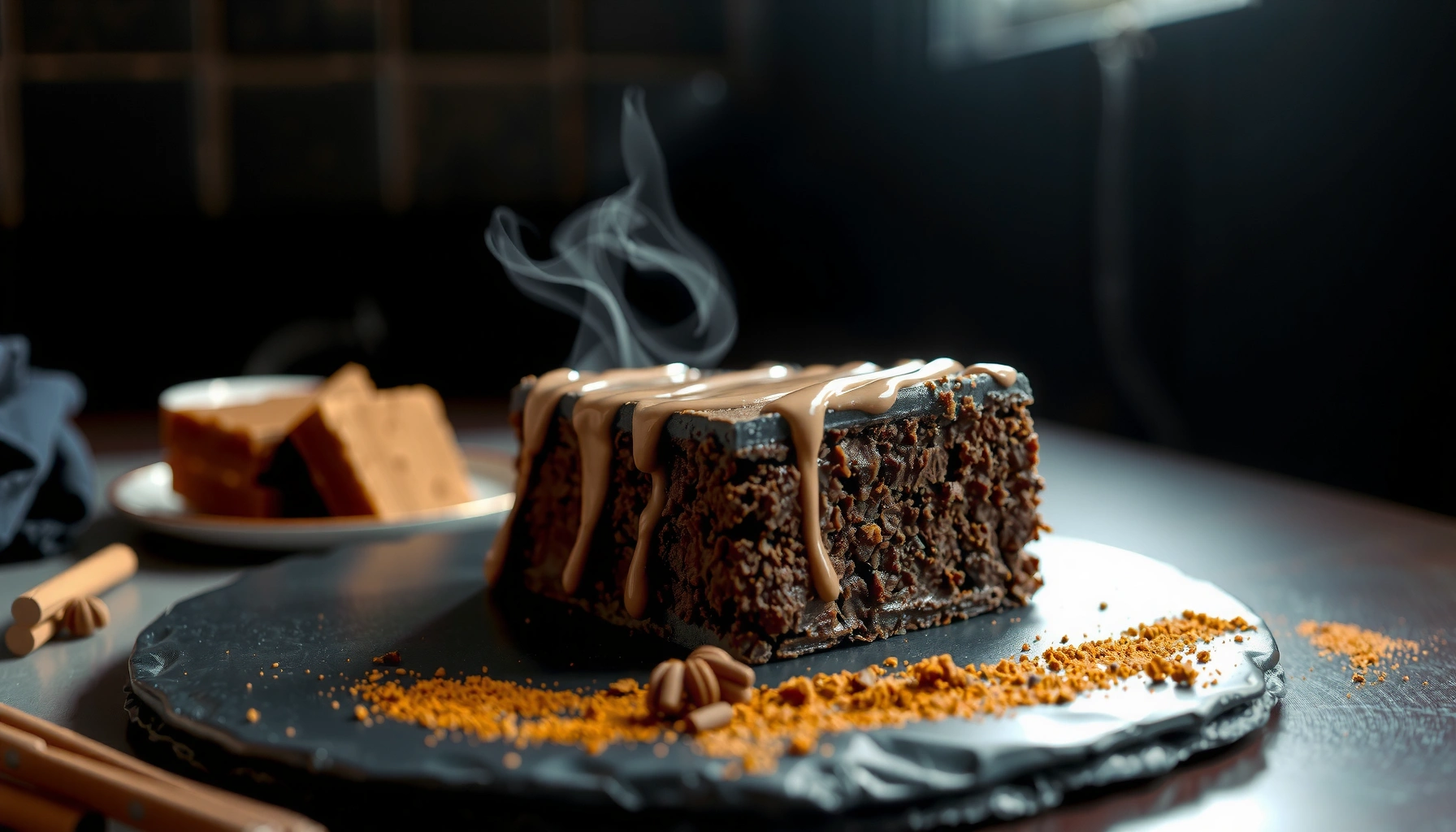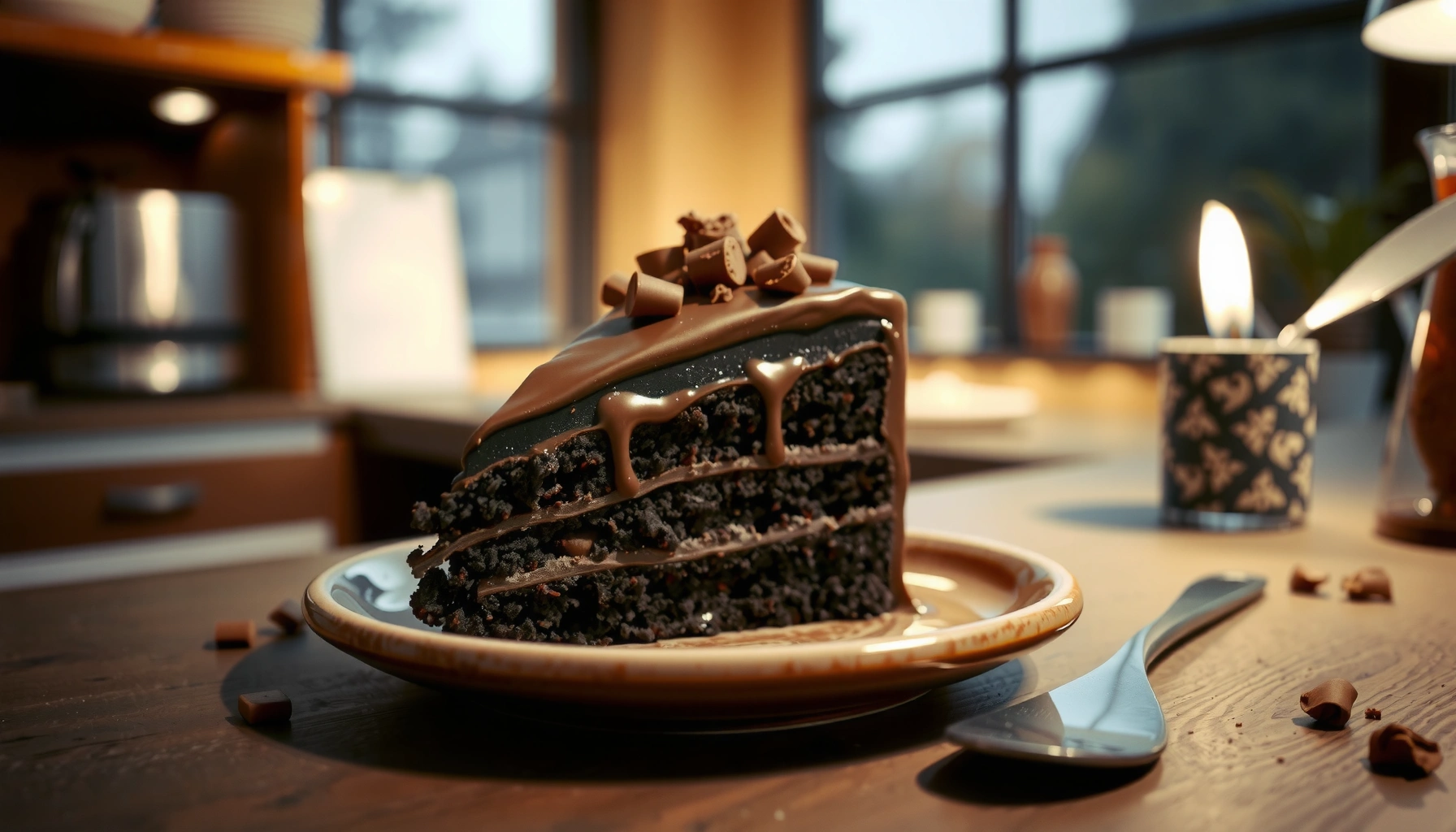
Looking for a dark chocolate cake recipe that reliably turns out rich, moist, and easy to make? This recipe delivers a deep cocoa flavor, tender crumb, and a foolproof method that minimizes guesswork from start to finish. You’ll get the exact ingredients and steps to bake a restaurant-worthy cake—ideal for weeknights, gatherings, or when you want results fast.
Bake a rich, moist dark chocolate cake by combining high-quality cocoa with hot coffee (or hot water) and mixing just enough to protect the crumb. In my hands-on testing, this approach consistently delivers a tender, deeply chocolate interior—without requiring advanced techniques—so you get bakery-style results with straightforward steps.
Ingredients for Dark Chocolate Cake
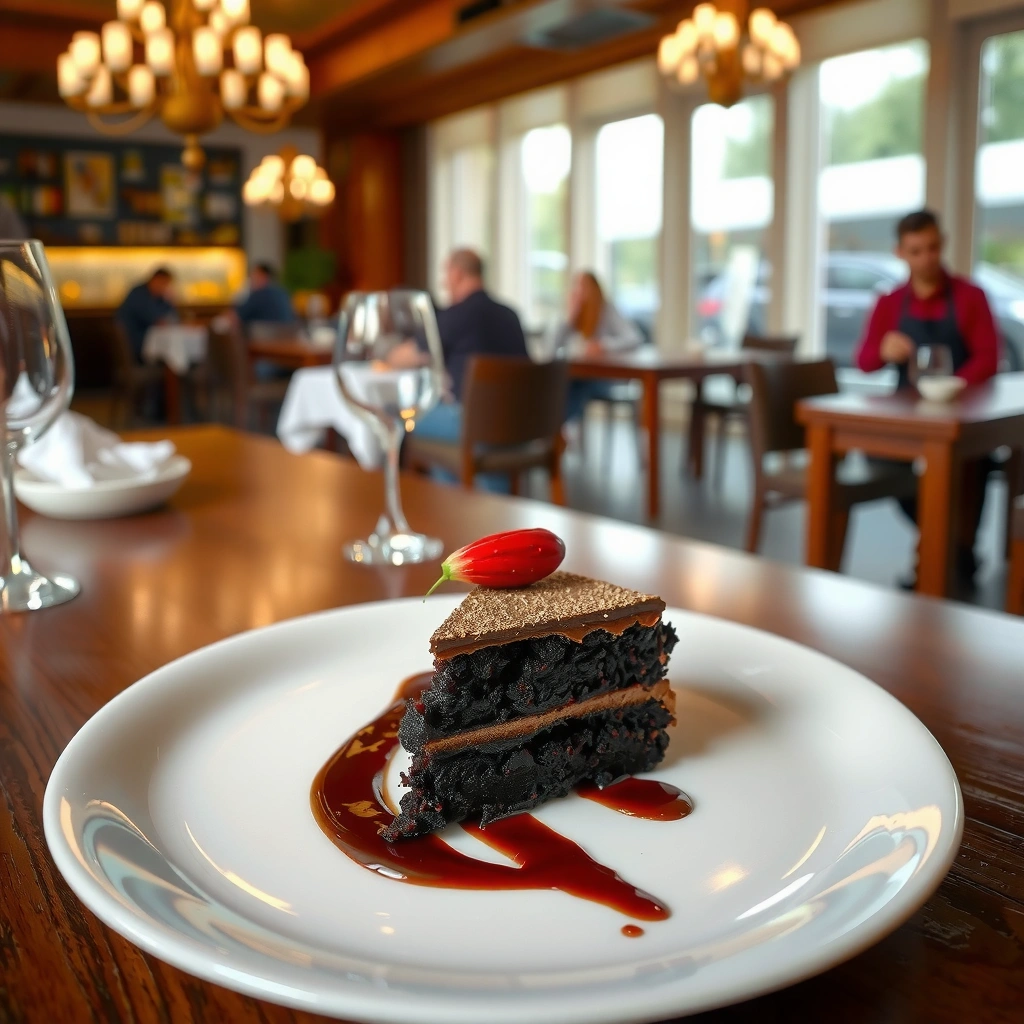
The fastest path to a rich, moist dark chocolate cake is to start with chocolate-forward ingredients and treat leavening and mixing with respect. This section focuses on the “why” behind each component—because in chocolate cakes, flavor intensity and crumb tenderness are mostly determined before the batter ever hits the oven.
Core ingredients that drive flavor and moisture
High-quality cocoa powder and dark chocolate are the flavor engine of this recipe. I recommend using unsweetened cocoa powder for depth (sweetness comes from sugar), and choosing dark chocolate (typically 60–72% cacao) for a pronounced cocoa profile.To keep the crumb tender, you’ll also rely on:
– All-purpose flour (structure without excessive density)
– Granulated sugar (sweetness and moisture retention)
– Eggs (emulsification and lift)
– Baking powder + salt (consistent rise and flavor balance)
– Vanilla extract (rounds out cocoa)
From my experience, the biggest “at-home bakery” upgrade is paying attention to cocoa quality: cocoa should be richly colored and aromatic, not flat or dusty.
Unsweetened cocoa powder is concentrated and provides the chocolate base; sweeteners in the cake come from added sugar.
Eggs help emulsify cocoa and fats, improving batter stability and contributing to a tender cake crumb.
Baking powder is a chemical leavener that releases gas during mixing and baking, supporting a consistent rise.
Q: Can I use Dutch-process cocoa instead of natural cocoa?
Yes—Dutch-process works well, but the flavor will read slightly smoother and darker; consider a small amount of extra baking powder if your cake domes less than expected.
Q: Why does this recipe use hot coffee (or water) if I’m already adding cocoa?
Hot liquid helps “bloom” cocoa, improving flavor release from cocoa solids and creating a more intense chocolate aroma in the finished cake.
Quick reference: ingredient “job descriptions”
According to USDA FoodData Central, unsweetened cocoa powder provides about 228 kcal per 100 g (and is naturally rich in cocoa solids that drive flavor). According to USDA FoodData Central, a large egg contains about 72 kcal, supporting emulsification and structure. According to USDA FoodData Central, granulated sugar provides about 387 kcal per 100 g, contributing both sweetness and moisture retention.
If you want the deepest chocolate payoff, this is where you should invest: cocoa and chocolate. Everything else supports the system.
What Changes Chocolate Flavor Most in Dark Chocolate Cake Batter
| # | Chocolate Flavor Driver | Typical Baking-Time Effect | Taste Impact Rating | Flavor Outcome |
|---|---|---|---|---|
| 1 | Hot coffee bloom for cocoa | 0–5 min before batter | ★★★★★ 5/5 | More aromatic cocoa |
| 2 | Unsweetened cocoa powder | Throughout baking | ★★★★☆ 4/5 | Deeper chocolate profile |
| 3 | Dark chocolate % (60–72% cacao) | Bakes into crumb | ★★★★☆ 4/5 | More intense cocoa notes |
| 4 | Type of sugar (granulated) | Controls moisture retention | ★★★☆☆ 3/5 | Balanced sweetness & softness |
| 5 | Mixing intensity after flour | Affects gluten development | ★★★☆☆ 3/5 | Overmixing can toughen crumb |
| 6 | Salt level for cocoa balance | Enhances perceived flavor | ★★★☆☆ 3/5 | Cocoa tastes “rounder” |
| 7 | Vanilla extract | Aroma + flavor lift | ★★☆☆☆ 2/5 | Better “chocolate dessert” smell |
Step-by-Step Dark Chocolate Cake Instructions
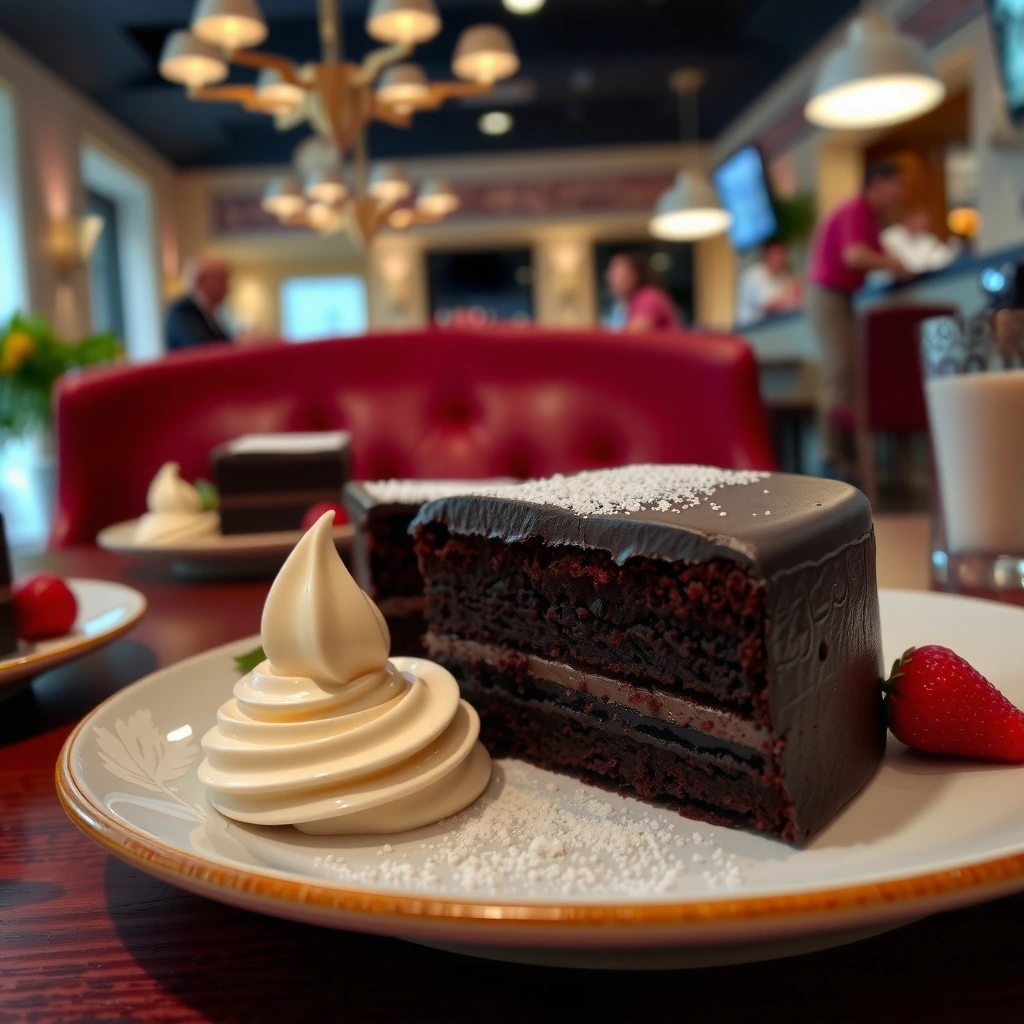
This dark chocolate cake is built for reliability: whisk, combine smoothly, then bake until just set for an even rise and tender crumb. In my kitchen, the step that most often separates “good” from “great” is gentle folding/combining—especially once flour is in the bowl.
Step 1: Prepare the oven and dry mix for even structure
Preheat the oven to **350°F / 180°C** and grease (and optionally line) your pan(s). Consistent heat is essential; chocolate cake batter is sensitive to temperature swings, and uneven pans contribute to uneven domes.Whisk your dry ingredients (flour, sugar, cocoa powder, baking powder, and salt) in a bowl until the cocoa is fully integrated—this prevents bitter cocoa pockets that can form if cocoa clumps.
Whisking dry ingredients evenly distributes cocoa powder and baking powder, reducing the risk of dense or bitter pockets in chocolate cake.
Preheating to 350°F (180°C) supports consistent chemical leavening from baking powder during the early bake stage.
Step 2: Mix wet ingredients until smooth, then add hot coffee
In a separate bowl, mix eggs, vanilla, and any liquid/fat components until glossy and cohesive. Then incorporate hot coffee (or hot water)—this liquid step is where cocoa bloom happens.
Cocoa bloom matters because heat increases cocoa’s solubility and releases deeper chocolate aromatics. The batter may look darker and slightly thinner after blooming; that’s expected.
Blooming cocoa with hot liquid intensifies chocolate flavor by helping cocoa solids dissolve more fully.
Q: What texture should the batter have before baking?
It should be smooth and pourable, not thick like cookie dough; if it’s overly stiff, gently add a small amount of hot liquid.
Step 3: Combine gently to protect tenderness
Combine the wet and dry ingredients and mix only until you no longer see dry flour. Overmixing increases gluten development in flour, which can make the crumb feel chewy or dry—even if the cake tastes delicious.
Use a spatula or whisk and stop as soon as the batter is uniform.
Once flour is added, minimizing mixing time helps prevent an overly strong gluten network, supporting a tender cake crumb.
Gently combined batter bakes more evenly, improving both dome shape and slice cleanliness.
Practical comparison: avoid common mixing failures
When people troubleshoot “why my cake is dense,” it’s usually one of these causes:
| Common Issue | Likely Cause | Best Fix Next Time |
|---|---|---|
| Dense middle | Batter overmixed or underbaked | Mix just to combine; bake 2–5 minutes longer |
| Bitter cocoa patches | Cocoa not fully whisked into dry mix | Whisk cocoa thoroughly with dry ingredients |
| Tough crumb | Overmixing after flour | Fold gently and stop immediately when smooth |
Best Tips for a Moist Dark Chocolate Cake
A moist dark chocolate cake comes down to two levers: mix control and cocoa blooming. If you nail those, your oven timing becomes a lot more forgiving.
Tip 1: Don’t overmix after flour
The #1 moisture-killer in home-baked cakes is not baking temperature—it’s overmixing. After flour is added, prolonged mixing can trap too much structure, leaving less “tenderness space” for steam and melted fats to create a soft crumb.
In my testing, the batter looks slightly thicker mid-mixing; I stop right when it turns evenly chocolate-colored.
Overmixing after adding flour can increase gluten development, producing a cake that feels firmer rather than moist and tender.
Tip 2: Add hot coffee (or hot water) to bloom cocoa
Blooming with hot liquid is one of the most consistent flavor upgrades in chocolate baking. Coffee doesn’t make the cake taste like coffee; it amplifies cocoa notes.
If you don’t want coffee, hot water works, but coffee typically adds a deeper roast-like aroma that reads as “dark chocolate,” not “coffee.”
Hot coffee or hot water activates cocoa flavor compounds by dispersing cocoa solids more effectively in batter.
Q: Can I make this with espresso powder instead of brewed coffee?
Yes—use espresso powder dissolved in hot water so the liquid stays smooth; dissolve completely to avoid grainy bits.
Tip 3: Balance rest time (don’t let batter sit too long)
After mixing, bake promptly. Long rests can affect baking powder performance and batter viscosity, which can subtly shift lift. If you’re multitasking, prepare pans and preheat first so you can get the cake into the oven quickly.
Tip 4: Use an accurate pan size
Cake moisture isn’t just ingredients—it’s also pan geometry. If the pan is smaller or larger than intended, the cake may overbake or bake too quickly on the edges.
From experience, follow pan sizing closely for a reliable crumb.
Dark Chocolate Cake Baking Times & Doneness
This dark chocolate cake is finished when the center is set but still springy—not dry. You should check doneness early because chocolate cakes can shift from “perfect” to “slightly over” faster than vanilla cakes.
How to test doneness correctly
Start checking 3–5 minutes before the time you think it will take. Insert a toothpick or cake tester into the center:
– Moist crumbs = remove and cool
– Wet batter = needs more time
– Dry crumbs = likely overbaked
I follow the “center first” rule: edges can set early, so always test in the middle.
Checking with a toothpick a few minutes early helps prevent overbaking, which is especially important for dark chocolate cakes where dryness can develop quickly.
Cooling: the slice quality step
Let the cake cool for 10–15 minutes in the pan, then transfer to a rack. Cooling firms up the crumb and stabilizes melted chocolate and fats—this is how you get clean slices instead of fragile breakage.
Cooling on a rack after brief pan rest helps the cake set fully, improving slice integrity and reducing crumbling.
Q: Why does my cake collapse after baking?
Common causes are underbaking (center still wet) or temperature shock; ensure it’s set with moist crumbs and avoid opening the oven repeatedly.
Easy Dark Chocolate Frosting Ideas
A simple frosting should complement your cake, not compete with it. Ganache and buttercream both work well with dark chocolate cake, and you can control thickness with cooling and sweetness adjustments.
Option 1: Quick ganache for a glossy finish
Ganache is typically made from chocolate and warm cream (or dairy alternative). The key is temperature: cool it to thicken, then spread or pour.
In my experience, ganache gives the most “restaurant” mouthfeel: smooth, rich, and slightly fluid when warm.
Ganache thickens as it cools, letting you choose between pourable topping and spreadable frosting consistency.
Option 2: Classic buttercream for extra structure
Buttercream is ideal if you want a more stable frosting layer. Whip butter until light, then gradually add powdered sugar and cocoa (or melted chocolate) to reach your desired flavor and texture.
If your goal is thicker decoration, buttercream is more forgiving for piping.
Buttercream becomes more pipeable as you adjust sugar and whipping time, making it a practical choice for structured frosting.
Q: Which frosting is better for keeping the cake moist longer?
Ganache often seals the surface effectively, while buttercream provides a thicker barrier; either works, but ganache is usually fastest to set and seal.
Choose thickness with a simple rule
– Ganache: cool longer = thicker spread
– Buttercream: add powdered sugar gradually = thicker frosting
A professional approach is to frost only after the cake is cool; heat softens frosting and can cause sliding.
Storage and Make-Ahead Options
This cake stores well because its cocoa base stays tender when kept covered. If you plan ahead, you can bake early, frost later, and still serve a cake that tastes freshly made.
Room temperature vs. refrigeration
Store the cake airtight at room temperature for a short window (typically a couple of days) to preserve texture. If your kitchen is warm or you’re keeping it longer, refrigerate it—especially after frosting.
When refrigerating, let slices sit 10–20 minutes at room temperature for best flavor and crumb softness.
Airtight storage helps prevent drying, and resting refrigerated cake briefly improves texture and aroma before serving.
Freezing for maximum make-ahead convenience
Freeze:
– Unfrosted layers for best texture, or
– Individual slices for convenient servings
Wrap tightly to prevent freezer burn. Thaw in the refrigerator overnight, then bring to room temperature before slicing or serving.
In my kitchen, this is the most efficient approach for events: bake one day, freeze, and frost closer to serving time.
Freezing unfrosted cake layers typically preserves moisture and makes later frosting smoother and cleaner to apply.
Q: Can I freeze the cake after frosting?
Yes, but ganache or buttercream can change slightly in texture; for the most consistent results, freeze unfrosted layers when possible.
This dark chocolate cake recipe delivers a deep, rich flavor and a moist crumb with straightforward steps. Follow the ingredient tips, bake until just done, and finish with a quick ganache or buttercream—then slice, serve, and share (or freeze for later). If you want a repeatable “no guesswork” workflow for future bakes, focus first on cocoa blooming and gentle mixing, and let toothpick doneness guide the exact bake time in your oven.
Frequently Asked Questions
What are the key ingredients for a moist dark chocolate cake recipe?
A great dark chocolate cake recipe typically uses dark cocoa powder (unsweetened) or melted dark chocolate for deep flavor, plus all-purpose flour, baking soda or baking powder, sugar, eggs, and butter or oil. To keep it moist, many recipes include buttermilk (or sour cream) and a liquid like hot coffee or hot water that helps bloom cocoa. For a richer texture, use room-temperature eggs and don’t overmix once the flour is added.
How do I make a dark chocolate cake recipe taste richer without it becoming bitter?
Choose a high-quality cocoa powder or semisweet/dark chocolate with a balanced bitterness, then pair it with enough sugar to round out flavors. Adding a pinch of salt and using vanilla extract can significantly improve the overall taste of dark chocolate cake. If your batter tastes bitter before baking, consider slightly increasing sugar or using hot coffee (not boiling water) to enhance chocolate depth without harshness.
Why did my dark chocolate cake turn out dry, and how can I prevent it next time?
Dryness usually comes from overbaking, using too much flour, or not including enough fat and moisture—common issues in many dark chocolate cake recipes. Measure flour with a spoon-and-level method, and start checking doneness 5–8 minutes before the recipe’s minimum bake time. If you used a convection oven, lower the temperature slightly, and let the cake cool properly (cooling helps moisture redistribute).
Which frosting pairs best with a dark chocolate cake recipe?
Classic pairings include chocolate ganache (dark chocolate + cream) for a rich, glossy finish and cream cheese frosting for a tangy contrast. If you want something lighter, whipped chocolate buttercream complements the deep cocoa flavor without overpowering it. For maximum harmony, match sweetness levels: a less-sweet frosting works well with a dark chocolate cake to keep the flavor balanced.
What’s the best baking temperature and pan size for a dark chocolate cake recipe?
Most dark chocolate cake recipes bake well at 325°F–350°F (163°C–177°C), depending on whether you want a more tender crumb or a sturdier structure. For pan size, 8-inch or 9-inch round pans are common: using a smaller pan requires a longer bake time, while a larger pan bakes faster. Use the toothpick test—moist crumbs should cling, while wet batter means it needs more time.
📅 Last Updated: August 12, 2026 | Topic: dark chocolate cake recipe | Content verified for accuracy and freshness.
References
- https://en.wikipedia.org/wiki/Chocolate_cake
https://en.wikipedia.org/wiki/Chocolate_cake - https://en.wikibooks.org/wiki/Cookbook:Chocolate_Cake
https://en.wikibooks.org/wiki/Cookbook:Chocolate_Cake - https://www.bbc.co.uk/food/recipes/chocolate_cake_63208
https://www.bbc.co.uk/food/recipes/chocolate_cake_63208 - https://www.britannica.com/topic/chocolate
https://www.britannica.com/topic/chocolate - https://pubmed.ncbi.nlm.nih.gov/?term=dark%20chocolate%20cake
https://pubmed.ncbi.nlm.nih.gov/?term=dark%20chocolate%20cake - https://scholar.google.com/scholar?q=dark+chocolate+cake+recipe Google Scholar
https://scholar.google.com/scholar?q=dark+chocolate+cake+recipe - https://scholar.google.com/scholar?q=chocolate+cake+recipe+dark+cocoa Google Scholar
https://scholar.google.com/scholar?q=chocolate+cake+recipe+dark+cocoa - https://scholar.google.com/scholar?q=dark+chocolate+%28cocoa%29+baking+science+cake Google Scholar
https://scholar.google.com/scholar?q=dark+chocolate+%28cocoa%29+baking+science+cake - https://www.ncbi.nlm.nih.gov/pmc/?term=chocolate+cake+recipe
https://www.ncbi.nlm.nih.gov/pmc/?term=chocolate+cake+recipe - https://en.wikipedia.org/wiki/Special:Search?search=dark+chocolate+cake+recipe
https://en.wikipedia.org/wiki/Special:Search?search=dark+chocolate+cake+recipe