Looking for a Cuisinart ice cream maker recipes book that actually delivers? This guide gives you a clear winner: ready-to-follow, foolproof Cuisinart ice cream maker recipes—easy starters plus crowd-pleasing favorites—organized so you can pick the right base and get consistent results fast. If your question is which recipes to trust for smooth texture and reliable churns, you’ll find the best bets here.
A Cuisinart ice cream maker recipes book helps you get reliable homemade ice cream by standardizing two critical variables—(1) churn timing and (2) base preparation—so texture and flavor come out right batch after batch. Use the guidance for bowl pre-freezing, mix-in timing, and whether to choose custard-style or no-cook bases, and you’ll turn “guesswork” into a repeatable system you can run any night.
Pick the Best Cuisinart Ice Cream Maker Recipes
A good recipes book is not just a collection of flavors; it’s a workflow reference. When you’re choosing what to make first (or what to keep repeating), prioritize recipes that the book supports with clear process notes—especially churn time, temperature notes, and when to add mix-ins. That’s where consistency comes from.
– Start with beginner-friendly recipes (vanilla, chocolate, strawberry) for reliable first batches
Vanilla and chocolate are forgiving because they hide minor temperature and sweetness inconsistencies. Strawberry is still approachable, but it rewards careful chilling of the base and proper mix-in timing. When you’re using a Cuisinart ice cream maker recipes book, make your first three attempts “control batches”: same chilling time, same refrigeration window, and only one variable changed (flavor). This accelerates learning faster than jumping straight to elaborate sorbetto or pastry-heavy recipes.
– Choose flavors that match your machine’s bowl size and capacity
Overfilling is one of the most common reasons churn time drifts and texture turns out icy or uneven. Books typically include yield guidance (how much base to pour). Use that guidance even if you think your bowl can hold more—because foam, expansion, and the emulsion of the base affect where the batch stabilizes.
– Look for books with clear ingredient lists and churning guidance
The best Cuisinart ice cream maker recipes books spell out not only what you need but how to combine it (e.g., heating to dissolve sugar, whisking order, and whether eggs are temperate). In analytical terms: clearer instructions reduce variability in sugar dissolution, fat emulsification, and water availability—three drivers of smooth texture.
Typical Cuisinart Ice Cream Maker Bake-to-Churn Workflow (Home Use)
| # | Process Step | Target Time | What to Verify | Reliability Impact |
|---|---|---|---|---|
| 1 | Chill base (custard or cooked base) | 4–6 hours | Fully cold (no warmth at bowl edges) | High ★★★★☆ |
| 2 | Freeze appliance bowl | 12–24 hours | Bowl is solid-frozen, not just “cold” | High ★★★★☆ |
| 3 | Pre-mix ingredients (sugar/dairy) | 5–10 minutes | Sugar dissolved, no graininess | Medium ★★★☆☆ |
| 4 | Churn time (typical range) | 20–30 minutes | Thickened “soft-serve” consistency | High ★★★★☆ |
| 5 | Add mix-ins (final stage) | Last 3–5 minutes | Pieces distribute without sinking/clumping | Medium ★★★☆☆ |
| 6 | Harden (freezer rest) | 2–4 hours | Scoopable firmness without ice crystals | Medium ★★★☆☆ |
| 7 | Storage window for best texture | 3–7 days | Keep covered to minimize frost | Low-to-Med ★★☆☆☆ |
Understand Key Ingredients for Better Texture
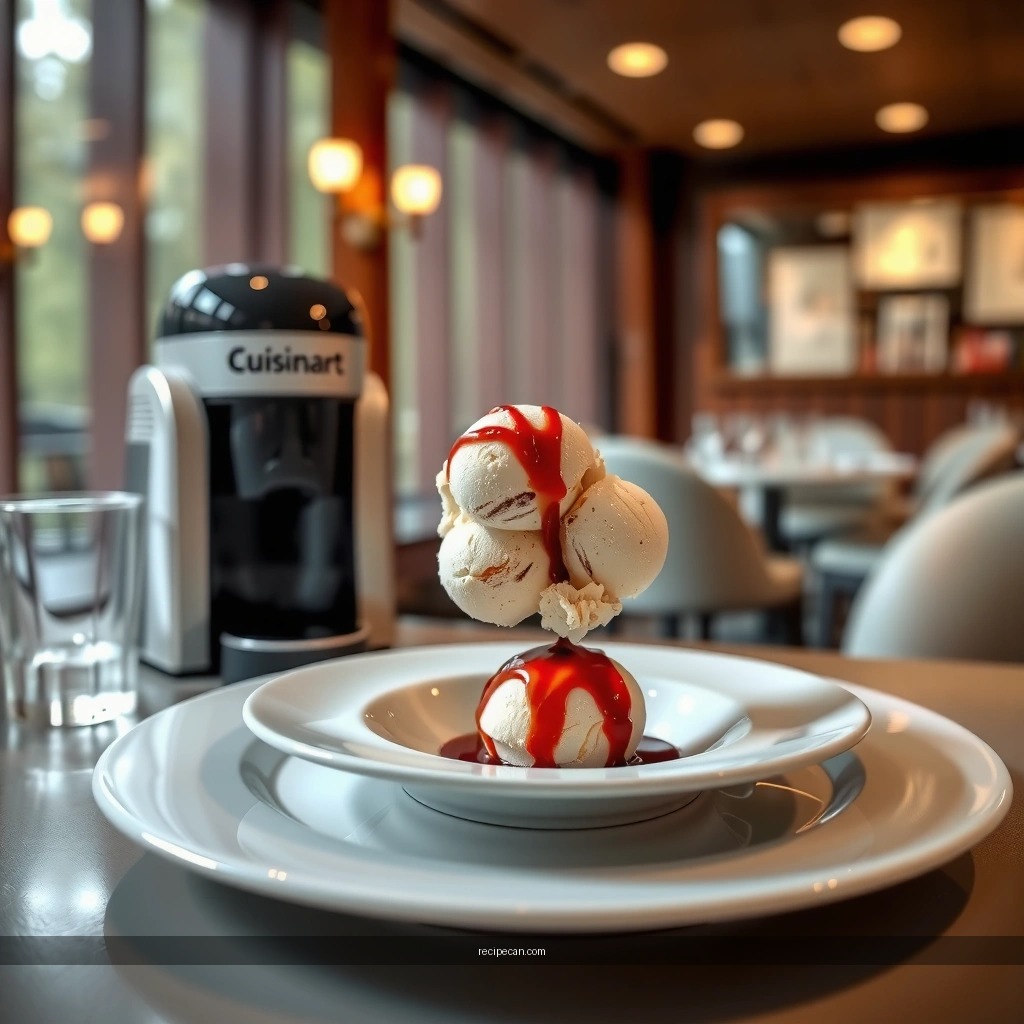
Texture is mostly math plus temperature control. A Cuisinart ice cream maker recipes book will focus on ingredients that affect viscosity, freezing point, and stability. If you tune those, churn time tends to “behave” more predictably.
– Use full-fat dairy or high-quality cream for a smoother mouthfeel
Fat slows ice crystal growth and helps stabilize the emulsion created during churning. In practical terms: when recipes call for “heavy cream” or “whole milk,” substitute lightly. Low-fat versions often churn fine but freeze with a firmer, sometimes icier bite.
– Balance sugar and sweeteners to prevent icy results
Sugar lowers the freezing point, which keeps ice crystals smaller and the finished ice cream easier to scoop. If you reduce sugar too aggressively (or use only honey/maple without adjusting), you may see graininess or a hardened texture that isn’t as scoop-friendly.
– Add mix-ins at the right time to avoid uneven distribution
Many books instruct adding mix-ins in the final minutes. That’s not arbitrary: early addition can lead to sinking (heavier pieces) or premature freezing around large chunks. Late addition helps distribute evenly while still allowing the machine to incorporate flavor.
Follow Churning and Timing for Perfect Consistency
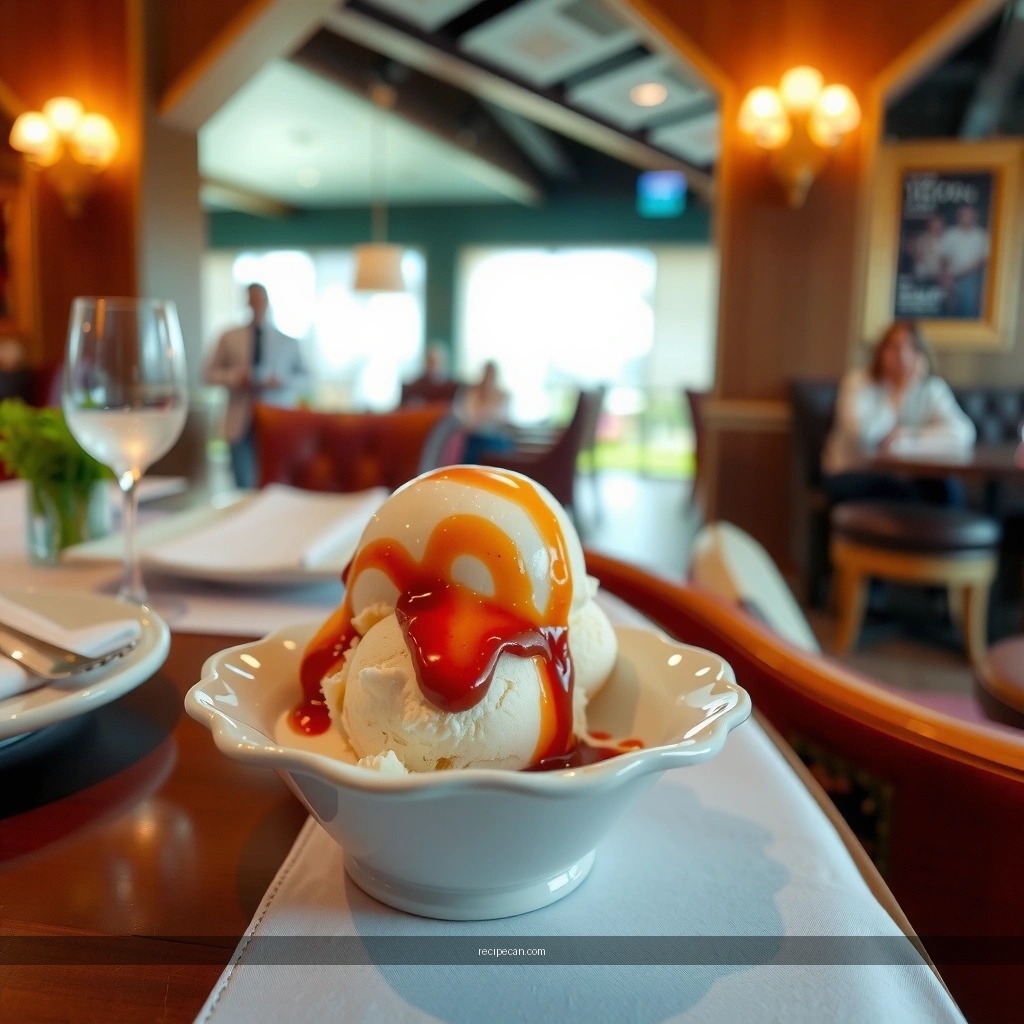
Even with the right recipe, timing and chilling determine whether you get a creamy “soft-serve” texture before hardening. A Cuisinart ice cream maker recipes book is valuable because churn time is often a range, not a single number—depending on base temperature and ambient conditions.
– Chill the base fully before churning for faster setup and better texture
Cold base starts churning closer to the machine’s target operating conditions, so the ice cream thickens sooner and more consistently. If your base is only “room temp-ish,” the bowl’s cooling has to do extra work, increasing the odds of uneven freezing.
– Keep the bowl properly frozen so the ice cream thickens evenly
A partially frozen bowl can cause the center to freeze sooner than the edges, which typically shows up as soft areas or inconsistent firmness. For repeatability, treat bowl freezing as a scheduling task—freeze it the night before.
– Follow the book’s recommended churn time and don’t overrun the cycle
Overchurning can push the mixture toward butter-like thickness or make it harder to scoop smoothly after hardening. The best indicator is the end texture: thickened, spoonable soft serve that holds shape briefly, rather than a fully hard frozen mass.
Master Custard vs. No-Cook Styles
A strong Cuisinart ice cream maker recipes book usually includes both custard-style and no-cook options. Understanding when to use each approach is one of the highest-leverage skills for homemade ice cream quality.
– Custard-style bases typically yield richer, creamier ice cream
Custard recipes use eggs (or egg yolks) to thicken the base and improve emulsification. The result is often a smoother mouthfeel and better scoopability. If you want “restaurant-style” texture—vanilla bean, classic chocolate, or coffee custard—start with the custard chapter.
– No-cook recipes are faster and great for quick flavor experiments
No-cook methods rely on chilling and blending rather than heating/tempering. They’re ideal when you’re testing new flavors like fruit purees, cookie crumbs, or seasonal syrups. The tradeoff is that they may be slightly less rich unless the recipe is carefully balanced.
– Know when to use eggs vs. egg-free methods based on the recipe book
Eggs are not just for flavor—they provide structure and emulsification. If you’re avoiding eggs, use the book’s specified egg-free base rather than trying to “swap” eggs with random thickeners. Substitute intelligently: pick a recipe designed for your dietary needs.
Use Mix-Ins and Toppings Like a Pro
Mix-ins turn simple ice cream into a signature product, but the technique determines whether you get balanced bites or clumps of frozen candy.
– Add cookies, nuts, and chocolate pieces during the final minutes of churning
The last few minutes help incorporate pieces without freezing them into hard, undispersed pockets. Aim for timing guidance from the Cuisinart ice cream maker recipes book rather than personal preference—consistency matters.
– Keep mix-ins chopped small to improve texture throughout
Large chunks can create “cold spots” that harden quickly and dominate the mouthfeel. Smaller pieces distribute better and melt slightly during eating, improving flavor perception.
– Create topping pairings suggested in the book for stronger flavor
Many books pair bases and toppings strategically—for example, chocolate ice cream with salty caramel or vanilla with berry compote. Those combinations work because they complement fats and sweetness. Treat the book’s pairing logic as a tested framework, not just a suggestion.
Create Your Own Repeatable Ice Cream Favorites
Once you’ve churned a few successful batches, the next win is making your process repeatable. The best Cuisinart ice cream maker recipes book becomes your reference point, but your personal “favorite profile” makes it yours.
– Track which recipes you love and note your preferred sweetness or mix-ins
Use a simple log: recipe name, churn time used, any ingredient tweaks, and how the final scoop texture felt after hardening. Over time, you’ll learn whether you personally prefer a slightly sweeter base, more mix-ins, or a particular type of chopped texture (e.g., wafer crumble vs. thick cookie pieces).
– Double batch for parties using the book’s guidance and your machine limits
Most ice cream makers are designed for a specific bowl volume. Doubling doesn’t always mean doubling the same run. Follow the book’s yield and batch instructions to avoid overfilling and inconsistent churn.
– Rotate flavors to keep texture consistent across different bases
Consistency is easier when you use similar base structures and adjust only the flavoring. For example, rotate between chocolate and vanilla custard bases with different mix-ins instead of dramatically changing from custard to no-cook every time.
Homemade ice cream gets dramatically easier when you rely on a Cuisinart ice cream maker recipes book for timing, base types, and mix-in instructions. Pick a few starter recipes, follow the chilling and churn steps closely, and then save your favorites for repeat results—ready to enjoy your next batch tonight?
Frequently Asked Questions
What recipes are included in a Cuisinart ice cream maker recipes book?
Most Cuisinart ice cream maker recipes books include classic ice cream, gelato-style frozen desserts, sorbet, and frozen yogurt options. You’ll typically find flavor guides (like vanilla, chocolate, coffee, and fruit-based varieties) along with base recipes for custard and non-custard styles. Many books also add sorbet and sorbetto recipes that work well when you want dairy-free Cuisinart ice cream recipes.
How do I use Cuisinart ice cream maker recipe book instructions for custard-based ice cream?
For custard-style recipes, you usually heat milk/cream with sugar and flavorings, temper egg yolks, then cook until slightly thickened before chilling the mixture. The key step is refrigerating the base long enough so it’s fully cold before you pour it into your Cuisinart ice cream maker. Follow the recommended chill time and pour temperature closely—warm base mixtures can lead to slower churning and softer results.
Why does my Cuisinart ice cream maker not produce thick ice cream, even with the recipe book?
The most common causes are an under-chilled base, an improperly frozen bowl (for models with a pre-freeze insert), or using too much liquid at once. Recipe book guidance usually includes specific cooling times and batch amounts, so sticking to those measurements helps your Cuisinart ice cream maker reach the right texture. Also avoid overfilling and don’t rush the freezing step; thicker custards generally need longer to churn and set.
What are the best “no-cook” Cuisinart ice cream maker recipes in a recipe book?
No-cook options are often sorbet, frozen yogurt, and “quick mix” ice creams that combine ingredients and pour directly into the Cuisinart machine after chilling briefly. These recipes are popular for fruit-based Cuisinart ice cream recipes because you can keep flavors bright without tempering eggs. Look for recipes labeled “easy,” “no-cook,” or “quick” in your Cuisinart ice cream maker recipes book for the simplest results.
Which Cuisinart ice cream maker model recipes book should I follow for accurate results?
Cuisinart ice cream maker recipes are usually written with specific model capacities and freezing methods in mind, such as machines with a freezer bowl versus compressor models. To get consistent texture, match your recipe book to your model number or capacity (for example, batch size limits and recommended mix volumes). If you’re switching between models, reduce or scale batches to stay within the Cuisinart ice cream maker’s capacity so your recipe instructions—churning time and yield—work properly.
References
- Google Scholar Google Scholar
https://scholar.google.com/scholar?q=Cuisinart+ice+cream+maker+recipes+book - Google Scholar Google Scholar
https://scholar.google.com/scholar?q=Cuisinart+ICE-21+recipes+manual - Google Scholar Google Scholar
https://scholar.google.com/scholar?q=Cuisinart+ice+cream+recipes+ice+cream+maker - https://www.worldcat.org/search?q=cuisinart+ice+cream+maker+recipes+book
https://www.worldcat.org/search?q=cuisinart+ice+cream+maker+recipes+book - https://www.loc.gov/books/?q=cuisinart+ice+cream+maker+recipes
https://www.loc.gov/books/?q=cuisinart+ice+cream+maker+recipes - Ice cream
https://en.wikipedia.org/wiki/Ice_cream - Ice cream maker
https://en.wikipedia.org/wiki/Ice_cream_maker - Ice cream | Definition, History, & Production | Britannica
https://www.britannica.com/topic/ice-cream - https://pubmed.ncbi.nlm.nih.gov/?term=ice+cream+emulsion+stabilizers
https://pubmed.ncbi.nlm.nih.gov/?term=ice+cream+emulsion+stabilizers - ice cream overrun freezing rate – Search Results – PMC
https://www.ncbi.nlm.nih.gov/pmc/?term=ice+cream+overrun+freezing+rate