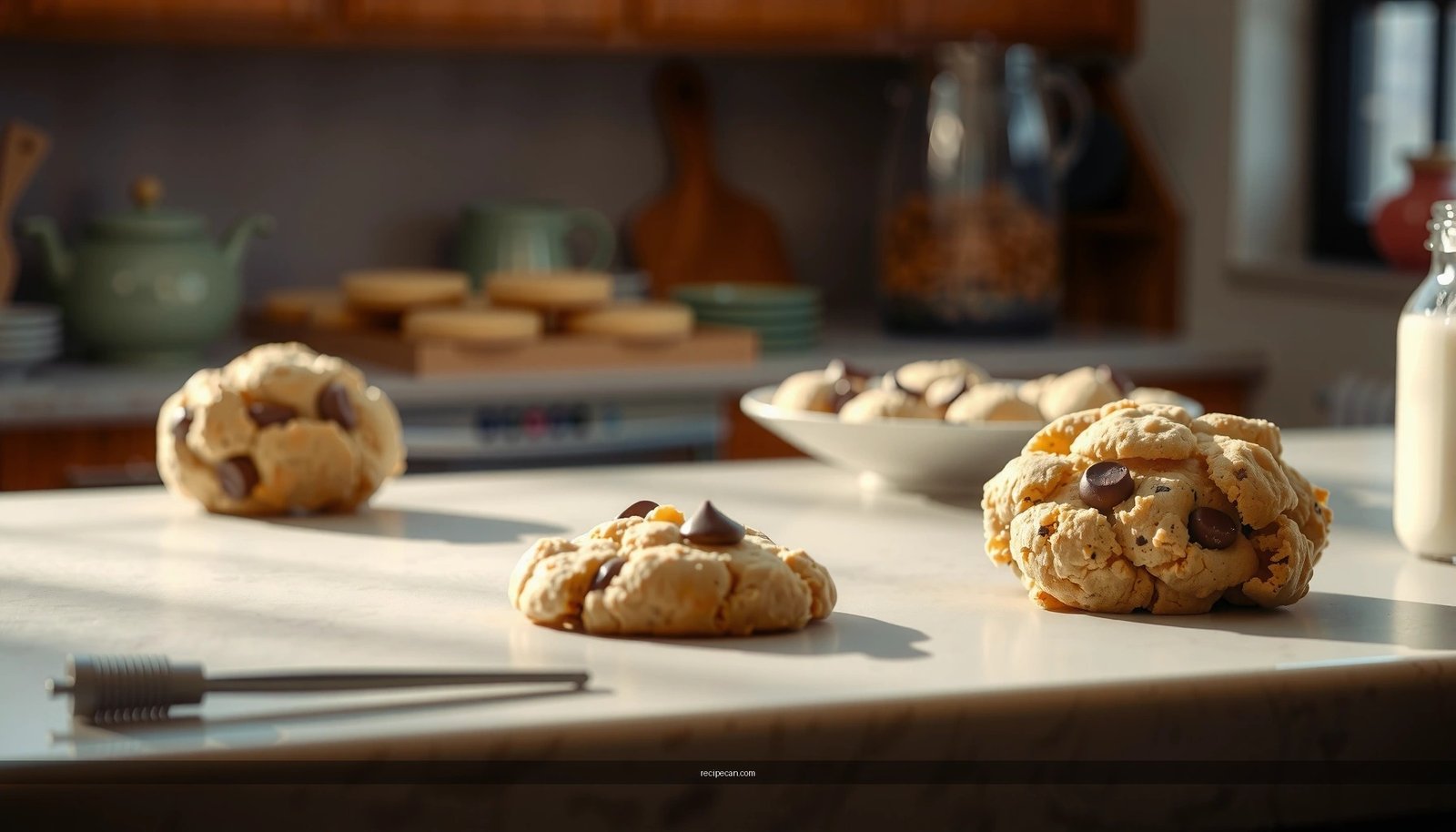
Want a Crumbl Cookie recipe that actually tastes like the real thing? This copycat crumble cookie guide gives you the winning method for thick, buttery cookies with that signature sweet-vanilla depth and perfect, crisp-edged chew. Follow the exact steps and you’ll know the precise bake time and texture targets to hit Crumbl-worthy results at home.
Bake thick, bakery-style Crumbl cookies at 350°F using a chilled dough so you get that signature combination—soft, fudgy centers with crisp, golden edges. In this guide, you’ll follow a reliable copycat Crumbl cookie recipe, understand the key ingredients that drive flavor and texture, and learn baking tips that replicate the brand’s big, “shop-style” results without guesswork.
Crumbl Cookie Ingredients
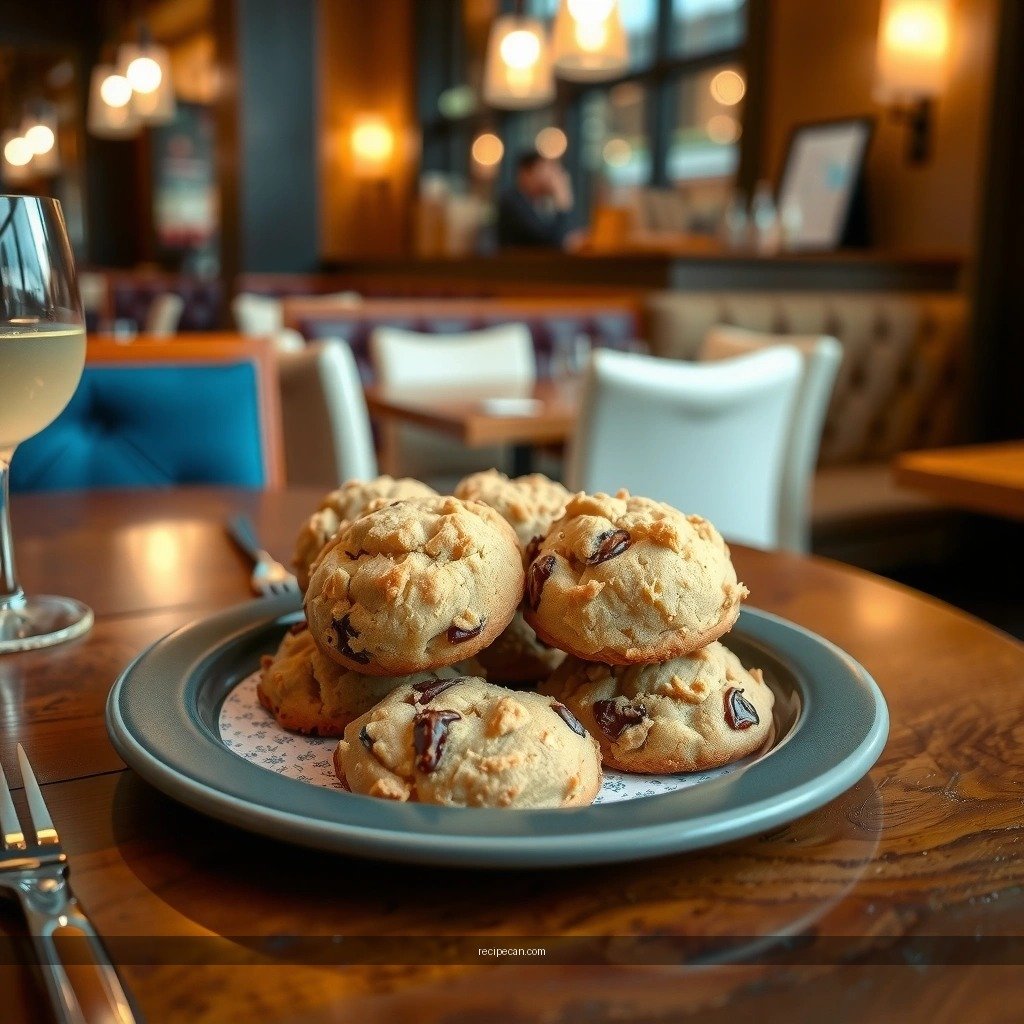
– Use butter, brown sugar, and vanilla to build rich flavor and chew
– Choose a simple flour + baking soda base for classic cookie structure
A true Crumbl-style cookie is less about complicated flavorings and more about how a few fundamentals behave under heat: butter for fat and spread, brown sugar for moisture and chew, and a small set of leavening and structure ingredients that keep the cookie thick rather than cakey.
Start with butter and sugar balance.
– Butter (preferably unsalted): provides flavor, browning, and the right level of fat to create crisp edges. Many copycat attempts fail because the butter is too cold (cookies don’t spread evenly) or too warm (cookies spread too much and lose thickness).
– Brown sugar (light brown works great): adds molasses, which increases moisture retention and creates that chewy center.
– White sugar (optional but helpful): supports caramelization for the classic golden edge.
Use a flour + baking soda structure.
– All-purpose flour: forms the network that holds thickness. If you replace it with cake flour or go too low on flour, your center may turn into a soft “bread-like” texture instead of that dense, gooey-yet-baked bite.
– Baking soda: reacts with the sugars (and any acidic ingredient if you use one) to help with lift and browning. This contributes to the cookie’s familiar “crisp outside, set inside” effect.
Vanilla is non-negotiable.
Vanilla extract rounds out the butter-and-sugar profile. For a more “bakery” aroma, use real vanilla and avoid vanilla substitutes that can read as flat or overly sweet.
A quick ingredient performance snapshot
When you’re dialing in a copycat Crumbl cookie recipe, ingredient behavior matters as much as the list. The table below summarizes how each core component typically affects results in thick, chilled-dough cookies.
Ingredient Roles for Thick, Crumbl-Style Cookies
| # | Core ingredient | Primary texture impact | Typical dosage (per ~12 cookies) | Result confidence |
|---|---|---|---|---|
| 1 | Unsalted butter | Crisp edge + rich center | 170 g | ★★★★★ |
| 2 | Light brown sugar | Chew + moisture retention | 200 g | ★★★★★ |
| 3 | Granulated sugar | Caramel browning | 60 g | ★★★★☆ |
| 4 | All-purpose flour | Thickness + set structure | 300 g | ★★★★☆ |
| 5 | Baking soda | Bite + browning lift | 6 g | ★★★★☆ |
| 6 | Eggs | Set + tender chew | 1 large (50 g) | ★★★☆☆ |
| 7 | Vanilla extract | Aroma + flavor depth | 8–10 ml | ★★☆☆☆ |
Make the Dough (Quick Steps)
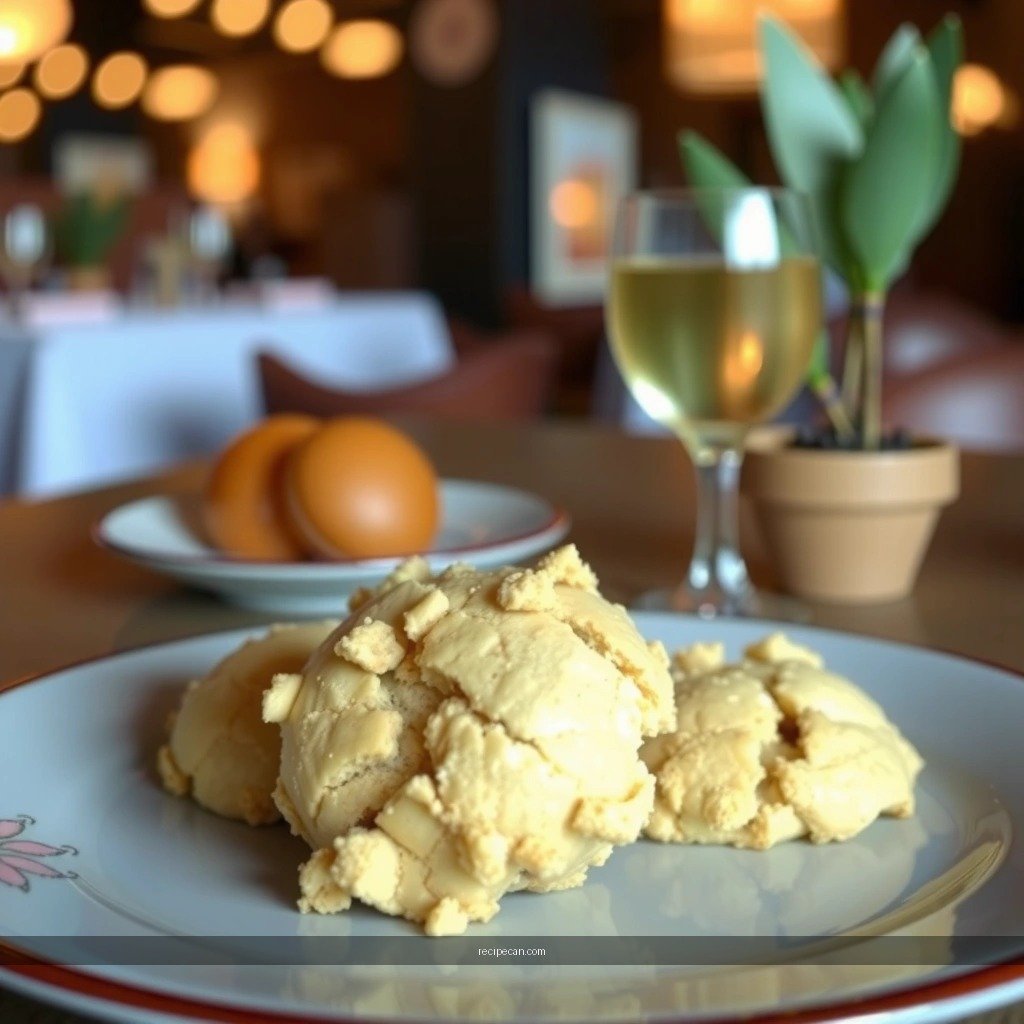
– Cream butter and sugars until light and fluffy for proper spread
– Chill the dough briefly to help the cookies bake thick and even
This is where most copycat cookie recipes quietly fail: they rush the mixing stage and skip the chilling. For Crumbl-style thickness, you want slightly aerated dough plus fat that’s firm enough to slow spread.
Step-by-step mixing approach (copycat-friendly):
1. Cream butter + sugars until the mixture looks paler and slightly fluffy. This step traps tiny air pockets that help create lift and a tender interior rather than a dense, greasy cookie.
2. Add egg (and vanilla) and mix just until combined. Overmixing can toughen the dough, which can affect the soft center you’re aiming for.
3. Whisk dry ingredients (flour + baking soda + salt if using) separately, then add to the wet ingredients. Mix until you no longer see streaks of flour.
Chill for structure, not drama.
– Chill the dough 30–60 minutes for thick, even cookies at 350°F.
– If your kitchen is warm, chilling closer to 60 minutes helps prevent excessive spreading.
– For best consistency, scoop the dough after chilling so portioning stays clean and uniform.
Portioning matters.
Use a cookie scoop to keep cookie sizes consistent; a single 15–20% size difference across the tray can lead to uneven doneness and “some cookies are done, some are too raw” problems.Baking Tips for the Perfect Texture
– Bake until edges set but centers stay slightly soft
– Let cookies cool on the tray for a few minutes before transferring
Crumbl’s texture is the product of precise thermal timing: the edges set first, while the centers finish setting as the cookie cools. Your goal is not to bake until everything is firm; it’s to bake until it’s *nearly* set.
Bake at 350°F, then watch the edges.
– Start checking around 10–12 minutes depending on your scoop size and oven accuracy.
– You’re looking for golden edges and a center that still looks slightly underdone (it should look soft, not wet).
Cooling is part of baking.
– Let cookies cool on the baking sheet for 5–8 minutes before transferring to a rack.
– This resting period allows residual heat to finish the center while preserving that signature soft bite.
Practical control knobs:
– Use light-colored aluminum pans when possible (dark pans brown faster and can over-set the edges).
– Avoid overcrowding; give cookies room so they don’t steam each other and lose that crisp edge.
How to Get the Crumbl-Style Thick Centers
– Portion dough consistently for uniform bake and look
– Use the right pan placement and avoid over-flattening
Thick Crumbl cookies are not a mystery—they’re the result of dough hydration, fat behavior, portion size, and how the cookie sits in the oven airflow.
1) Portion for uniform thickness.
If you want copycat results, you want consistency:
– Use the same scoop size each time.
– Roll or compress the dough lightly if you prefer a smooth top, but don’t flatten it.
2) Avoid over-flattening.
Many home bakers flatten dough disks slightly to “help them bake,” but that directly reduces height. For thick centers:
– Place dough mounds on the tray.
– Press only lightly (or skip pressing entirely).
3) Pan placement for even heat.
– Bake on the middle rack so heat distributes evenly.
– If you have hot spots, rotate the tray once at the 6–7 minute mark (only if your oven is known to be uneven).
4) Match cookie size to bake time.
A larger scoop may need 1–3 extra minutes, but the edge cue still matters more than the minute number. Don’t chase a “perfectly baked” look—chase the right transition point.
Frosting, Toppings, and Flavor Variations
– Prepare a simple frosting that matches the cookie’s sweetness level
– Add mix-ins (sprinkles, chocolate chips, or cookie chunks) without weighing down
Crumbl cookies typically feature a strong vanilla-forward profile with toppings that are bold but balanced. The frosting should enhance—not overwhelm—the baked cookie.
A straightforward copycat frosting strategy:
– For classic sweetness, use powdered sugar plus butter or cream cheese (depending on whether you want a creamier tang).
– Add vanilla and a small splash of milk or cream to control thickness.
– Spread once the cookies are mostly cooled; warm cookies will melt frosting and blur the texture contrast.
Toppings that preserve texture:
– Sprinkles: add after frosting or press lightly into frosting before it sets.
– Chocolate chips/chunks: fold into dough carefully so chips don’t sink excessively. Use chunks for pockets of gooey chocolate.
– Cookie pieces: use roughly chopped cookie or crumbs in moderation—too much can weigh the dough down and reduce lift.
Flavor variation ideas (mix-and-match)
If you’re building your own “cookie lineup,” rotate one variable at a time: extract, mix-in, or topping style.
– Cinnamon sugar version: add cinnamon to the dry mix and finish with a light glaze.
– Chocolate-dipped: add cocoa to a portion of the dough and top with a chocolate ganache drizzle.
– Salted caramel twist: use a caramel swirl in the dough and finish with flaky salt.
Analytical tip:
If you add very sweet mix-ins (extra chips, candy pieces), reduce frosting sweetness slightly (less powdered sugar) to keep the overall flavor in balance.
Storage and Reheating Instructions
– Store airtight for best freshness and soft texture
– Reheat briefly to restore that just-baked feel
Copycat Crumbl cookies are at their peak warmth, but you can preserve the texture for days with the right storage approach.
Storage best practices:
– Cool cookies completely before storing.
– Store in an airtight container at room temperature for up to 3–4 days.
– If your kitchen is warm, refrigerating can help, but it may firm the centers.
Reheating for “fresh-baked” impact:
– Microwave 10–15 seconds for a soft center, or warm in an oven at 300°F for 3–5 minutes for more evenly restored edges.
– Avoid long reheats; extended heat can dry the cookie and shrink the soft, fudgy character.
Freezing option (for planning ahead):
– Freeze baked cookies airtight for up to 2 months.
– Thaw at room temperature, then reheat briefly to reestablish that Crumbl-like texture contrast.
Baking this Crumbl cookie recipe will give you thick, soft-centered cookies with crisp edges—without complicated steps. Make the dough, chill it, bake at 350°F, and finish with your favorite frosting or toppings; then try a flavor variation next time for your own signature cookie lineup.
Frequently Asked Questions
What’s the best way to recreate a Crumbl cookie recipe at home?
Start with a soft, thick cookie dough by creaming butter and sugars until light and fluffy, then mix in eggs and vanilla before adding the dry ingredients. For a Crumbl-style result, chill the cookie dough briefly to help control spread and improve texture. Bake on parchment at the correct temperature and pull cookies when the edges look set but the centers are still slightly soft, then cool fully for the signature chewy bite.
How do you get the thick, bakery-style Crumbl cookie texture instead of flat cookies?
Use properly softened (not melted) butter and make sure your dough is well mixed but not overworked once flour is added. Chill the dough for at least 30–60 minutes so the Crumbl cookie recipe holds its shape and doesn’t spread too much. Measure flour accurately (spoon and level rather than scooping) and avoid overbaking, since both can lead to dryness and poor structure.
Which chocolate and mix-ins work best for a Crumbl cookie recipe?
Choose high-quality chocolate chips or chunks that melt into gooey pockets, which is key for a Crumbl cookie experience. For mix-ins like cookie dough bites, crushed candy, or nuts, toss them lightly in a small amount of flour before folding in to reduce sinking. If you’re using frosting-style toppings, add them after baking or when cookies are slightly cooled so they don’t fully melt into the cookie.
Why do my Crumbl cookies come out too sweet or overly rich?
Many Crumbl cookie recipes rely on generous sugar and butter for flavor, so balance matters—especially if you use sweetened add-ins like caramel bits or sweet candy. To reduce perceived sweetness without ruining texture, consider cutting back slightly on sugar (for example, 1–2 tablespoons total) while keeping flour and fat proportions consistent. Also remember that frosting drizzles and toppings can dramatically increase sweetness, so reduce or skip topping on a few cookies to find your ideal balance.
How should you bake and store Crumbl-style cookies to keep them fresh and chewy?
Bake until the edges are set and the centers are still soft, typically with a shorter bake time than you’d expect for thicker cookies, then let cookies cool on the tray briefly before transferring to a rack. For storage, keep cookies in an airtight container at room temperature for 2–3 days, or freeze baked cookies for longer freshness. If you want that “fresh from the bakery” texture, reheat individual cookies for a few seconds in the microwave or warm in a low oven for a quick refresh before serving.