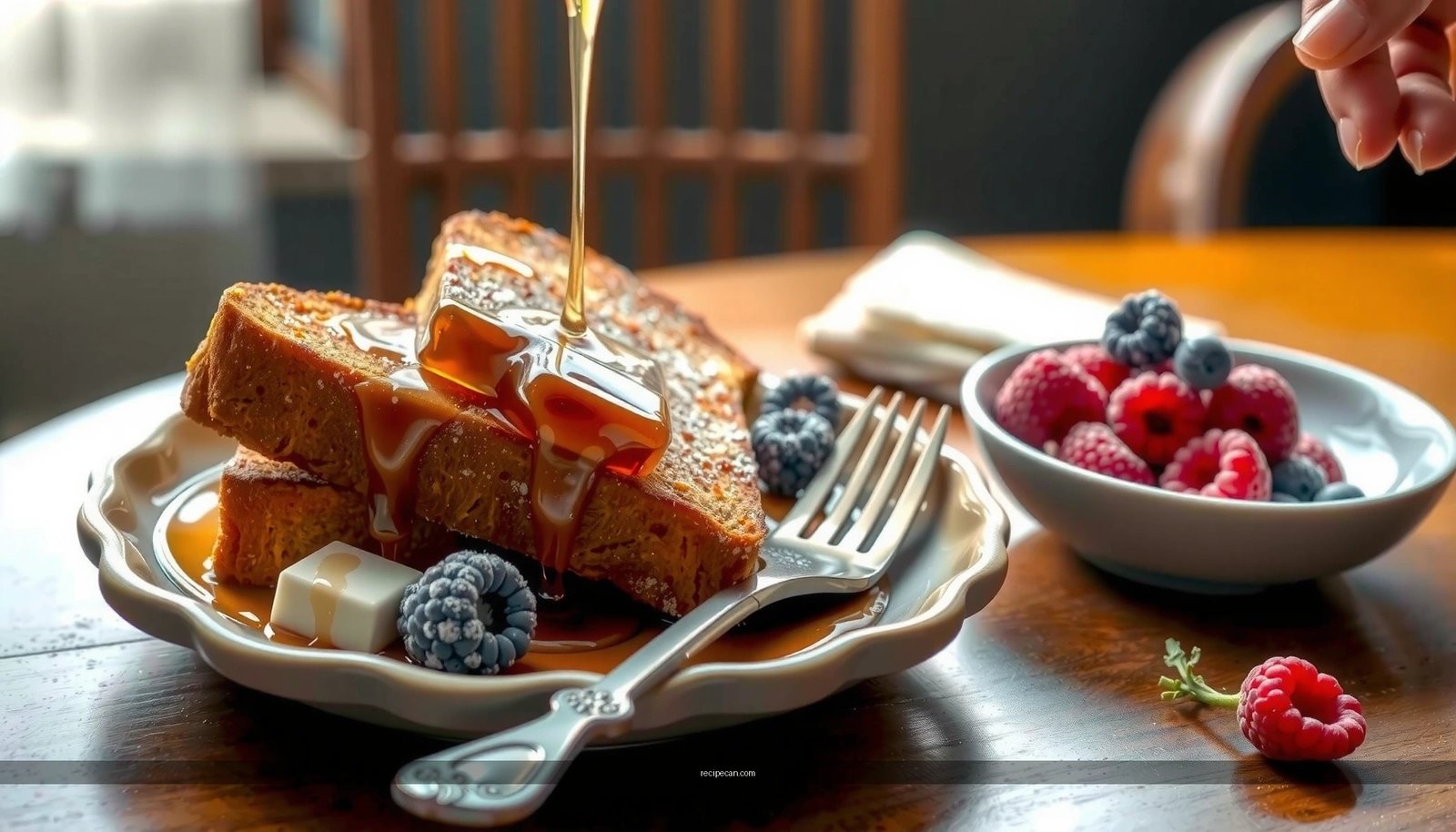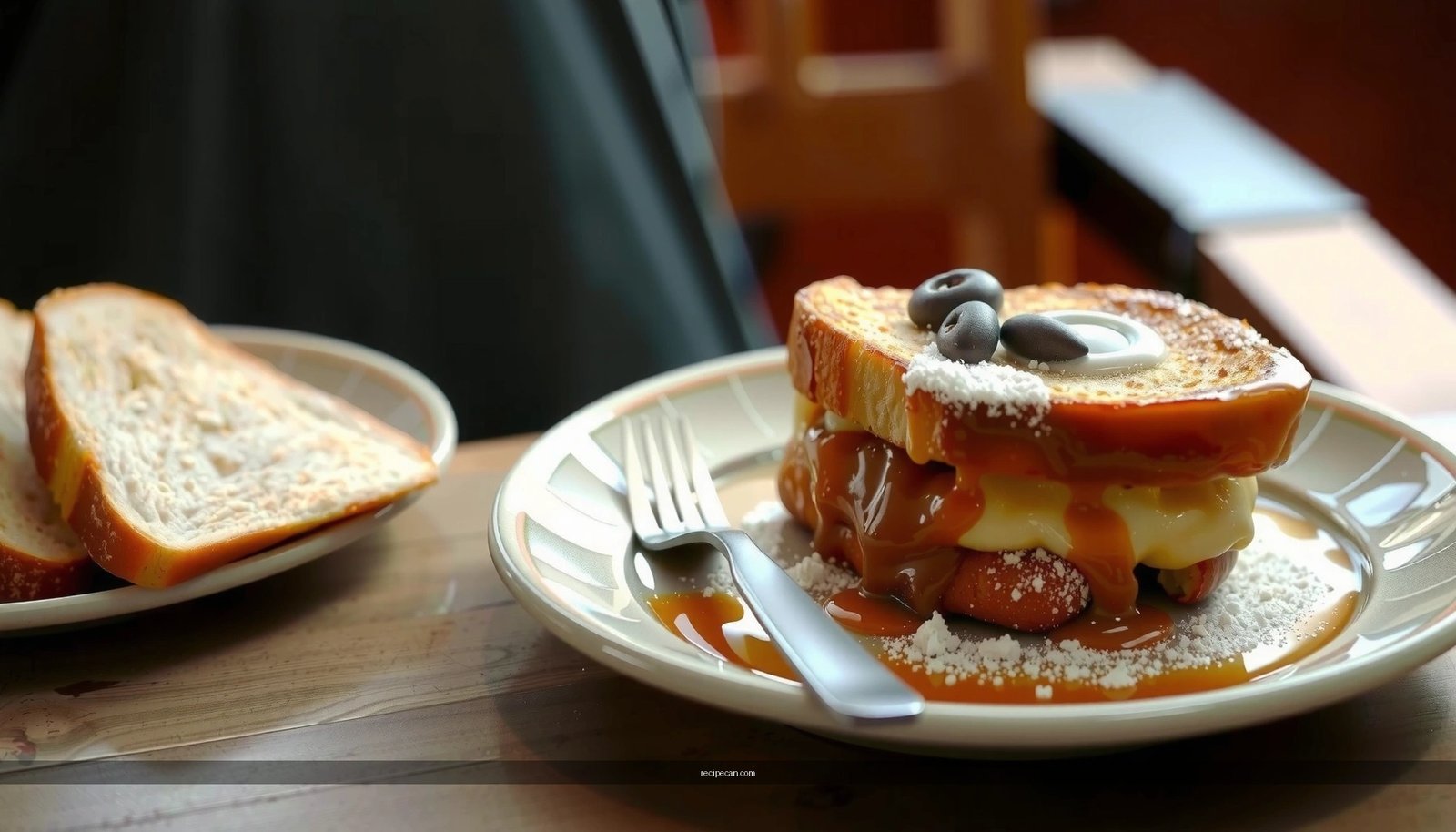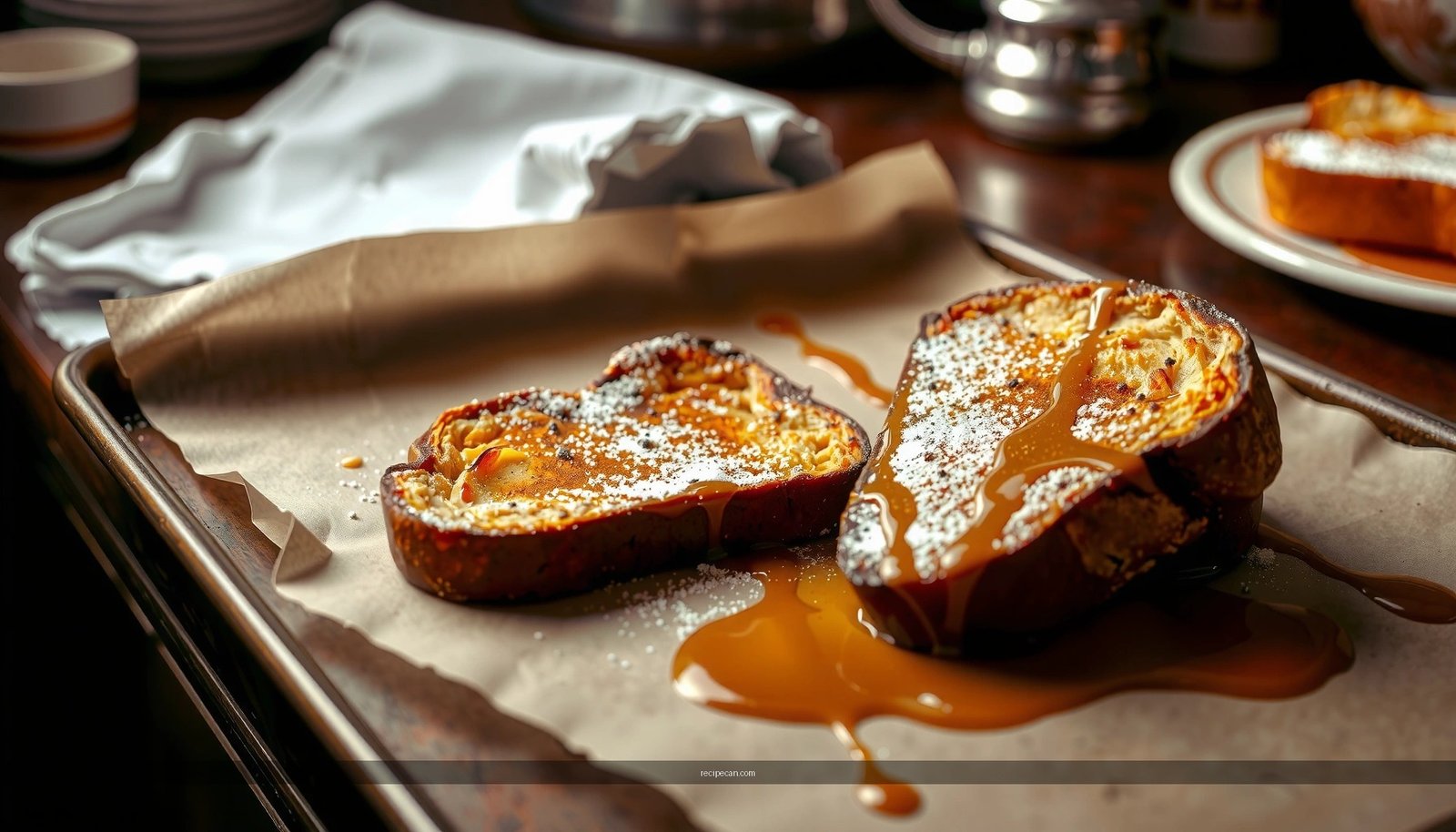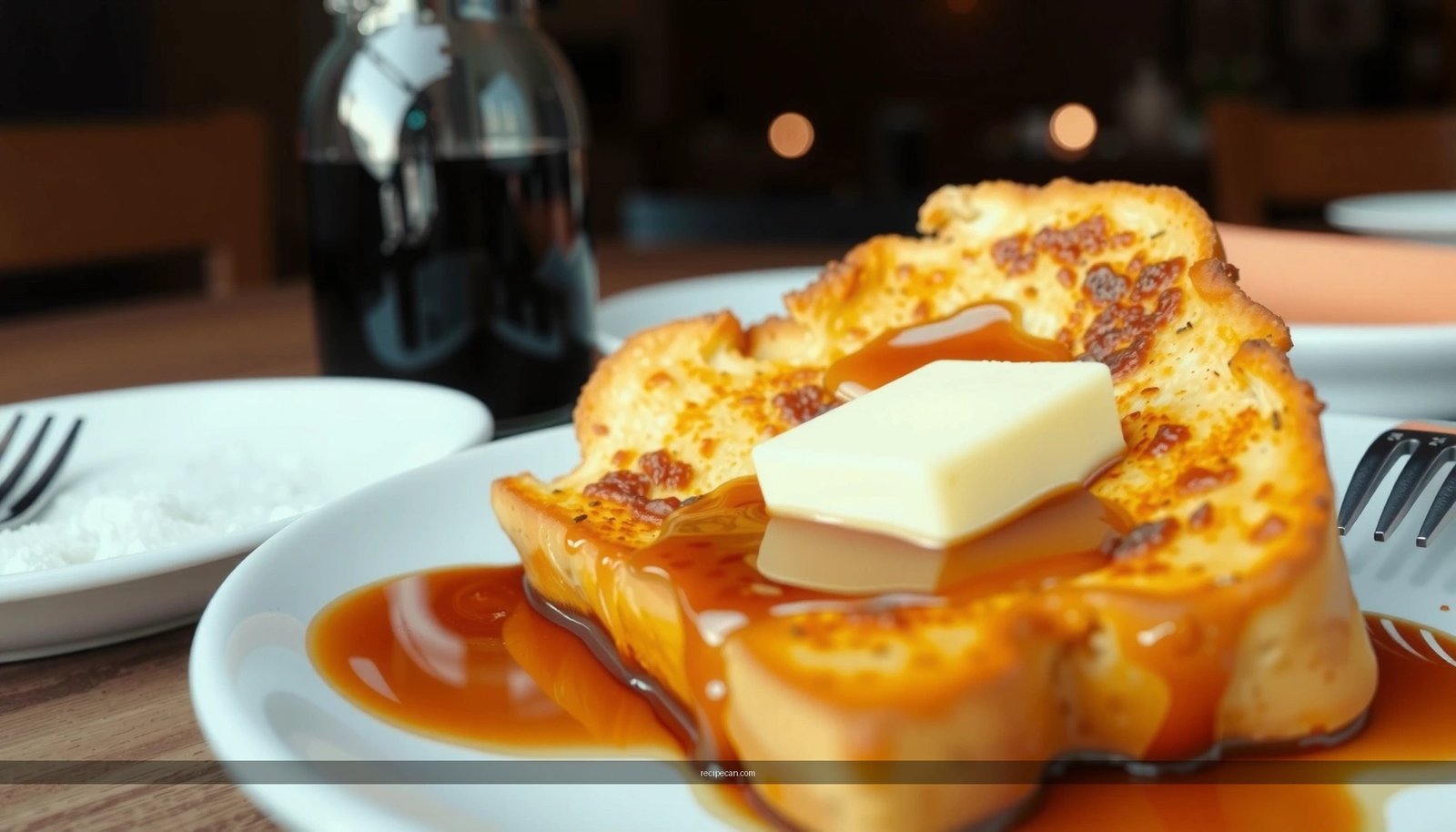
Cracker Barrel French toast recipe that actually tastes like the restaurant—here’s the easy copycat method that delivers thick, custardy slices with a golden, cinnamon-sweet finish. This answers the real question: how to make Cracker Barrel-style French toast at home without complicated steps or specialty ingredients. If you want the quickest path to that signature breakfast flavor, follow this recipe.
Cracker Barrel French toast is all about a simple custard soak (eggs, milk, vanilla, and warm cinnamon) followed by fast cooking until the outside turns golden while the center stays thick and custardy. With the right bread thickness, a brief soak, and a preheated pan, you can recreate that signature sweet-spiced bite at home—no special equipment required.
Ingredients for Cracker Barrel French Toast
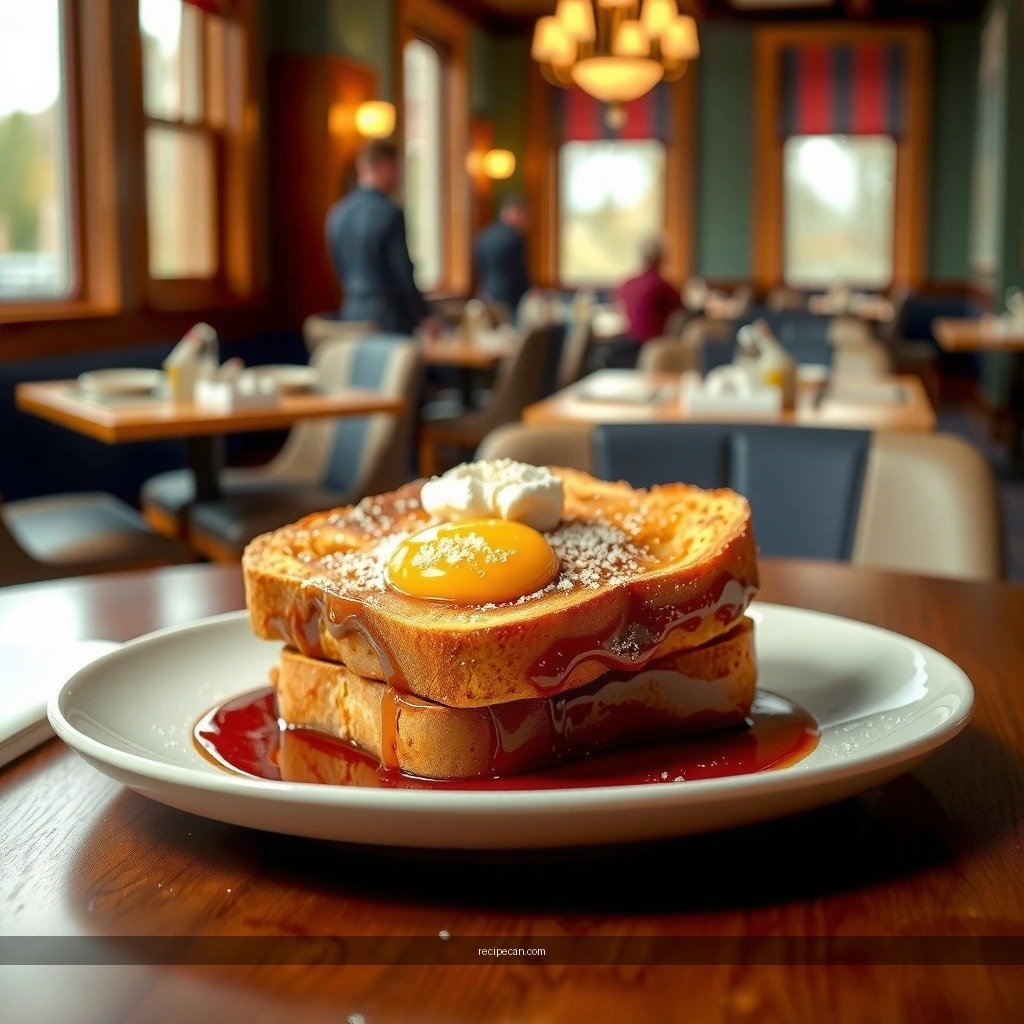
– Bread, eggs, milk, and vanilla as the base for a rich custard
– Cinnamon and sugar to match the classic sweet–spiced flavor
To nail a true “copycat” result, focus on balancing two things: (1) custard flavor density and (2) structure so the toast doesn’t collapse into soggy bread. Cracker Barrel–style French toast is typically made with thick slices that can hold custard in the center while crisping at the edges.
Core ingredients (custard and soak)
– Thick-cut bread (brioche, challah, Texas toast-style, or a sturdy egg bread)
– Eggs (bind and create that classic creamy custard texture)
– Milk (adds smoothness; whole milk is best for richness)
– Vanilla extract (rounds out the sweetness)
– Ground cinnamon
– Granulated sugar (sweetens and helps the exterior brown)
Optional but helpful
– Pinch of salt (makes the sweetness taste more “bakery-like”)
– Butter or neutral oil for cooking (for browning and release)
– Maple syrup, butter, and fruit for serving (classic breakfast plate finish)
Bread choice matters more than people think
The most common reason homemade French toast fails to match restaurant texture is using bread that’s too thin, too airy, or too delicate. Thick, sturdy bread gives you a custardy interior without turning gummy.
Best Bread Thickness & Soak Targets for French Toast Texture
| # | Bread type | Target slice thickness | Ideal soak time | Texture fit |
|---|---|---|---|---|
| 1 | Brioche | 0.75–1.0 in | 20–35 sec | ★ 5/5 |
| 2 | Challah | 0.75–1.0 in | 20–35 sec | ★ 5/5 |
| 3 | Texas toast-style white bread | 0.6–0.9 in | 25–45 sec | ★ 4/5 |
| 4 | Whole wheat egg bread | 0.7–1.0 in | 20–40 sec | ★ 4/5 |
| 5 | Sourdough | 0.75–1.0 in | 30–50 sec | ★ 3/5 |
| 6 | Baguette / rustic loaf | 0.75–1.0 in | 40–60 sec | ★ 2/5 |
| 7 | Sandwich bread (standard white) | 0.4–0.6 in | 10–20 sec | ★ 2/5 |
How to Make the French Toast Batter
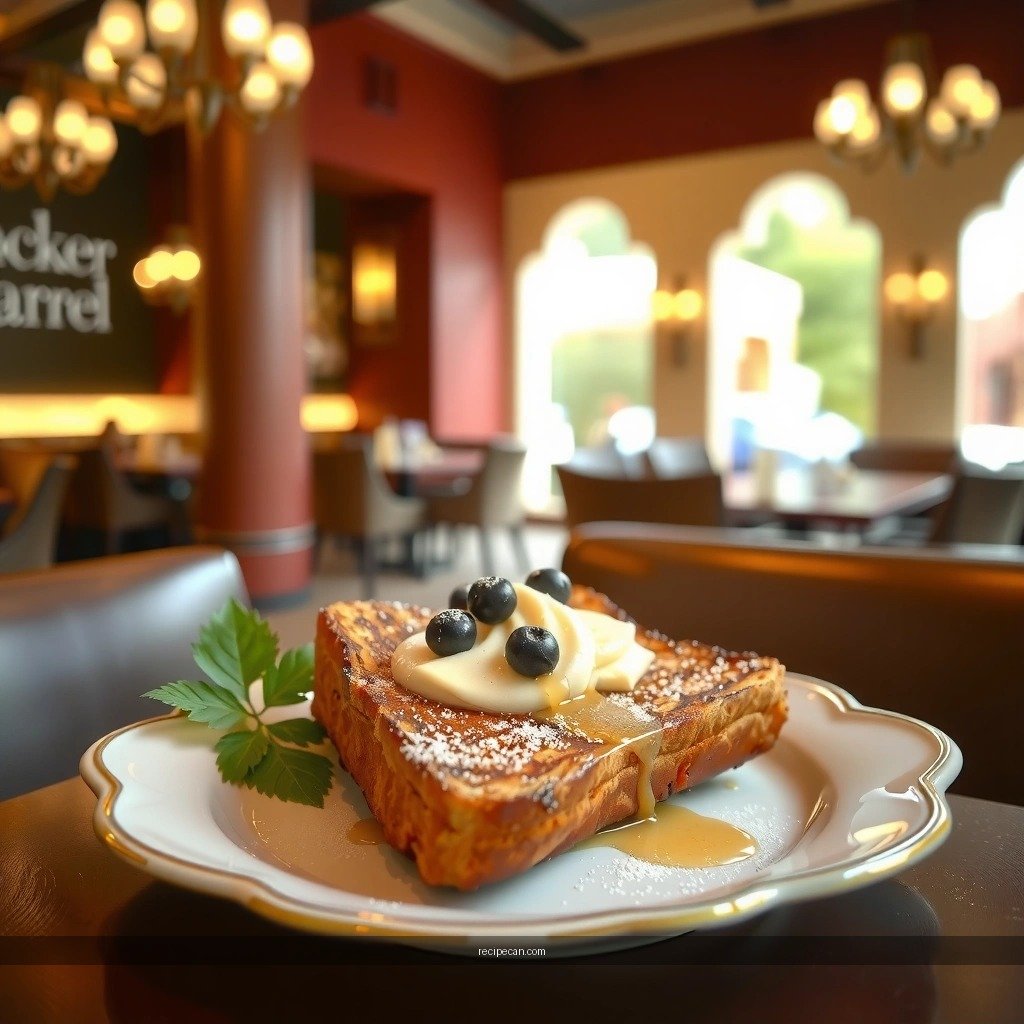
– Whisk eggs, milk, vanilla, cinnamon, and sugar until smooth
– Use the right consistency so the bread absorbs flavor without getting soggy
A great French toast batter isn’t complicated—but it must be well whisked and properly balanced. If the batter is too thin, the bread absorbs too quickly and ends up mushy. If it’s too thick, you get bland pockets and uneven flavor.
Batter formula (easy, copycat-friendly)
For a standard batch (about 4 servings), whisk together:
– 3 large eggs
– 1 cup milk (whole milk recommended)
– 1 tsp vanilla extract
– 1–2 tsp ground cinnamon (to taste; start with 1.5 tsp)
– 2–4 tbsp sugar (aim for “sweet-spiced,” not candy-sweet—often about 3 tbsp works well)
– Pinch of salt (optional but improves flavor clarity)
The consistency test (what “right” looks like)
– The batter should look like a thin custard—you can whisk it until it’s uniform, with no visible egg streaks.
– When you dip a finger or spoon in, it should coat lightly and then flow rather than cling like pudding.
Professional soaking logic: flavor penetration vs. saturation
Even before you cook, you’re managing two transfers:
1. Custard flavor moves into the bread
2. Moisture moves back out during cooking (which creates crispness)
To get that Cracker Barrel-style result, you want flavor penetration without full saturation. That’s why the next step—soaking—matters just as much.
Soak and Cook for the Best Texture
– Soak thick-cut bread briefly for custardy centers and crisp edges
– Cook on a preheated pan until golden brown, flipping carefully
This is where copycat French toast is won or lost. The batter is only half the equation; the pan temperature and soak time determine whether you get custardy centers or wet bread.
Soaking: brief, even, and controlled
– Use thick-cut bread (ideally 3/4–1 inch).
– Dip each side for about 20–35 seconds for rich breads like brioche/challah.
– If your bread is very dense or rustic, extend to 30–50 seconds, but don’t leave it soaking long enough that it becomes fragile.
Key technique: let excess batter drip off for a few seconds before it hits the pan. This prevents pooling and helps the exterior crisp.
Cooking: preheat and avoid crowding
– Preheat a skillet or griddle over medium heat.
– Add a small amount of butter (for flavor) or a neutral oil (for stability).
– Cook until you see golden-brown edges and a set surface, then flip carefully.
Timing guideline
– Typically 3–5 minutes per side, depending on thickness and heat level.
– If browning is happening too fast, lower the heat slightly; burnt outside + raw inside defeats the custardy goal.
Flip once (or at most twice)
Repeated flipping cools the surface and disrupts crust formation. Once the first side is set and browned, flip confidently and let it finish.
Don’t forget the “rest” window
After cooking, give the French toast 30–60 seconds on a plate before serving. This allows excess surface moisture to redistribute so the center stays tender without turning runny.
Toppings and Serving Ideas
– Serve with maple syrup, butter, or warm fruit for a classic breakfast plate
– Optional: add powdered sugar or a cinnamon crumble for extra sweetness
Cracker Barrel French toast is typically served as a warm, sweet centerpiece with toppings that enhance—rather than overwhelm—the cinnamon-vanilla custard.
Classic topping combinations (best match)
– Warm maple syrup + butter
– Maple syrup adds the signature sweetness while butter deepens richness.
– Sautéed apples or berries
– Warm fruit offers acidity and moisture that balance the custard’s richness.
– Brown sugar + cinnamon dusting
– Ideal if you want a more caramelized edge without changing the base recipe.
Upgrade options without losing authenticity
– Powdered sugar (light dusting only)
– Use it like a finish, not as a substitute for syrup.
– Cinnamon crumble
– Stir quick topping by combining: flour, brown sugar, butter, cinnamon and toast it briefly in a pan.
– Greek yogurt or whipped cream
– Works well if you prefer a lighter mouthfeel—just keep portions moderate.
Serving strategy for best texture
Serve immediately after the toast rests. If you hold it too long, the edges soften. If you need to cook for a group, keep finished slices warm in a low oven (about 200°F/95°C) on a rack so steam doesn’t make them soggy.
Troubleshooting Common Issues
– If it’s soggy, shorten soaking time and cook on slightly higher heat
– If it’s too dry, use thicker bread and ensure proper custard coverage
Even with the right recipe, French toast can drift. Here’s how to diagnose problems quickly.
Problem: Soggy or gummy center
Likely causes
– Bread soaked too long
– Pan heat too low
– Batter pooled on the surface (excess batter didn’t drip off)
Fixes
– Shorten soaking by 10–15 seconds per side
– Increase heat slightly to help moisture evaporate faster
– Drain excess batter before cooking
Problem: Dry, tight texture
Likely causes
– Bread too thin or too dry
– Custard coverage wasn’t complete
– Heat too high causing rapid crusting without custard set
Fixes
– Use thicker bread
– Ensure full immersion and flip halfway through the soak
– Lower heat slightly so it browns gradually while setting inside
Problem: Uneven browning
Likely causes
– Skillet not fully preheated
– Hot spots on the pan
– Overcrowding
Fixes
– Preheat longer
– Cook in batches
– Use a skillet/griddle with even heat distribution
Problem: Bland flavor
Likely causes
– Not enough cinnamon or sugar
– Batter diluted (too much milk)
Fixes
– Add a small amount of cinnamon and sugar to the batter
– Taste before soaking—batter should taste like “sweet custard,” not plain eggs
Storage and Reheating Tips
– Store leftovers in an airtight container in the fridge
– Reheat in a toaster oven or skillet to keep the outside crisp
French toast reheats well when you focus on surface crispness. Microwaving alone often steams it and softens the crust.
Storage
– Cool completely first (prevents condensation).
– Store in an airtight container in the refrigerator for up to 3 days.
Best reheating methods
– Toaster oven (recommended): reheats while restoring crispness
– Heat at 325°F / 160°C for about 6–10 minutes, depending on thickness.
– Skillet: re-crisps the exterior quickly
– Use medium-low heat and warm for 1–2 minutes per side.
– Avoid soaking: don’t add syrup until serving; it can make leftovers soggy.
Freezing (optional)
If you cook ahead:
– Freeze cooled slices in a single layer, then bag them.
– Reheat directly from frozen in a toaster oven to restore texture.
Enjoy your homemade Cracker Barrel-style French toast by using the soaking and cooking tips above for that golden, custardy bite. Make it for your next weekend breakfast—then try different toppings to find your favorite combination.
In the end, the “Cracker Barrel” effect comes from three controllable variables: custard batter balance, brief soaking for custardy centers, and proper heat management for golden crisp edges. Use thick bread, whisk the batter thoroughly, cook on a well-preheated pan, and finish with classic toppings like maple syrup and fruit to replicate that sweet, cinnamon-forward comfort breakfast right at home.
Frequently Asked Questions
What is the best Cracker Barrel French toast recipe style and what ingredients do I need?
Cracker Barrel French toast is known for its rich, custardy bread dip and a sweet, warm finish. For a close copy at home, use thick-cut bread (brioche or Texas toast), eggs, milk or half-and-half, vanilla, cinnamon, and a pinch of salt. Many home versions also add a little sugar and consider soaking the bread well so the French toast bakes up tender inside.
How do I make Cracker Barrel-style French toast without it getting soggy?
To avoid sogginess, soak the bread just long enough to coat—about 20 to 30 seconds per side for thick slices—rather than letting it soak until it falls apart. Cook on medium heat so the outside browns before the inside turns gummy, and use enough butter or cooking spray to promote a crisp, golden crust. Let the French toast rest briefly on a wire rack so steam escapes and texture stays fluffy.
Which bread is best for a Cracker Barrel French toast recipe—brioche, sourdough, or Texas toast?
The best bread is something thick and sturdy that can absorb the egg mixture while still holding its shape, such as brioche or Texas toast. Brioche delivers a rich, buttery flavor similar to restaurant-style French toast, while Texas toast helps achieve a hearty, custard-like center. Sourdough can work but may be tangier and require shorter soaking to prevent a too-soft interior.
Why does Cracker Barrel French toast taste so flavorful, and how can I replicate that at home?
That classic flavor comes from a well-balanced custard dip—vanilla, cinnamon, and salt—plus careful cooking that develops caramelized edges. For extra depth, whisk the eggs and milk thoroughly and let the batter sit a minute so the flavors meld. Cooking in butter (or a butter-and-oil combo) also boosts browning and makes the crust taste closer to the original French toast.
How do I store and reheat Cracker Barrel French toast so it stays crisp and delicious?
Cool leftover French toast completely, then store in an airtight container in the refrigerator for up to 3 days. Reheat in a toaster oven, oven, or skillet over medium heat rather than microwaving, which can make the bread soft or rubbery. For best results, warm until hot throughout and lightly re-crisp the outside, which helps preserve the texture of your Cracker Barrel French toast recipe.
References
- Google Scholar Google Scholar
https://scholar.google.com/scholar?q=cracker+barrel+french+toast+recipe - Google Scholar Google Scholar
https://scholar.google.com/scholar?q=french+toast+recipe+egg+custard+bread+ratio - Google Scholar Google Scholar
https://scholar.google.com/scholar?q=restaurant+french+toast+technique+egg+custard+frying - French toast
https://en.wikipedia.org/wiki/French_toast - https://www.britannica.com/topic/French-toast
https://www.britannica.com/topic/French-toast - Custard
https://en.wikipedia.org/wiki/Custard - https://www.fsis.usda.gov/food-safety/safe-food-handling-and-preparation/eggs
https://www.fsis.usda.gov/food-safety/safe-food-handling-and-preparation/eggs - https://www.cdc.gov/foodsafety/communication/salmonella.html
https://www.cdc.gov/foodsafety/communication/salmonella.html - https://pubmed.ncbi.nlm.nih.gov/?term=salmonella+eggs+food+poisoning
https://pubmed.ncbi.nlm.nih.gov/?term=salmonella+eggs+food+poisoning - Food safety
https://www.who.int/news-room/fact-sheets/detail/food-safety