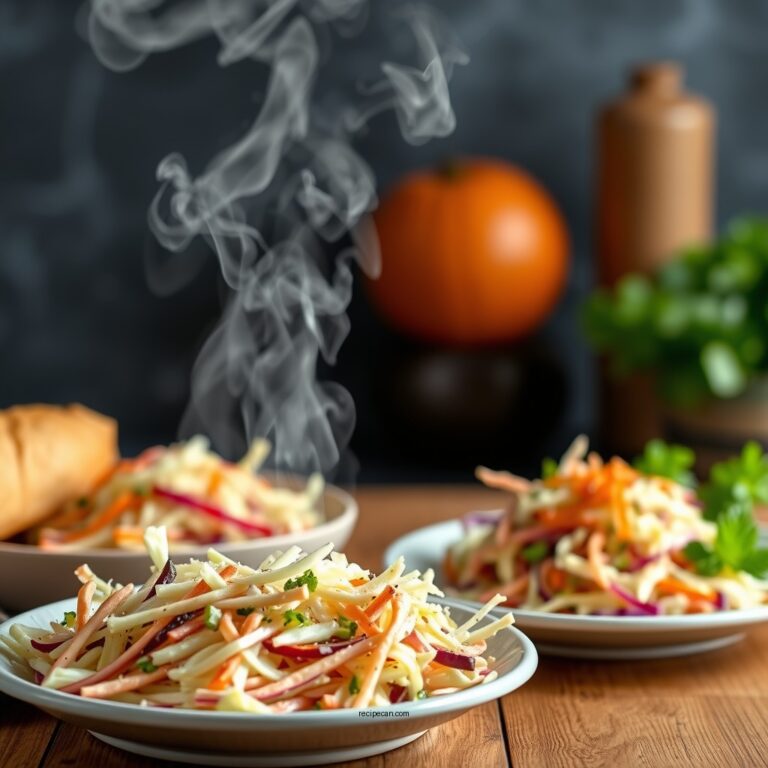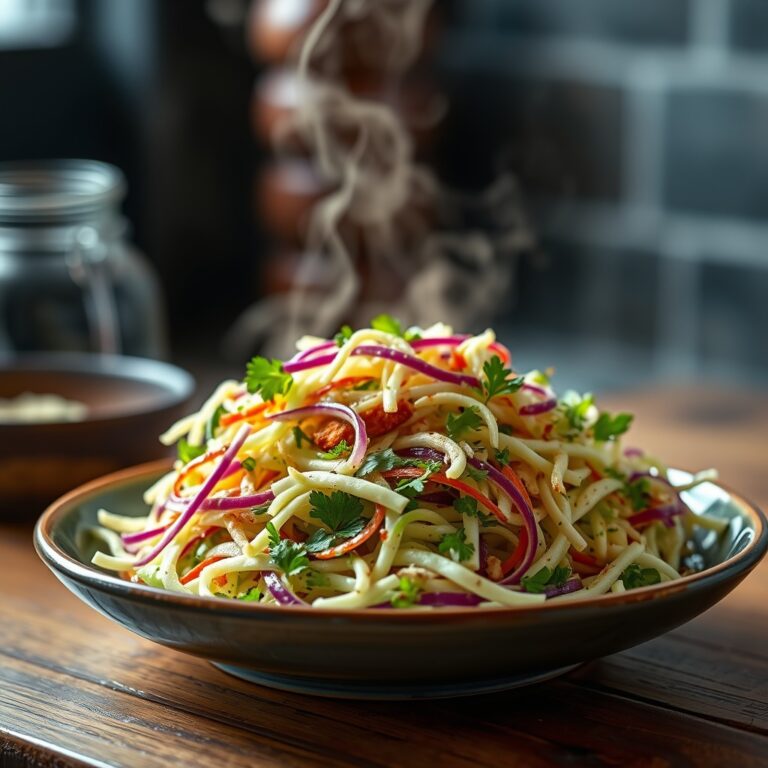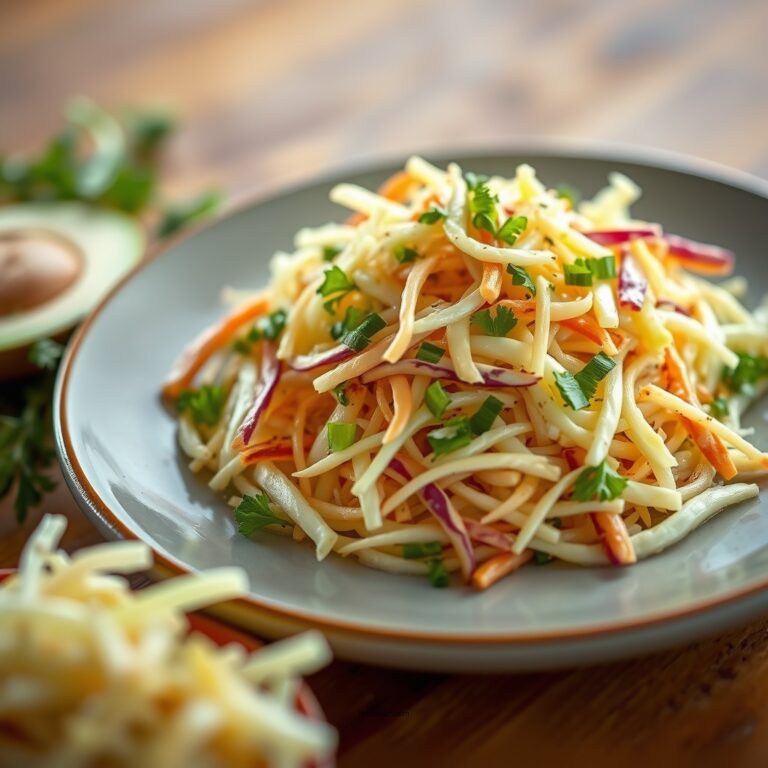
Making coleslaw without mayonnaise is not only possible but can result in a refreshing and flavorful dish that everyone will love. By substituting traditional mayonnaise with healthier alternatives, you can enjoy a coleslaw that is both tasty and light. In this article, you’ll discover simple recipes, creative variations, and tips for preparing and serving coleslaw that will surely impress your guests at your next gathering.
The Best Base Ingredients for Coleslaw

To create a delightful coleslaw, it all begins with selecting the right base ingredients. Fresh, crunchy vegetables are essential, as they provide both texture and flavor. The classic combination of green cabbage and carrots forms a solid foundation for your coleslaw. Green cabbage offers a crisp texture, while carrots add a touch of sweetness and vibrant color.
For an even more colorful mix, consider incorporating red cabbage, which not only enhances the visual appeal but also adds a slightly different flavor profile. Other vegetables can also be included for added flavor and texture. For example, bell peppers can introduce a sweet crunch, while radishes offer a peppery bite. You can also experiment with broccoli stems or sliced snap peas for a unique twist. The key is to ensure that all vegetables are fresh and cut uniformly to promote even distribution in your coleslaw.
Flavorful Alternatives to Mayonnaise
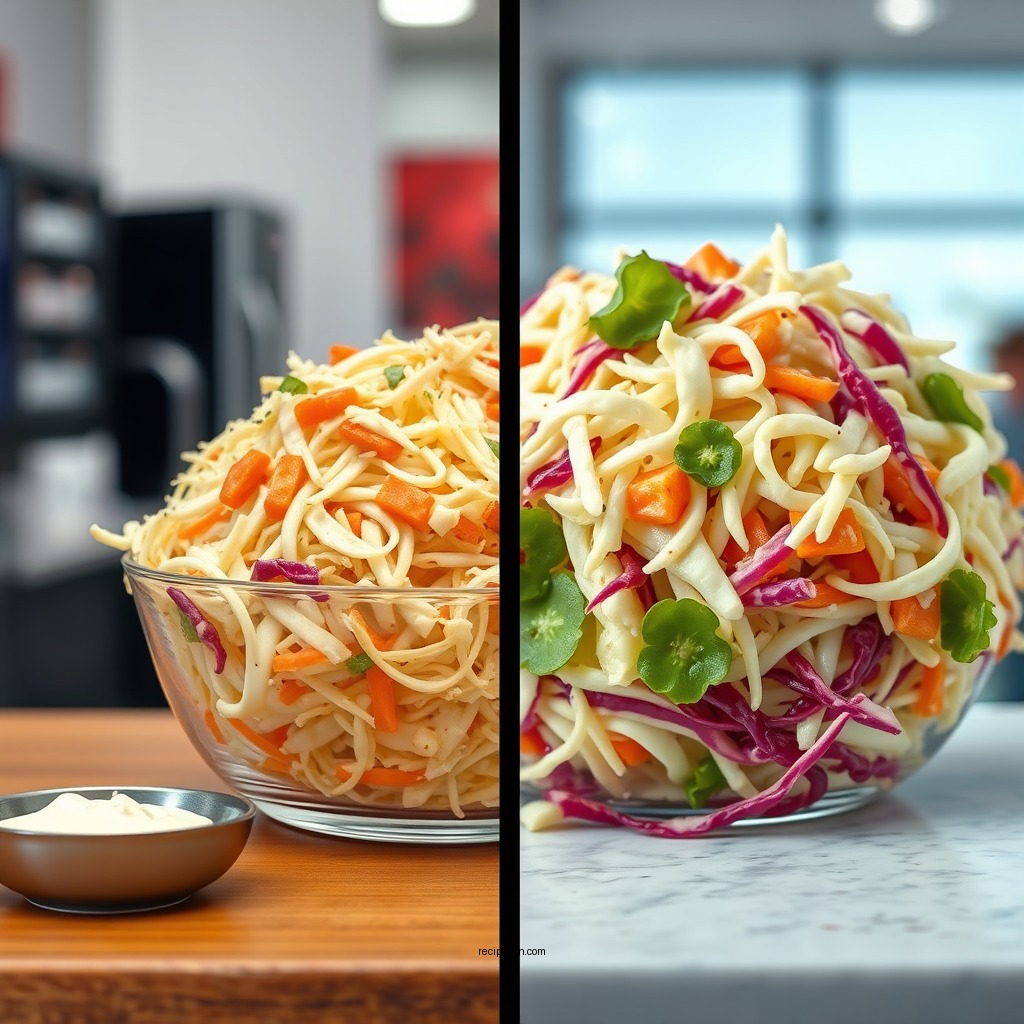
When it comes to replacing mayonnaise, there are numerous flavorful alternatives that can enhance your coleslaw without the heaviness of traditional dressing. Greek yogurt is a fantastic option, providing creaminess while being lower in calories and fat. It also adds a protein boost, making your dish more nutritious. Sour cream is another rich alternative that can deliver that creamy texture while adding a tangy flavor.
If you’re seeking a lighter option, vinaigrettes made from olive oil, vinegar, and fresh herbs are an excellent choice. A simple mixture of apple cider vinegar, olive oil, and herbs like dill or parsley can create a refreshing dressing that complements the crunch of the vegetables beautifully. You can also add mustard or citrus juices for an additional zesty kick. The versatility of these alternatives allows you to customize your coleslaw dressing to suit your palate.
Simple Coleslaw Dressing Recipe
Creating a simple and delicious coleslaw dressing is quick and easy. Here’s a straightforward recipe to get you started:
1. Ingredients:
– 1 cup Greek yogurt or sour cream
– 2 tablespoons apple cider vinegar
– 1 tablespoon honey (or maple syrup for a vegan option)
– Salt and pepper to taste
2. Instructions:
– In a mixing bowl, combine the Greek yogurt or sour cream with the apple cider vinegar.
– Add honey to balance the acidity of the vinegar.
– Season with salt and pepper, adjusting to your personal taste preference.
– Whisk the mixture until smooth and well combined. Feel free to tweak the ingredients as necessary to suit your taste.
This dressing not only tastes great but also keeps the coleslaw light and healthy.
Top Ingredients for Coleslaw Dressings (2024)
| # | Ingredient | Calories per 100g | Fat (g) | Protein (g) |
|---|---|---|---|---|
| 1 | Greek Yogurt | 59 | 0.4 | 10 |
| 2 | Sour Cream | 193 | 20 | 3 |
| 3 | Mayonnaise | 680 | 75 | 1 |
| 4 | Olive Oil | 884 | 100 | 0 |
| 5 | Honey | 304 | 0.0 | 0.3 |
| 6 | Apple Cider Vinegar | 22 | 0.0 | 0.0 |
| 7 | Mustard | 66 | 3.5 | 7 |
Preparing Your Coleslaw
Preparation is key to achieving a well-balanced coleslaw. Start by shredding your selected vegetables into thin, even pieces. A mandoline slicer or a box grater can be particularly helpful for achieving consistent results. Once shredded, place the vegetables into a large mixing bowl.
Next, drizzle your prepared dressing over the shredded vegetables. It’s crucial to mix well to ensure that all ingredients are evenly coated with the dressing. This will allow the flavors to meld beautifully. If you prefer a crunchier texture, consider serving the coleslaw immediately after mixing, but for a more developed flavor, allow it to sit for at least 30 minutes in the refrigerator. This resting period helps the vegetables soften slightly and absorb the dressing.
Tips for Serving and Storing Coleslaw
Serving and storing coleslaw properly is essential to maintain its freshness and flavor. If you’re serving coleslaw at a gathering, it’s best to prepare it a few hours in advance and store it in the refrigerator until ready to serve. This will allow the flavors to come together nicely.
To enhance the taste, consider adding garnishes such as chopped herbs or seeds just before serving. This adds an appealing visual element while introducing additional flavors.
For any leftovers, store them in an airtight container in the refrigerator. Consume within three days to enjoy optimal freshness. Keep in mind that the coleslaw may become softer as it sits, but it will still be delicious.
Creative Additions and Variations
Coleslaw offers endless possibilities for creativity. For a sweet twist, consider adding fruits such as diced apples, pineapple, or even raisins. These additions can provide a delightful contrast to the savory elements of the dish.
You might also want to incorporate nuts or seeds for added crunch and nutritional value. Chopped pecans, walnuts, or sunflower seeds can enhance the texture while contributing healthy fats and protein.
Spices and herbs can also transform your coleslaw from ordinary to extraordinary. Experimenting with flavors such as cilantro, dill, or even a hint of cumin can create a unique profile that excites the palate.
Popular Coleslaw Variations (2024)
Try this easy coleslaw recipe without mayonnaise at your next gathering, and enjoy a fresh, healthier alternative that everyone can appreciate! With a variety of ingredients and flavors to explore, the possibilities are endless. Share your variations or favorite ingredients in the comments below!
Frequently Asked Questions
What are some good alternatives to mayonnaise in coleslaw recipes?
There are several tasty alternatives to mayonnaise for coleslaw, including Greek yogurt, sour cream, or a vinaigrette made from olive oil and vinegar. These options not only provide creaminess but also add a tangy flavor that complements the cabbage and other vegetables. Additionally, using avocado or hummus can create a unique twist while keeping the dish healthy.
How can I make a creamy coleslaw without mayonnaise?
To make a creamy coleslaw without mayonnaise, blend Greek yogurt with a splash of apple cider vinegar, Dijon mustard, and a bit of honey for sweetness. This mixture creates a deliciously creamy dressing that enhances the crunch of the cabbage while keeping it light and nutritious. Simply toss the dressing with your shredded vegetables for a refreshing side dish.
Why should I consider making coleslaw without mayonnaise?
Making coleslaw without mayonnaise is a great option for those looking to reduce calories and fat in their diet, or for individuals with dairy allergies. Additionally, non-mayo coleslaw can be more refreshing, especially in warmer weather, and allows for more diverse flavors using various dressings or spices. It’s a healthier alternative that can still deliver on taste and texture.
What vegetables can I add to coleslaw without mayonnaise for extra flavor?
In addition to traditional cabbage, you can enhance your coleslaw by adding shredded carrots, bell peppers, red onions, or even apples for a sweet crunch. Incorporating fresh herbs like cilantro or parsley can also elevate the flavor profile. Experimenting with different vegetables not only adds color but also boosts the nutritional value of your coleslaw.
Which types of vinegar work best in a coleslaw without mayo recipe?
The best types of vinegar for a coleslaw without mayonnaise are apple cider vinegar, white wine vinegar, or rice vinegar. Each of these options offers a distinct flavor that complements the freshness of the vegetables. Apple cider vinegar adds a fruity tang, while rice vinegar provides a milder sweetness, making them ideal for creating a balanced dressing in your coleslaw.
References
- Coleslaw
https://en.wikipedia.org/wiki/Coleslaw - https://www.ncbi.nlm.nih.gov/pmc/articles/PMC6371391/
https://www.ncbi.nlm.nih.gov/pmc/articles/PMC6371391/ - https://www.mayoclinic.org/healthy-lifestyle/nutrition-and-healthy-eating/in-depth/vegetables/art-20046038
https://www.mayoclinic.org/healthy-lifestyle/nutrition-and-healthy-eating/in-depth/vegetables/art-20046038 - https://www.cdc.gov/nutrition/about-nutrition/vegetables.html
https://www.cdc.gov/nutrition/about-nutrition/vegetables.html - https://www.healthline.com/nutrition/coleslaw-recipe
https://www.healthline.com/nutrition/coleslaw-recipe - https://www.sciencedirect.com/topics/food-science/coleslaw
https://www.sciencedirect.com/topics/food-science/coleslaw - Google Scholar Google Scholar
https://scholar.google.com/scholar?q=coleslaw+without+mayonnaise+recipe - Google Scholar Google Scholar
https://scholar.google.com/scholar?q=healthy+coleslaw+recipes - Google Scholar Google Scholar
https://scholar.google.com/scholar?q=vegetable+salads+without+mayonnaise - coleslaw without mayonnaise recipe – Search results
https://en.wikipedia.org/wiki/Special:Search?search=coleslaw+without+mayonnaise+recipe