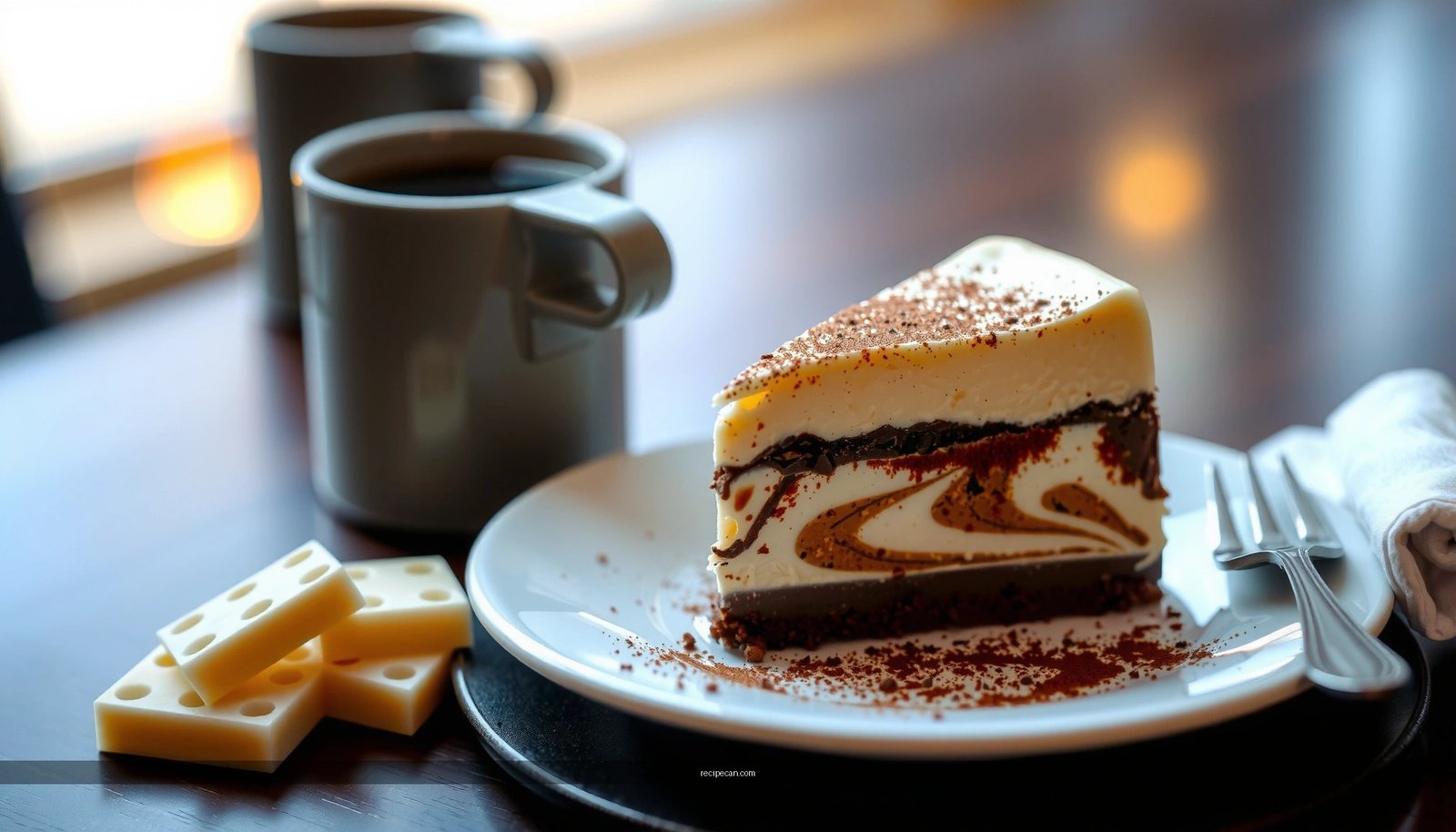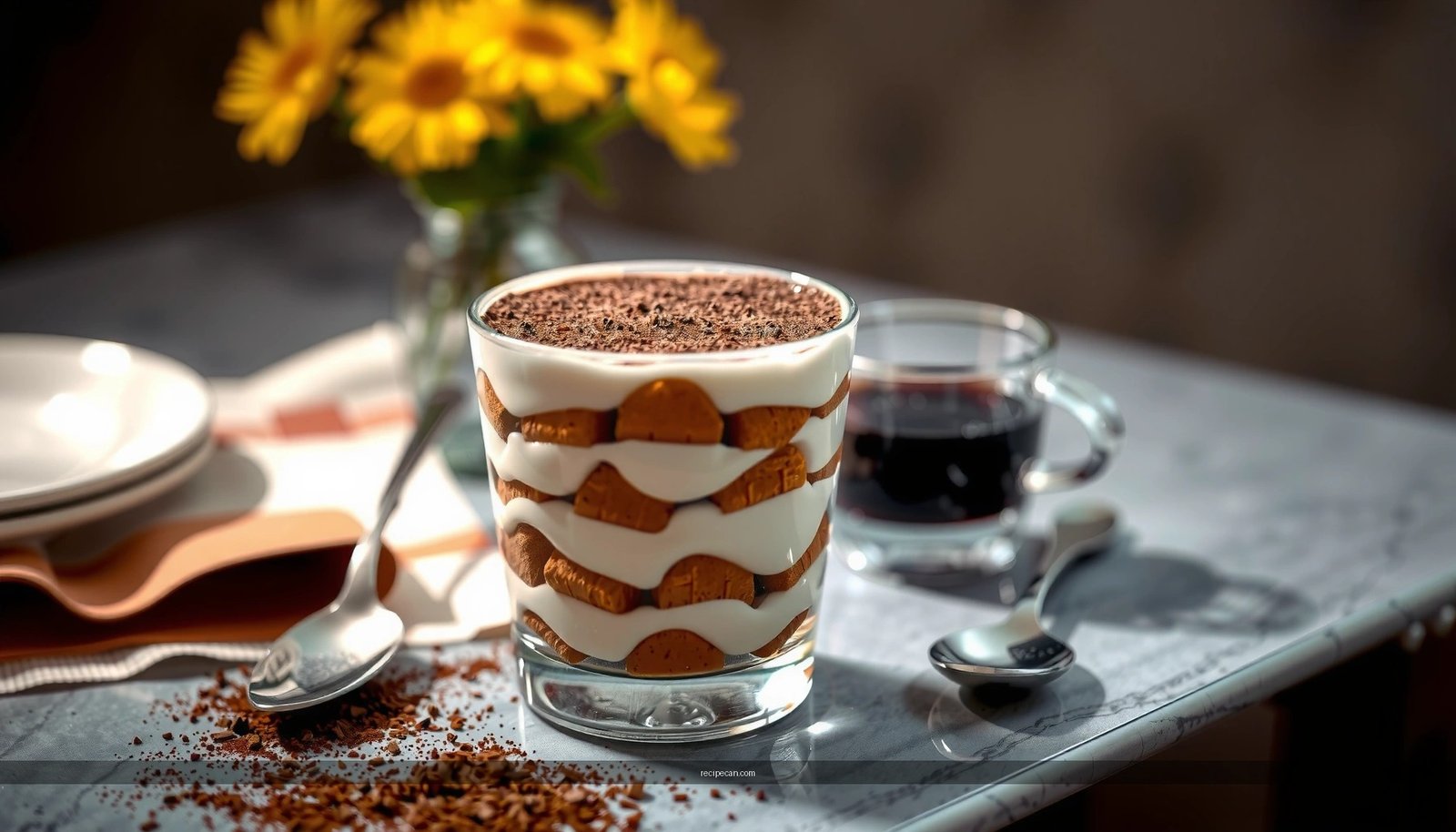
Looking for a classic Italian tiramisu recipe you can make at home without fuss? This step-by-step guide delivers a clear winner: the traditional layered tiramisu with espresso-soaked ladyfingers and a rich mascarpone cream that sets beautifully. By the end, you’ll know exactly how to assemble it, chill it, and serve it so every slice tastes like the real thing.
Make classic Italian tiramisu by layering espresso-soaked ladyfingers with a mascarpone cream, then chilling until it sets—this is what delivers the signature “creamy but sliceable” texture. The key is twofold: quick espresso dips to avoid sogginess, and a gentle, thorough cream build that stays smooth and airy even after refrigeration.
Classic Italian Tiramisu Ingredients
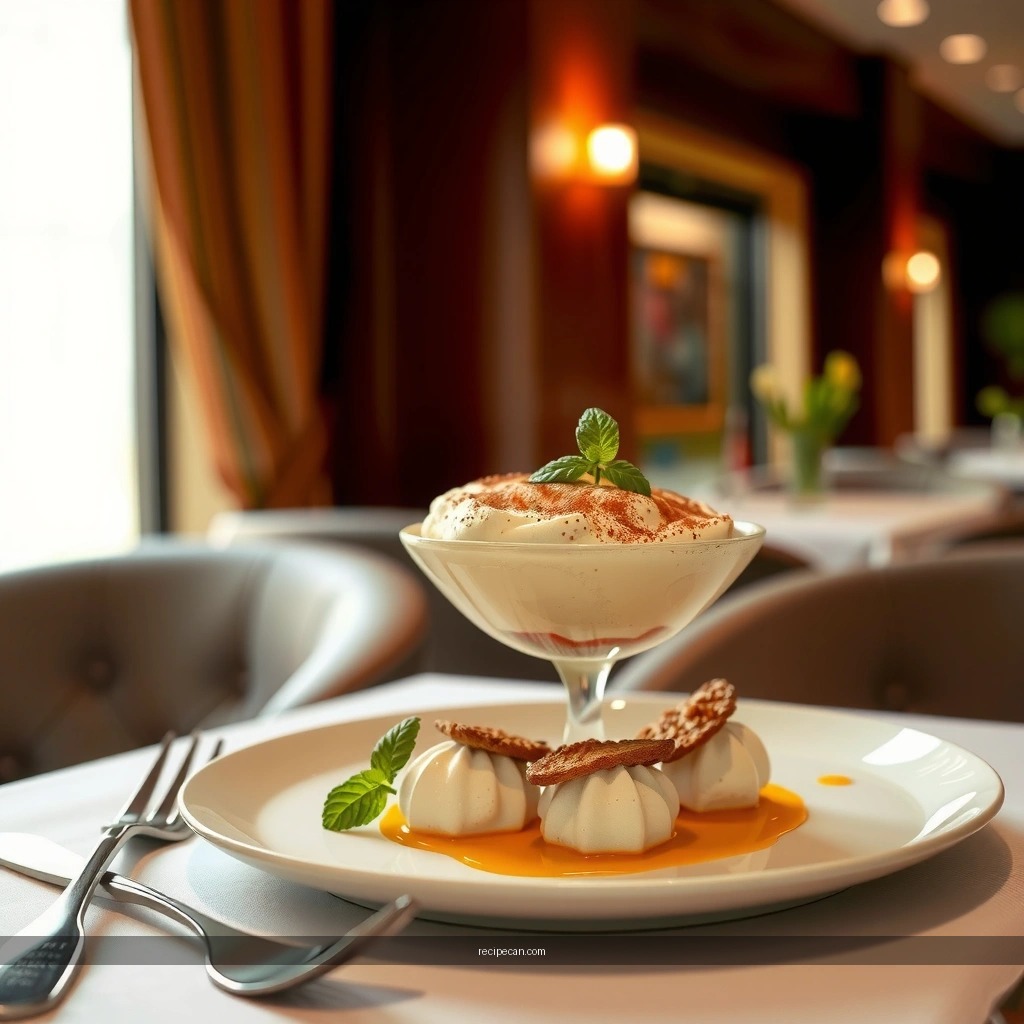
– Use mascarpone, eggs, sugar, espresso, and ladyfingers for the authentic base
– Choose strong espresso or brewed coffee for the best flavor
Classic tiramisu is built on a small set of ingredients, but each one has a specific job in the final experience—so when you swap or substitute, do it intentionally rather than casually.
1) Mascarpone (the creamy backbone)
Mascarpone is a rich, high-fat Italian cream cheese with a delicate sweetness. It should be cold when you start mixing; cold mascarpone holds structure better and reduces the risk of a loose or grainy cream.
2) Eggs (for emulsion and lift)
Traditional tiramisu uses egg yolks and egg whites:
– Yolks mixed with sugar create a glossy, thick base.
– Whipped whites add lightness and help the dessert hold a “cloud-like” texture after chilling.
3) Sugar (balance, not just sweetness)
Sugar dissolves into the yolks and supports the mascarpone’s creamy mouthfeel. If you reduce sugar too aggressively, the cream can taste sharper and feel less rounded.
4) Espresso or strong brewed coffee (the flavor engine)
Coffee isn’t a garnish here—it’s the defining contrast to the mascarpone. Use a coffee with bold bitterness and aromatic depth, not weak or watery brew.
5) Ladyfingers (for structure and soak control)
Ladyfingers (savoiardi) are sponge-like and porous. They’re designed to absorb liquid, but timing matters: too long and they collapse into a watery layer; too short and they don’t taste “coffee-forward.”
To help you choose coffee realistically, here’s a practical comparison of common options and how reliably they perform in classic tiramisu.
Coffee Choices for Tiramisù: Flavor Reliability & Best Use
| # | Coffee Option | Typical Strength | Soak Friendliness | Flavor Match | Tiramisu Reliability |
|---|---|---|---|---|---|
| 1 | Single-shot Espresso | High | Excellent | Traditional | ★★★★★ |
| 2 | Ristretto | Very High | Very Good | Deep & bold | ★★★★☆ |
| 3 | Moka Pot Espresso | High | Good | Bold, slightly rustic | ★★★★☆ |
| 4 | Strong Drip Coffee | Medium-High | Good | Close to classic | ★★★☆☆ |
| 5 | Cold Brew (Concentrate) | Medium-High | Excellent | Smoother bitterness | ★★★☆☆ |
| 6 | Decaf Espresso | Medium | Good | Less punch | ★★☆☆☆ |
| 7 | Weak/Light Roast Drip | Low | Good, but dilute | Underwhelming | ★☆☆☆☆ |
Practical takeaway: If you want “classic Italian tiramisu flavor and texture,” choose high-strength espresso, ristretto, or moka-pot style coffee. They deliver the bold coffee profile that balances the mascarpone.
Make the Mascarpone Cream

– Whisk egg yolks with sugar until smooth, then fold in mascarpone
– Whip egg whites separately and fold in gently for a light, airy texture
The mascarpone cream is where most amateur tiramisu attempts either succeed beautifully—or turn grainy or heavy. The goal is a stable emulsion (yolks + sugar + mascarpone) and then controlled aeration (folded whites).
Step-by-step cream method
1. Separate eggs cleanly.
Any yolk in the whites can reduce whipping volume. Use cold eggs for better control, but let whites sit briefly at room temp if they’re too cold to whip well.
2. Whisk yolks with sugar until smooth and slightly lighter.
This step dissolves sugar and builds a smoother base. Don’t rush: lumps of sugar will feel gritty later, even after chilling.
3. Fold mascarpone into the yolk mixture.
Add mascarpone gradually and mix just until uniform. Overmixing can break the texture and introduce stiffness.
4. Whip egg whites to soft peaks.
You want peaks that hold their shape but still look glossy and tender. Overwhipped whites can become dry and grainy.
5. Fold whites into mascarpone gently—no rushing.
Use a spatula and incorporate from the bottom up. Folding protects the foam structure that gives tiramisu its classic lightness.
Why “gentle folding” matters analytically
Whites contain bubbles; bubbles provide volume and softness. Vigorous stirring collapses bubbles, creating:
– a dense cream,
– a less elegant mouthfeel,
– and sometimes a curdled or uneven texture after chilling.
A professional workflow is to think of folding as “integration,” not “mixing.” Stop as soon as the color and texture are consistent.
Assemble the Tiramisu Layers

– Quickly dip ladyfingers in espresso so they soak without getting soggy
– Layer ladyfingers and cream, repeating until your dish is filled
Assembly is simple in theory, but the technique is precise. The right tiramisu has distinct layers and a creamy interior—not a soaked cake.
How to dip ladyfingers (the controlled-soak rule)
– Dip quickly (about 1 second per side).
– Move immediately to the baking dish.
– If your espresso is warm, it can over-soften quickly—so allow coffee to cool slightly before dipping.
The goal is to wet the surface and edge structure so the ladyfingers become flavorful, not mushy.
Layering approach that consistently holds shape
1. Start with a cream base layer.
This prevents ladyfingers from sticking and creates a buffer that stabilizes the bottom.
2. Add one layer of dipped ladyfingers.
Arrange them snugly, covering the surface.
3. Add cream, then repeat.
Finish with cream on top so the final dusting of cocoa sits on a smooth surface.
4. Level the top carefully.
Use an offset spatula for an even finish; it makes slicing and serving noticeably better.
Example build for a typical home dish
For a standard 9×13-inch dish (or similar), you’ll usually do two to three ladyfinger layers, depending on how tall your cream is. If your dish is smaller (like 8×8), keep layer thickness consistent—thin, even layers chill more uniformly.
Chill for the Best Texture
– Refrigerate for at least 4–6 hours (overnight is best)
– Let it fully set so the layers hold their shape
Chilling is not optional if you want classic texture. Overnight refrigeration allows the cream to fully hydrate the ladyfingers and helps the dessert “set” so it slices cleanly.
What chilling actually does
– Flavor diffusion: coffee and cocoa notes mellow and integrate.
– Structural set: mascarpone cream firms slightly in the cold, helping layers remain distinct.
– Moisture balance: the ladyfingers absorb enough liquid to be tender without turning watery.
Recommended timing
– Minimum: 4–6 hours in the fridge
– Best: overnight (8–12 hours)
Serving workflow
If serving later the same day, assemble early, refrigerate, then dust with cocoa right before serving to keep the top looking fresh rather than wet or absorbed.
Serve and Finish with Cocoa
– Dust generously with cocoa powder right before serving
– Slice with a clean, sharp knife for neat layers
Cocoa is the finishing signature—slightly bitter, visually dramatic, and balanced against sweetness. Proper finishing is mostly about timing and technique.
Cocoa dusting tips
– Use unsweetened cocoa powder (not hot cocoa mix).
– Dust right before serving so it stays dry and powdery.
– For a restaurant look, use a fine sieve and apply evenly across the surface.
Slicing for neat layers
Tiramisu can be delicate because it’s layered and creamy. For clean slices:
– Use a sharp knife.
– Wipe/clean the blade between cuts.
– Slice gently—avoid sawing aggressively, which can smear layers.
If you’re serving to guests, consider chilling the dish an extra 15–20 minutes after cutting for sharper edges.
Common Mistakes to Avoid
– Over-soaking the ladyfingers will make tiramisu watery
– Skipping gentle folding can lead to a dense or grainy cream
Even classic Italian tiramisu fails for predictable reasons. If you correct these early, your results improve immediately.
1. Over-soaking ladyfingers
If ladyfingers sit too long in espresso, they break down and release liquid—creating a watery pool around the edges.
– Fix: dip quickly, work efficiently, and keep coffee at the right temperature.
2. Skipping gentle folding
If you beat in whites like you would batter, you’ll destroy aeration and end up with heavy or uneven cream.
– Fix: fold—don’t stir—until the mixture is uniformly light.
3. Not chilling long enough
Short chilling leads to loose layers that don’t slice cleanly.
– Fix: plan for 8–12 hours when possible.
4. Using weak coffee
If the espresso is diluted, the dessert tastes sweet but not “coffee-forward.”
– Fix: use strong espresso or concentrate-based coffee, and adjust intensity to taste.
This classic Italian tiramisu recipe is all about three things: a silky mascarpone cream, perfectly quick espresso dips, and ample chilling time. Make it once, then adjust coffee strength and cocoa level to match your taste—then serve it to impress at your next get-together.
For best results, prioritize: bold coffee, gentle folding, and overnight refrigeration—and you’ll get that reliable, classic tiramisu texture every time.
Frequently Asked Questions
What ingredients are needed for a classic Italian tiramisu recipe?
A classic Italian tiramisu recipe typically uses mascarpone cheese, fresh eggs, sugar, espresso (cooled), ladyfingers (savoiardi), and cocoa powder. Many versions also include a splash of coffee liqueur (like Marsala or Kahlúa) for extra depth, though it’s optional. Make sure your mascarpone is full-fat and your eggs are fresh for the best creamy texture and flavor.
How do you make authentic tiramisu without curdling the eggs?
In a classic Italian tiramisu recipe, you prevent curdling by gently tempering the egg yolks with warm sugar (not hot) and mixing slowly until thick and smooth. Use a clean bowl and avoid overheating the mascarpone mixture—stop heating once it’s glossy and creamy. If you’re separating eggs, whip the whites separately and fold them in gently to keep the tiramisu light.
How long should you chill tiramisu before serving?
For the best flavor, chill tiramisu for at least 4–6 hours, though overnight is ideal for a classic Italian tiramisu recipe. Chilling allows the ladyfingers to fully absorb the espresso and the mascarpone filling to set into a cohesive, spoonable texture. If you slice too soon, it can feel too firm in places or runnier around the edges.
Which espresso type works best for tiramisu?
Use freshly brewed espresso if possible, because its concentrated flavor balances the sweetness of mascarpone and sugar. If you don’t have espresso, strongly brewed coffee works well—just keep it bold and not watery. Let the coffee cool before dipping the ladyfingers so the classic tiramisu doesn’t become soggy.
Why is tiramisu sometimes runny, and how can you fix it?
Tiramisu can turn runny when the mascarpone mixture is too warm, the ladyfingers are soaked too long, or the recipe uses low-fat dairy. To fix it, chill longer (up to overnight) and make sure the coffee is cooled and the dipping time is brief—just a quick dip. Next time, fold ingredients gently and ensure you’re using the right ratios so the mascarpone filling sets properly.
References
- Tiramisu
https://en.wikipedia.org/wiki/Tiramisu - https://www.britannica.com/recipe/tiramisu
https://www.britannica.com/recipe/tiramisu - https://www.nytimes.com/2009/03/25/dining/25recipes.html
https://www.nytimes.com/2009/03/25/dining/25recipes.html - https://www.theguardian.com/food/2012/jun/21/tiramisu-recipe
https://www.theguardian.com/food/2012/jun/21/tiramisu-recipe - Page Not Found – Site Help – Mayo Clinic
https://www.mayoclinic.org/healthy-lifestyle/recipes/dessert/rcs-20077685 - https://pubmed.ncbi.nlm.nih.gov/?term=tiramisu+recipe
https://pubmed.ncbi.nlm.nih.gov/?term=tiramisu+recipe - Google Scholar Google Scholar
https://scholar.google.com/scholar?q=classic+italian+tiramisu+recipe - Google Scholar Google Scholar
https://scholar.google.com/scholar?q=traditional+tiramisu+ingredients+mascarpone+espresso - Google Scholar Google Scholar
https://scholar.google.com/scholar?q=history+of+tiramisu+classic+italian+dessert - classic italian tiramisu recipe – Search results
https://en.wikipedia.org/wiki/Special:Search?search=classic+italian+tiramisu+recipe