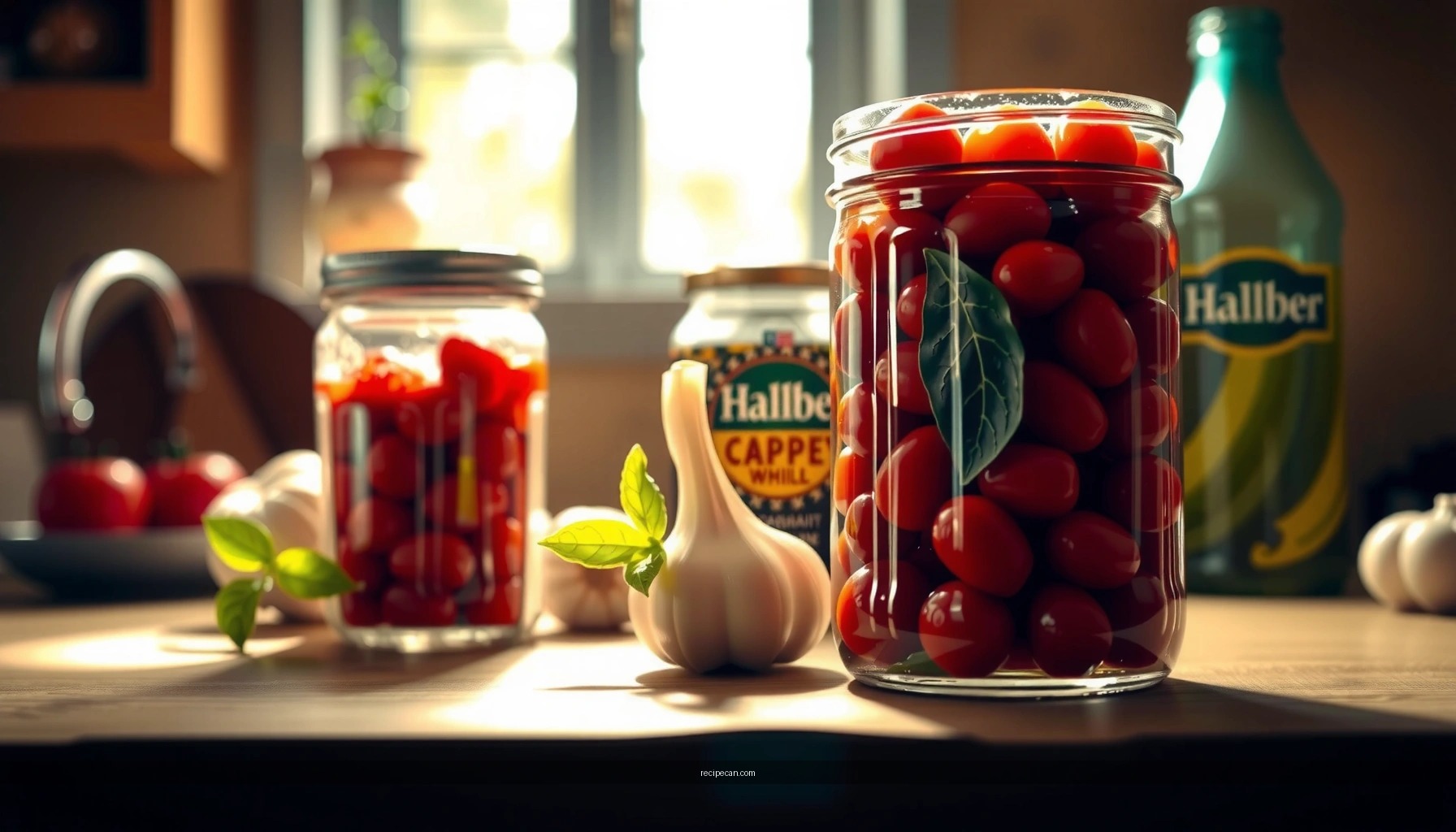
Find out whether canning bruschetta recipes are safe for preserving bruschetta-style toppings without turning them into a food-safety gamble. This guide gives you the clear best method for high-acid vs. low-acid topping ingredients, including the exact processing approach to use. You’ll learn which bruschetta toppings you can confidently can, which ones you shouldn’t, and how to keep flavor and texture intact after sealing.
To can bruschetta-style toppings safely, you must use a tested, acidity-accounted recipe and process jars using the correct canning method and exact time/temperature. Because tomatoes, peppers, and add-ins vary widely in natural acidity, safe preservation depends on standardized pH control and validated processing—not on “how it tastes.”
Canning bruschetta toppings can be an excellent way to capture peak-season flavor for later use on toasted bread, flatbreads, and quick weeknight meals. The goal, however, isn’t just quality—it’s food safety. This guide walks you through how to choose canning-ready recipes, prep ingredients for reliable heat penetration, pack jars properly, process them correctly, and store them so you can enjoy a flavorful topping with confidence.
Typical Canning Suitability for Common Bruschetta Ingredients
| # | Ingredient / Component | Canning Classification | Safety Driver | Flavor Compatibility |
|---|---|---|---|---|
| 1 | Tomatoes (diced/crushed) | Low-acid (variable) | Must use tested acidified recipe | ★★★★☆ |
| 2 | Onions | Low-acid (variable) | No substitution—use tested ratios | ★★★☆☆ |
| 3 | Bell peppers | Low-acid (variable) | Must follow tested recipe + processing | ★★★★☆ |
| 4 | Garlic | Low-acid (variable) | Avoid “more garlic” changes to pH | ★★★★☆ |
| 5 | Olive oil (added after canning) | Not used in tested jars | Can’t replace tested processing safety | ★★☆☆☆ |
| 6 | Lemon juice / vinegar (acid) | Acidification component | Controls pH—measure precisely | ★★★★☆ |
| 7 | Salt + herbs (within recipe) | OK if recipe-tested | Doesn’t “make it safe” alone | ★★★☆☆ |
Choose Bruschetta Recipes That Can Be Safely Canned
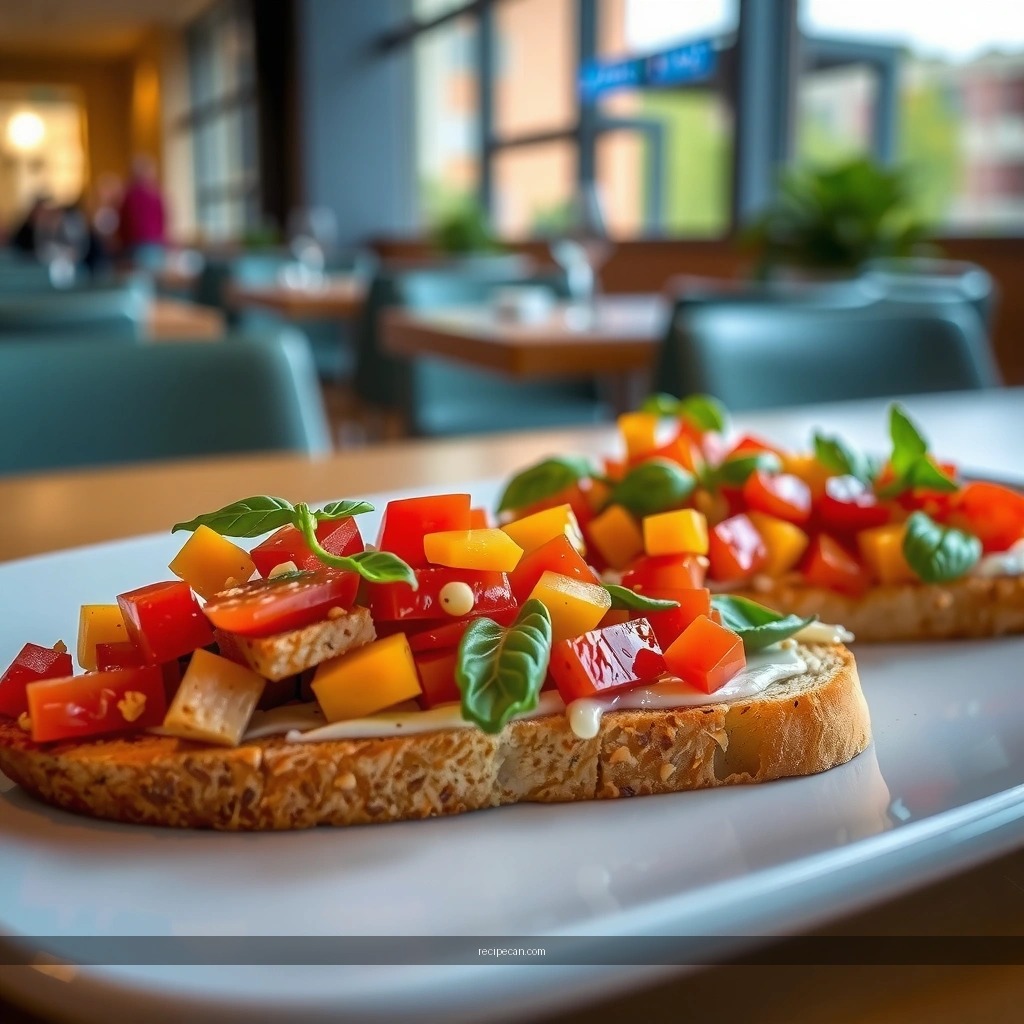
Start with the most important decision: selecting a canning-tested bruschetta sauce or topping recipe that matches your goals (chunky vs. smooth, mild vs. spicy) while meeting food safety requirements.
– Use tested, canning-specific bruschetta sauce or topping recipes
Look for recipes from reputable sources such as university extension programs, the National Center for Home Food Preservation (NCHFP), or other organizations that publish tested canning procedures. “Bruschetta topping” is often sold as a flavor profile, but for canning it’s really a tested food matrix with specific ingredients and measured acidity.
– Confirm acidity (often via added acid like lemon juice or vinegar when required)
Many tomatoes and vegetables used in bruschetta are naturally low-acid. That means they may not be safe for shelf-stable canning unless the recipe includes measured lemon juice or vinegar to reach a validated acidity level (pH). The recipe should specify exact amounts—measuring “by taste” is not an acceptable substitute.
– Avoid improvising ratios that change pH and shelf safety
Even small changes can affect safety:
– Swapping tomato types (canned crushed vs. fresh low-acid tomatoes)
– Reducing vinegar or lemon juice “because it’s too tangy”
– Increasing thickening agents or using unexpected sweeteners
– Adding oil as part of the canned product (oil can complicate heat penetration and canning reliability)
A practical way to stay safe: keep the recipe “ingredient-faithful” and “process-faithful.” If you want customization, do it after opening the jar—add fresh basil, a drizzle of olive oil, or extra garlic at serving time.
Prep Ingredients the Right Way for Canning
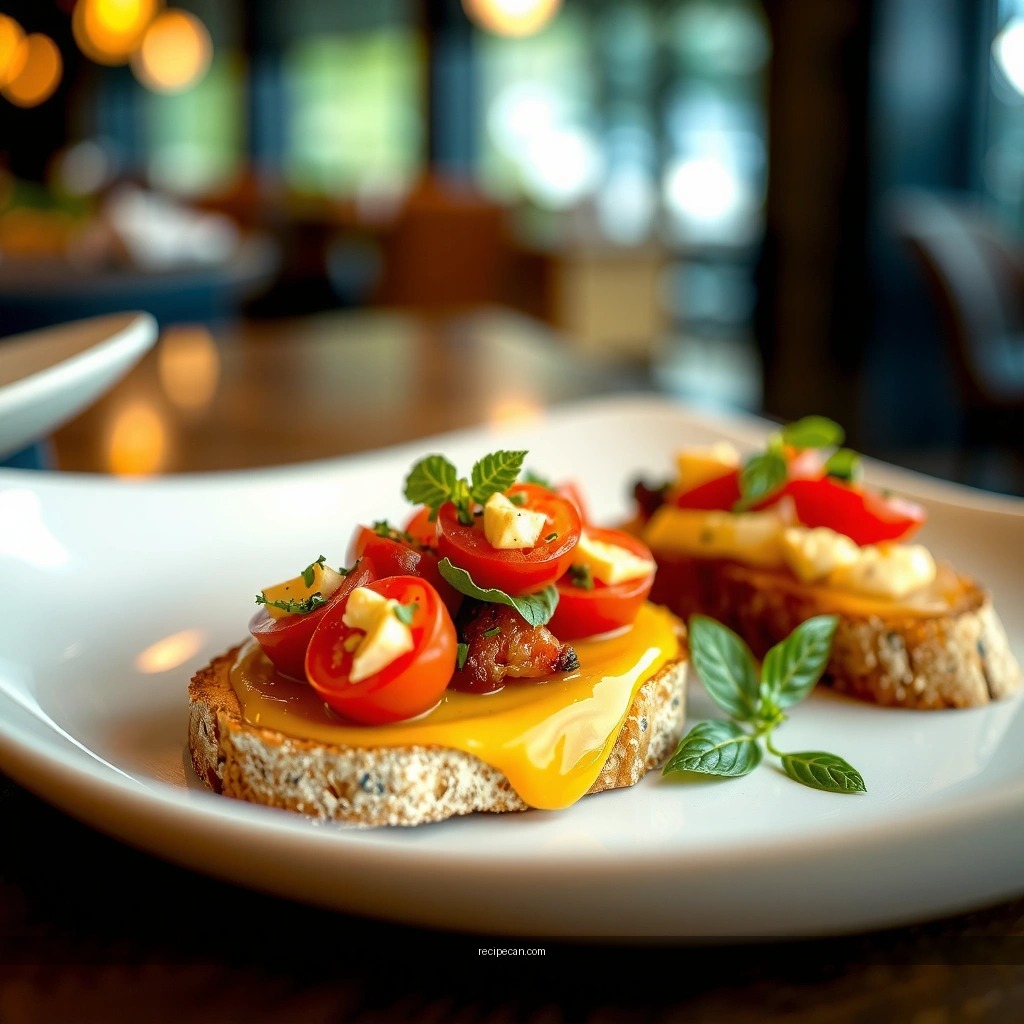
Quality and safety both depend on consistent preparation. Heat must penetrate the packed jars thoroughly, and the finished texture should be stable—not unevenly cooked or partially underprocessed.
– Dice tomatoes, peppers, and vegetables consistently for even heat penetration
Bruschetta toppings often include chunks. If your pieces are wildly different sizes, the smaller bits may overcook while larger pieces may lag in temperature rise. Use a consistent cut size (for example, similar diced dimensions across tomatoes, peppers, and onions). This supports more uniform processing and improves the final “spoonable” experience.
– Cook down sauce/topping to the recommended thickness before filling jars
Many tested bruschetta recipes specify cooking until the mixture reaches a particular thickness or viscosity. Why it matters:
– Thicker mixtures can slow heat penetration.
– Thinner mixtures can lead to excessive liquid separation or headspace problems.
Following the recipe’s cooking stage helps ensure that the packed product matches what the processing instructions were designed for.
– Follow headspace guidance to prevent spoilage and seal failures
Headspace (the space between the food and the jar rim) is not optional. Too little headspace can cause siphoning and messy seals; too much can reduce thermal efficiency and may affect sealing reliability. Measure headspace using a headspace tool when possible, especially for thicker bruschetta mixtures that settle differently.
Pro tip: If your topping is chunky, stir and ladle carefully to minimize air pockets. Air can interfere with heat transfer and sealing.
Pack Jars for Best Results
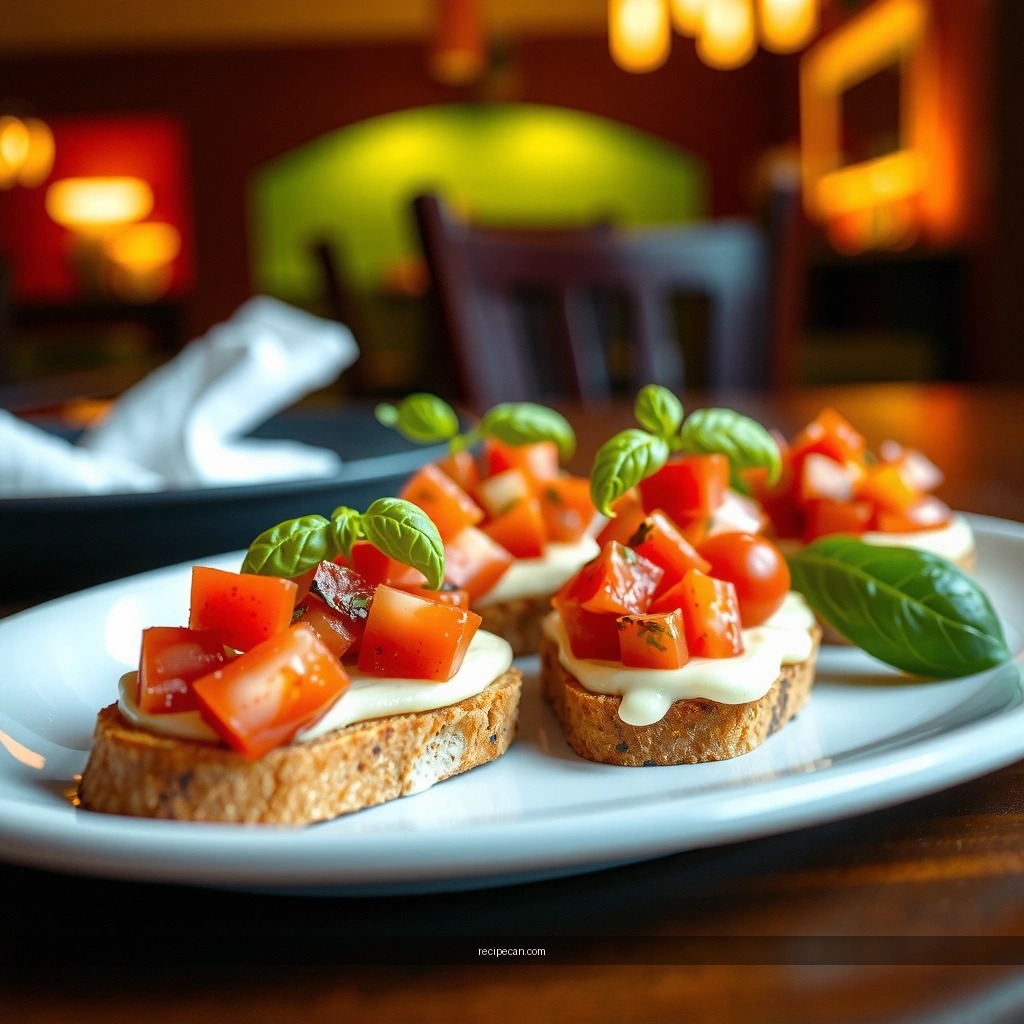
Even a perfectly written recipe can fail if jars are packed improperly. Packing is where many home canners lose both quality and reliability.
– Use clean jars and lids designed for canning (check for defects)
Start with jars in good condition—no chips on the rim, no cracks, and no cloudiness that could mask defects. Use new lids as recommended by the manufacturer (many are single-use for the sealing compound). Rings are reusable in most systems, but lids should be treated as the critical seal component.
– Leave the required headspace and remove air bubbles
Air pockets reduce contact between the food and jar interior surfaces and can interfere with processing. After filling, remove bubbles by gently sliding a non-metallic utensil around the inside wall (or using a bubble-removal tool). Recheck headspace and adjust if needed with hot brine/sauce from the recipe (not cold liquid).
– Wipe jar rims clean before sealing for a proper seal
Food residue on jar rims prevents airtight sealing. Use a clean, damp cloth or paper towel to wipe rims thoroughly. Then center the lid and tighten rings according to the recommended “snug” instruction—over-tightening can prevent proper venting during processing.
This is also the moment to check for consistency: jars should be filled as the recipe describes, not “packed tighter” because you want more topping per jar.
Process Jars Using the Correct Method and Time
Processing is where safety becomes measurable and repeatable. Use the method the recipe specifies—water bath canning and pressure canning are not interchangeable.
– Use water bath or pressure canning based on the recipe instructions
Bruschetta toppings often fall into different safety categories depending on acidity and ingredients. Acidified tomato salsas and vinegar-lemon recipes are sometimes processed in a boiling water bath; some tomato-based mixtures may require pressure canning. Only the tested recipe’s instructions should determine your method.
– Process for the full recommended time at the correct temperature
“As long as it gets hot” isn’t a standard. Start timing when the water reaches a rolling boil (for water bath) or when pressure is at the specified level (for pressure canning). Keep the process steady—avoiding large fluctuations protects both safety margins and jar integrity.
– Adjust processing time for altitude if your recipe calls for it
Altitude affects boiling point and pressure behavior. Follow the recipe’s altitude adjustments from a reliable source. Never estimate—use a published adjustment table or the one included with the tested recipe.
If you’re new to canning, do one small batch first exactly as written. That single batch becomes your “baseline” for how your specific ingredients behave during cooking, packing, and processing.
Cool, Check Seals, and Store Properly
After processing, the safest outcome depends on proper cooling and post-processing checks.
– Cool jars undisturbed and check seals after they’re fully cooled
Let jars rest in a draft-free area without moving them. Jarring or tilting while hot can interfere with sealing. After 12–24 hours, check seals by removing the ring and gently lifting by the lid (if it flexes, it likely didn’t seal).
– Label jars with date and contents
Labeling isn’t just organization—it supports quality management. Write what the jar contains (e.g., “Bruschetta-style tomato-pepper topping”) and the processing date. This helps you rotate stock and reduces the risk of eating older jars first.
– Store in a cool, dark place and use within recommended timeframes
Store jars in consistent temperature conditions away from sunlight and heat fluctuations. Even properly processed food should be used within the timeframe recommended by the safe-canning reference you’re following or the tested recipe suggests.
Safety and quality degrade over time. The best-tasting jars are typically the ones you use earlier within the storage window.
Troubleshooting Common Canning Issues
Home canning is a skill—so it’s normal to occasionally encounter problems. The key is knowing what’s fixable vs. what’s unsafe.
– If jars don’t seal, refrigerate and use soon (or reprocess if permitted)
Unsealed jars are not shelf-stable. Refrigerate and use promptly. Some foods may be eligible for reprocessing if handled correctly (e.g., new lid, reheat to boiling where appropriate). Only reprocess if your recipe and a reliable canning authority indicates it’s safe for that product.
– Watch for siphoning or loss of liquid and adjust headspace next time
Siphoning (liquid loss during processing) often points to headspace issues, over-tightening, or boiling instability. If you consistently see liquid loss, adjust your packing discipline and follow the recipe’s headspace exactly next time.
– Discard jars that show signs of spoilage (bulging, off odor, spurting)
Never “taste test” compromised jars. Discard if lids bulge, there’s off odor, spurting from under the lid, leaking, or unusual mold. When in doubt after processing, prioritize safety over saving a batch.
A strong best practice: keep notes after each batch—processing method, jar size, timing, altitude, and any texture observations—so you can improve reliability over time.
After you follow a tested recipe, measure acidity correctly, and process jars using the right method and time, you can enjoy homemade bruschetta toppings long after harvest. Pick one canning-ready bruschetta recipe, gather supplies, and do a small first batch—then scale up once you’re confident in your results.
Frequently Asked Questions
What are the best canning bruschetta recipes for shelf-stable results?
The best canning bruschetta recipes typically use a tested, acidic base like tomatoes plus vinegar or lemon juice to keep the pH in the safe range for water-bath canning. Look for recipes that specify jar size and processing time, and that include clear ratios for vegetables (onion, peppers, garlic) so the mixture heats evenly. Bruschetta canning recipes are usually best when you add robust flavors during canning and rely on a final “fresh” touch (like basil or olive oil) when serving.
How do you can bruschetta sauce safely using a water-bath canner?
Use a water-bath canner for high-acid tomato-based bruschetta recipes, and follow a tested recipe for headspace, jar type, and processing time. Prepare your jars, fill them according to the recipe, remove air bubbles, wipe rims clean, and apply lids with correct bands. Process jars fully submerged, let them cool undisturbed, then check seals before storing—this helps ensure your home-canned bruschetta stays shelf-stable.
Why does homemade canned bruschetta sometimes taste bland, and how can you fix it?
Canning can mellow sharp flavors like garlic and vinegar, especially if the recipe is low on seasoning. To fix bland canned bruschetta, use a tested recipe with adequate salt, include herbs that hold up well (like oregano), and finish with fresh basil at serving for brightness. You can also taste before serving and adjust with extra olive oil, cracked pepper, or a splash of vinegar to revive flavor without changing the canning balance.
Which vegetables hold up best in canning bruschetta recipes?
Vegetables with a firmer texture—like onions, bell peppers, and some types of mushrooms—generally hold up better in bruschetta canning recipes than delicate vegetables that get mushy. Cut vegetables evenly so they soften at a similar rate, and avoid watery ingredients that can thin the sauce. If you want a chunkier texture, follow the recipe’s recommended prep size and simmering time before filling jars.
What’s the best way to use canned bruschetta when serving—do you need to cook it first?
Many people warm canned bruschetta sauce on the stovetop for a few minutes to improve texture and flavor before topping toast. For a classic bruschetta, spoon the heated mixture onto toasted bread and finish with fresh ingredients like basil, grated Parmesan, or a drizzle of olive oil. If you’re using it in pasta or as a pizza topping, warming is still helpful, but you can often incorporate it directly into hot dishes for quick flavor.
References
- https://nchfp.uga.edu/how/can_02/tomato.html
https://nchfp.uga.edu/how/can_02/tomato.html - https://nchfp.uga.edu/how/can_03/tomato_sauce.html
https://nchfp.uga.edu/how/can_03/tomato_sauce.html - | National Center for Home Food Preservation
https://nchfp.uga.edu/how/can_06/tomato_salsa.html - https://extension.umn.edu/preserving-and-preparing/canning-salsa
https://extension.umn.edu/preserving-and-preparing/canning-salsa - Bruschetta
https://en.wikipedia.org/wiki/Bruschetta - Canning
https://en.wikipedia.org/wiki/Canning - https://www.britannica.com/topic/canning-food
https://www.britannica.com/topic/canning-food - https://pubmed.ncbi.nlm.nih.gov/
https://pubmed.ncbi.nlm.nih.gov/ - Google Scholar Google Scholar
https://scholar.google.com/scholar?q=canning+bruschetta - Google Scholar Google Scholar
https://scholar.google.com/scholar?q=home+canning+tomato+sauce+acidification+safety