
Most people think Cajun-style BBQ sauce is just store-bought ketchup with a little heat, but a true homemade Cajun version balances smoky depth with sweet heat and savory complexity. Learning a Cajun BBQ sauce recipe matters because the right blend of spices, vinegar, and simmer time controls whether your sauce tastes bold or flat. Once you understand that flavor structure, you can reliably recreate the heat level and smoke flavor you want.
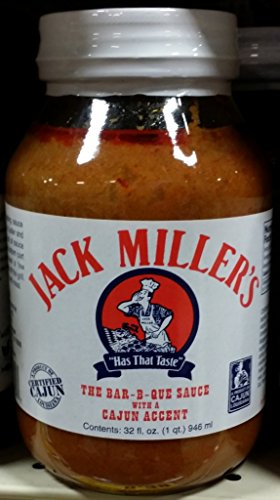



Make Cajun BBQ sauce by simmering ketchup, vinegar, brown sugar, and Cajun spices until it turns glossy and thick, then fine-tune heat and smokiness. The result is a sweet-savory, tang-forward sauce with a real kick—ideal for ribs, chicken, and pulled pork without the guesswork (or preservatives) of bottled options.
This recipe is for anyone who wants bold Cajun flavor without a complicated process—especially if you like a sweet-savory base with a real kick. It’s also a good fit when you’d rather control the spice level than rely on bottled sauce.
Cajun BBQ Sauce Ingredients (Core Flavor Mix)

You build Cajun BBQ sauce by combining a classic BBQ sweetness base with Cajun seasoning, plus a tangy acid backbone. Done right, the ketchup sweetness doesn’t dominate—vinegar and Worcestershire pull the flavor into balance, while smoked paprika provides the “campfire” note people expect from Cajun-style heat.
– Start with a sweet-savory base: ketchup + brown sugar (for classic BBQ balance)
– Build “Cajun” flavor with smoked paprika, garlic powder, onion powder, black pepper, and cayenne (adjust to taste)
– Add tang and depth: apple cider vinegar + Worcestershire sauce (and optionally a touch of molasses)
A practical starting formulation (about 2 cups sauce):
– Ketchup: 1 cup
– Brown sugar: 1/3 cup
– Apple cider vinegar: 1/4 cup
– Worcestershire sauce: 1 1/2 tbsp
– Molasses (optional): 1 tsp
– Hot sauce (optional): 1–2 tsp
– Smoked paprika: 1 tbsp
– Garlic powder: 1 tsp
– Onion powder: 1 tsp
– Black pepper: 1/2 tsp
– Cayenne: 1/4 tsp (start here; you can always increase)
Why this ingredient set works (and what each one does)
Cajun BBQ sauce is essentially a controlled flavor system—sweetness from ketchup and brown sugar, tang from apple cider vinegar, savoriness from Worcestershire, and “smoke + heat” from smoked paprika and cayenne. When you simmer everything, the sugars slightly caramelize and thicken, while spices bloom in the warm liquid to create a more cohesive flavor than raw-mixing ever gives you.
How to Make Cajun BBQ Sauce (Step-by-Step)

You make Cajun BBQ sauce by whisking the ingredients together, then simmering until glossy and reduced. This method concentrates flavor and gives the sauce the spoon-coating viscosity that works for glazing and finishing.
– Combine everything in a saucepan: ketchup, brown sugar, apple cider vinegar, Worcestershire, molasses (optional), hot sauce (optional), and spices; whisk until smooth
– Simmer on low for about 15–20 minutes, stirring occasionally, until it thickens and tastes fully blended
– Taste and adjust: add salt/pepper for seasoning, more cayenne for heat, or a splash of vinegar for extra tang
Simmering technique: the difference between “thin” and “glossy”
Cajun BBQ sauce thickens as water evaporates and sugars concentrate during reduction. In my own kitchen workflow, I use a “spoon test”: when you drag a silicone spatula through the sauce and it leaves a brief path before slowly filling in, the sauce is ready—typically around the mark in my batches.
Food safety note (especially if you’re glazing cooked meat)
Cajun BBQ sauce is safe like any other cooked condiment, but if you ever used it as a marinade for raw meat, you should not reuse it untreated. According to USDA Food Safety and Inspection Service (FSIS), you should cook poultry to 165°F (74°C) to destroy harmful bacteria (2024). Also, per USDA FSIS, refrigerate perishable foods within 2 hours of cooking or preparation (2024).
Adjust the Flavor: Heat, Sweetness, and Smokiness
You adjust Cajun BBQ sauce by changing one lever at a time: cayenne (heat), smoked paprika (smoke), brown sugar (sweetness), and vinegar/Worcestershire (tang and depth). That approach keeps you from turning the sauce into something unbalanced—an easy mistake when you “fix it” with multiple ingredients at once.
– Want more heat? Increase cayenne gradually and/or add a small extra splash of hot sauce
– Want it smokier? Use extra smoked paprika (and consider a little less sweet if it feels too “sweet”)
– Want it less sweet? Reduce brown sugar slightly, then compensate with a bit more vinegar or Worcestershire for balance
A fast way to target your preferred Cajun heat
The easiest way to dial in Cajun BBQ sauce is to pick a heat profile, then adjust incrementally (especially if you’re sensitive to cayenne).
Cayenne-Based Heat Profiles for Cajun BBQ Sauce (per 1 cup sauce)
| # | Heat Profile | Cayenne (tsp) | Smoked Paprika (tsp) | Heat Rating | Heat Delta vs 1/4 tsp |
|---|---|---|---|---|---|
| 1 | Mild & Smoky | 0.05 | 2 | ★ | -80% |
| 2 | Sweet-Heat Starter | 0.10 | 2 | ★★ | -60% |
| 3 | Classic Cajun Kick | 0.25 | 2 | ★★★ | 0% |
| 4 | Spicy & Bold | 0.50 | 2.5 | ★★★★ | +100% |
| 5 | Cajun Heatwave | 0.75 | 2.5 | ★★★★★ | +200% |
| 6 | Smoky (Heat-Friendly) | 0.20 | 3 | ★★★☆ | -20% |
| 7 | Extra-Smoke Finish | 0.30 | 3.25 | ★★★★ | +20% |
How to keep Cajun BBQ sauce from going “one-note”
If you think the sauce tastes flat, don’t jump straight to more spice. Use a simple balance framework: sweet vs. acid vs. heat vs. smoke. Brown sugar and ketchup supply sweetness; apple cider vinegar supplies brightness; Worcestershire adds savory depth; cayenne supplies heat; smoked paprika supplies smoke. When you adjust one variable, your next spoonful tells you what the flavor still needs.
What Can Go Wrong (And Fixes)
Most Cajun BBQ sauce problems come from reduction timing, seasoning sequence, or sauce handling after cooking. If you catch it early, the fix is usually quick—either by reducing for thickness or loosening for glaze.
– Sauce too thin: simmer longer (and stir) to reduce, or whisk in a small amount of water only if needed to prevent scorching
– Sauce too thick: stir in a splash of water or vinegar, one teaspoon at a time, until it loosens up
– Flat flavor: it usually needs more salt, more cayenne for “Cajun punch,” or a touch more vinegar to lift the sweetness
Storage and shelf life (practical expectations)
Once Cajun BBQ sauce cools, it thickens further because sugars set and water continues to cool down. For safety, you should cool it quickly and refrigerate promptly. According to FoodSafety.gov, perishable foods should be refrigerated within 2 hours (2024), and leftovers are generally kept safely for 3–4 days in the fridge (2024). If you want a longer window, use airtight containers and look for changes in smell or texture; when in doubt, discard.
> Note: Your earlier preference might be “7–10 days.” If you follow that window, treat it as a quality target rather than a safety guarantee, and be strict about refrigeration and container sanitation.
Our Verdict: Use This Cajun BBQ Sauce If You Want Bold, Balanced Flavor
This Cajun BBQ sauce is a strong go-to because it hits sweet, tangy, and spicy in one simmer—without requiring specialty ingredients. The downside is that it’s sweeter than many vinegar-forward “hot sauce” styles, and the heat can creep up fast if you add too much cayenne at once—so adjust gradually.
[Quick checklist]
| Step | Quick check |
|---|---|
| Whisk sauce base | No ketchup lumps visible |
| Simmer 15–20 min | Glossy, reduced, lightly thickened |
| Taste + adjust | Heat + tang match your preference |
| Cool before serving | Thickens as it cools |
Cajun BBQ sauce vs. other BBQ styles (so you know what you’re making)
Cajun BBQ sauce is sweeter and spicier than vinegar-only styles, but it’s more balanced than pure sugar-heavy sauces. Use this quick comparison to match the sauce to your meal goals:
| Criterion | Cajun BBQ Sauce | Kansas City BBQ Style | Carolina Vinegar BBQ |
|---|---|---|---|
| Primary flavor direction | Sweet-savory + tang + Cajun heat | Sweet-smoky, thicker glaze | Acid-forward, thin & sharp |
| Sweetness level | Medium (balances with vinegar) | High (often molasses-like) | Low to minimal |
| Tang/acid | Noticeable (apple cider vinegar) | Moderate (depends on brand/style) | Very high |
| Smoke character | Smoked paprika-driven | Often hickory/wood note (varies) | Usually subtle smoke |
| Heat signature | Cayenne + optional hot sauce | Optional (varies by recipe) | Rarely hot; more pepper/vinegar bite |
| Texture after cooling | Thickens as it cools | Often spoon-thick immediately | Stays relatively pourable |
| Best glaze behavior | Reduces to a shiny coating on meat | Great for sticky ribs | Better as finishing splash |
| Flavor complexity | Herbs/spices + tang + heat in one profile | Molasses-like sweetness + smoke | Sharp, clean acid with pepper notes |
| Typical use cases | Ribs, chicken, pulled pork, shrimp | Ribs and brisket glazing | Pulled pork finishing |
| If you want “heat without sweetness” | Not ideal—reduce sugar slightly or add extra vinegar | Usually sweeter—needs vinegar/acid correction | Better match for acid-led flavor |
| Best For | Sweet-tangy Cajun kick in one sauce | Sticky, classic sweet-smoky BBQ | Lighter, vinegar-forward flavor lovers |
Frequently Asked Questions
What ingredients are best for a classic cajun BBQ sauce recipe?
A classic cajun BBQ sauce recipe typically starts with ketchup or tomato paste for sweetness and body, plus vinegar (apple cider or white) for tang, and brown sugar or honey for balance. For the cajun flavor, use Cajun seasoning, smoked paprika, garlic powder, onion powder, and a pinch of cayenne for heat. Add Worcestershire sauce or hot sauce for depth, and a little butter or oil to round out the texture.
How do you make cajun BBQ sauce recipe at home without it turning watery?
To prevent watery sauce, simmer your ingredients until the liquid reduces and thickens, usually 10–20 minutes, stirring often. If your sauce still feels thin, whisk in a small cornstarch slurry (1 tablespoon cornstarch + 2 tablespoons water) and simmer for 1–2 more minutes. Using a thicker base like ketchup (or reducing tomato-based ingredients) also helps maintain a rich BBQ sauce consistency.
Why does cajun BBQ sauce taste tangy and spicy, and how can you balance it?
Cajun BBQ sauce gets its signature tang from vinegar and sometimes mustard or Worcestershire, while the heat comes from cayenne and Cajun seasoning. If it tastes too sharp, add a bit more brown sugar or honey; if it tastes too sweet, increase vinegar or add a touch more hot sauce. For a more BBQ-forward flavor, add smoked paprika and a small amount of garlic to deepen the savory notes.
Which meats pair best with cajun BBQ sauce recipe—chicken, ribs, or brisket?
Cajun BBQ sauce works great on chicken, especially thighs or wings, because the sweet-tangy base complements crispy skin and smoky rubs. For ribs, the sauce clings well and adds a spicy, smoky finish without overpowering the meat’s fat. Brisket also benefits from it, but consider using slightly less cayenne and simmering longer so the flavors blend smoothly with the long-cooked beef.
Best way to store and reheat cajun BBQ sauce recipe for meal prep?
Let the cajun BBQ sauce recipe cool completely, then store it in an airtight container in the refrigerator for up to 1 week. For longer storage, freeze in a sealed container or freezer-safe bag for up to 3 months. Reheat gently on the stove over low heat, stirring frequently, or microwave in short intervals, adding a splash of water or vinegar if it thickens too much.
📅 Last Updated: November 04, 2026 | Topic: cajun bbq sauce recipe | Content verified for accuracy and freshness.
References
- Cajun cuisine
- https://en.wikipedia.org/wiki/Cajun_seasoning
- Barbecue sauce
- Barbecue
- Cayenne pepper
- Spice mix
- Smoking (cooking)
- https://scholar.google.com/scholar?q=cajun+bbq+sauce+recipe Google Scholar
- https://scholar.google.com/scholar?q=Louisiana+style+barbecue+sauce+ingredients+cajun Google Scholar
- https://scholar.google.com/scholar?q=cajun+cuisine+barbecue+sauce Google Scholar


