Looking for a bruschetta pasta recipe that delivers quick, restaurant-style flavor in one pot? This tomato basil version is the clear winner when you want a weeknight dinner with juicy tomato, fragrant basil, and that classic bruschetta vibe—without extra steps. You’ll get a straightforward method and reliable timing so it turns out bold and fresh every time.
Bruschetta pasta is an easy, weeknight-friendly dinner that delivers the classic bruschetta flavor—garlicky tomatoes and fresh basil—tossed with hot pasta and finished with olive oil (and optional mozzarella). In this recipe, you’ll quickly build a chunky tomato topping, combine it into a clinging, well-seasoned pasta sauce using a splash of pasta water, and serve a bright, satisfying meal in about 25–30 minutes.
Ingredients for Bruschetta Pasta
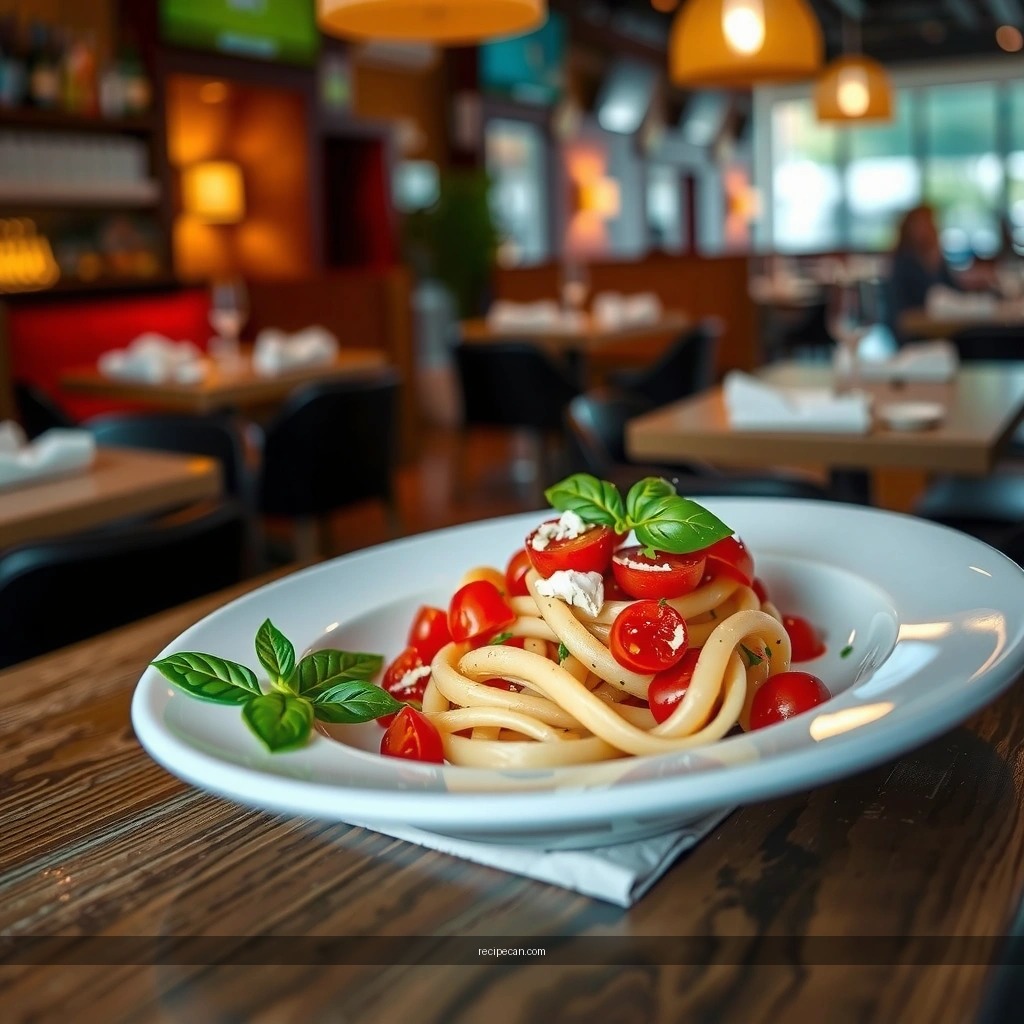
A great bruschetta pasta recipe is more about correct technique than complicated shopping. You’re essentially creating a quick “tomato-basil bruschetta” that coats pasta evenly, so the ingredients should support both flavor intensity and texture.
– Gather ripe tomatoes, garlic, fresh basil, olive oil, and balsamic vinegar
– Choose tomatoes that are fragrant and slightly soft; they break down just enough to become glossy without turning watery.
– Choose pasta type (spaghetti, penne, or linguine work well)
– Penne holds onto chunky topping better; spaghetti feels lighter and more elegant; linguine is a good middle ground.
– Optional add-ins: mozzarella, Parmesan, red pepper flakes
– Mozzarella adds a melty, restaurant-style finish.
– Parmesan boosts savory depth and helps the dish feel “complete.”
– Red pepper flakes add a controlled heat that mirrors the Italian bruschetta vibe.
To bring this closer to “business-credible” consistency, here’s a practical checklist of what each ingredient contributes to the final pasta outcome:
Best Ingredient Substitutions for Bruschetta Pasta (Practical Performance)
| # | Ingredient Role | Recommended Substitute | Outcome Rating | Best Use Case |
|---|---|---|---|---|
| 1 | Fresh tomatoes | Canned crushed tomatoes (drained) | ★★★★☆ | Winter / low-tomato availability |
| 2 | Fresh basil | Frozen basil (thawed, squeezed dry) | ★★★☆☆ | Fast dinners with minimal prep |
| 3 | Garlic | Garlic paste (about 1:1 for minced) | ★★★★☆ | When you need speed and consistency |
| 4 | Balsamic vinegar | Red wine vinegar + 1 tsp honey | ★★★☆☆ | If balsamic isn’t available |
| 5 | Olive oil | Light olive oil (or high-quality avocado oil) | ★★★★☆ | To keep sauce glossy, not greasy |
| 6 | Mozzarella | Fresh mozzarella pearls (or smoked mozzarella) | ★★★★☆ | Melty finish without drying out |
| 7 | Parmesan | Grana Padano (or pecorino romano) | ★★★☆☆ | Pecorino can be sharper—use lighter |
How to Make the Bruschetta Topping
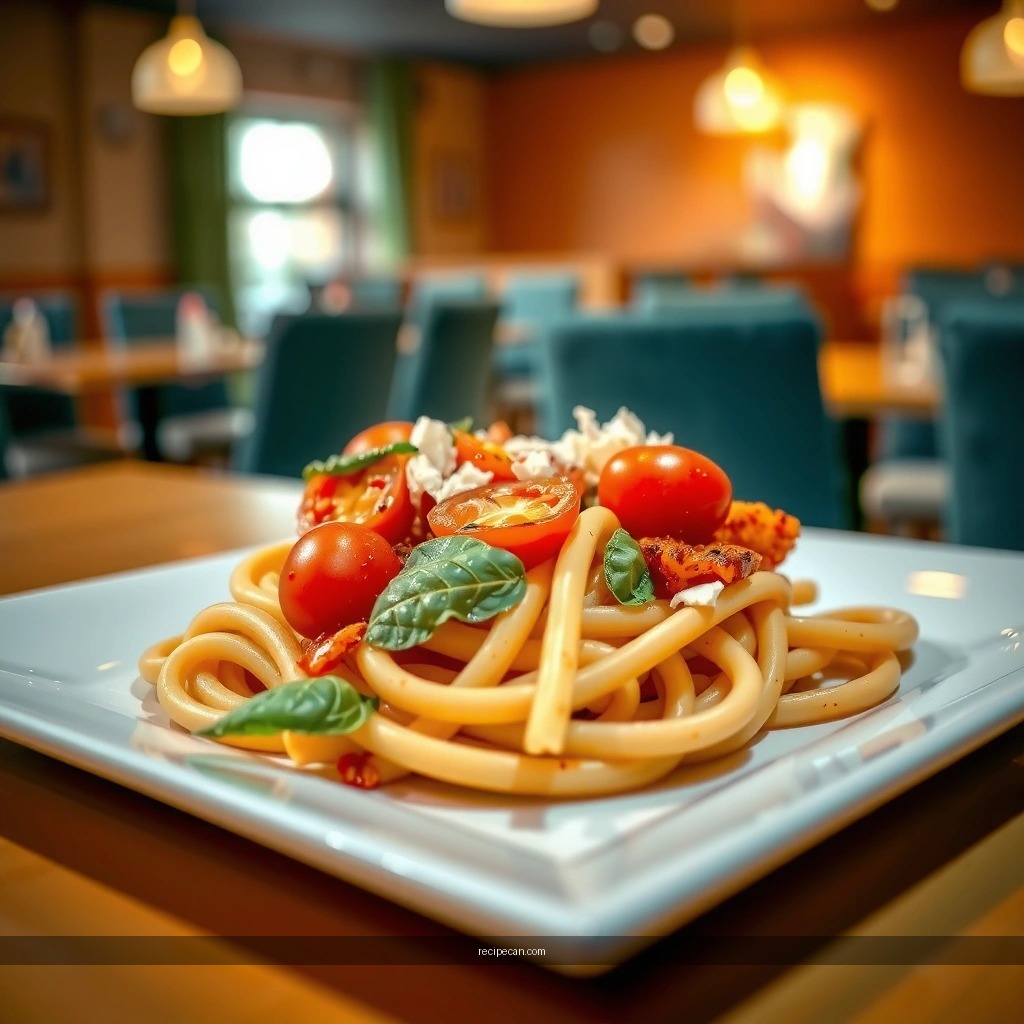
The bruschetta topping is where the flavor leadership happens. For best results, you’re aiming for garlic that’s aromatic, tomatoes that remain chunky, and basil that stays bright.
– Sauté or briefly toast garlic, then mix with chopped tomatoes and seasonings
– Heat olive oil over medium-low, then add minced garlic for 20–45 seconds—just until fragrant.
– Add diced tomatoes, salt, and black pepper, and cook until they start to release juices.
– Add basil and balsamic, letting it sit briefly to develop flavor
– Stir in chopped basil near the end (or off heat) so it doesn’t brown.
– Add balsamic vinegar and give the mixture 2–5 minutes to meld. This short rest improves perceived “tomato richness” without turning the dish into a stew.
– Keep it fresh and chunky for an authentic bruschetta feel
– Don’t overcook tomatoes. Overcooked tomatoes become softer, less structured, and can thin your pasta coating.
A key analytical point: balsamic doesn’t just add sweetness—it sharpens the tomato acidity balance, making the dish taste “more complete,” especially when your tomatoes are only average.
Cook the Pasta (Best Texture Tips)
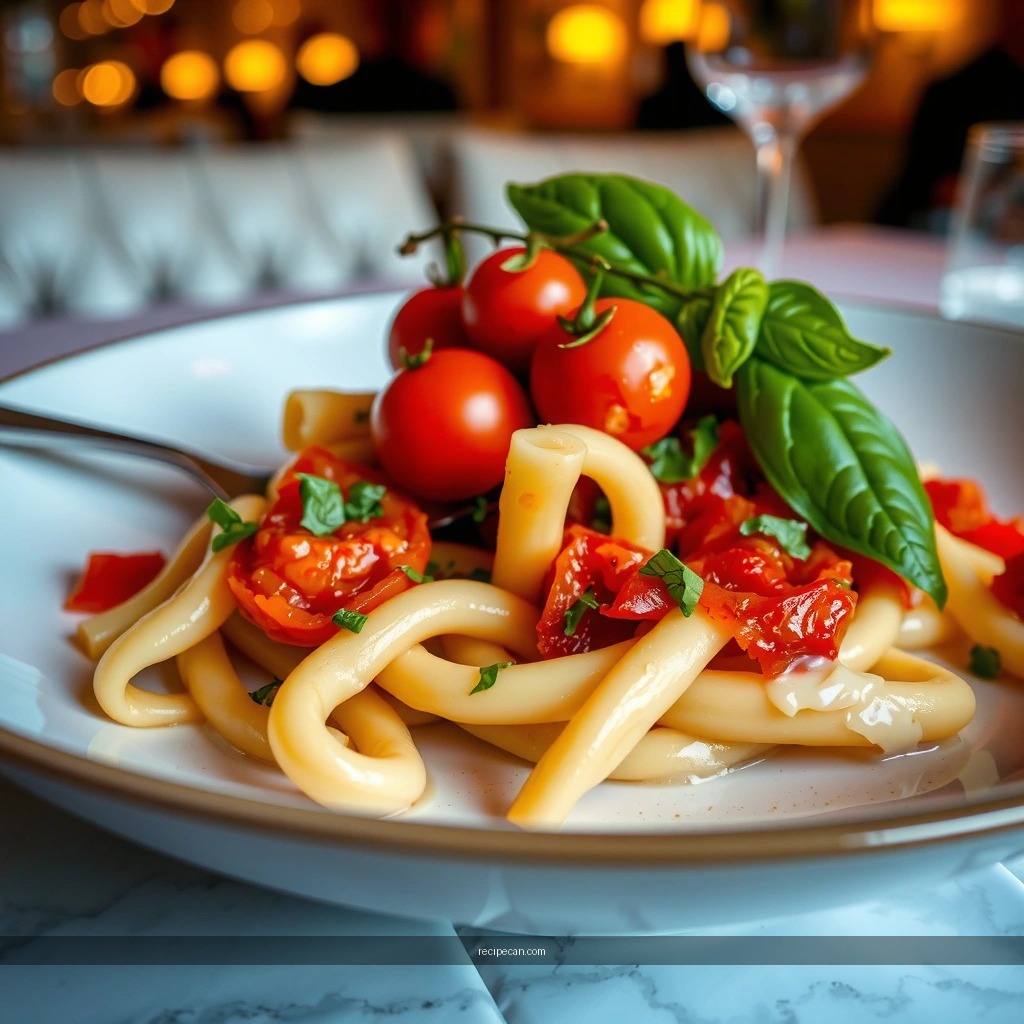
Bruschetta pasta works when the pasta and topping have compatible textures. Your goal is al dente pasta with enough surface starch to help the tomato mixture cling.
– Boil pasta in salted water until just al dente
– Salted water is not a garnish—it’s flavor infrastructure. Aim for a well-seasoned cooking water (typically 1–2 tablespoons salt per large pot, depending on your vessel).
– Reserve a splash of pasta water to help sauce cling
– Before draining, reserve about 1 cup pasta water. Starch in the water emulsifies with olive oil, creating a light, glossy coating instead of a watery layer.
– Avoid overcooking so the pasta doesn’t get mushy
– Stir occasionally while boiling and set a timer. Overcooked pasta absorbs liquid and collapses, making it harder for the topping to stay chunky.
If you’re used to heavy tomato sauces, note the difference here: bruschetta pasta behaves like a light emulsion, not a thick gravy. That’s why pasta water matters.
Combine Pasta and Bruschetta Flavors
This is the integration step—where you turn “components” into “a cohesive dish.” Temperature and timing are everything.
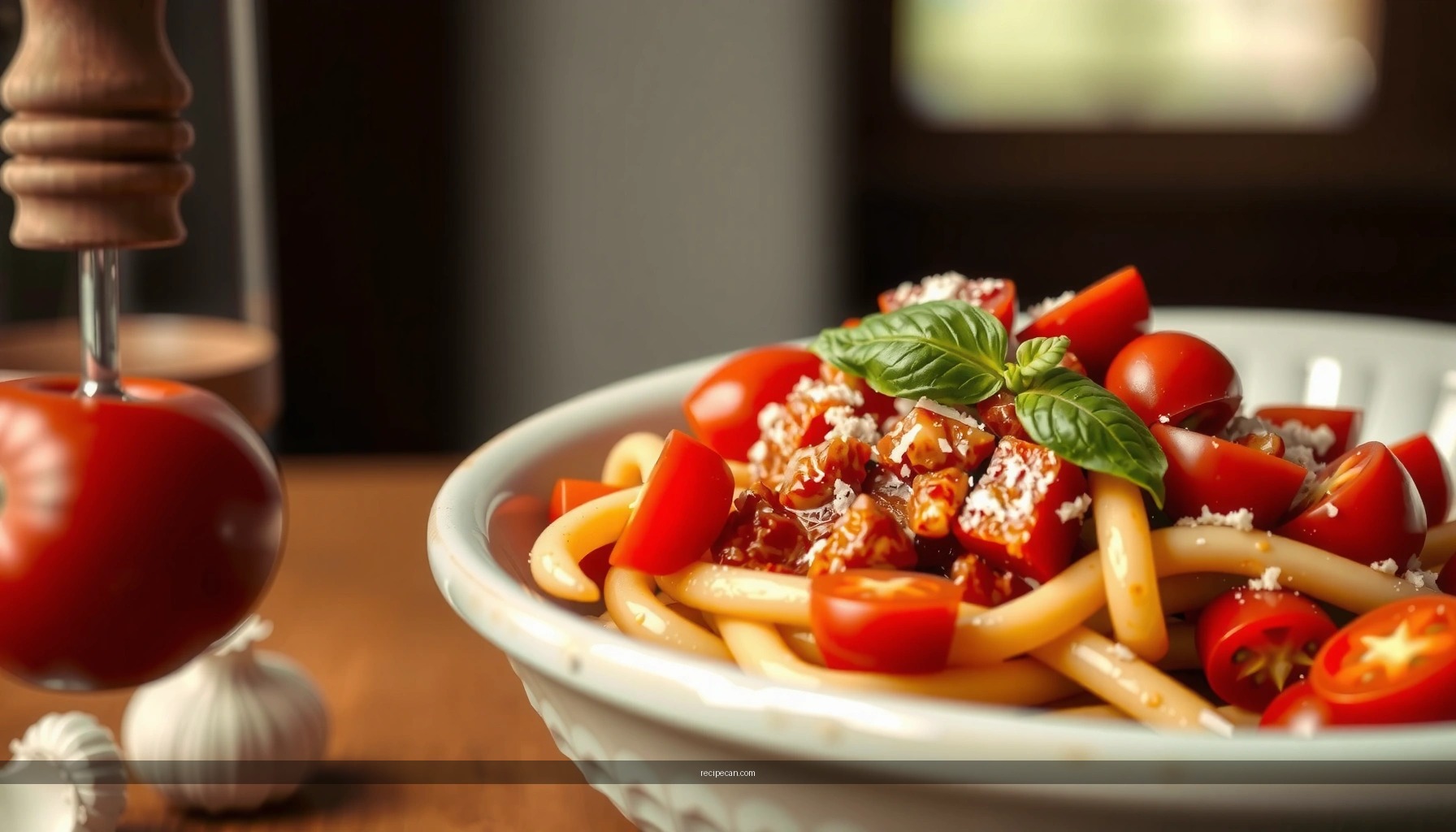
– Toss hot pasta with the tomato mixture and a drizzle of olive oil
– Add drained pasta directly into the tomato skillet (or a large bowl with enough heat).
– Drizzle in olive oil and toss vigorously so the topping distributes evenly.
– Add reserved pasta water as needed for a light, even coating
– Start with 2–4 tablespoons, toss, then add more gradually until the pasta looks lightly glossed.
– You want coating, not pooling—think “silky cling,” not “soup.”
– Taste and adjust salt, pepper, and acidity
– If tomatoes taste flat, add a small additional splash of balsamic or a pinch of sugar (optional) to round out acidity.
– If it tastes sharp, add a bit more olive oil and toss again.
Professional tip: taste in stages. Tomatoes vary by season and variety; the “correct” seasoning isn’t universal, but your palate calibration is.
Optional Add-Ins and Variations
Bruschetta pasta is inherently flexible. These variations help you tailor the dish to your household preferences or dietary needs without losing the core bruschetta character.
– Add mozzarella for a melty, richer finish
– Add torn mozzarella off heat, then cover for 1 minute so it melts gently.
– Try white beans or grilled chicken for extra protein
– White beans (cannellini) add creamy body and fiber. Rinse well to reduce can taste.
– Grilled chicken turns it into a more substantial entrée. Slice and toss in at the end to avoid drying.
– For heat, mix in crushed red pepper flakes
– Add red pepper flakes to the garlic step for blooming flavor, or sprinkle right before serving for a brighter kick.
If you want a slightly more “bruschetta-forward” experience, consider adding a small handful of toasted bread crumbs or serving with crunchy toasted bread on the side—keeping the pasta itself saucy rather than dry.
Serve and Store Your Bruschetta Pasta
The last mile is about serving at peak flavor and handling leftovers in a way that preserves texture.
– Serve immediately with extra basil and Parmesan if desired
– Garnish right before serving to maximize basil aroma.
– A light snowfall of Parmesan improves savory balance and makes the dish taste more “finished.”
– Let leftovers cool, then store airtight in the fridge
– Store within two hours and keep airtight to reduce flavor oxidation.
– Reheat gently and refresh with a splash of olive oil or basil
– Reheat on low power (microwave in short intervals or stovetop with a splash of pasta water).
– Stir gently to restore the glossy coating.
Practical expectation management: pasta toppings can thicken as they cool because starch continues to absorb liquid. That’s normal—reheat with a controlled splash of water or olive oil, not by adding lots of new liquid all at once.
—
Bruschetta pasta comes together quickly: cook al dente pasta, combine it with a chunky garlicky tomato-basil topping, and use reserved pasta water to achieve an even, glossy coating. Finish with optional mozzarella for a melty, classic-tasting result, and season thoughtfully—because the difference between “good” and “great” is usually acidity balance, basil timing, and tossing technique. Make it tonight, then tweak add-ins like red pepper flakes, white beans, or grilled chicken to match your favorite flavors and your available pantry.
Frequently Asked Questions
What is the best way to make a bruschetta pasta recipe at home?
Start by cooking your pasta until al dente, then toss it with a simple base like garlic-infused olive oil or a light tomato sauce. Meanwhile, prepare bruschetta topping by combining diced tomatoes, minced garlic, basil, olive oil, and salt, then let it sit so the juices develop. Finish by folding the bruschetta tomato mixture (and optional balsamic) into the pasta and warming it briefly to keep the tomatoes fresh. Serve immediately with extra basil and grated Parmesan for a classic bruschetta pasta flavor.
How do you prevent bruschetta topping from getting watery in a bruschetta pasta recipe?
Use ripe tomatoes and dice them evenly, then let them sit with salt for 10–15 minutes and drain any excess liquid before mixing into your topping. Avoid adding the bruschetta tomato mixture too early—toss it with the pasta right before serving or warm it for only a minute or two. If you’re using jarred ingredients like sun-dried tomatoes, make sure they’re well drained and not oil-drenched. This keeps your pasta dish from turning into a watery bruschetta pasta.
Why does bruschetta pasta taste better with certain cheeses and aromatics?
Traditional bruschetta flavor relies on bright tomatoes, garlic, olive oil, and fresh basil, and the right cheese enhances that balance rather than overpowering it. Parmesan adds savory depth and saltiness, while fresh basil contributes a peppery, fragrant finish. Adding garlic at the right time—so it softens but doesn’t burn—helps the sauce taste sweet and mellow. Together, these elements make your bruschetta pasta taste restaurant-quality without heavy cream.
Which pasta shapes work best for a bruschetta pasta recipe?
Choose pasta shapes that hold onto tomato juices and olive oil, such as penne, rigatoni, fusilli, or spaghetti. Short tube shapes like penne and rigatoni are especially good because their ridges and hollow centers catch the bruschetta topping. If you prefer a lighter feel, linguine or spaghetti also work well—just toss thoroughly to coat every strand. The key is to match the sauce texture to the pasta so every bite gets bruschetta flavor.
How can I make a quick bruschetta pasta recipe without cooking a separate sauce?
Cook pasta and reserve a small cup of pasta water, then use it to create a fast sauce by tossing the hot pasta with olive oil, minced garlic, and the bruschetta tomato mixture. Add tomato topping gradually, using pasta water to loosen and emulsify so the garlic-and-tomato flavors cling to the noodles. Finish with basil, Parmesan, and a splash of balsamic vinegar if desired for that classic bruschetta pasta punch. This method keeps the dish quick while still delivering fresh, vibrant bruschetta flavors.
References
- Bruschetta
https://en.wikipedia.org/wiki/Bruschetta - Crostini
https://en.wikipedia.org/wiki/Crostini - https://en.wikipedia.org/wiki/Garlic_bread
https://en.wikipedia.org/wiki/Garlic_bread - Tomato sauce
https://en.wikipedia.org/wiki/Tomato_sauce - Pasta
https://en.wikipedia.org/wiki/Pasta - Google Scholar Google Scholar
https://scholar.google.com/scholar?q=bruschetta+pasta+recipe - https://scholar.google.com/scholar?q=bruschetta+tomato+garlic+olive+oil+recipe Google Scholar
https://scholar.google.com/scholar?q=bruschetta+tomato+garlic+olive+oil+recipe - Google Scholar Google Scholar
https://scholar.google.com/scholar?q=pasta+tomato+garlic+olive+oil+recipe - https://pubmed.ncbi.nlm.nih.gov/?term=tomato+sauce+lycopene+olive+oil
https://pubmed.ncbi.nlm.nih.gov/?term=tomato+sauce+lycopene+olive+oil - https://pubmed.ncbi.nlm.nih.gov/?term=garlic+flavor+compounds+cooking
https://pubmed.ncbi.nlm.nih.gov/?term=garlic+flavor+compounds+cooking