If you’re searching for the bruschetta original recipe, this classic tomato garlic bread delivers the true punch of ripe tomatoes, fragrant garlic, and crisp toasted bread in every bite. Follow these straightforward steps for the best balance of acidity, freshness, and olive oil—no guesswork, no substitutions needed. It’s the clear winner when you want restaurant-style bruschetta that tastes bright, garlicky, and properly toasted.
You can make classic bruschetta at home by toasting crusty bread until crisp, then topping it with a simple tomato-garlic mixture seasoned with olive oil and basil—assembled right before serving to preserve crunch. In the guide below, you’ll learn a reliable method, ingredient ratios that reflect the “original” flavor profile, and the practical techniques (like draining watery tomatoes) that make a home kitchen version taste restaurant-level.
Tomato Variety vs. Water Content (Why It Matters for Bruschetta)
| # | Tomato Type | Estimated Water Content | Best Use | Bruschetta Suitability |
|---|---|---|---|---|
| 1 | Roma / Plum | ~92–94% | Sauces, topping with less seepage | ★★★★☆ |
| 2 | San Marzano | ~93–94% | Balanced “fresh” bite, low mess | ★★★★☆ |
| 3 | Beefsteak | ~94–95% | Slicing; needs draining for bruschetta | ★★★☆☆ |
| 4 | Campari | ~93–94% | High flavor, moderate juice | ★★★★☆ |
| 5 | Heirloom (varies) | ~92–96% | Great taste; match texture by draining | ★★★☆☆ |
| 6 | Cherry / Grape | ~93–95% | More seeds; works if chopped and drained | ★★★★☆ |
| 7 | Wet/Very Soft Tomatoes | ~95–97% | Only if you strain and season carefully | ★★☆☆☆ |
Gather the Ingredients for Bruschetta
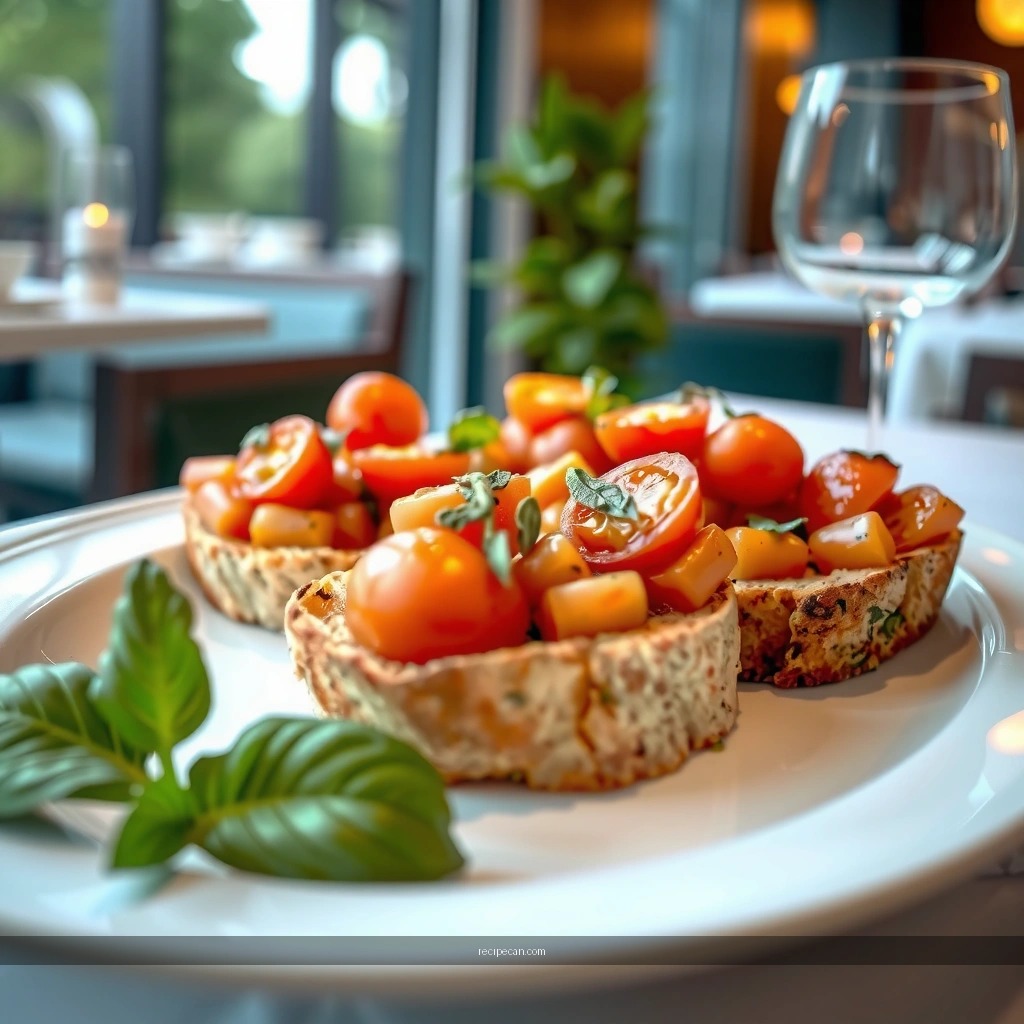
The “original” bruschetta formula is intentionally minimal: bread, tomatoes, garlic, olive oil, and basil. That simplicity is the reason quality matters; the flavor should read as bright, fresh, and lightly seasoned rather than cooked down or heavily sauced.
– Choose ripe tomatoes and fresh basil for the best flavor
Look for tomatoes that smell fragrant and feel firm-but-giving. Overly soft tomatoes will release more liquid and soften the bread faster. Basil should be vibrant green and fragrant—avoid leaves that look bruised or dry.
– Use good extra-virgin olive oil and fresh garlic
Extra-virgin olive oil (EVOO) is not just a finishing touch here—it provides aroma and helps the topping cling to the toast. For garlic, use fresh cloves (not pre-minced) because harsh, old garlic can dominate the delicate tomato flavor.
– Pick crusty bread (like ciabatta) for proper crunch
The bread is the structure. Choose a loaf with a sturdy crust and an airy interior—ciabatta is ideal because it toasts well and holds oil without turning gummy.
Practical ratio (for 4 servings / ~8 slices)
– 2 medium ripe tomatoes (about 500–600 g total), finely diced
– 2–3 garlic cloves (1 clove for rubbing, 1–2 for mixing into tomatoes)
– 3–4 tbsp extra-virgin olive oil (plus a little extra for drizzling)
– 10–15 basil leaves, torn
– Salt to taste (typically 1/4 to 1/2 tsp total, depending on tomato sweetness)
What “classic” timing depends on
Bruschetta is best when the topping is made to taste immediately and served quickly. If you prepare everything too far in advance, the tomatoes’ juices will soak the bread and the dish shifts from crisp-topped to bread-with-tomato-soup—still edible, but not the intended texture.
Prepare the Tomato Topping
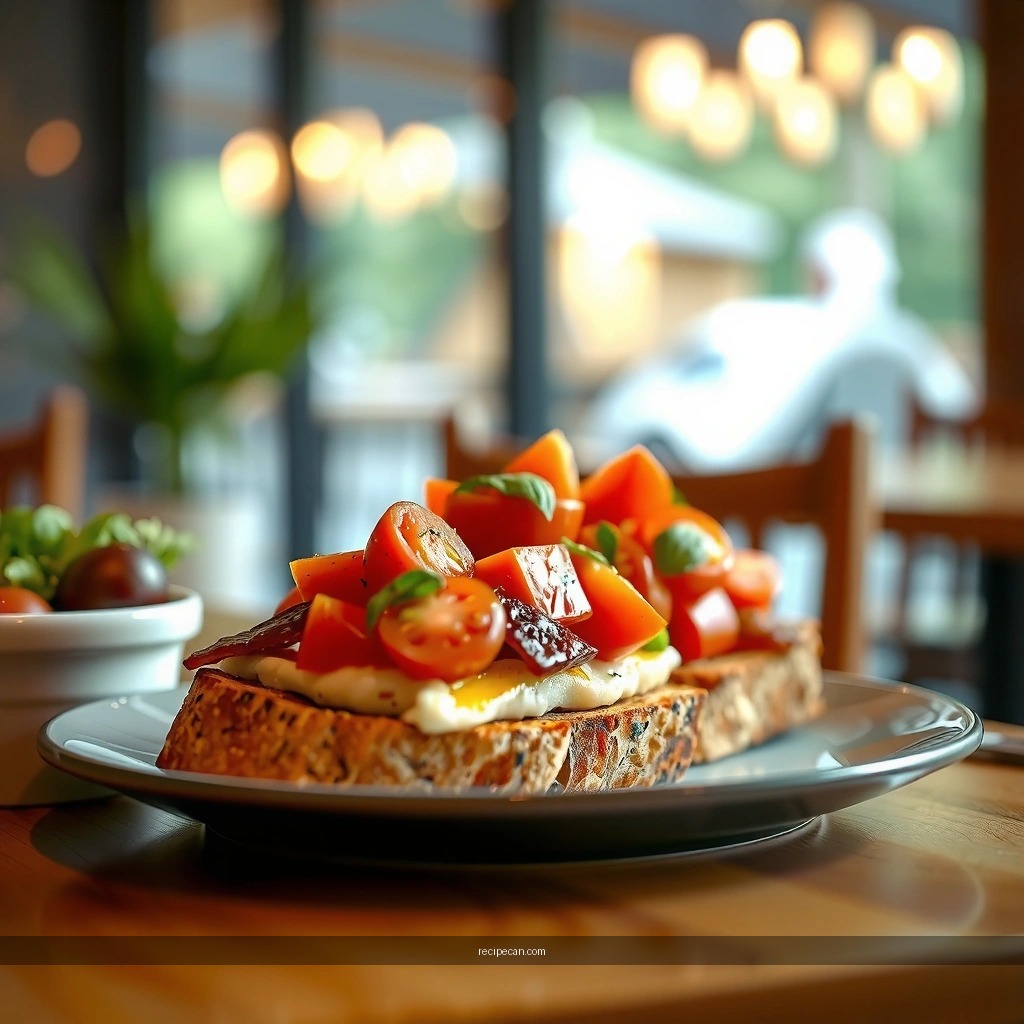
The tomato topping is where you control both flavor and moisture. The classic approach is to dice tomatoes small, salt them lightly, then combine with garlic, olive oil, and basil. Letting it sit briefly draws out excess liquid and lets the ingredients harmonize—without turning it into a cooked sauce.
– Dice tomatoes and season them with salt
Dice into small, even pieces so every bite gets tomato, basil, and oil. Salt early (after dicing) helps concentrate flavor and encourages a predictable release of juices. If your tomatoes are very watery, you can briefly drain the mixture after salting (see tips below).
– Add minced garlic, olive oil, and basil
Mince garlic finely, then mix it into the tomatoes with EVOO. Add torn basil at the end so it stays aromatic and green rather than wilting. For a more original flavor balance, avoid adding vinegar or sweeteners—traditional bruschetta relies on tomato sweetness and olive oil’s fruitiness.
– Let the mixture sit briefly so flavors meld
Rest 5–10 minutes at room temperature. This is enough for salt to season and for garlic to lightly perfume the tomatoes. Longer resting can increase juice accumulation, which is the main enemy of crisp bruschetta bread.
Moisture control: a professional technique
If you want the topping to taste fresh but not flood your toast, use this workflow:
1. Dice tomatoes into a bowl.
2. Salt and rest 5–7 minutes.
3. Skim off excess liquid (or lightly press tomatoes against a strainer) before adding the rest of the olive oil and basil.
This preserves the “tomato-on-toast” texture that distinguishes bruschetta from bruschetta-style spreads.
Toast and Rub the Bread
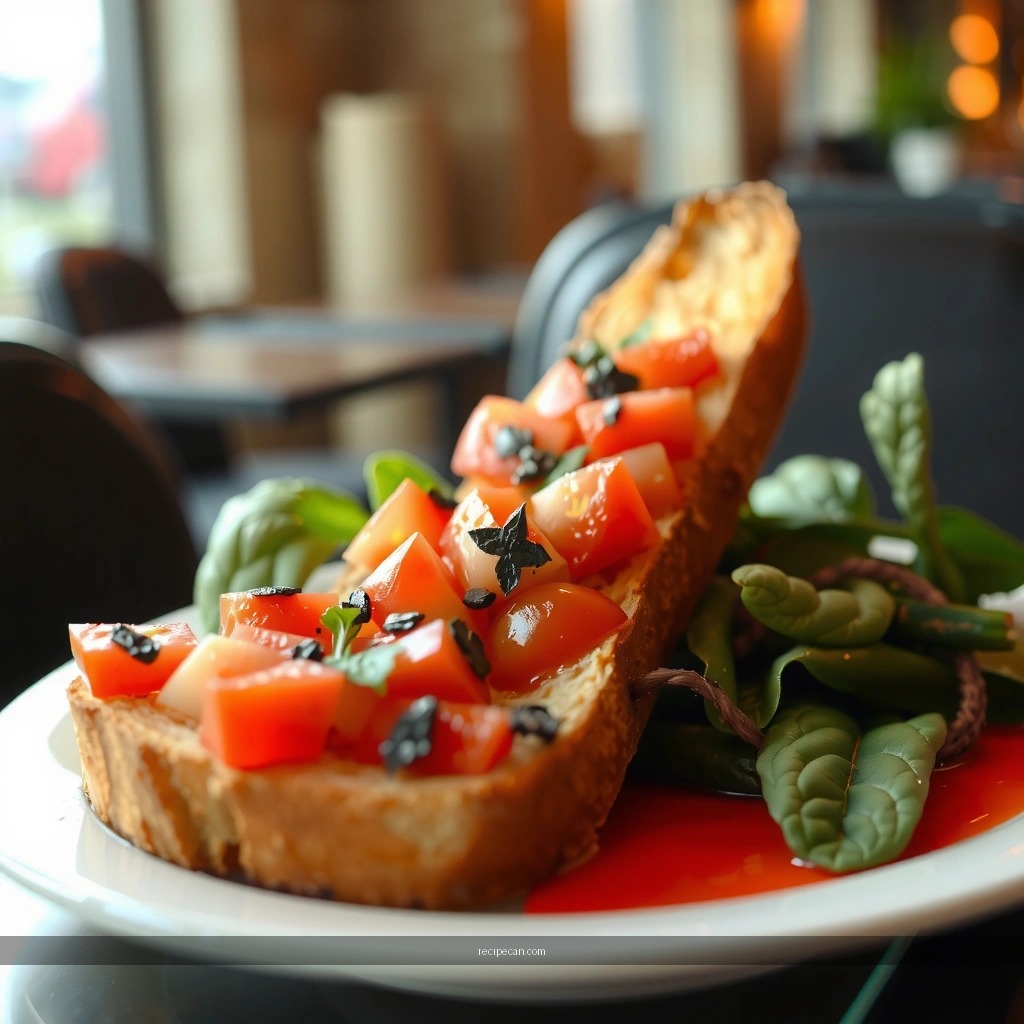
Crisp bread is not optional for true bruschetta. The goal is to create a warm, lightly golden surface that can absorb EVOO without becoming soft. Then, a garlic rub delivers aroma—subtle, not overpowering.
– Toast bread slices until crisp and lightly golden
Toast in an oven or on a grill pan until the surface is dry and crisp. You’re aiming for structure: edges may darken slightly, but avoid burning the center.
– Rub warm toast with garlic for classic aroma
Cut a garlic clove in half and rub the cut side over the hot bread. The heat helps release garlic’s aroma; because the rub is brief and surface-level, it stays elegant.
– Drizzle with olive oil before adding the topping
Drizzle EVOO onto the toast right before assembling. This acts as a flavor bridge between bread and tomatoes and helps the tomato topping “stick.”
Timing matters: toast first, rub and oil immediately, then top right away. The best bruschetta is assembled with intent—every element at its peak.
Assemble for the Best Texture
Assembly is where home versions often drift away from “original.” If you pile topping too early or use too much juice, the bread loses its crisp edge. If you keep everything balanced and serve promptly, you’ll get the signature contrast: warm garlic toast + juicy tomato + fragrant basil.
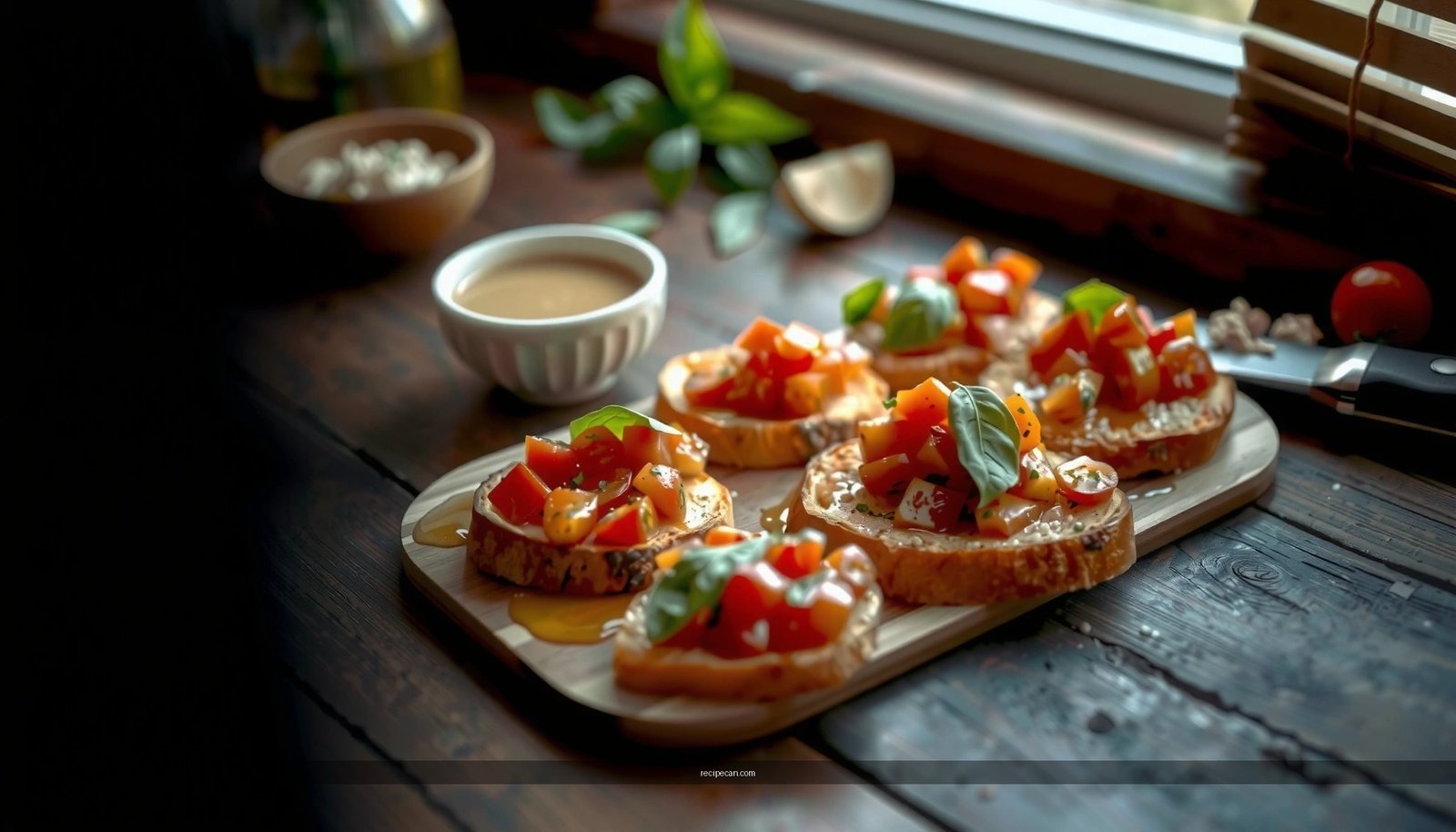
– Spoon tomato mixture onto the toasted bread just before serving
Use a spoon to place tomato pieces evenly. If there is excess liquid in the bowl, don’t pour it onto the toast—either discard it or reserve for another use (like tomato water vinaigrette).
– Keep topping portions generous but not soggy
“Generous” means you can clearly see tomatoes and basil on top, not that the plate is swimming in juice. A good target is topping each slice with about 2–3 tablespoons diced tomato mixture, depending on bread thickness.
– Add a final drizzle of olive oil and basil on top
Finish with a light EVOO drizzle and a few extra basil leaves for visual freshness and aromatic lift. This final step also rounds out flavors right before guests take the first bite.
Quick texture checklist
– Bread surface is crisp to the touch.
– Tomato topping looks juicy but is not pooled.
– Basil stays bright green and aromatic.
– Garlic flavor reads as fragrance, not sharpness.
Key Tips to Keep It “Original”
To reproduce classic tomato-garlic bread, prioritize freshness and restraint. Many bruschetta variations include extra seasonings (like balsamic vinegar), but the original style keeps the spotlight on tomatoes, garlic, olive oil, and basil.
– Use minimal seasoning so the tomatoes taste fresh
Salt is enough. Taste your tomato mixture before topping. If tomatoes are sweet, you don’t need sugar or complicated acids. If they’re bland, correct with salt rather than masking with extra flavors.
– Avoid watery tomatoes—drain excess liquid if needed
Watery tomatoes are common—especially in off-season. If your bowl has a lot of liquid after salting, drain through a fine strainer or gently press. This one adjustment is often the difference between soggy and crisp.
– Serve immediately to preserve crunch
Bruschetta is not a “make-ahead” appetizer if you want the authentic texture. Serve within 10–15 minutes of topping. If you need to host, you can toast the bread ahead and keep it warm, but assemble at the last moment.
Make-ahead strategy that still works
– Prep tomatoes (dice and mix, then refrigerate up to 1–2 hours).
– Keep bread separate (toast right before serving).
– Assemble last (stir tomato mixture, drain if needed, then top).
This approach respects freshness while reducing pressure during service.
Serving Ideas and Pairings
Classic bruschetta is flexible, but it performs best when it remains the star. Think of it as a bright, olive-oil-forward appetizer that pairs with salty, savory, or fresh elements.
– Serve as an appetizer with olives or cured meats
Olives, prosciutto, or bresaola complement the saltiness of the topping and enhance the Mediterranean profile without overpowering it.
– Pair with a simple green salad for balance
A salad with lemon, olive oil, and crisp greens adds freshness and reduces the richness of the toasted bread. Keep dressings light so the basil doesn’t get drowned out.
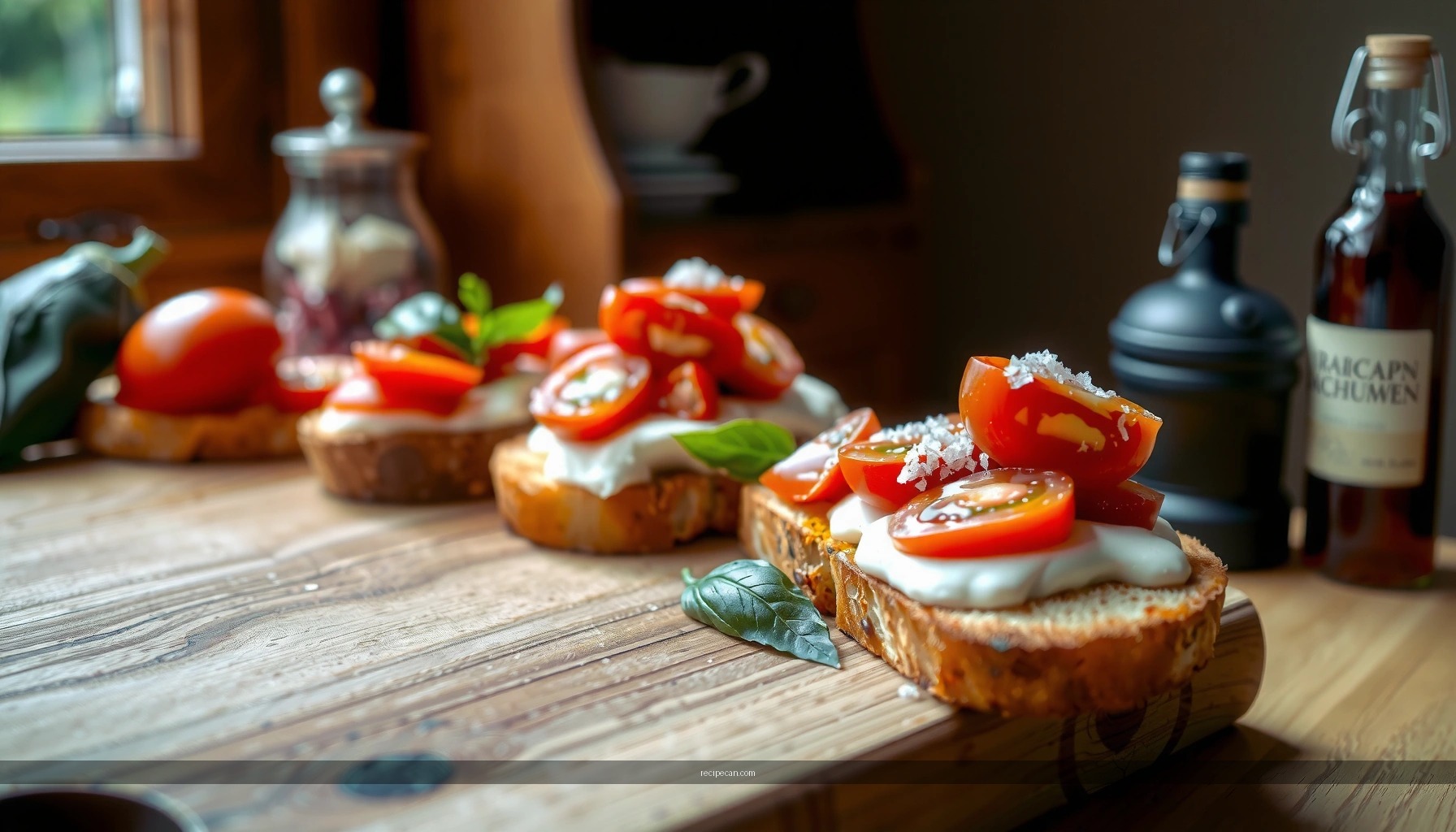
– Add a sprinkle of flaky salt right before serving if desired
Flaky salt offers a final burst of seasoning and texture. Use it sparingly—too much can shift bruschetta from “simple and bright” to “over-salted.”
Optional serving notes (still “original” aligned)
If you want garnish ideas that don’t fundamentally change the dish:
– Add a few extra basil leaves.
– Drizzle a little more EVOO at the end.
– Use freshly cracked black pepper only if your tomatoes are exceptionally sweet (otherwise it can clash with the classic softness).
—
Bruschetta original recipe is all about toasted bread plus a fresh tomato-garlic topping seasoned with olive oil and basil. Follow the steps above—especially assembling right before serving—to get the classic texture and flavor. Make it your next appetizer and share your tweaks (like extra basil or a little extra garlic) for the perfect result.
Frequently Asked Questions
What is the original bruschetta recipe with traditional ingredients?
The classic (original) bruschetta recipe starts with toasted slices of rustic Italian bread rubbed with garlic and drizzled with extra virgin olive oil. The topping is typically a simple mix of ripe tomatoes, salt, black pepper, and basil, often finished with a splash of olive oil and sometimes a touch of balsamic vinegar. Keep the ingredients fresh and minimally processed so the flavors stay authentically Italian.
How do you make bruschetta bread correctly so it doesn’t get soggy?
Toast the bread until it’s crisp and golden, ideally on a grill or under a broiler, then rub the hot toast with garlic right away. Use ripe tomatoes and drain excess liquid if your tomatoes are very watery, or assemble just before serving. Toss tomatoes gently with salt and olive oil, let them sit briefly, and then spoon them onto the bruschetta so the bread stays crunchy.
Why do Italians rub garlic on the bread instead of mixing it into the topping?
Rubbing garlic on warm toasted bread infuses the aroma evenly without overpowering the tomato mixture. It keeps the tomato topping clean and bright, while the garlicky flavor sits on the base where it can shine with the olive oil. This approach is central to the original bruschetta style and helps maintain a balanced, not garlicky-heavy, result.
Which tomatoes are best for the original bruschetta recipe?
Use firm, ripe, flavorful tomatoes such as Roma, San Marzano, or other Italian plum-style varieties for the best bruschetta topping. These tomatoes tend to have less excess water and hold their shape better when diced. For maximum flavor, chop them close to serving time and season with salt, black pepper, and fresh basil.
Best way to serve bruschetta—do you prepare the topping in advance?
Bruschetta is best when assembled right before serving so the toasted bread remains crisp. You can prepare the tomato mixture ahead of time, but avoid soaking the bread in juices; store the tomatoes covered in the refrigerator and gently refresh them with olive oil and basil when ready. If you’re feeding a crowd, toast bread in batches and spoon the original bruschetta topping on at the last moment for the best texture.
References
- Bruschetta
https://en.wikipedia.org/wiki/Bruschetta - https://en.wikipedia.org/wiki/Bruschetta_alla_romana
https://en.wikipedia.org/wiki/Bruschetta_alla_romana - Crostini
https://en.wikipedia.org/wiki/Crostini - Garlic bread
https://en.wikipedia.org/wiki/Garlic_bread - Italian cuisine
https://en.wikipedia.org/wiki/Italian_cuisine - https://www.britannica.com/topic/bruschetta
https://www.britannica.com/topic/bruschetta - https://www.treccani.it/vocabolario/bruschetta/
https://www.treccani.it/vocabolario/bruschetta/ - Google Scholar Google Scholar
https://scholar.google.com/scholar?q=bruschetta+original+recipe - Google Scholar Google Scholar
https://scholar.google.com/scholar?q=bruschetta+alla+romana+history - https://scholar.google.com/scholar?q=bruschetta+origin+crostini+grilled+bread Google Scholar
https://scholar.google.com/scholar?q=bruschetta+origin+crostini+grilled+bread