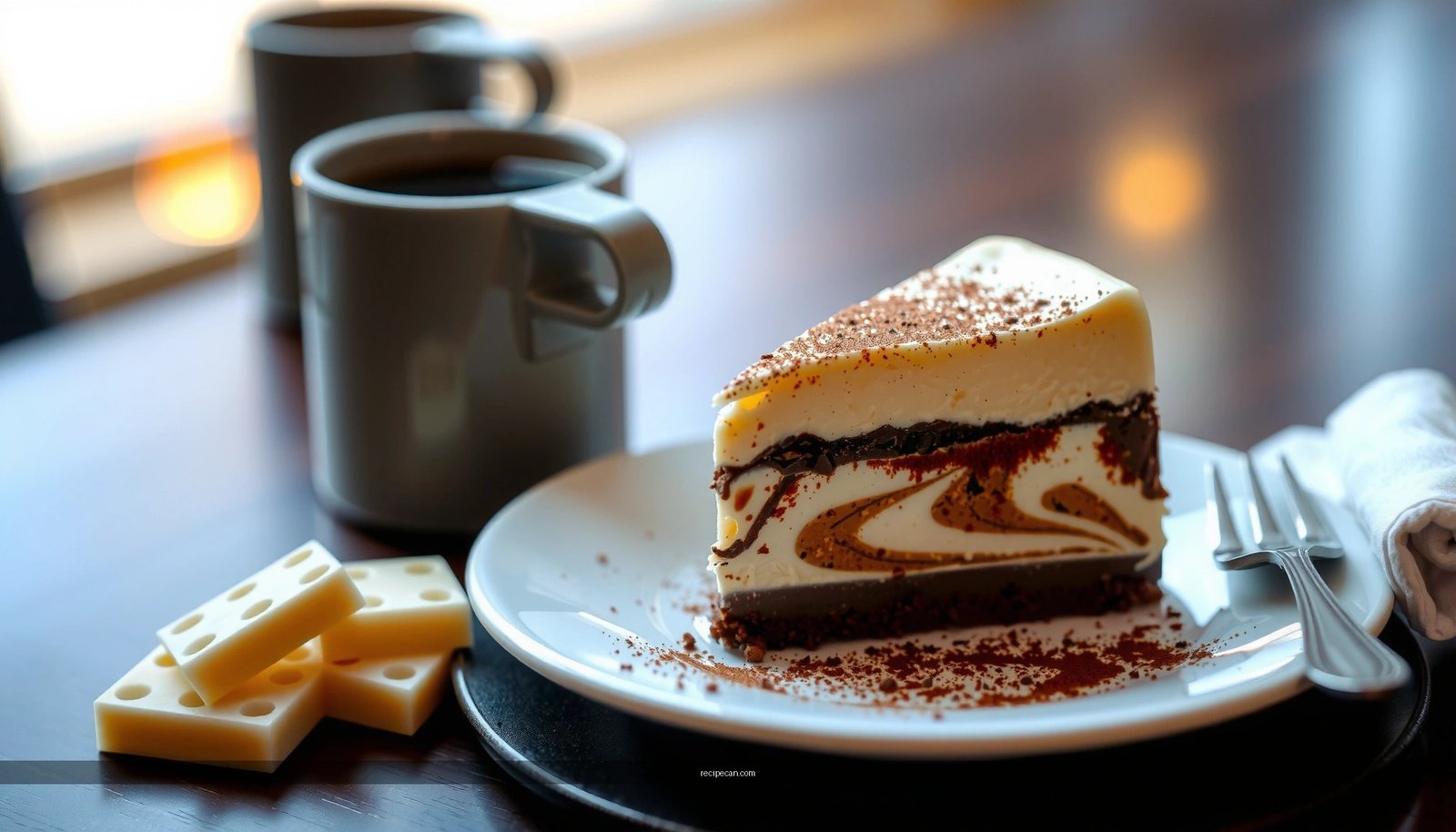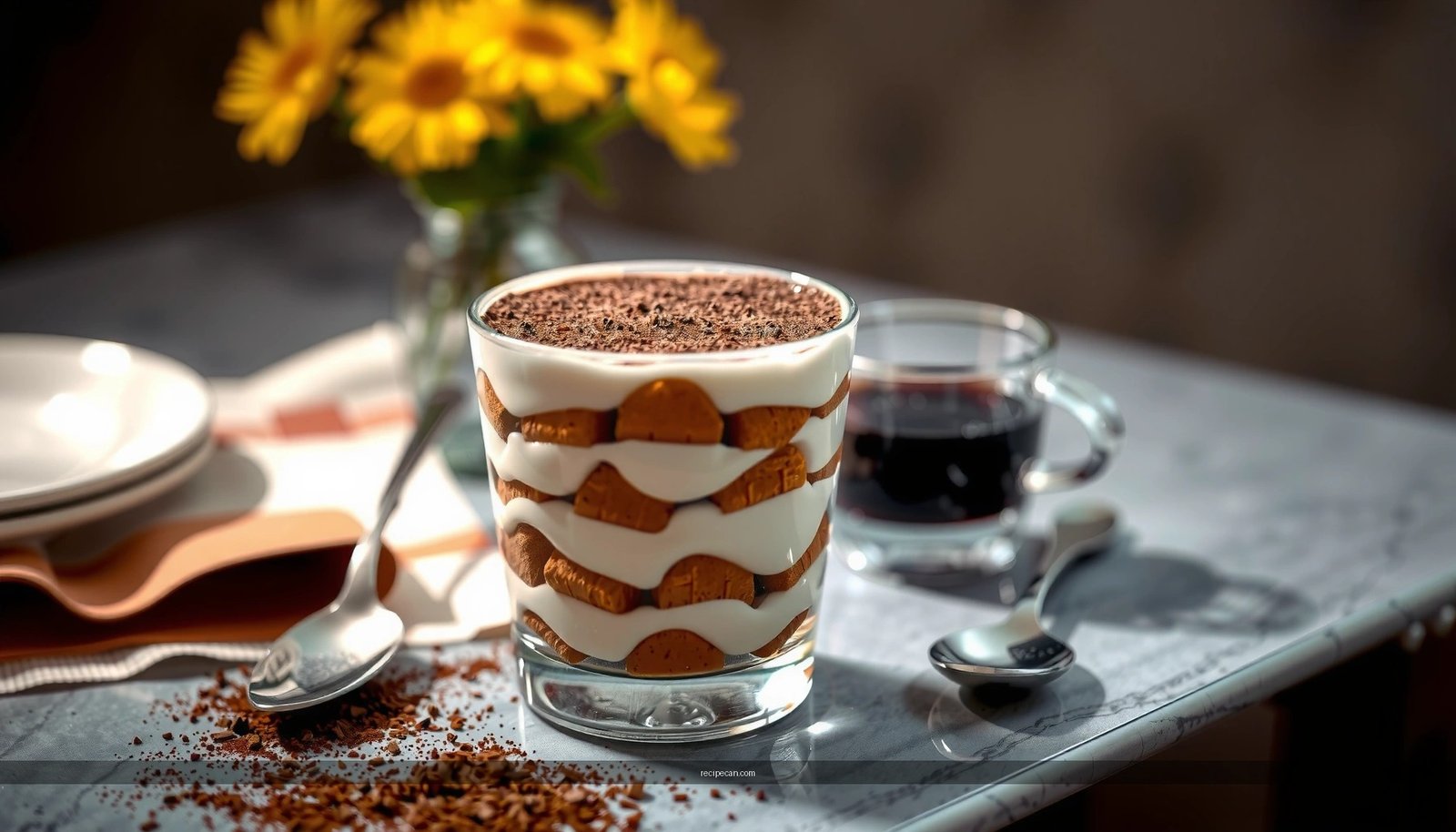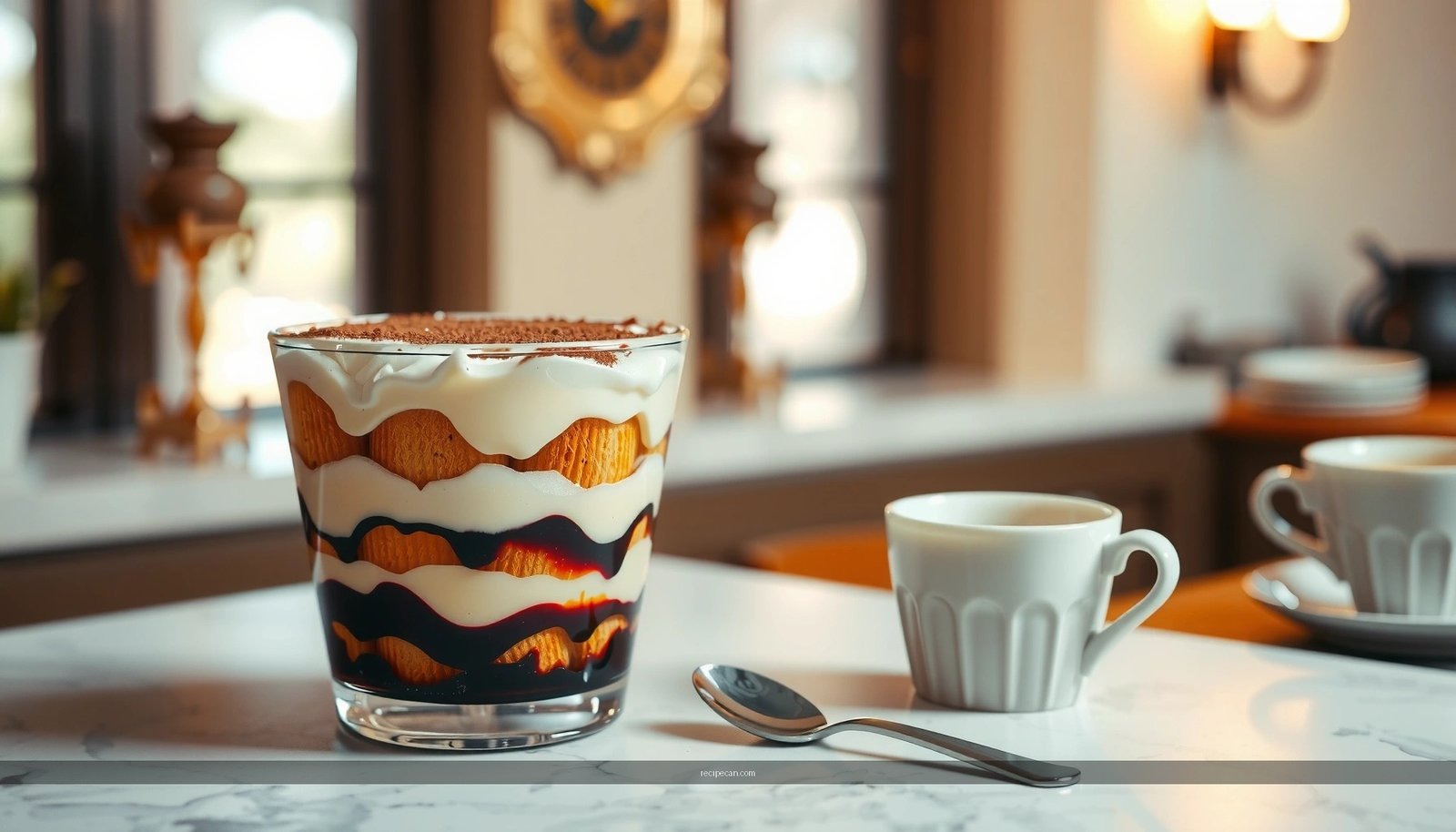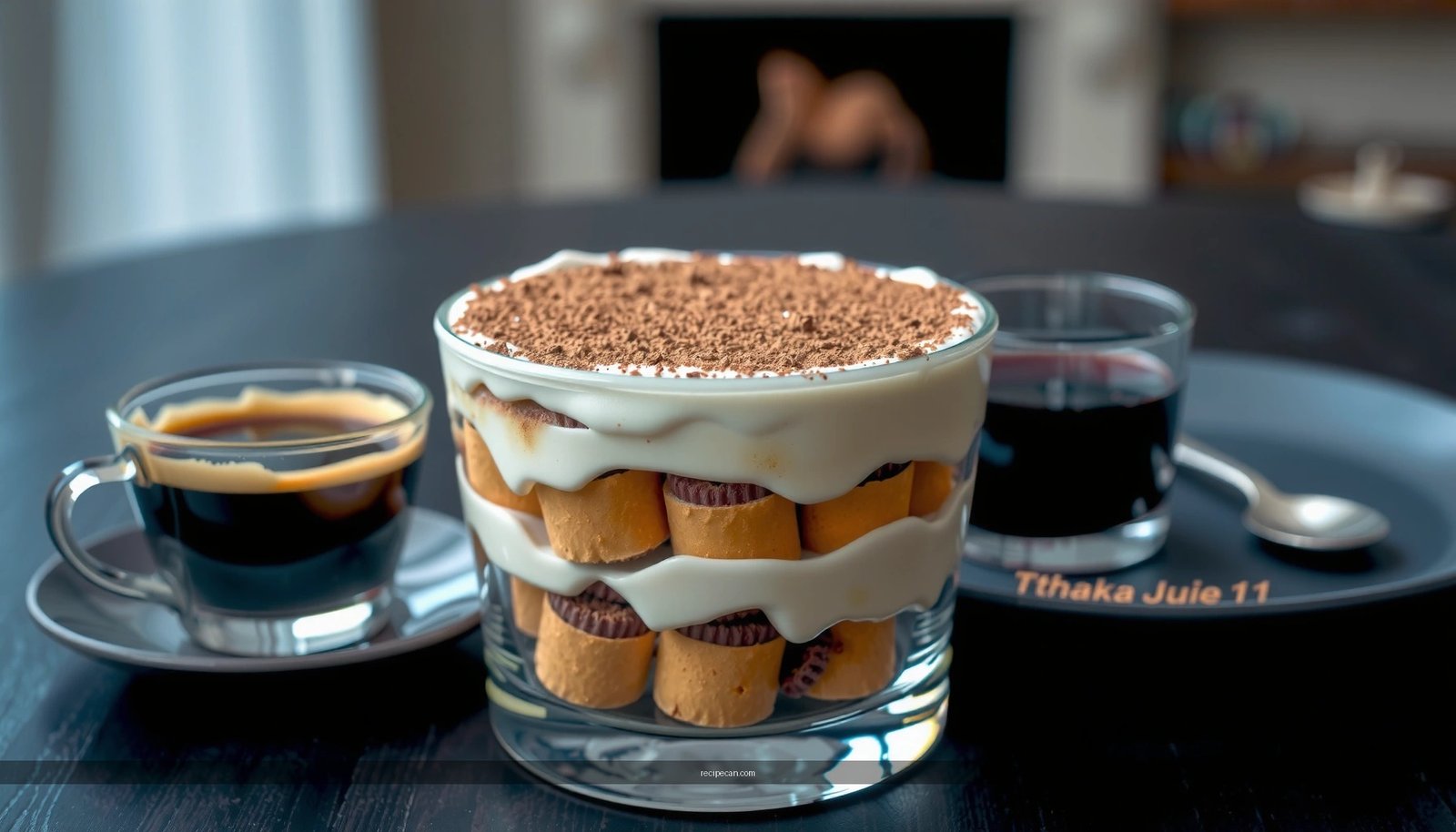
The best ever tiramisu recipe is the one that delivers classic coffee-soaked ladyfingers, a silky mascarpone filling, and a cocoa finish that tastes better the next day. This ultimate version answers your main question—what exact method makes tiramisu reliably rich, balanced, and sliceable every time. Follow these steps and you’ll get a true crowd-pleaser, not a soggy, overly sweet imitation.
Make this tiramisu creamy and café-like by using fresh, strong espresso and dipping ladyfingers for only a second or two—then letting the dessert chill until the layers fully set. In this guide, you’ll get the exact layering method and timing to avoid soggy cookies while delivering that signature mascarpone silkiness that holds its shape slice after slice.
Make the best ever tiramisu recipe with fresh, strong espresso, silky mascarpone, and properly softened ladyfingers—so it’s creamy, not soggy. In this guide, you’ll learn the exact layering method and timing to get that classic café texture every time.
What Makes This the Best Ever Tiramisu?

Tiramisu succeeds or fails on balance and technique. The “best ever” version isn’t defined by indulgence alone—it’s defined by structural integrity (layers that hold) plus sensory contrast (bold coffee against bright, creamy mascarpone). This recipe is engineered around two principles:
– Balances rich mascarpone with bold espresso flavor
Mascarpone provides fat and sweetness, but espresso supplies the bitterness and aroma that keep the dessert from tasting flat or overly dairy-forward. Using fresh espresso (or a strong coffee) creates a more complex flavor profile than weak brewed coffee or instant mixes.
– Uses the right dip time to avoid soggy layers
Ladyfingers are porous by design. If they absorb too much liquid, you get mushy layers and watery edges. If you dip too briefly, you may end up with dry, under-seasoned bites. The goal is “briefly softened”—not saturated.
To bring this into perspective, consider how different coffee strengths affect perceived flavor. Strong espresso has more total dissolved solids and aromatics, which translate into a clearer coffee presence even after it’s mixed and layered.
How Coffee Strength Maps to Perceived Tiramisu Flavor (Brix-Approx. & Sensory)
| # | Brew Target | Approx. Extract (TDS) | Dip Flavor Intensity | Batch Recommendation |
|---|---|---|---|---|
| 1 | Espresso, fresh | ~8–10% TDS | High ★★★★☆ | Best |
| 2 | Stovetop moka (strong) | ~6–8% TDS | Good ★★★★☆ | Great |
| 3 | Pour-over, standard | ~3–5% TDS | Medium ★★★☆☆ | Acceptable (dip faster) |
| 4 | Cold brew (diluted) | ~2–3% TDS | Light ★★☆☆☆ | Risk (flavor fades) |
| 5 | Drip coffee, weak | ~1.5–2.5% TDS | Very light ★☆☆☆☆ | Not recommended |
| 6 | Instant coffee, reconstituted | ~2–4% TDS | Medium to low ★★☆☆☆–★★★☆☆ | Use only with strong concentrate |
| 7 | Espresso + slight dilution | ~5–7% TDS | High ★★★★☆ | Excellent (if taste is too intense) |
Ingredients You’ll Need
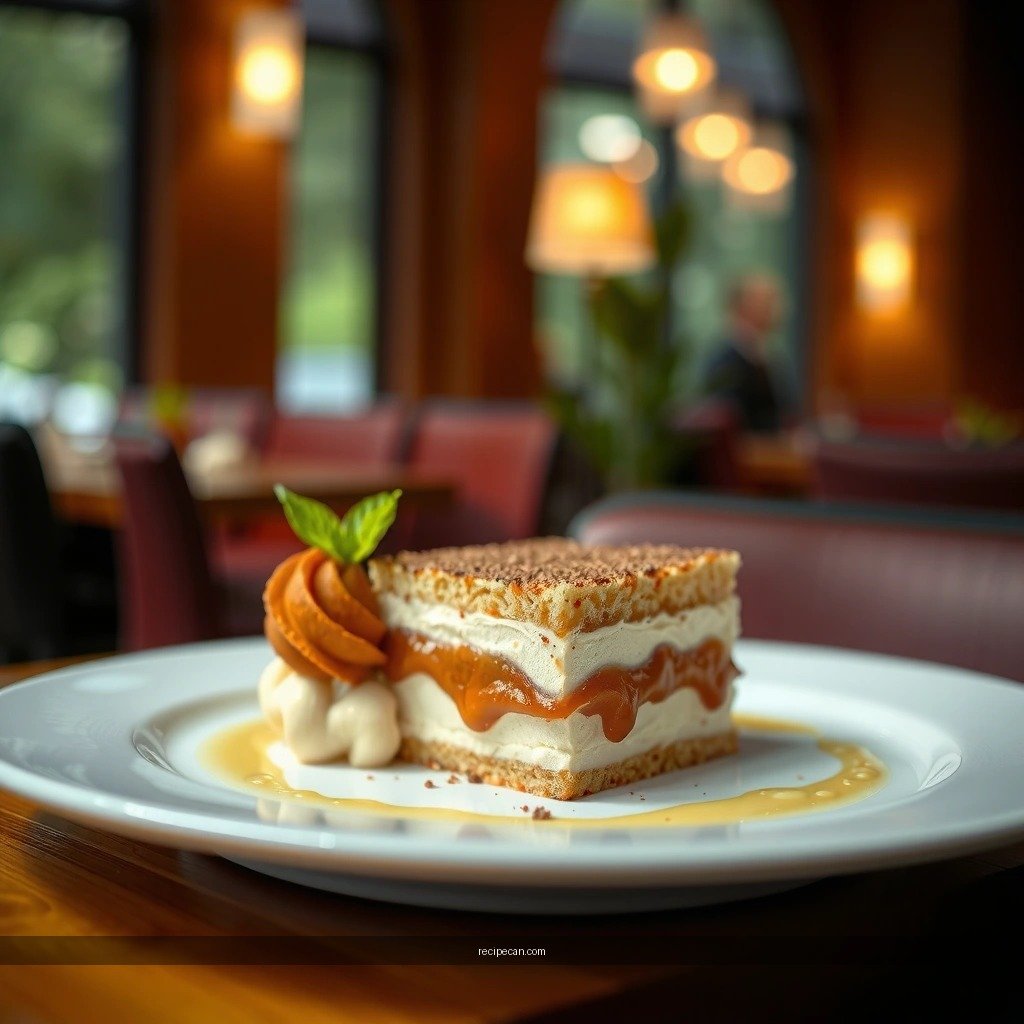
You can absolutely make “the ultimate classic” at home, but the ingredient quality is non-negotiable—especially espresso and mascarpone.
– Fresh espresso (or strong coffee) and quality mascarpone
Choose mascarpone that’s thick and creamy (not watery). For coffee, prioritize freshly brewed espresso. If you use drip or pour-over, brew stronger than you normally would—your target is bold, aromatic flavor that survives the fat of mascarpone.
– Ladyfingers, eggs, sugar, cocoa powder, and optional vanilla
Classic recipes use eggs (for a custardy, aerated cream). Ladyfingers provide structure, so select “savoiardi” style sponge cookies—light, not dense.
Quick specification for equipment and timing:
Have a mixing bowl large enough for folding, a whisk/hand mixer for whipping, and a shallow dish for dipping so you can dip quickly and consistently.
Step-by-Step Instructions (Layering & Timing)
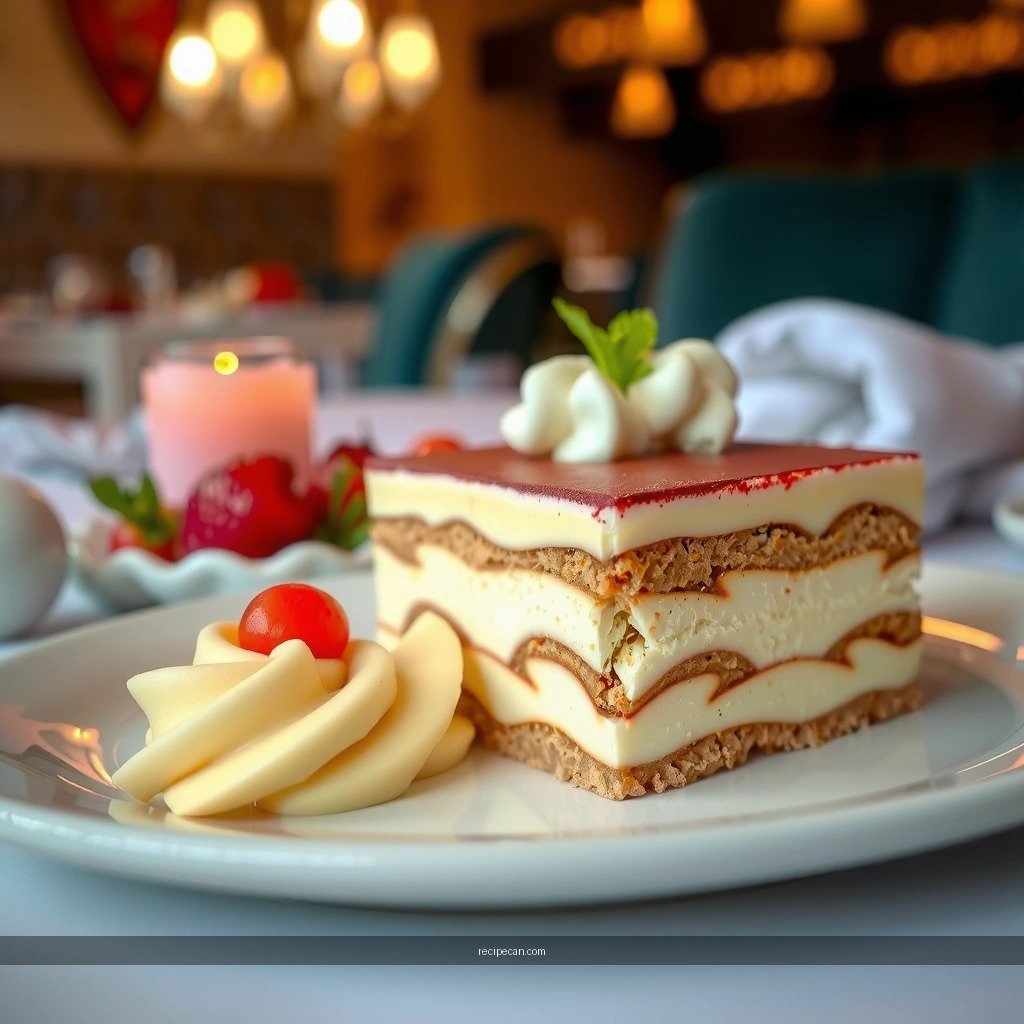
The layering process is where quality becomes repeatable. Tiramisu is essentially a build: coffee-softened structure + aerated mascarpone cream + controlled rest time.
– Whip mascarpone mixture until smooth and thick
Start by loosening mascarpone just enough to remove lumps, then whip with sugar and egg components (if using) until it becomes smooth, thick, and glossy. Over-whipping can turn it grainy, while under-whipping leaves it loose and prone to sliding between layers.
– Dip ladyfingers briefly, then layer for perfect structure
Dip ladyfingers quickly—think “coat, don’t soak.” As soon as the cookies flex or glisten, pull them out. Let excess drip back into the dish for a few seconds before placing into your pan.
Actionable layering method (classic café texture):
1. Prepare espresso first so it can cool to room temperature (hot espresso can melt cream and lead to uneven soaking).
2. Whip the mascarpone cream until it’s thick and holds shape.
3. Dip ladyfingers: 1–2 seconds per side maximum.
4. Build layers:
– First layer: ladyfingers in a single, even row(s).
– Cream: spread to the edges with a gentle smoothing motion.
– Repeat once more for two substantial layers.
5. Top with cocoa powder just before serving or shortly after chilling (for the freshest look).
If you’re serving professionally (events, catering, brand hospitality), consistency matters: use the same pan size every time so your cream height and cookie coverage remain stable.
The Secret to Fluffy Mascarpone Cream
Fluffiness in tiramisu is not luck—it’s technique and temperature management. The mascarpone needs to trap air while staying stable. That means soft peaks and careful folding.
– Whip until soft peaks (not runny) for a light texture
Soft peaks should look cloud-like and hold shape briefly before settling. If it’s runny, it won’t support crisp layering. If it’s stiff and dry, it can become heavy and less creamy on the palate.
– Fold gently to keep the cream airy
Once you incorporate additional components (such as whipped eggs/whites), folding should be deliberate and minimal. Over-mixing deflates the air you worked to create. The result: a cream that tastes good but feels dense and separates more easily.
Professional cue: watch for a smooth, ribboning texture—when you lift the whisk, the cream should fall back in thick ribbons, not watery streams.
Common Mistakes (and How to Fix Them)
Even experienced bakers run into the same few issues. Here’s how to troubleshoot quickly and reliably.
– Too-long dipping = wet tiramisu; dip fast and drain briefly
Fix: reduce dip time to about 1–2 seconds per side. After dipping, pause the cookie above the dish for 2–5 seconds so excess espresso drips off. You can also pour or spoon espresso over the cookie layer rather than dipping—useful for very soft ladyfingers.
– Flat flavor = weak coffee; use strong espresso and cool it slightly
Fix: brew stronger coffee than you think you need. Espresso should taste bold on its own. Then cool it slightly before dipping so it doesn’t prematurely warm the cream and accelerate absorption.
Other issues to watch for:
– Grainy cream: often from over-whipping mascarpone or mixing too aggressively after egg incorporation. Mix only until combined.
– Cream sliding between layers: indicates cream was too loose. Chill the cream base briefly before assembling if your kitchen is warm.
– Cocoa dissolves into dark paste: sprinkle cocoa after the dessert has chilled (or right before serving) so the topping stays dry and crisp.
Serving, Chilling, and Storage Tips
Tiramisu isn’t fully “done” when it’s assembled. Chilling is what transforms the texture—ladyfingers soften evenly, coffee and mascarpone flavors meld, and the whole structure sets into clean slices.
– Chill at least 4 hours (overnight is best) for best flavor
Minimum viable chill: 4 hours. For the true café texture—where the coffee permeates without making layers collapse—overnight is the gold standard.
– Store covered in the fridge up to 2–3 days
Keep it covered to prevent fridge odors and drying on top. For best quality, serve within 48 hours.
Storage strategy for events or prep
If you’re preparing for a dinner party or client delivery:
– Assemble the night before for optimal texture.
– Portion slices closer to serving time rather than moving the entire tray repeatedly.
How to Dial-In Dip & Chill for Classic Texture
| Option | Dip Method | Dip Time | Chill Time | Best For |
|---|---|---|---|---|
| A | Direct dip in cooled espresso | 1–2 sec/side | Overnight | Classic slice integrity |
| B | Quick brush over cookies | Light coating | 6–8 hours | Drier, firmer texture |
| C | Spoon espresso between layers (no soaking) | Controlled drizzle | Overnight | Large-batch catering |
| D | Hot espresso + dip quickly | <1 sec/side | 4 hours | Not ideal; texture risk |
| E | Room-temp espresso + dip longer | 3–4 sec/side | 4–6 hours | Wet tiramisu risk |
The Verdict in Plain Terms
If you want the best ever tiramisu recipe, focus on two levers: espresso strength and dip timing. Whip your mascarpone cream until it’s thick and airy, then build with fast, controlled dipping so the cookies soften evenly. Finally, chill long enough for the flavors to mature.
After you follow this best ever tiramisu recipe—especially the quick espresso dip and the fluffy mascarpone cream—you’ll get layers that hold together and melt in your mouth. Make it today, chill it properly, and then share it with friends (or save a slice for later).
Frequently Asked Questions
What makes the best ever tiramisu taste so rich and creamy?
The best ever tiramisu gets its signature richness from a well-whipped mascarpone mixture and properly balanced espresso-soaked ladyfingers. Use full-fat mascarpone and whip until smooth so the cream holds a silky texture. Also, avoid soaking too long—light, even espresso coating prevents sogginess while keeping the tiramisu flavorful.
How do you make the best ever tiramisu without curdling the mascarpone?
Make sure your mascarpone is softened to room temperature before mixing, and whip on low to medium speed to avoid breaking the dairy. If you add yolks or other ingredients, temper them gradually (slowly mix in a little warm mixture) rather than pouring in all at once. For a foolproof approach, many recipes use whipped mascarpone with carefully folded components to keep the texture stable.
Why does my tiramisu become watery, and how can I fix it?
Watery tiramisu usually comes from over-soaking the ladyfingers or using espresso that’s too hot, which can cause rapid absorption. Let the espresso cool to room temperature, then dip each side briefly—think seconds, not long submersion. Chilling helps set the dessert, but if it’s still loose, reduce liquid in future versions and use thicker, fresher mascarpone.
Which espresso should you use for the best ever tiramisu flavor?
Use strong brewed espresso or an espresso substitute like moka pot coffee to get a bold coffee flavor that stands up to the creamy mascarpone. Choose a roast you enjoy drinking—medium to dark roasts typically create the classic tiramisu depth. If you want a smoother profile, add a small splash of coffee liqueur or vanilla, but keep the coffee dominant for true best ever tiramisu taste.
What are the key steps to assemble the best ever tiramisu so it slices cleanly?
Layering correctly is essential: start with a thin mascarpone layer, add ladyfingers in a single, even layer, then repeat with another mascarpone layer. Chill for at least 4–6 hours (overnight is even better) so the tiramisu sets and holds structure. Finish by dusting with cocoa powder right before serving to prevent moisture from bleeding into the top layer.
References
- Google Scholar Google Scholar
https://scholar.google.com/scholar?q=best+tiramisu+recipe - Google Scholar Google Scholar
https://scholar.google.com/scholar?q=tiramisu+recipe+history+mascarpone+egg+coffee+cocoa - Google Scholar Google Scholar
https://scholar.google.com/scholar?q=tiramisu+sensory+evaluation+mascarpone+ladyfingers+espresso - Tiramisu
https://en.wikipedia.org/wiki/Tiramisu - Tiramisu | Meaning, Ingredients, Origin, Desserts, & Taste | Britannica
https://www.britannica.com/topic/tiramisu - https://www.bbc.co.uk/food/recipes/tiramisu_66886
https://www.bbc.co.uk/food/recipes/tiramisu_66886 - https://www.theguardian.com/food/2015/feb/14/tiramisu-recipe
https://www.theguardian.com/food/2015/feb/14/tiramisu-recipe - https://www.nytimes.com/2019/05/15/dining/tiramisu-recipe.html
https://www.nytimes.com/2019/05/15/dining/tiramisu-recipe.html - https://www.nytimes.com/interactive/2020/05/29/dining/tiramisu-recipe.html
https://www.nytimes.com/interactive/2020/05/29/dining/tiramisu-recipe.html - Google Scholar Google Scholar
https://scholar.google.com/scholar?q=best+ever+tiramisu+recipe