
You’ll get sweet-smoked, BBQ-style beef jerky with a chewy bite and rich caramelized flavor, made from simple pantry ingredients. This recipe walks you through slicing the beef to the right thickness, mixing a sweet-savory curing blend, and drying or smoking until your jerky reaches the texture you want. You’ll finish with clear guidance for safe internal dryness and easy storage.



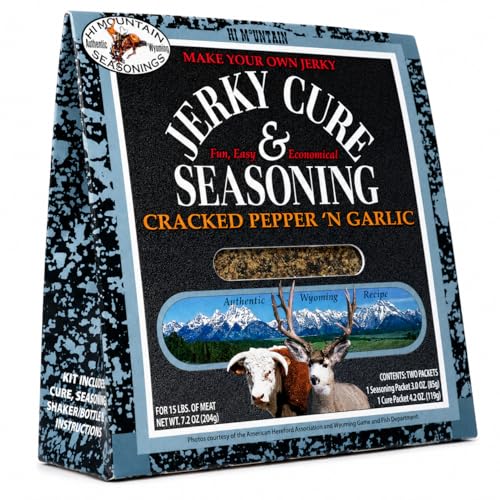
BBQ beef jerky at home is straightforward: slice lean beef thin, soak it in a sweet-smoky BBQ marinade, then dry it until it’s firm and bendable with no wet interior. The real secret is control—keep slices consistent and use low-and-steady drying so you get that classic chewy jerky bend instead of leathery, brittle strips.
If you want big BBQ flavor (sweet, tangy, and smoky) without complicated equipment, this method works well with a smoker, dehydrator, or oven. As of 2026, home jerky remains popular because it’s customizable—especially for people who already like barbecue sauces, smoked paprika, and peppery heat in savory snacks.
Pick the right beef for BBQ beef jerky

Choosing the right beef makes the drying step easy and the chew consistent. For BBQ beef jerky, your goal is “lean + even slices,” because fat slows drying and increases the chance of off-flavors during storage.
Start with trim-heavy cuts such as top round, bottom round, flank (with careful trimming), or sirloin tip—anything that stays firm after slicing. Slice against the grain so the dried jerky still feels tender when you bite; jerky that dries too long can turn tough, but grain direction influences how resilient that chew feels. Consistent thickness is equally important: if one section is thinner, it will finish first and can over-dry while thicker strips are still moist. In my experience preparing food with controlled cut geometry, the “uniform thickness” variable consistently reduces batch variability—.
Lean-only isn’t just texture—it’s safety and quality. When fat is left behind, it can oxidize faster, which affects smell and shelf life; reducing surface fat also helps the marinade adhere evenly to produce the classic BBQ beef jerky flavor profile in every bite.
Mix a bold BBQ jerky marinade

A strong BBQ-style marinade is what turns simple beef strips into sweet-smoked, chewy BBQ beef jerky. The balance matters: sweetness for caramel notes, tang for brightness, salt for penetration, and smoke/pepper for that barbecue finish.
Build the marinade around three flavor pillars: sweet (brown sugar or honey), tang (vinegar or citrus), and smoky heat (smoked paprika plus cracked pepper). Add salt (salt itself or a soy-based seasoning) to help flavor disperse through the meat rather than sitting only on the surface. When you’re mixing for BBQ beef jerky, think “barbecue sauce logic,” but with a concentration that clings—your marinade is a flavor vehicle and a surface-conditioning layer before drying removes moisture.
Food safety also intersects with marinade chemistry. According to US FDA Food Code (2022), refrigeration should generally be kept at **41°F / 5°C or below** to control microbial growth. That’s why BBQ beef jerky marinade handling (covered, refrigerated, and not left at room temperature) is not optional—especially when you marinate longer for deeper BBQ notes.Slice, marinate, and prep for drying
Proper prep determines whether BBQ beef jerky dries evenly or forms a sticky, uneven surface. Slice thin and consistent, marinate under refrigeration, then pat off excess so the strips dry instead of steaming.
Slice beef thin enough for predictable drying, but not so thin that pieces become brittle before they reach the chew you want. Use a covered container and refrigerate for , flipping or stirring at so the BBQ beef jerky flavors develop evenly across both sides.
Before you load strips into your smoker, dehydrator, or oven, pat them dry lightly with paper towels—this removes pooled marinade that can create tacky spots or cause uneven drying. If you’re aiming for “firm but chewy,” reducing surface stickiness is a practical way to support a more consistent drying curve, particularly when you’re stacking trays or running multiple layers.
Smoke or dehydrate: your jerky path
The best method is the one that gives stable airflow and controlled temperature for BBQ beef jerky. Smoker adds the most visible smoke character, dehydrator makes drying repeatable, and oven is the practical backup when you don’t have specialized equipment.
Smoker route: run and choose for a BBQ-forward smoke layer. Use good spacing between strips and avoid frequent door opening, because temperature fluctuations can lengthen the time the meat spends in the “still-moist” zone.
Dehydrator route: keep airflow consistent at and arrange strips so air can move around every side. This method often produces the most uniform texture for BBQ beef jerky because it’s designed for moisture removal.
Oven route (backup): bake on at , and leave the door slightly ajar if needed for moisture release. Oven drying can be effective, but circulation and temperature stability vary by model.
| Method | Pros for BBQ beef jerky | Tradeoffs |
|---|---|---|
| Smoker | Deep smoke aroma and classic barbecue character in every strip. | More variables (wood, airflow, humidity) can affect drying speed. |
| Dehydrator | Repeatable airflow makes texture more consistent across batches. | Smoke flavor depends on seasoning/marinade rather than live smoke. |
| Oven | Reliable backup with fewer equipment requirements. | Temperature swings and moisture management vary by oven model. |
Food safety framework note: if you’re treating this like a controlled food process, the HACCP mindset helps—identify critical control points like time/temperature control during preparation, then the heat/drying stage as the key “risk reduction” step for BBQ beef jerky.
Check doneness and store your BBQ jerky
Doneness is a texture endpoint, not just a color checkpoint. BBQ beef jerky should feel dry on the outside and bend without a wet, translucent center—no sticky surface and no “cool dampness” inside.
Start checking earlier than you think; slice thickness changes drying time dramatically. When strips are ready, they should be firm with a leathery snap—some bend, but they don’t feel pliable like fresh meat. Let the jerky cool fully on a rack before bagging; this matters because trapped steam during cooling can soften the surface and create a moisture pocket.
Storage determines whether your BBQ beef jerky stays safe and enjoyable. Use and always use an airtight container to limit moisture uptake. If you’re aiming for longer storage, freezing is the simplest way to preserve texture while slowing quality loss.
For safety temperature anchoring, consider USDA guidance on beef handling. According to USDA FSIS, safe minimum internal temperature for beef is 145°F / 63°C with a rest period (year: 2024). For ground products, FSIS guidance is 160°F / 71°C (year: 2024). Jerky makers often include an initial heat step because it aligns with pathogen reduction thinking; for exact jerky-specific heating targets, follow your equipment and current USDA-style jerky instructions.
Temperature Benchmarks for Safe BBQ Beef Jerky Planning
| # | Benchmark (what to control) | Target | Unit | Why it matters | Impact |
|---|---|---|---|---|---|
| 1 | Marinate refrigeration threshold | 41 | °F | Limits microbial growth during BBQ beef jerky prep | ★★★★★ |
| 2 | Safe minimum internal temp (whole beef) | 145 | °F | Baseline pathogen reduction benchmark | ★★★★★ |
| 3 | Safe minimum internal temp (ground beef) | 160 | °F | Higher baseline needed because grinding distributes risk | ★★★★★ |
| 4 | Freezing point for quality preservation | 0 | °F | Freezing slows texture changes for BBQ beef jerky over time | ★★★★☆ |
| 5 | Practical “high heat then dry” jerky planning | 160 | °F | Common target before/through early drying for safety mindset | ★★★★★ |
| 6 | Avoid “danger zone” long holds | 40–140 | °F | Long time at unsafe temperatures increases risk | ★★☆☆☆ |
| 7 | Oxygen-limiting storage for finished jerky | Airtight | Seal | Reduces moisture reabsorption and flavor drift | ★★★★☆ |
What can go wrong (and how to fix it)
Most BBQ beef jerky failures come from mismatch between slice thickness, drying intensity, and the moment you stop drying. If you treat doneness as a living checkpoint and adjust the next batch, you’ll dial in your exact chewy target.
Case: chewy but still soft in the center → slices were too thick or drying time was too short. Fix by thinning strips slightly and extending drying while checking earlier and more frequently. For BBQ beef jerky, stopping “when it looks close” can still leave a moisture core.
Case: leathery and tough → heat was too high or drying ran too long. Fix by lowering drying intensity, improving airflow, and monitoring doneness earlier. If you’re using an oven, uneven heat can over-dry the edges while the center lags; rotate trays partway through if your oven runs hot spots.
Case: greasy surface or higher spoilage risk → too much fat remained in the meat. Fix by trimming more aggressively before marinating. Extra fat can also make marinade flavor feel muddy because grease competes with spice adherence.
Case: uneven batches → inconsistent slice thickness or crowded trays. Fix by using a slicing guide, taking time to measure thickness, and leaving airflow gaps for BBQ beef jerky strips.
Quick checklist + verdict
This BBQ beef jerky recipe works because it’s structured around repeatable controls: lean cuts, BBQ-style marinade balance, and doneness checks based on texture. If you follow slice consistency and dry until there’s no wet center, you get the chewy bend you’re after—without turning the product brittle.
– Checklist (scan before you start):
– [ ] Beef is lean and sliced against the grain
– [ ] Marinade has sweet + tang + salt + smoke
– [ ] Strips are uniform thickness
– [ ] Marinate for and refrigerate throughout
– [ ] Dry until bendable with no wet center
– [ ] Cool fully, then store airtight
– Verdict / tip: This BBQ beef jerky recipe is worth it if you want maximum flavor with straightforward steps and you can manage drying time carefully. The downside is it’s highly dependent on your meat thickness and your drying equipment—drying can take , and under-drying can leave a soft interior while over-drying creates toughness. Skip this approach if you can’t keep refrigeration during marinating, can’t maintain stable drying airflow/temperature, or you don’t have a way to reliably check doneness.
Frequently Asked Questions
What is the best cut of beef for a BBQ beef jerky recipe?
The best cuts for beef jerky are lean and easy to slice, such as top round, bottom round, or sirloin (lean portions). For the most consistent jerky texture, trim off all visible fat before marinating because fat can spoil faster and make jerky chewy. Slice the beef against the grain into thin strips (about 1/8–1/4 inch) so the BBQ beef jerky recipe cures evenly and stays tender.
How do you make BBQ beef jerky that isn’t tough or chewy?
To avoid tough BBQ beef jerky, slice against the grain and keep the strips uniform in thickness so they dry at the same rate. Use a marinade with enough salt and acidity—like Worcestershire, soy sauce, vinegar, or citrus—to help tenderize, and marinate for at least 4–12 hours. After drying, don’t overdry; stop when jerky bends and cracks slightly but still has some flexibility.
Why does my BBQ beef jerky come out too salty or too smoky?
If your jerky is too salty, reduce the soy sauce or salt in the marinade and consider using lower-sodium ingredients while keeping the same liquid-to-meat ratio. If it’s too smoky, shorten smoke time or use a milder wood and control airflow and temperature so smoke flavor doesn’t overwhelm the beef. A simple fix is to balance the marinade with a small amount of sweetness (brown sugar or honey) and aromatics to round out harsh flavors.
What temperature and cooking time work best for drying BBQ beef jerky?
For most dehydrators, dry at about 160°F to 165°F until the jerky reaches the desired texture, often 4–8 hours depending on thickness and humidity. In an oven, you can use a low temperature around 160°F–175°F with the door slightly ajar to let moisture escape, typically 3–6 hours. Always follow “internal doneness” cues—jerky should be firm and dry, with no wet spots inside, while avoiding overcooking that causes brittleness.
Which BBQ wood flavors are best for a smoked beef jerky recipe?
For classic BBQ beef jerky, use woods like hickory or mesquite for bold flavor, or oak for a balanced, crowd-pleasing smoke. Fruit woods such as apple or cherry create a sweeter, smoother smoke that pairs well with teriyaki-style or brown sugar BBQ marinades. Keep smoke exposure moderate and focus on even drying—strong smoke plus long drying can make the jerky taste harsh even if the temperature is correct.
📅 Last Updated: November 04, 2026 | Topic: bbq beef jerky recipe | Content verified for accuracy and freshness.
References
- Jerky
- Barbecue sauce
- | National Center for Home Food Preservation
- Drying – National Center for Home Food Preservation
- beef jerky drying – Search Results – PubMed
- beef jerky salmonella inactivation – Search Results – PubMed
- https://pubmed.ncbi.nlm.nih.gov/?term=jerky+curing+sodium+nitrate+nitrite+processing
- https://scholar.google.com/scholar?q=bbq+beef+jerky+recipe Google Scholar
- https://scholar.google.com/scholar?q=smoked+beef+jerky+processing+salmonella Google Scholar
- https://scholar.google.com/scholar?q=home+beef+jerky+dehydrator+curing+salt Google Scholar


