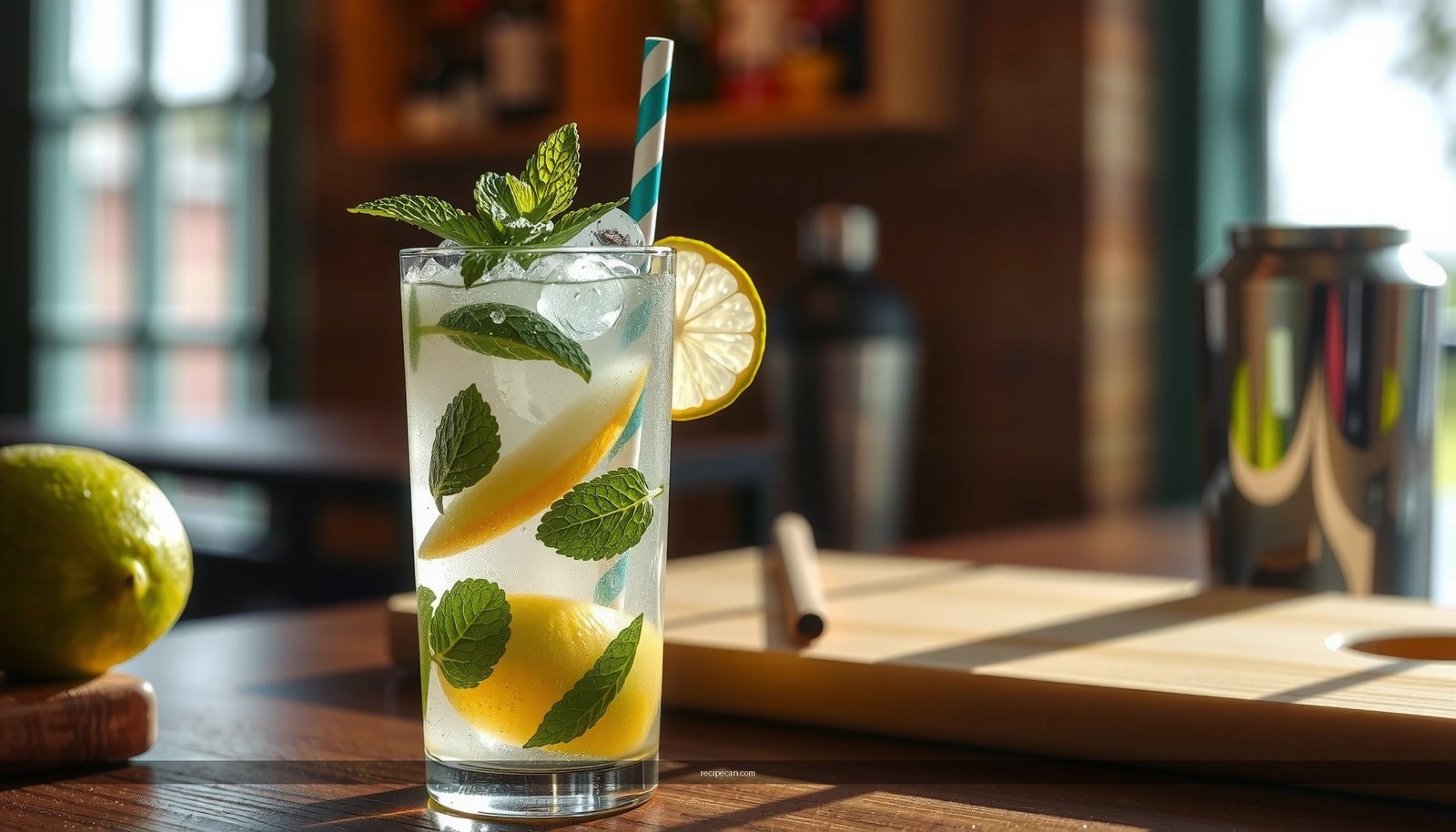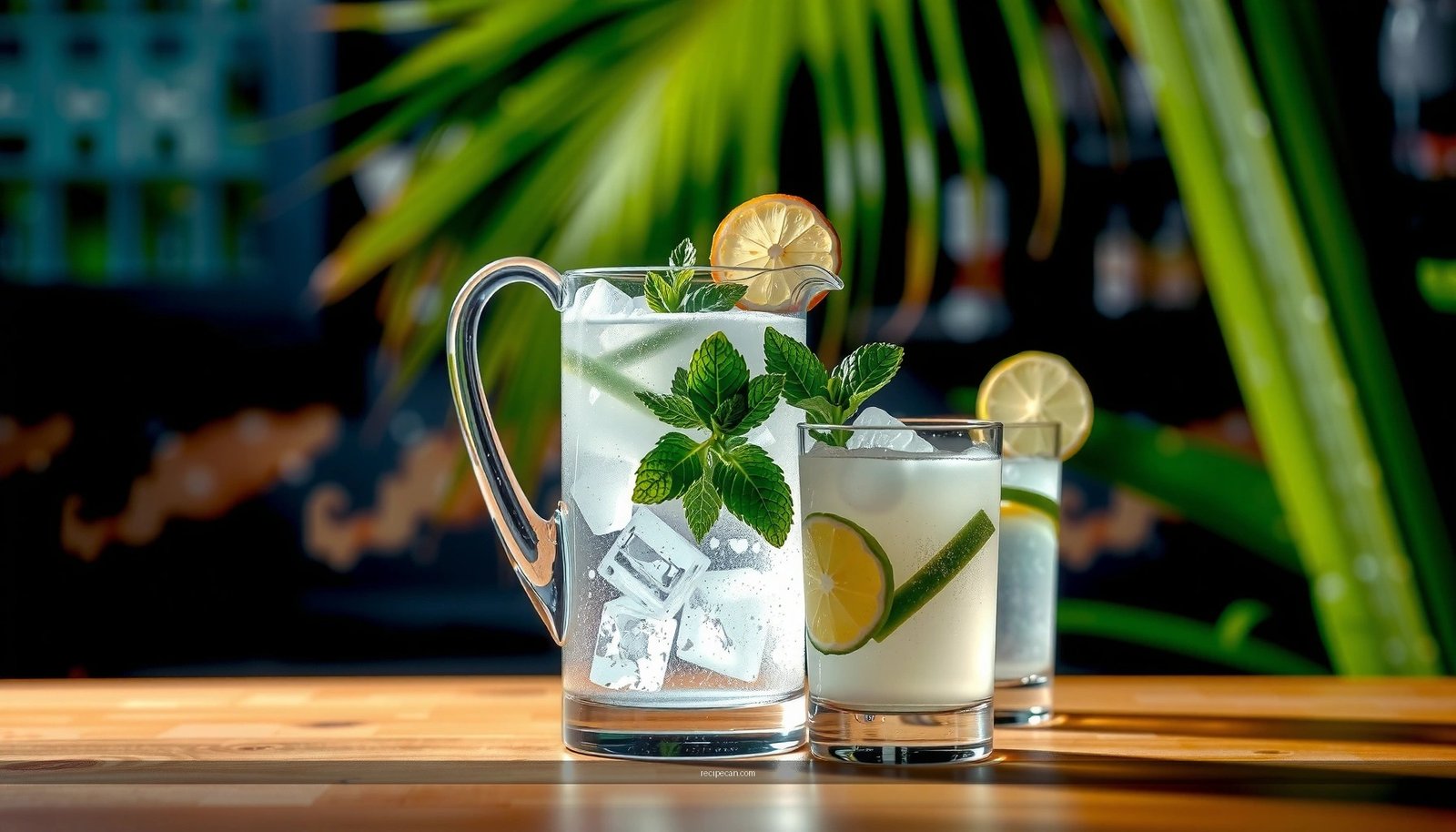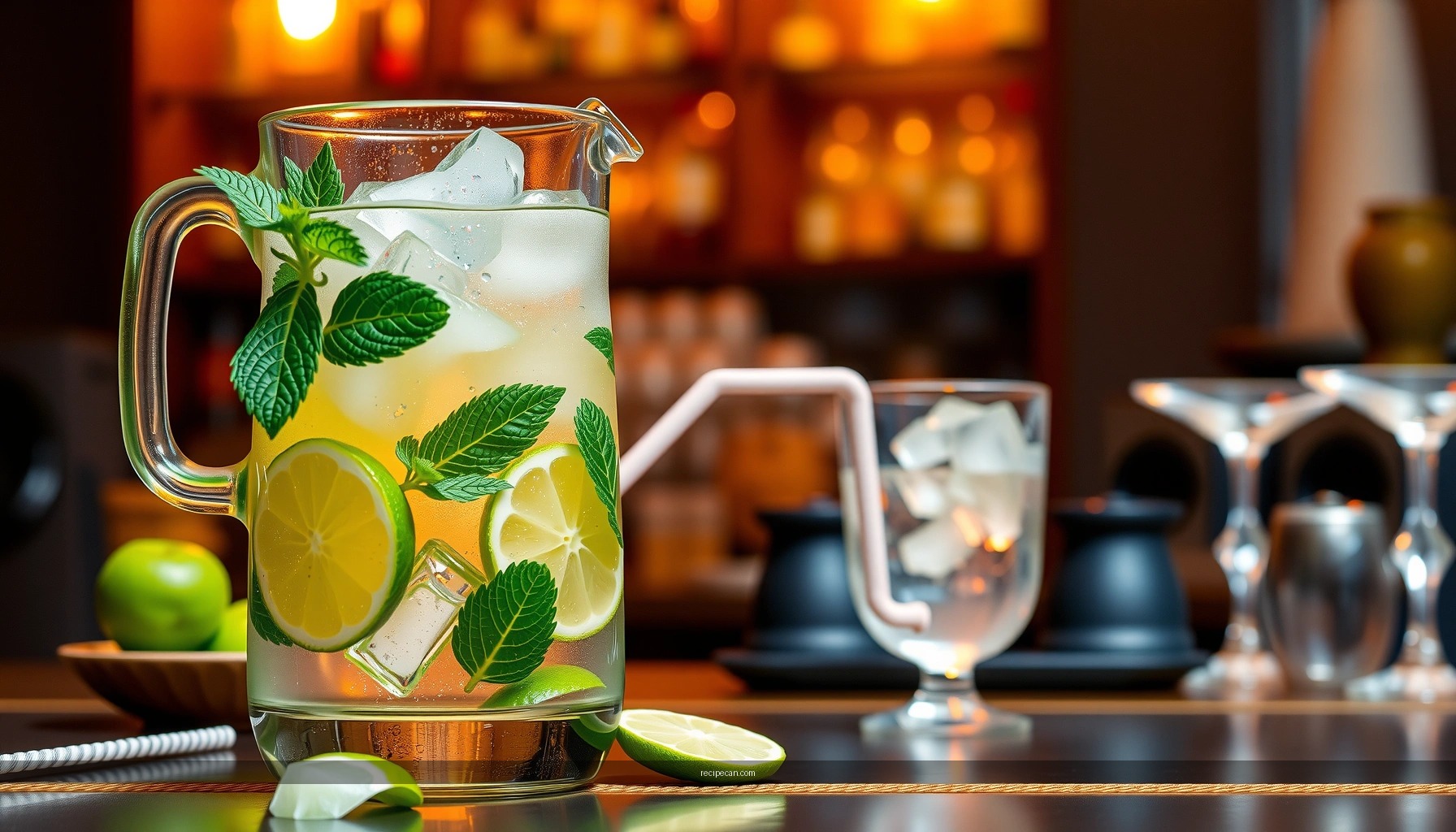
This batch mojito recipe is the fast, crowd-pleasing way to serve a real mojito flavor without spending all night shaking glasses. You’ll get a reliable formula for mixing a large batch—mint, lime, rum, and soda—so it stays bright and refreshing from the first pour to the last. If your goal is a go-to mojito for parties, this is the one to make.
Batch a classic mojito in minutes by making the mint-lime syrup (or “base”) ahead, chilling it, and adding soda only at the last moment. This simple batch process keeps the drink bright and bubbly for every guest while making hosting easier and faster.
A batch mojito recipe is the hospitality shortcut that still respects what makes a mojito a mojito: fresh mint aroma, lime juice brightness, and a clean, balanced sweetness—paired with carbonation that doesn’t die in the pitcher. Whether you’re planning a backyard party, office happy hour, or weekend gathering, batching gives you consistency and speed without turning your event into a one-person bar.
Batch Mojito Serving Guide (Syrup/Base vs. Soda Added at Serving)
| # | Batch size | Mint-lime base (cups) | Rum (cups) | Soda to add (cups) | Guest-ready rating |
|---|---|---|---|---|---|
| 1 | 6 servings | 2.0 | 0.75 | 2.5 | ★★★★☆ |
| 2 | 8 servings | 2.75 | 1.0 | 3.3 | ★★★★★ |
| 3 | 10 servings | 3.5 | 1.25 | 4.1 | ★★★★★ |
| 4 | 12 servings | 4.25 | 1.5 | 4.9 | ★★★★★ |
| 5 | 15 servings | 5.3 | 1.85 | 6.1 | ★★★★☆ |
| 6 | 18 servings | 6.3 | 2.2 | 7.2 | ★★★☆☆ |
| 7 | 20 servings | 7.0 | 2.5 | 8.0 | ★★★☆☆ |
The “base” in this guide is your mint-lime mixture plus sugar (and lime juice), chilled; rum is added before service; soda is added last. The guest-ready rating reflects practicality: once you get very large (18–20+), you’ll want faster dispensing and more ice management to keep the drink lively.
What You’ll Need for a Batch Mojito
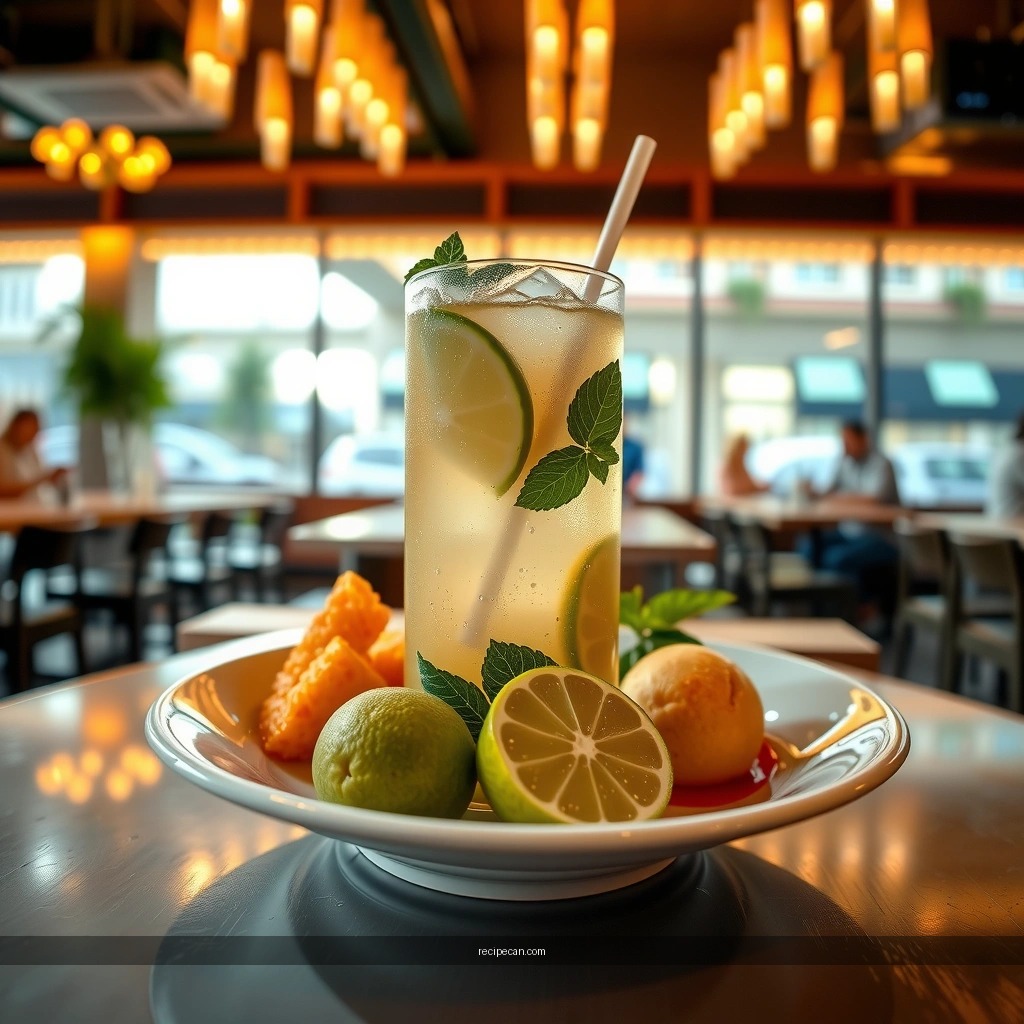
– Choose your rum, fresh mint, limes, sugar (or simple syrup), and soda water
For a crowd-pleasing mojito, use a white rum (clean flavor) and “juicy” limes. Sugar can be white granulated (best when dissolved) or simple syrup (best for speed and consistency). Soda water should be cold and plain—club soda works too.
– Gather key tools like a pitcher, muddler, citrus reamer, and measuring cup
A large pitcher (or bowl) makes batch muddling manageable. A citrus reamer helps you extract lime juice efficiently; a measuring cup keeps ratios stable so the batch tastes the same from the first glass to the last.
– Decide your batch size (e.g., 6–10 servings) before you start
Start with 6–10 servings if you’re optimizing for “easy + fresh.” Smaller batches reduce the risk of over-bitter mint or soda going flat while you’re still pouring.
A practical hosting note: if you have 1–2 hours between mixing and serving, you’ll still be fine—just keep soda off until the last step. The mint base can chill; carbonation cannot.
Batch Mojito Recipe (Step-by-Step)
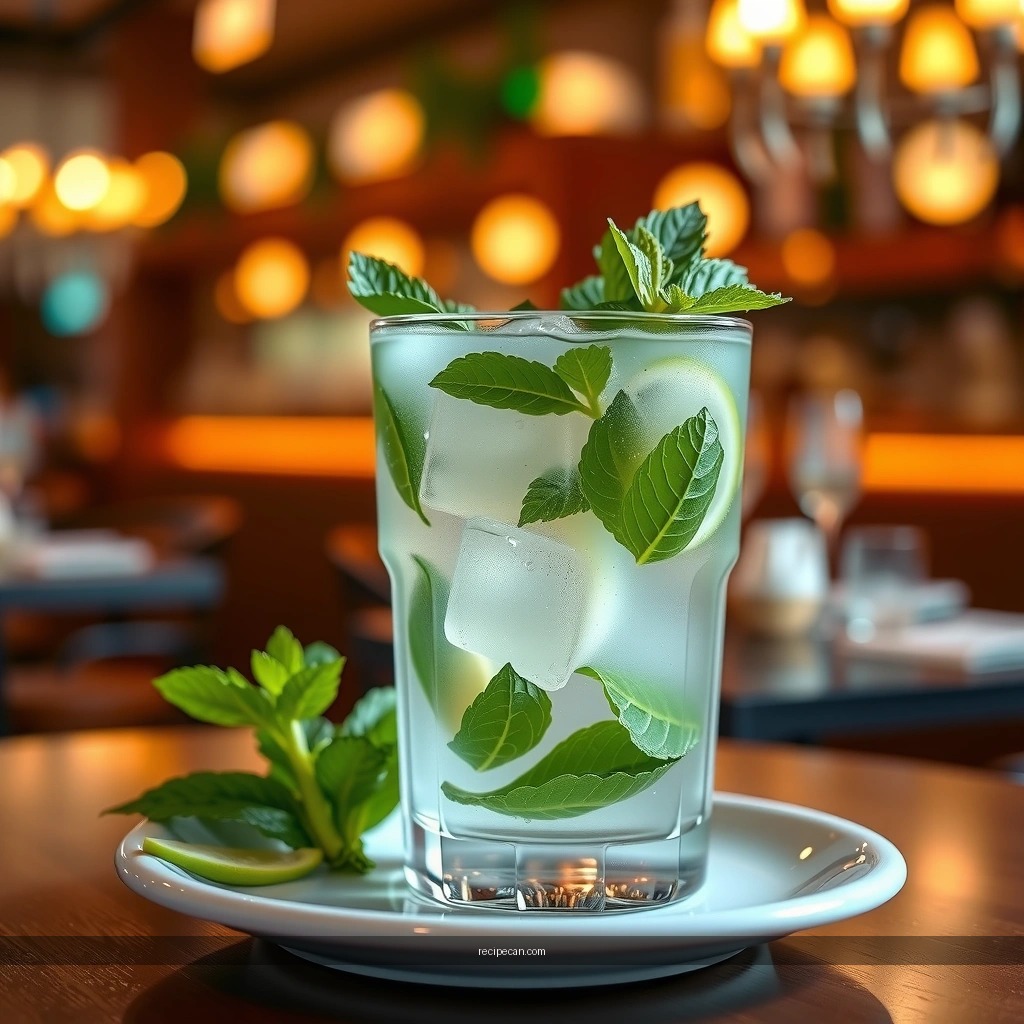
– Muddle mint with lime juice and sugar to build flavor in bulk
In your pitcher, add fresh mint leaves and pour in lime juice with sugar (or syrup). Gently muddle just enough to bruise leaves and release oils—think “aroma,” not “pulpy chaos.” For batch efficiency, you can do this in short rounds rather than one aggressive session.
– Stir in rum, then chill the base before adding soda
Add rum to the mint-lime mixture and stir thoroughly. Chill the base for at least 30 minutes to let flavors marry. This also reduces “sharpness” so your mojito tastes balanced rather than one-dimensional.
– Add soda at the last moment to keep it bubbly
When you’re ready to serve, pour in cold soda water gradually while you stir carefully. If you’re aiming for peak carbonation, add soda to the pitcher right before the first pour—or dispense into cups with ice and soda per serving.
Suggested baseline ratio (for consistency): about 1 part rum to 3–4 parts chilled mint-lime base, then top each drink with a generous portion of cold soda. Ratios are less important than consistency—measure once, then scale.
How to Muddle Mint for Best Flavor
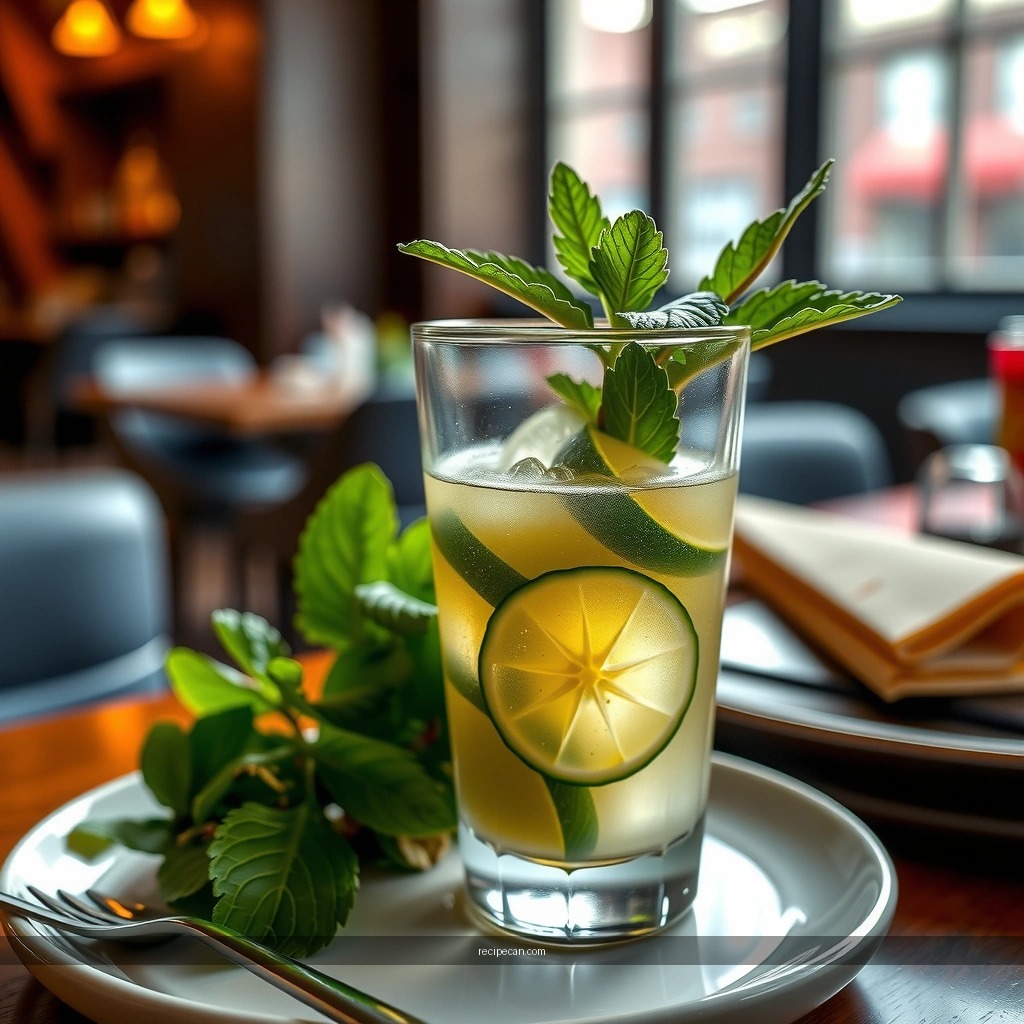
– Gently muddle to release oils without turning mint bitter
Over-muddling crushes mint stems and can introduce bitterness. In a batch context, it’s common to see people “work harder” simply because there are more leaves. Don’t. Use light pressure and stop when the mint looks slightly bruised and aromatic.
– Use plenty of mint leaves and fresh lime juice for a clean taste
Mojitos rely on volatile mint oils; those oils show up best when mint is fresh and lime juice is recently extracted. If your limes are dry or hard, you’ll end up with a dull base even with good sugar.
– Taste the base before chilling to adjust sweetness or lime
Before you chill, taste your base. It should feel slightly more intense than you want the final drink because it will be diluted with soda and ice. If it’s too sharp, add a little more sugar/simple syrup. If it’s too sweet, add more lime juice.
Professional bar logic: mint muddling is a “flavor extraction” step, not a “volume” step. You’re extracting essential oils from leaves—small bruising does the job.
Scaling Up: Batch Sizes and Pro Tips
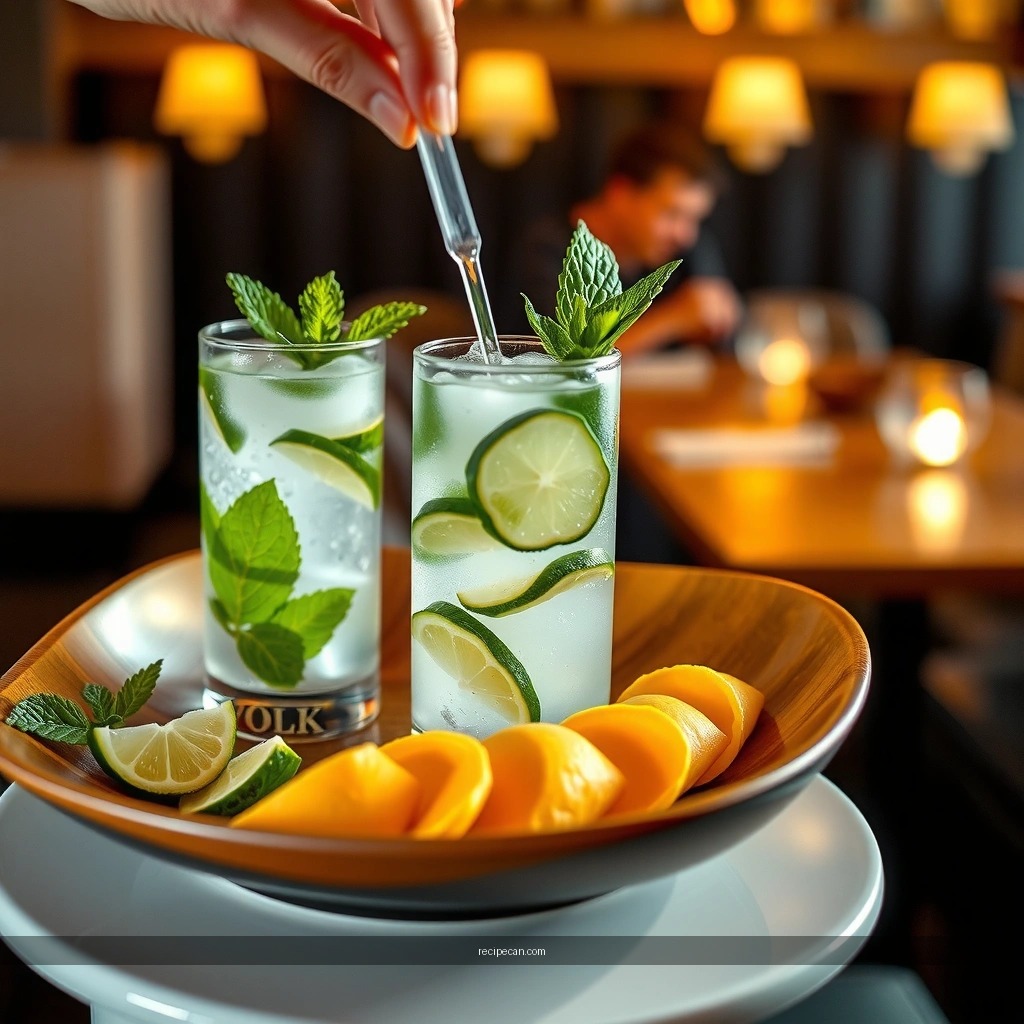
– Keep ingredient ratios consistent when increasing servings
A batch mojito recipe succeeds when the flavor profile stays constant. Use a consistent relationship between mint-lime base, rum, and soda. Don’t scale by volume alone (e.g., “add more mint by feel”). Scale by the process: same muddling intensity, same stirring, same chilled base timing.
– Make a larger batch of the base, then top with soda right before serving
One efficient approach for hosting: prepare multiple jugs of mint-lime base ahead, then add rum and soda in smaller waves. This reduces the risk of carbonation loss while still allowing batch pouring.
– Pre-chill glasses or serve over fresh ice for best results
Cold glassware and fresh ice help maintain temperature and carbonation longer. If your ice melts fast, the drink can taste watered and flat. For large groups, consider staging ice in bins or using a chilled drink dispenser.
Operational tip: If you’re running a high-traffic event (e.g., office party), plan your pouring so you’re never stuck waiting for chilling or soda. Build workflow: muddle → stir → chill → rum → final soda → pour.
Garnish and Serving Ideas
– Add extra mint sprigs and lime wedges for aroma and presentation
Mojitos are “aroma-forward.” A small mint sprig and lime wedge elevate the sensory experience beyond taste. Guests perceive freshness when they see visible mint and bright citrus.
– Use an ice-heavy pitcher or dispense over individual cups with ice
Ice controls dilution and temperature. For batch serving, either keep a lot of ice in the dispensing vessel or portion ice into cups and then top with soda. Cup-by-cup topping typically preserves bubbles best.
– Consider a simple mint-lime sugar rim if you want extra polish
For a more “signature” look, lightly rim glasses with mint-lime sugar: mix finely ground sugar with lime zest and (optional) finely chopped mint. It’s not necessary for a true mojito, but it’s a clean, crowd-pleasing upgrade.
A garnish should support—not overwhelm—the drink. Avoid adding too much garnish into the glass (more bitterness potential) and keep stems minimal.
Troubleshooting Common Issues
– If it tastes flat, check lime freshness and add more mint aroma
“Flat” mojitos often come from older limes, insufficient mint bruising, or soda added too early. Lime freshness matters because lime juice brings both acidity and aromatic compounds.
– If it’s too strong, dilute with more soda or ice
Strength can mean higher alcohol perception (too much rum relative to base) or insufficient dilution (not enough ice). Adjust by adding more soda, increasing ice, or slightly reducing rum in your next batch.
– If it turns bitter, muddle less aggressively next time
Bitterness is usually muddling pressure (or including too many stems). Use lighter muddling and focus on bruising leaves only. If you already made the batch and it’s bitter, straining the mixture can help, but preventing it is always easier than fixing.
For hosting quality control: taste your base, then taste after you add soda to one test glass. That second taste tells you whether your batch proportions are right for guests’ palates.
A batch mojito recipe is the easiest way to serve a crowd without sacrificing that classic mint-and-lime freshness. Make the base, chill it, and add soda just before serving—then taste, adjust, and start pouring. Want help tailoring the exact batch size and ingredient quantities for your party (and estimating servings for your guest count)?
Frequently Asked Questions
What is a batch mojito recipe and how much does it make?
A batch mojito recipe is a scaled-up version of the classic mojito, designed for mixing multiple drinks at once—great for parties and gatherings. The yield depends on your serving size and how strong you like it, but a common approach is making enough for 8–12 cocktails by using a larger ratio of rum, lime juice, mint, and simple syrup. If you’re planning ahead, choose your target number of guests first, then scale the ingredients proportionally to keep the mojito flavor balanced.
How do I scale a mojito recipe for a large batch without diluting the flavor?
Start by mixing the “base” (rum, lime juice, and simple syrup) in bulk, and only add club soda or sparkling water right before serving to preserve freshness. Muddled mint can get bitter if overmixed, so lightly bruise the mint in small batches or stir gently into the base rather than crushing it for too long. To control dilution from ice, prepare the batch without ice and portion over a consistent amount of ice in each glass.
Which rum is best for a batch mojito recipe—white, gold, or spiced?
For the most authentic mojito flavor, white rum is usually the best choice because it stays crisp and lets lime and mint shine. Gold or aged rum can add a deeper sweetness and spice notes, but it may overpower the bright, refreshing profile most people expect from a mojito. If you want a twist, lightly spiced rum can work, but keep it subtle so the mint and lime remain the main flavors in your batch mojito recipe.
Best way to muddle mint for a batch mojito—should I muddle in bulk or per glass?
The best approach is to muddle gently and briefly, because aggressive crushing can release bitter compounds and make your mojito taste harsh. For a batch mojito recipe, you can muddle mint in a few small batches and then combine, or steep mint lightly in the syrup and lime base for a cleaner taste. If you’re serving immediately, you can also muddle per glass for maximum freshness, but pre-muddling in bulk saves time for larger groups.
Why does my batch mojito taste bitter or too strong, and how can I fix it?
Bitterness usually comes from over-muddling mint or using too much mint relative to lime juice and simple syrup, while “too strong” often means the rum-to-lime ratio is off or club soda wasn’t added correctly. Fix bitterness by reducing the amount of crushed mint next time and using lighter muddling, and consider straining the base if you already have a batch that’s too intense. To balance strength, keep your proportions consistent, and add club soda right before serving so each mojito has a similar dilution and refreshing finish.
References
- Mojito
https://en.wikipedia.org/wiki/Mojito - https://www.britannica.com/topic/mojito
https://www.britannica.com/topic/mojito - https://www.bbc.co.uk/food/recipes/mojito_74698
https://www.bbc.co.uk/food/recipes/mojito_74698 - Mojito recipe | Good Food
https://www.bbcgoodfood.com/recipes/mojito - https://www.theguardian.com/lifeandstyle/2011/jul/11/mojitos-recipe
https://www.theguardian.com/lifeandstyle/2011/jul/11/mojitos-recipe - https://cooking.nytimes.com/recipes/1017345-mojito
https://cooking.nytimes.com/recipes/1017345-mojito - Google Scholar Google Scholar
https://scholar.google.com/scholar?q=batch+mojito+recipe - Google Scholar Google Scholar
https://scholar.google.com/scholar?q=home+bar+batch+cocktail+pitcher+recipe+scaling - Google Scholar Google Scholar
https://scholar.google.com/scholar?q=cocktail+mixing+technique+mint+lime+rum+recipe - batch mojito recipe – Search results
https://en.wikipedia.org/wiki/Special:Search?search=batch+mojito+recipe