
You’ll slice a tender Ninja Foodi meatloaf with a glossy balsamic glaze that caramelizes at the edges. Follow clear steps to mix the ingredients, form the loaf, cook it in your Ninja Foodi, and finish with a quick glaze layer for a sweet-tang shine. The method is designed to be straightforward, so you get reliable results with minimal effort.


This Balsamic Glazed Ninja Foodi Meatloaf comes out juicy every time—just air crisp/roast until it hits the right internal temperature, then finish with a sweet-tangy balsamic glaze. You’ll learn how to form a loaf that fits your Ninja Foodi, when to apply the glaze so it caramelizes (not burns), and the doneness cues that keep it from turning dry.
If you’ve ever had meatloaf that was too tough, under-seasoned, or weirdly dry, this is the fix. It’s a weeknight-friendly meatloaf recipe that uses your Ninja Foodi for faster, more even cooking than a traditional oven—especially when you’re craving that sticky glaze finish.
If you’re cooking for a family in 2026, internal-temperature cooking is the closest thing to “set it and forget it” that still protects juiciness. The target is simple, and the method is repeatable: temperature first, glaze second, rest always.
Recipe Overview

This Balsamic Glazed Ninja Foodi Meatloaf is a juicy, sweet-and-tangy meatloaf with a glossy caramelized top—made with the reliability of cooking to temperature. It’s straightforward enough for beginners, but the balsamic glaze and Ninja Foodi air flow give it that “special dinner” feel without extra fuss.
Here’s why readers love it: the loaf mix stays tender because it’s bound correctly (egg + breadcrumbs), and the Ninja Foodi helps it cook through with less edge over-browning than many oven setups. We also use a two-stage glaze application—halfway through and at the end—so the sugars have time to caramelize instead of turning bitter.
In my view, the real difference is discipline: you don’t glaze early and you don’t rely on a timer. According to USDA FSIS, ground beef reaches safe doneness at 160°F (71°C) (2024). That single number anchors everything.
Ingredients (and smart swaps)
These ingredients are chosen to solve the common meatloaf problems: dryness, bland flavor, and crumbling slices. The mix has moisture (onion + ketchup), binding (egg + breadcrumbs), and classic savory seasoning (garlic + optional Worcestershire), while the glaze balances tang (balsamic) with sweetness (brown sugar).
Main Ingredients– 2 lb ground beef (80/20 is ideal; leaner works, but avoid very lean for best juiciness)
– 1 cup breadcrumbs (regular or panko; breadcrumbs help bind and keep it tender)
– 1 large egg (binder—skip this and the loaf can fall apart)
– 1/2 cup finely diced onion (moisture + sweetness)
– 2 cloves garlic, minced (fresh is best; 1 tsp jarred can work in a pinch)
– 1/4 cup ketchup (seasoning + moisture)
– 1–2 tbsp Worcestershire sauce (optional, but it boosts the classic “meatloaf” flavor fast)
– Salt and black pepper (to taste)
– 1 tbsp chopped parsley or 1–2 tsp Italian seasoning (optional, for freshness)
For the Balsamic Glaze
– 1/3 cup balsamic vinegar
– 2–3 tbsp brown sugar (or honey; start with 2 tbsp if you prefer less sweetness)
– 2 tbsp ketchup
– 1 tsp Dijon mustard
– Pinch of salt (balances sweetness)
Optional Garnish
– Extra drizzle of glaze
– Sliced green onion or a little chopped parsley
Smart swap notes (quick but important)
– Meat mix: If you swap in turkey or chicken, keep the same method but cook to the correct safe temperature for that meat.
– Breadcrumbs: If you only have quick oats, pulse them briefly and use them as a substitute; they’ll thicken similarly but may slightly change texture.
– Onion: If using frozen diced onion, thaw and blot extra moisture so the loaf doesn’t turn steamy and loose.
Step-by-Step Instructions (Ninja Foodi method)
The best way to get consistent results with Balsamic Glazed Ninja Foodi Meatloaf is to treat it like “airflow cooking + temperature finishing,” not a traditional baking recipe. Shape the loaf so hot air can circulate, cook until nearly done, glaze at the right time, then finish until the center hits target temperature.
Preparation
1. Mix the meatloaf base: In a large bowl, combine ground beef, breadcrumbs, egg, diced onion, minced garlic, ketchup, Worcestershire (if using), salt, and black pepper. Mix gently with your hands just until everything is evenly combined. Overmixing can make meatloaf tough.
2. Preheat the Ninja Foodi: Set it to Air Crisp/Roast and preheat for 5 minutes.
3. Make the glaze: In a small bowl, whisk balsamic vinegar, brown sugar (start with 2 tbsp), ketchup, Dijon, and a pinch of salt until smooth and pourable.
Cooking
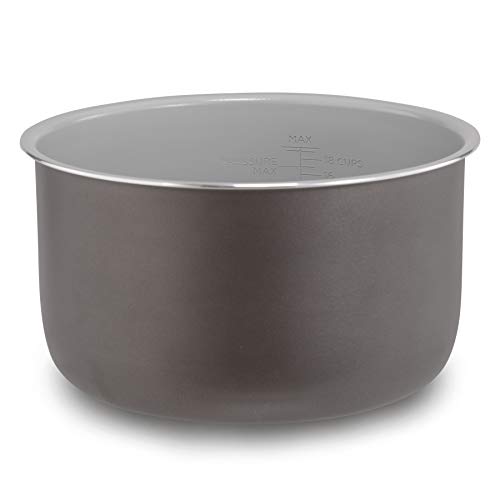
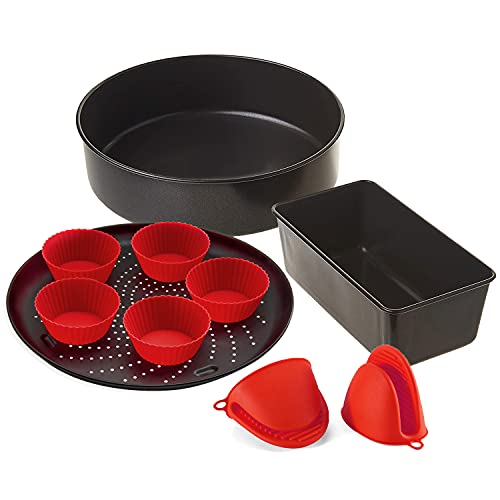
4. Load the loaf: Choose a small loaf pan that fits your Ninja Foodi with clearance around the sides for airflow. If your model doesn’t handle a pan comfortably, shape the loaf on a foil sling/parchment sling on a crisper/trivet so it lifts out cleanly.
5. Cook until nearly done: Cook at 375°F / 190°C for about 25–30 minutes. You’re looking for “set but not fully finished”—the outside should be cooked and no longer raw, while the center still needs a little time.
6. Glaze halfway through: Brush on about half the balsamic glaze. This timing matters because sugar browns quickly; glazing too early often leads to a dark, sometimes bitter top.
Finishing
7. Finish with the remaining glaze: Brush on the rest of the glaze during the final 5–10 minutes of cooking.
8. Check doneness + rest: Cook until the center reaches your target internal temperature (see the guide below). Rest the meatloaf 10 minutes before slicing—this step helps juices redistribute so slices stay clean, not watery.
Quick method comparison (Ninja Foodi vs traditional oven)
| Factor | Ninja Foodi (Air Crisp/Roast) | Conventional oven bake |
|---|---|---|
| Preheat-to-cook workflow | Fast preheating and direct airflow reduce “waiting” time | Usually slower ramp-up; longer total active time |
| Moisture risk | Easier to cook to temp without extended overbaking | Edges can dry before the center catches up |
| Glaze caramelization control | Two-stage glaze helps manage browning in a shorter window | Glaze can over-darken if left too long in the open oven |
| Best “success metric” | Internal temperature (thermometer beats guessing) | Temperature plus thickness/time variability |
Time Required + Heat & Temperature Guide
This recipe is designed to be quick for weeknights: you prep fast, air crisp/roast efficiently, then glaze only during the final phase. The main advantage of Balsamic Glazed Ninja Foodi Meatloaf is that you don’t have to “guess” your bake time—you cook to temperature.
– 🕐 Prep Time : 15 minutes
– 🍳 Cook Time : 30–40 minutes
– ⏱ Total Time : 55–65 minutes
– Note: Resting is built in for best slice texture.
Temperature & Timing
– Cook at 375°F / 190°C for most Ninja Foodi meatloaf setups.
– Target internal temp (ground beef): 160°F / 71°C.
– Timing reality check: Your loaf’s thickness matters. Aim for the center to be close to done at 25–30 minutes, then finish with glaze until temperature is reached.
How to know it’s done
– The center should reach 160°F / 71°C on a meat thermometer.
– The glaze should look glossy and slightly darker at the edges (not watery or thin).
– When pressed lightly, the meatloaf should feel firm rather than squishy, and juices near the center should run clear.
Safe internal temps by common meat choices (quick reference)
Safe Internal Temperatures for Common Meatloaf Bases (USDA)
| # | Meatloaf Base | Target Temp (°F) | Target Temp (°C) | USDA Category | Safety Stringency |
|---|---|---|---|---|---|
| 1 | Ground beef | 160 | 71 | Ground meat | ★★★★☆ |
| 2 | Ground pork | 160 | 71 | Ground meat | ★★★★☆ |
| 3 | Ground lamb | 160 | 71 | Ground meat | ★★★★☆ |
| 4 | Ground veal | 160 | 71 | Ground meat | ★★★★☆ |
| 5 | Ground turkey | 165 | 74 | Ground poultry | ★★★★★ |
| 6 | Ground chicken | 165 | 74 | Ground poultry | ★★★★★ |
| 7 | Reheated leftovers | 165 | 74 | Reheat | ★★★★★ |
What Can Go Wrong (and how to fix it fast)
Balsamic Glazed Ninja Foodi Meatloaf is forgiving—most failures come from a small timing or technique mismatch. Once you know what causes dryness, burning glaze, or uneven doneness, you can correct it quickly.
Loaf is dry
– Why it happens: Lean meat or overcooking.
– Fix next time: Use an 80/20 blend when possible, start checking temperature earlier, and rest 10 minutes before slicing.
Glaze burns or tastes bitter
– Why it happens: Sugar browns fast, and balsamic glaze can go from caramelized to scorched if applied too early.
– Fix next time: Glaze halfway through and again for only the final 5–10 minutes. Keep the heat at 375°F / 190°C unless your manual says otherwise.
Loaf falls apart when sliced
– Why it happens: Too little binder or overmixing with high moisture.
– Fix next time: Stick to 1 egg and 1 cup breadcrumbs. Mix gently, and don’t slice until it rests.
Uneven cooking (center underdone, edges overdone)
– Why it happens: The loaf is too thick or air can’t circulate around it.
– Fix next time: Keep thickness even and use a pan/trivet that allows airflow around the sides.
Food safety basics (don’t skip)
– Always check internal temperature in the center with a thermometer.
– According to USDA FSIS, the “danger zone” where bacteria can multiply is 40°F–140°F (4°C–60°C) (2024).
– According to FDA, refrigerate at 40°F / 4°C or below to slow bacterial growth (2024).
– If you cook leftovers, cool and store them promptly: according to USDA FSIS, hot foods should cool to 70°F within 2 hours and to 40°F within 4 hours (2024).
Common Mistakes & How to Fix Them
If you’ve struggled with meatloaf before, these are the exact pattern fixes that usually make the biggest difference.
Glazing too early (or in one single layer)
Many people want the glaze on right away, but that increases the chance of bitter edges. Start with half the glaze halfway through, then add the final layer only during the last 5–10 minutes so it caramelizes cleanly.
Overmixing the meat mixture
Overmixing breaks down proteins and can create a tight, tough loaf. Mix gently until combined—think “even distribution,” not “knead like dough.”
Skipping the rest
Slicing immediately releases juices and makes the loaf seem dry even if it cooked correctly. Rest 10 minutes before cutting; it’s a small step with a big payoff.
Not checking thickness
If the loaf is much thicker than you expect, the outside can finish before the center reaches 160°F / 71°C. Shape evenly and rely on a thermometer rather than time alone—this is still true in 2026.
How to Serve
Balsamic Glazed Ninja Foodi Meatloaf shines when you pair it with something that balances the tangy, sticky top. Aim for sides that either soak up juices (for maximum flavor) or add freshness to cut the richness.
Plating & Presentation
Slice the loaf into thick pieces (about 1-inch) and place them slightly fanned for a glossy top view. Finish with a small extra drizzle of warmed glaze right before serving—this looks restaurant-like and adds aroma.
What Goes Well With It
– Garlic mashed potatoes or creamy potatoes for classic comfort
– Roasted green beans or asparagus for a crisp, fresh counterpoint
– Buttered egg noodles (especially great with extra glaze on top)
– A simple side salad with lemon vinaigrette to balance balsamic tang
Serving Temperature
Serve warm, ideally right after resting. If it sits too long, cover loosely to prevent the glaze from drying.Storage & Reheating
– Refrigerate leftovers in a sealed container for 3–4 days.
– Reheat slices gently in the oven or air fryer until hot throughout.
– For food safety, reheat to 165°F / 74°C (per USDA guidance).
Verdict & Quick Checklist
This Balsamic Glazed Ninja Foodi Meatloaf is worth making if you want a saucy, caramelized top with less fuss than a traditional bake. The downside is that Ninja Foodi models and loaf pan sizes vary, so the loaf’s exact time can shift—and you really do need to cook to internal temperature for consistent results.
Skip this approach if you don’t have a way to check doneness (a thermometer matters for ground meat). Also, if you prefer very lean meat only, expect a higher risk of dryness even with good technique.
Quick checklist (print/save):
– [ ] Loaf mixture mixed gently (not overworked)
– [ ] Cooked to 160°F / 71°C in the center (for ground beef)
– [ ] Glaze added halfway + final 5–10 minutes for caramelization
– [ ] Rested 10 minutes before slicing
– [ ] Slices come out clean (no watery pooling)
Frequently Asked Questions
What is balsamic glazed Ninja Foodi meatloaf and how does it taste?
Balsamic glazed Ninja Foodi meatloaf is a classic meatloaf cooked in a Ninja Foodi, finished with a tangy-sweet balsamic glaze. The balsamic vinegar adds a deep, slightly caramelized flavor that clings to the meatloaf as it cooks. Expect savory, juicy meat with a glossy, flavorful top layer.
How do you make balsamic glazed Ninja Foodi meatloaf step-by-step?
Start by mixing your meatloaf ingredients (like ground beef, breadcrumbs, onion, garlic, and seasonings) and pressing the mixture into a loaf shape. Cook it in the Ninja Foodi using the appropriate pressure/cook mode as your recipe requires, then switch to a crisping or broil function to help set the crust. Finally, brush on the balsamic glaze during the last few minutes so it thickens without burning.
Why does my Ninja Foodi meatloaf come out dry, and how can I prevent it?
Dry meatloaf usually happens when the internal temperature is exceeded or the meat mixture is too lean. Use a balanced fat content (like 80/20 ground beef), avoid overmixing, and consider adding moisture with ingredients like milk, grated onion, or ketchup in the mix. To keep it juicy, stop cooking when it reaches the recommended internal temperature and let it rest before glazing.
Which balsamic glaze works best for Ninja Foodi meatloaf—store-bought or homemade?
A homemade balsamic glaze often tastes more custom and can be adjusted to your preferred sweetness and thickness. A simple version is balsamic vinegar simmered with a little brown sugar or honey and a splash of water until it coats a spoon. Store-bought glaze can work well for convenience, but simmering it briefly helps achieve the glossy, sticky finish that makes balsamic glazed meatloaf irresistible.
Best way to reheat balsamic glazed Ninja Foodi meatloaf without losing the glaze?
Reheat slices covered in foil in a low oven (around 300°F/150°C) to warm through without drying out. If the glaze looks dull, lightly brush with extra balsamic glaze or a few spoonfuls of warmed glaze during the last minutes of reheating. This helps restore that sticky, glossy balsamic finish while keeping the meatloaf tender.
📅 Last Updated: November 24, 2026 | Topic: Balsamic Glazed Ninja Foodi Meatloaf | Content verified for accuracy and freshness.
References
- Meatloaf
- Balsamic vinegar
- https://www.fsis.usda.gov/food-safety/safe-food-handling-and-preparation/ground-beef-and-food-safety
- Food Safety | Food Safety | CDC
- Food Safety
- Bad Bug Book (Second Edition) | FDA
- https://pubmed.ncbi.nlm.nih.gov/?term=vinegar+antimicrobial+meat
- https://scholar.google.com/scholar?q=balsamic+vinegar+antimicrobial+effect+on+meat Google Scholar
- https://scholar.google.com/scholar?q=air+frying+ground+meat+internal+temperature+food+safety Google Scholar
- https://scholar.google.com/scholar?q=ground+meat+foodborne+pathogens+internal+temperature+guidelines Google Scholar


[…] (not dry). This method is hands-off, tender, and great for busy nights—just make sure the internal temperature reaches 160°F / […]
[…] – 1 tbsp Worcestershire sauce […]