Wondering whether Ball canning is the best way to turn recipes into safe, delicious jars? This guide delivers an unequivocal yes—under proper Ball canning steps, you’ll get reliable results with easy, flavor-forward canning recipes. You’ll learn exactly what to do (and what to avoid) so your jars seal correctly, keep safely, and taste great long after the batch is finished.
Ball canning works when you follow tested processing steps and use recipes formulated for canning; that’s the fastest path to safe, shelf-stable jars with great flavor. In this guide, you’ll learn the practical Ball canning basics—how sealing and processing protect food, what supplies you actually need, and how to choose reliable recipes (water-bath vs. pressure canning) so results are consistent batch after batch.
What Ball Canning Is (and Why It Matters)
Ball canning is a method of preserving food in sealed jars using heat processing to inactivate spoilage organisms and enzymes—then relying on the jar’s seal to keep contaminants out during storage. In practice, it’s less about “making jars look pretty” and more about controlling two variables: microbial safety and food quality over time.
– Seals help protect food quality and safety
A properly formed vacuum seal keeps oxygen and microbes from entering. That means better texture, better color retention, and reduced risk of spoilage compared with short-term refrigeration.
– Uses the right process for the food type
The biggest safety factor is whether the recipe calls for water-bath canning or pressure canning. Low-acid foods (like most vegetables and meats) require pressure canning because water-bath temperatures can’t reliably reach levels needed to control heat-resistant bacteria.
– Proper prep prevents spoilage and failures
Small issues—like incorrect headspace, under-processing, damaged rims, or removing bubbles inconsistently—can compromise the seal even if the processing time is correct.
Essential Supplies for Ball Canning
You don’t need a kitchen full of gadgets, but you do need the right equipment so the process is repeatable. Think of your supplies as “safety-critical tools,” not optional conveniences.
– Jars, lids, bands, and a reliable canner
Use jars designed for canning, and follow Ball’s guidance for lids (including using new lids for each batch when recommended). Choose:
– A water-bath canner for appropriate high-acid foods (like many pickles and fruits).
– A pressure canner for low-acid foods (like vegetables, soups, and most sauces containing vegetables or meat).
– Tools like a jar lifter, funnel, and headspace gauge
– Jar lifter: safer, more precise handling when jars are hot.
– Wide-mouth or canning funnel: reduces spills and helps maintain clean jar rims—critical for sealing.
– Headspace gauge: helps you fill jars to the exact space the recipe specifies. Even small deviations can affect seal formation and product stability.
– Clean workspace and food-safe habits every batch
A clean workspace supports safe processing. Key habits include:
– Keeping lids and rings clean and dry where they contact the rim area.
– Inspecting jar rims for chips or cracks.
– Avoiding cross-contamination (especially with raw meat or poultry).
Ball Canning Basics: Safe Steps
Ball canning “feels” straightforward—fill jars, heat, seal—but the safety comes from consistent execution. Use these fundamentals to build confidence in every batch.
– Sterilize jars and prepare lids correctly
Follow the recipe’s instructions and your canner type’s best practices:
– Many canning recipes require hot jars, not necessarily harsh boiling “sterilization” for everything.
– Prepare lids exactly as directed (for example, Ball-style practices typically emphasize keeping sealing surfaces free of debris and ensuring lids are used as recommended).
– Fill jars with proper headspace and remove air bubbles
Headspace requirements are there for a reason: they allow food to expand during processing while maintaining enough space for proper vacuum formation.
– Use a bubble-removal tool or non-metal utensil to release trapped air at the edges.
– Wipe rims clean with a food-safe cloth before placing lids.
– Process jars for the correct time and pressure
– Time and pressure depend on jar size, food type, and altitude.
– Always adjust for altitude when required—this is a common reason jars fail to seal or, in worst cases, could be unsafe if processing is insufficient.
> Practical checkpoint: if you’re following a tested Ball canning recipe, treat the processing parameters as non-negotiable. Skip variations unless the recipe specifically instructs them.
Best Recipes for Ball Canning
The “best” Ball canning recipes are the ones that are written and tested for canning, not recipes adapted from “fresh” cooking instructions. Below are categories that tend to work especially well when you follow tested methods.
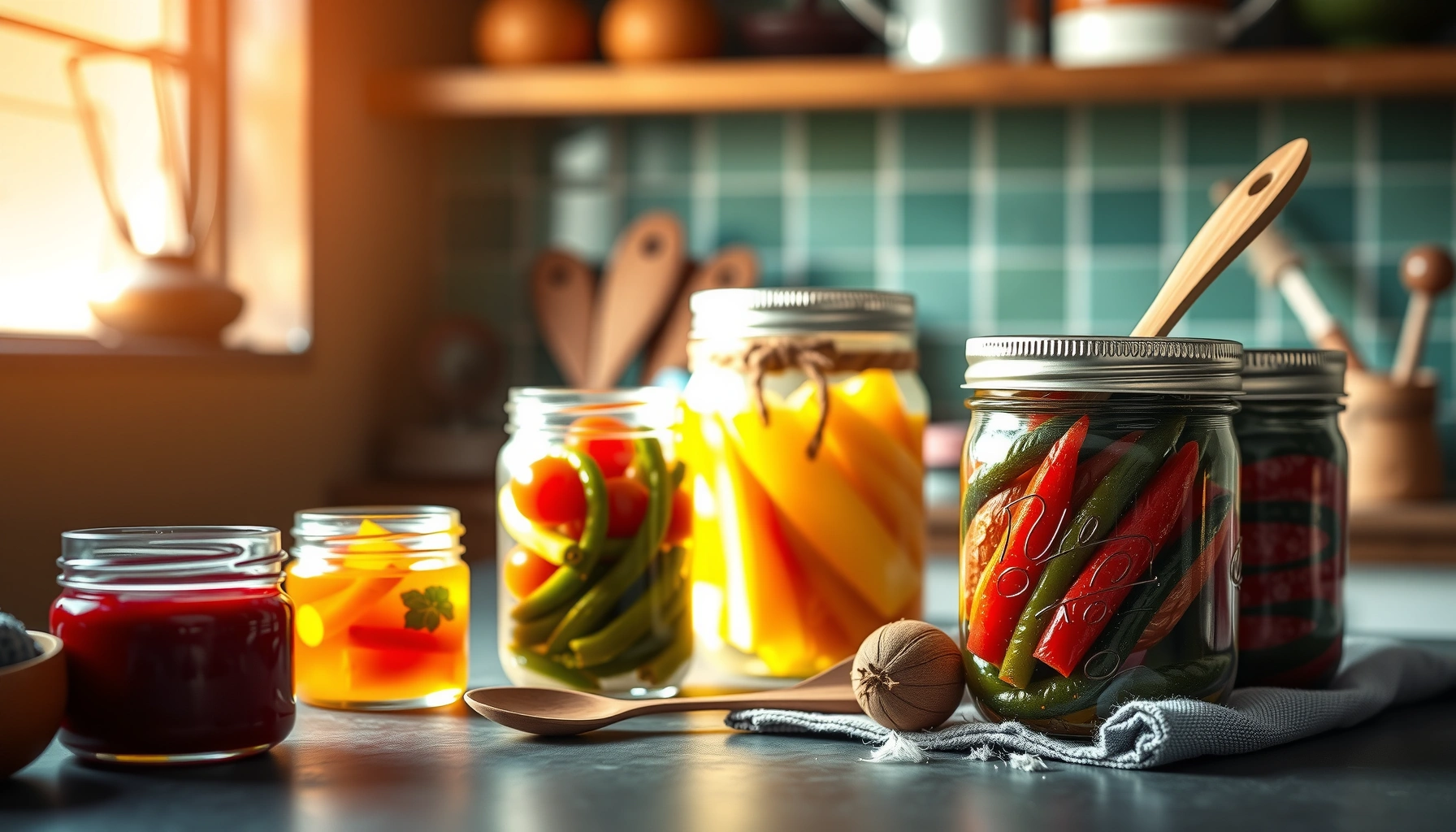
– Pickling recipes for flavorful, shelf-stable results
Many pickles and relishes rely on vinegar or other acidifying ingredients that place them safely in the water-bath category (when the recipe is written that way). This is why pickling is often a great beginner entry point: the processing requirements are more straightforward, and the flavor payoff is immediate.
– Fruit preserves and jams with proper setting agents
Jams and preserves must reach the correct temperature/set so they don’t become runny during storage. That means using tested methods and the right setting approach (for example, pectin systems) rather than guessing.
– Tomato sauces and salsas using tested methods
Tomatoes sit in a safety “zone” where proper acidification and processing matter. Many sauces and salsas are safe only when they include tested ingredients and processing guidance—especially if you add low-acid ingredients like onions, peppers, or meats.
Quick Reference Table: Recipe Category vs. Canning Method
Ball Canning at a Glance: What Fits Water-Bath vs. Pressure
| # | Recipe Type | Typical Acidity Basis | Recommended Canner | Beginner-Friendliness |
|---|---|---|---|---|
| 1 | Quick Pickles (Vinegar) | Vinegar + salt | Water bath | ★★★★☆ |
| 2 | Sweet Pickles | Vinegar + sugar | Water bath | ★★★★☆ |
| 3 | Apple Butter / Apple Jam (Pectin-Based) | Fruit acidity + pectin | Water bath | ★★★☆☆ |
| 4 | Strawberry Jam (Pectin) | Fruit acidity + pectin | Water bath | ★★★★☆ |
| 5 | Tomato Salsa (Tested Recipe) | Tomato acidity + tested proportions | Pressure (often) | ★★☆☆☆ |
| 6 | Tomato Sauce (Low-Ingredient Variations) | Tomato acidity + processing | Pressure (often) | ★★☆☆☆ |
| 7 | Vegetable Soup Base (Mixed Veg) | Low-acid ingredients dominate | Pressure | ★☆☆☆☆ |
Timing, Troubleshooting, and Storage
Even when you follow a tested Ball canning recipe, real-world outcomes can vary—especially with altitude, equipment condition, and jar filling accuracy. The goal is to know what to check so you can correct course early and store jars responsibly.
– Know when to check seals and cool jars properly
After processing, allow jars to cool undisturbed. Listen for the lid “pop” and, once fully cooled, confirm seal formation by pressing the center of the lid (it should not flex).
– Identify common issues (unsealed lids, siphoning, floating lids)
– Unsealed lids: often caused by insufficient headspace, food on the rim, a damaged jar rim, or missed processing time. Refrigerate and reprocess if your process allows (or use promptly if reprocessing isn’t feasible).
– Siphoning: when liquid escapes during processing, it can increase the chance of improper sealing; it may indicate headspace is off or bubbles weren’t managed.
– Floating lids / lid instability: usually points to under-processing, incomplete vacuum formation, or jar handling issues during cooling.
– Store jars correctly and label dates for rotation
Store in a cool, dark place. Label jars with:
– The product name (and heat level if relevant—e.g., “Salsa, mild”).
– Processing date.
– Batch notes (like “uses extra peppers”).
For best quality, rotate stock so older jars are used first. Safety and quality both decline over time even when jars remain sealed.
How to Choose the Right Recipe for Canning
Choosing the right recipe is the decision that most directly influences both safety and results. If you want “easy ideas,” start by filtering recipes based on canning design—not just popularity.
– Match recipe type to canner method (water bath vs. pressure)
If a recipe is designed for water-bath canning, don’t “upgrade” it to pressure or vice versa without guidance. Likewise, if a recipe uses low-acid ingredients (vegetables, meat, many thickened sauces), it likely needs pressure processing.
– Use tested, up-to-date recipes for best results
Recipe formulations and processing standards are periodically refined. Use recent, trusted sources aligned with Ball canning recommendations and current canning guidance.
– Scale carefully and follow exact ingredient ratios
Scaling is a common trap. Doubling or halving ingredients without adjusting to the recipe’s tested formula can change acidity, consistency, and heat penetration. Follow jar count and ingredient ratios exactly as written.
> Pro tip for consistency: pick one “starter” category (like pickles or pectin jams), master it until seals reliably form, and then expand into tomatoes and vegetable-forward recipes using strict, tested instructions.
Ball canning and recipes succeed when you treat safety steps as non-negotiable: use the correct canner for the food type, follow tested processing times and pressure (including altitude adjustments), and fill jars with the right headspace and clean rims so seals form correctly. Start with a simple pickling or fruit preserve recipe, build repeatable technique, troubleshoot quickly when something seems off, and store jars with clear labels so your homemade preserves stay safe and delicious. Try your first batch this week—and aim for consistency, not shortcuts.
References
- Google Scholar Google Scholar
https://scholar.google.com/scholar?q=home+canning+recipes+water+bath+pressure+canning - Google Scholar Google Scholar
https://scholar.google.com/scholar?q=pressure+canning+food+safety+processing+time+recipe - Google Scholar Google Scholar
https://scholar.google.com/scholar?q=home+canning+acidified+foods+vinegar+lemon+juice+safety+recipe - Home Page – National Center for Home Food Preservation
https://nchfp.uga.edu/ - https://nchfp.uga.edu/publications/publications_usda.html
https://nchfp.uga.edu/publications/publications_usda.html - Canning
https://en.wikipedia.org/wiki/Canning - Mason jar
https://en.wikipedia.org/wiki/Mason_jar - https://extension.psu.edu/preserving-foods-home-canning
https://extension.psu.edu/preserving-foods-home-canning - https://extension.umn.edu/preserving-and-preparing/food-preservation-home-canning
https://extension.umn.edu/preserving-and-preparing/food-preservation-home-canning - https://www.fda.gov/food/consumers/questions-and-answers-home-canning-and-botulism
https://www.fda.gov/food/consumers/questions-and-answers-home-canning-and-botulism