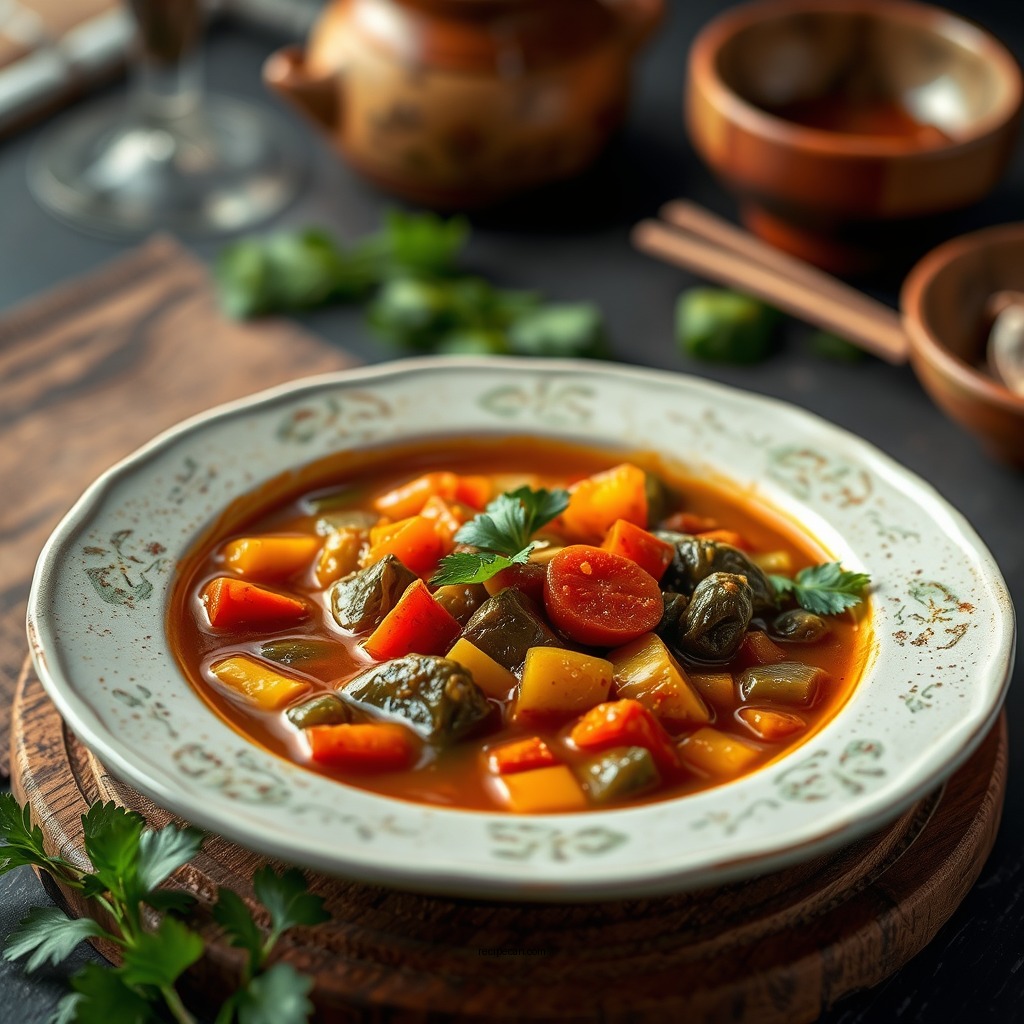
Nigerian vegetable soup is a vibrant and nutritious dish that not only celebrates the rich flavors of fresh vegetables but also incorporates various proteins, making it a wholesome meal option. This guide will take you through the essential ingredients and provide step-by-step instructions for creating this traditional Nigerian delicacy, ensuring that you can replicate its authentic taste in your own kitchen.
Key Ingredients for Nigerian Vegetable Soup
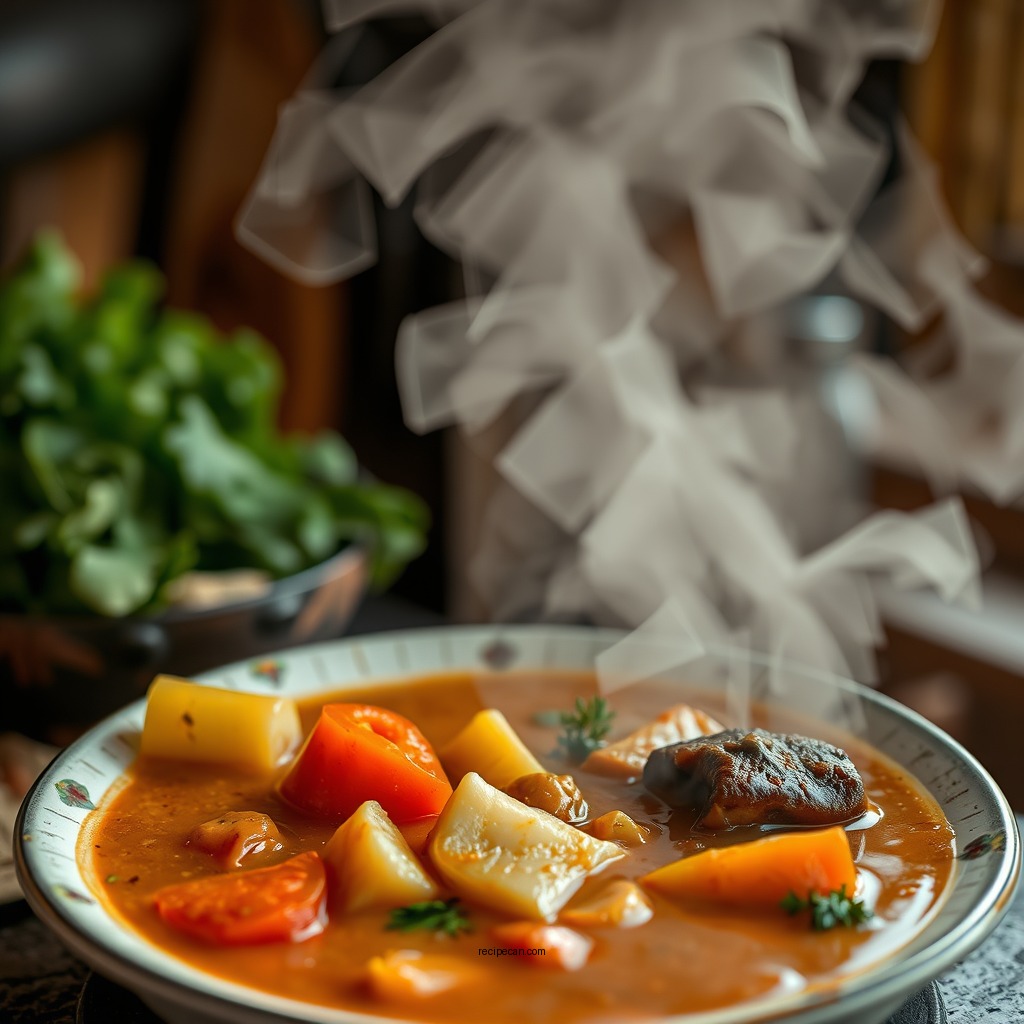
The heart of any Nigerian vegetable soup lies in its ingredients. A delightful mix of fresh vegetables, proteins, and seasonings come together to create an irresistible dish. Here’s what you will need:
– Fresh Vegetables: The primary vegetables used in Nigerian vegetable soup include spinach, ugu (pumpkin leaves), and bitter leaf. These greens are not only flavorful but also packed with vitamins and minerals that contribute to a healthy diet.
– Proteins: Common protein choices include goat meat, chicken, or fish. Each option brings its unique flavor profile, and you can select based on personal preference or dietary restrictions.
– Seasoning Ingredients: To enhance the flavor of the soup, ground crayfish, fresh pepper, and bouillon cubes are essential. These ingredients add depth and richness, making the soup truly satisfying.
Preparation Steps

Preparing the ingredients properly is key to making a great Nigerian vegetable soup. Follow these steps to ensure everything is ready for cooking:
1. Wash and Chop Vegetables: Thoroughly wash your vegetables to remove any impurities. Chop them into manageable pieces, ensuring they will cook evenly. If using bitter leaf, you may want to blanch it briefly to reduce its bitterness.
2. Prepare Your Protein: Depending on your choice of protein, you will need to boil it until tender. For meat, it is advisable to season it with salt, onions, and spices during this process to infuse flavor. If you opt for fish, you may want to add it towards the end of cooking to prevent it from breaking apart.
Cooking the Soup
Once your ingredients are prepared, it’s time to bring everything together in a pot. Here’s how to do it:
1. Sauté Onions: In a large pot, heat palm oil over medium heat. Once hot, add finely chopped onions and sauté until they turn translucent. This step is crucial as it forms the base flavor of your soup.
2. Add Cooked Protein: Incorporate your pre-cooked protein into the pot. Stir well to combine with the sautéed onions, allowing the flavors to meld together.
3. Stir in Vegetables: Gradually add your chopped vegetables to the pot. Stir gently to ensure they are evenly distributed throughout the soup. Cook for a few minutes until the vegetables are wilted but still vibrant.
Nutritional Benefits of Key Ingredients
| Ingredient | Nutritional Benefits |
|——————–|———————————————————-|
| Spinach | Rich in iron, vitamins A and C, and antioxidants. |
| Ugu (Pumpkin Leaves)| High in vitamins A, C, and E, calcium, and iron. |
| Bitter Leaf | Contains anti-inflammatory properties and aids digestion.|
| Goat Meat | High in protein and lower in fat compared to beef. |
| Chicken | A lean source of protein that supports muscle growth. |
| Fish | Rich in omega-3 fatty acids, promoting heart health. |
Adjusting Consistency and Flavor
As your soup simmers, you may find that the consistency is thicker than desired. Here’s how to adjust it:
– Thinning the Soup: If the soup is too thick, gradually add water or stock until you reach the desired consistency. This will help balance the flavors while maintaining a rich texture.
– Taste and Adjust Seasoning: Before serving, taste the soup and adjust the seasoning as necessary. You can add more salt, pepper, or spices according to your preference. This step is essential for achieving the perfect flavor profile.
Serving Suggestions
Nigerian vegetable soup is best enjoyed hot and can be paired with various accompaniments to create a complete meal:
– Traditional Sides: Serve the soup alongside pounded yam, fufu, or rice. Each option offers a unique texture that complements the soup’s rich flavors.
– Garnishes: Consider garnishing your soup with additional fresh vegetables or herbs, such as chopped spring onions or cilantro, for added color and nutrition.
Variations of Nigerian Vegetable Soup
One of the great aspects of Nigerian vegetable soup is its versatility. Here are a few variations you can explore:
– Different Vegetables: You can experiment with assorted vegetables, such as kale or collard greens, to provide diverse flavors and textures. Each vegetable offers its unique set of nutrients and can change the soup’s character significantly.
– Protein Substitutions: For those with dietary restrictions, consider substituting traditional proteins with options like tofu or legumes. These alternatives can still provide the protein content while making the dish suitable for vegetarians or vegans.
Key Nutritional Benefits of Ingredients in Nigerian Vegetable Soup
| # | Ingredient | Nutritional Benefits | Calories per Serving |
|---|---|---|---|
| 1 | Spinach | Rich in iron and vitamins A & C | 23 |
| 2 | Ugu (Pumpkin Leaves) | High in vitamins A, C, E, calcium | 30 |
| 3 | Bitter Leaf | Aids digestion and anti-inflammatory | 18 |
| 4 | Goat Meat | High in protein, low fat | 143 |
| 5 | Chicken | Lean protein for muscle growth | 165 |
| 6 | Fish | Rich in omega-3 fatty acids | 112 |
Nutritional Breakdown of Common Proteins in Nigerian Vegetable Soup
Nigerian vegetable soup is not just a meal; it is a cultural experience that showcases the rich culinary traditions of Nigeria. By following these steps, you can create a delicious and satisfying dish that embodies the essence of Nigerian cuisine. Don’t hesitate to experiment with different ingredients and flavors to make this recipe uniquely yours! Whether you are sharing it with family or enjoying it by yourself, this soup promises warmth, nutrition, and a taste of Nigeria in every spoonful.
Frequently Asked Questions
What are the key ingredients for a traditional Nigerian vegetable soup recipe?
A traditional Nigerian vegetable soup typically includes key ingredients such as spinach, kale, or ugu (pumpkin leaves), along with proteins like fish, meat, or shrimp. Additionally, you will need spices like ground crayfish, locust beans, and seasonings such as salt and pepper to enhance the flavors. The combination of these ingredients creates a rich and nutritious dish that is both satisfying and flavorful.
How do I prepare Nigerian vegetable soup for a vegan diet?
To prepare a vegan version of Nigerian vegetable soup, replace animal-based proteins with plant-based alternatives like tofu, mushrooms, or chickpeas. Use a variety of vegetables such as spinach, carrots, and bell peppers, and season with spices like ginger, garlic, and chili for depth of flavor. Ensure you use vegetable broth instead of meat broth to keep the dish completely plant-based while maintaining its traditional essence.
Why is Nigerian vegetable soup considered healthy?
Nigerian vegetable soup is considered healthy due to its high nutrient content, as it is packed with vitamins, minerals, and antioxidants from the fresh vegetables used. Ingredients like leafy greens are known to promote good digestion and boost immunity. Additionally, the inclusion of healthy fats from oils and proteins enhances its nutritional value, making it a wholesome meal option.
What is the best way to store leftover Nigerian vegetable soup?
The best way to store leftover Nigerian vegetable soup is to cool it to room temperature and then transfer it to airtight containers. It can be refrigerated for up to 3-4 days or frozen for up to 3 months. When reheating, ensure the soup is heated thoroughly to maintain its flavor and texture.
Which Nigerian vegetable soup recipes are popular for special occasions?
Popular Nigerian vegetable soup recipes for special occasions include Edikang Ikong and Afang soup, both rich in textures and flavors. These soups often feature a mix of meats, fish, and a variety of vegetables, making them hearty and festive. They are typically served with fufu or pounded yam, making them a beloved staple during celebrations and gatherings in Nigeria.
References
- Nigerian cuisine
https://en.wikipedia.org/wiki/Nigerian_cuisine - https://www.bbc.co.uk/food/recipes/vegetable_soup_23645
https://www.bbc.co.uk/food/recipes/vegetable_soup_23645 - https://www.sciencedirect.com/topics/agricultural-and-biological-sciences/nigerian-cuisine
https://www.sciencedirect.com/topics/agricultural-and-biological-sciences/nigerian-cuisine - https://www.nytimes.com/2020/07/15/dining/nigerian-vegetable-soup-recipe.html
https://www.nytimes.com/2020/07/15/dining/nigerian-vegetable-soup-recipe.html - https://www.theguardian.com/food/2019/oct/14/egusi-soup-recipe-nigerian-cuisine
https://www.theguardian.com/food/2019/oct/14/egusi-soup-recipe-nigerian-cuisine - https://www.healthline.com/nutrition/egusi-soup
https://www.healthline.com/nutrition/egusi-soup - https://www.ncbi.nlm.nih.gov/pmc/articles/PMC6670593/
https://www.ncbi.nlm.nih.gov/pmc/articles/PMC6670593/ - Google Scholar Google Scholar
https://scholar.google.com/scholar?q=nigeria+vegetable+soup+recipe - Google Scholar Google Scholar
https://scholar.google.com/scholar?q=nigerian+cuisine+vegetable+soup - Google Scholar Google Scholar
https://scholar.google.com/scholar?q=traditional+nigerian+recipes
