
You shake a bottle of apple cider vinegar BBQ spray over ribs on the grill, and the tang hits before the smoke settles. This recipe combines apple cider vinegar, brown sugar, and a pepper-garlic backbone to coat evenly, boost moisture, and build that juicy, tangy edge without getting gummy. Whisk the mixture, strain if you want it extra smooth, then spray during the last 15 minutes so it sets and stays flavorful.



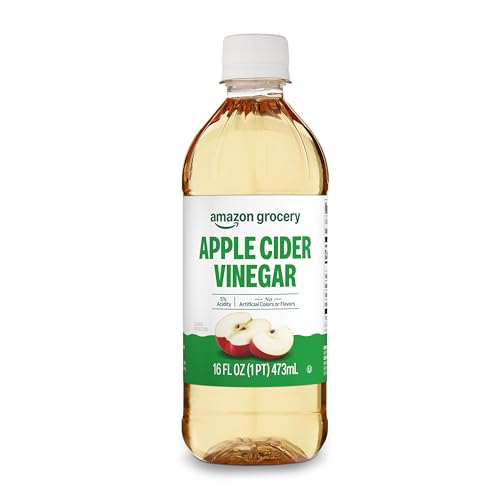
Yes—make this apple cider vinegar BBQ spray, then spritz it on your meat during the final stretch of grilling for juicy, tangy flavor without a sticky glaze. Mix apple cider vinegar, water, a little brown sugar, and simple BBQ spices—then shake and spray on meat while it grills. This vinegar-based spray helps add flavor and moisture without turning your BBQ into a sticky glaze.
If you’re grilling ribs, chicken, or brisket and want that tangy “mop” effect without mixing a new sauce every time, this recipe is for you. It’s easy enough for weeknights, but it still levels up the flavor when you’re hosting.
Apple Cider Vinegar BBQ Spray Recipe Overview

This apple cider vinegar BBQ spray is a quick vinegar “mop” that boosts surface flavor while keeping meat from drying out. The blend is tangy with a hint of sweetness, and it works like a light basting system—without the thickness (and stickiness) of a traditional BBQ sauce.
What you’ll like most is the control. Because it’s a spray, you can apply it in thin layers and build flavor gradually, which helps you avoid burnt sugar or harsh vinegar notes. It’s also flexible: ribs, chicken, pork shoulder, and brisket all benefit from that smoky-vinegar tang, especially during the last 30–45 minutes of cooking.
To keep it practical and food-safe, it also pairs well with USDA-style temperature checks. According to USDA FSIS guidance, poultry (like chicken and turkey) should reach 165°F / 74°C, while whole muscle cuts of beef, pork, and lamb reach 145°F / 63°C. Ground meats like ground beef should reach 160°F / 71°C—and this is exactly when an even, light spray can help you finish flavorful without adding heavy sauce.
USDA Safe Minimum Internal Temperatures for Common BBQ Meats
| # | Meat on the Grill | USDA Safe Min Temp (°F) | Common BBQ Category | USDA Safe Min Temp (°C) |
|---|---|---|---|---|
| 1 | Chicken (thighs, wings, breasts) | 165 | Poultry | 74 |
| 2 | Turkey (whole or parts) | 165 | Poultry | 74 |
| 3 | Pork (whole muscle cuts) | 145 | Whole muscle | 63 |
| 4 | Beef (steaks, roasts—whole muscle) | 145 | Whole muscle | 63 |
| 5 | Ground beef (and other ground meats) | 160 | Ground | 71 |
| 6 | Fish (finfish) | 145 | Seafood | 63 |
| 7 | Lamb (whole muscle cuts) | 145 | Whole muscle | 63 |
Time Required

– 🕐 Prep Time : 5 minutes
– 🍳 Cook Time : No cooking needed
– ⏱ Total Time : 5–10 minutes
Passive time: Let the sugar dissolve for a couple minutes while you shake the bottle.
Ingredients
You only need a handful of pantry staples, and the vinegar does most of the work for that classic BBQ tang. The brown sugar rounds out the acidity, while the smoked paprika and garlic powder give you that “grill-adjacent” aroma even though the spray itself isn’t cooked.
If you want a smoother spray, use fine spices (or strain once mixed) so nothing clogs your bottle.
Main Ingredients
– Apple cider vinegar (1 cup)
– Water (1/2 cup)
– Brown sugar (1 tablespoon)
– Kosher salt (1/2 tablespoon, to taste)
– Black pepper (1/2 teaspoon)
– Smoked paprika (1/2 teaspoon)
– Garlic powder (1/2 teaspoon)
– Optional: cayenne pinch for a little kick
Optional Add-Ins (choose one)
– 1–2 teaspoons Worcestershire sauce (for extra depth)
– 1 teaspoon ketchup or tomato paste (for a slightly more “BBQ sauce” vibe)
How to Make Apple Cider Vinegar BBQ Spray
1. Mix the base. In a bowl or directly in your spray bottle (if it fits), combine apple cider vinegar, water, brown sugar, salt, black pepper, smoked paprika, and garlic powder. Stir or shake until you don’t see sugar clumps.
2. Dissolve, then check texture. Give it 2 minutes, then shake again. If you’re using spices that look a little chunky, pour through a fine-mesh strainer so your sprayer stays smooth.
3. Load your bottle and shake before using. Fill a clean spray bottle, cap it, and keep it ready near your grill. (This is the step most people rush, but shaking makes sure the seasoning lands where you want it.)
4. Spritz during the final cook phase. Use quick, light sprays across the surface—no soaking—so you build flavor without burning the sugars in your rub.
5. Reapply as needed. When you see the surface getting dry or the color fading, spritz again. For most cuts, 3–6 spritz rounds is plenty, depending on grill heat and thickness.
Heat & Application Tips
This is best as a spritz/baste during grilling, not as a long simmered sauce. The goal is to keep the surface flavorful and a little moist while you build color.
Cooking Method
Use this spray as a “finishing baste” during grilling or smoking. It’s essentially a liquid mop: you’re refreshing the surface and carrying seasoning to the meat, rather than coating it in a thick glaze.
Temperature & Timing
If you’re running a low-and-slow cook, keep your grill around 225–250°F (107–121°C) and spritz during the last 30–45 minutes. For a medium grill (more common for chicken), aim roughly 350–400°F (175–205°C) and still apply in light rounds during the last part of cooking—because higher heat will intensify vinegar flavor fast.
As of 2026, USDA FSIS temperature targets are still the standard reference point: poultry to 165°F / 74°C, ground meats to 160°F / 71°C, and whole muscle cuts to 145°F / 63°C (USDA FSIS). Use the temperature, not the clock, to decide when to stop spritzing.
How to Know It’s Working
– Look for a slightly tacky surface and deeper color on the meat.
– When you smell it, you should catch that tangy vinegar + smoky spice aroma—not just sharp vinegar.
– If the spray disappears instantly, you may be hitting the meat too early or spraying too heavily.
Spray vs. Sauce: which should you choose?
Here’s a practical comparison to help you decide what fits the cook you’re doing:
| Option | Best for | Key trade-off |
|---|---|---|
| Apple cider vinegar BBQ spray | Moisture + tangy mop flavor | Less “sticky” caramelized coating |
| Thick BBQ sauce glaze | Bold sweetness and sticky bark | Higher risk of burning if applied too early |
| Beer/mustard mop-style liquid | Bark support + subtle flavor lift | Flavor profile can be less “BBQ classic” |
What Can Go Wrong & Precautions
A vinegar spray is simple, but a few common hiccups can make it taste off or clog your bottle. The good news: most of these issues are preventable with small process tweaks.
It clogs the sprayer
Spices like garlic powder and paprika can settle. Strain the mix once, and always shake before spraying. Also check that your spray bottle nozzle is compatible with thicker liquids—if it spits or stutters, switch bottles.
It turns bitter or burns
Too much sugar, too many heavy sprays, or spraying too early can scorch. Keep spritzes light and wait until the last part of the cook—especially if you’re grilling over direct heat.
It tastes too sour
Apple cider vinegar can be punchy. Add a bit more brown sugar next time (start with +1 teaspoon), or increase the water slightly (for example, +1 to 2 tablespoons) so the tang stays bright instead of sharp.
Food safety: keeping it out too long
Don’t leave the spray sitting out while you cook. Any liquid in contact with raw meat or your cooking zone should follow safe handling practices; use a clean bottle and avoid cross-contamination. If you want to be systematic, think in HACCP terms (Hazard Analysis and Critical Control Points)—your critical point here is preventing raw-meat contact with anything you’ll reuse later. Refrigerate leftovers promptly.
Common Mistakes & How to Fix Them
Even with a simple spray, a few recurring errors can flatten flavor or make application uneven.
Skipping the strainer when spices are chunky
If your sprayer starts sputtering, uneven distribution is the culprit. Fix it by straining the mixture through a fine-mesh sieve before bottling. Then shake right before each use so the seasoning stays suspended.
Spraying too early or too often
Early spritzing can reduce surface browning and make vinegar notes taste harsher. The fix is timing: apply in thin layers during the last 30–45 minutes, and let the grill do the caramelizing.
Using the wrong “spray” technique (soaking instead of misting)
A mop works by refreshing the surface, not drowning it. If the meat is steaming heavily and the rub looks washed out, you’re overspraying—cut back to short bursts held 6–10 inches away.
Forgetting to shake between rounds
This one matters because sugar and spice particles settle fast. If you notice the spray looks clear, shake again (or check for clogging).
How to Serve
This spray is meant to enhance meat while it cooks, so your “serving moment” comes right after you stop grilling. Use it to finish flavor, then let the meat rest so juices redistribute.
Plating & Presentation
Serve ribs, chicken, brisket, or pork with a clean towel or clean tongs—so you don’t wipe away the bark. If you want extra tang on the plate, offer a small cup of finishing vinegar mop (made fresh from the same recipe) on the side rather than re-spraying at the table.
What Goes Well With It
– Classic sides: coleslaw, cornbread, baked beans, grilled corn
– Flavor pairings: peppery rubs, smoky dry seasonings, mustard-based sides (nice with the vinegar tang)
– Drinks: iced tea, lemonade, or a cold lager
Serving Temperature
Serve meat hot, using the USDA safe minimum internal temperature as your finish target (USDA FSIS). Resting times vary by cut, but a brief rest usually helps the surface stay flavorful and the slice look cleaner.
Storage & Reheating
Refrigerate any leftover spray you didn’t apply to raw-meat contact and plan to use within a short window (typically within a few days). Don’t freeze—freezing can separate the spices and make spraying inconsistent.
Verdict / Tip
This apple cider vinegar BBQ spray recipe is a great “mop-style” flavor shortcut—fast, flavorful, and easy to apply evenly. The upside is control: you get tang and moisture without the heavy, sticky glaze that can burn. The downside is that it won’t fully replace a thick BBQ glaze, and the vinegar notes may be too sharp for people who prefer sweeter, less acidic BBQ.
If you want a simple way to boost ribs, chicken, or brisket between flipping and wrapping, this is an excellent choice. Skip it if you’re serving guests who strongly dislike acidic flavors or if you’re aiming for a caramelized, candy-like BBQ finish.
Quick Checklist (Save for the Grill)
– [ ] Mix: vinegar + water + brown sugar + spices
– [ ] Shake (and strain if needed) so it sprays smoothly
– [ ] Apply thinly during the last 30–45 minutes
– [ ] Spray lightly to avoid burning
– [ ] Shake again before each use; refrigerate leftovers
Final takeaway
This apple cider vinegar BBQ spray is an easy, controllable way to add smoky tang and moisture during grilling—especially for ribs, chicken, and brisket—without the hassle of mixing a new sauce. If you keep spritzing light and time it for the last 30–45 minutes, you’ll get that classic mop-style flavor with less risk of burning or gumminess. For best results (and safe results), rely on proper internal temperatures and treat the spray like a finishing tool, not a long-simmered glaze.
Frequently Asked Questions
How do you make an apple cider vinegar BBQ spray at home?
Combine equal parts apple cider vinegar and water in a spray bottle, then add 1–2 tablespoons of your favorite BBQ-friendly sweetener (like brown sugar or honey) per cup of liquid. For flavor, mix in garlic powder, onion powder, smoked paprika, and a pinch of salt. Shake well and test the spray on a small area before using on the whole grill to confirm the balance of tang and sweetness.
What ingredients work best in an apple cider vinegar BBQ spray recipe?
A solid base is apple cider vinegar, water, and a light sweetener to help the sauce cling to food and reduce sharpness. Add garlic powder, onion powder, and smoked paprika for classic BBQ flavor, and consider a small amount of chili powder or cayenne for heat. If you want more “BBQ sauce” notes, include a teaspoon of Worcestershire sauce or a little ketchup—just keep liquids well diluted so the spray doesn’t scorch.
Why should you use apple cider vinegar in BBQ spray instead of plain water?
Apple cider vinegar adds tang and helps break down surface proteins, which can improve tenderness and flavor absorption during grilling. It also boosts the perception of “BBQ sauce” depth without making the spray too thick or sticky. Using a vinegar-based BBQ spray can help the exterior taste more balanced—especially on chicken, pork ribs, and vegetables.
Which foods are ideal for an apple cider vinegar BBQ spray on the grill?
Apple cider vinegar BBQ spray works especially well on chicken, ribs, pulled pork, and pork chops because it keeps the surface moist and flavorful. It’s also great for vegetables like onions, peppers, and mushrooms, which benefit from a tangy caramelization boost. For brisket or thicker cuts, spray during the final hour so you get flavor without overloading the surface.
When is the best time to apply an apple cider vinegar BBQ spray?
For best results, apply the spray during the last phase of cooking—around the last 20–40 minutes—when the grill has already developed color and you’re finishing to lock in flavor. If you spray too early, sugars and spices may burn due to high heat. Reapply 1–2 times as needed, and avoid spraying directly into flames to prevent flare-ups.
📅 Last Updated: November 05, 2026 | Topic: apple cider vinegar bbq spray recipe | Content verified for accuracy and freshness.
References
- Apple cider vinegar
- Vinegar
- Barbecue sauce
- Marination
- https://pubmed.ncbi.nlm.nih.gov/?term=vinegar+acetic+acid+antimicrobial+meat
- https://pubmed.ncbi.nlm.nih.gov/?term=marinade+food+safety+refrigeration
- Acetic acid
- https://scholar.google.com/scholar?q=apple+cider+vinegar+bbq+spray+recipe Google Scholar
- https://scholar.google.com/scholar?q=acetic+acid+antimicrobial+meat+marinade Google Scholar
- https://scholar.google.com/scholar?q=food+safety+marinades+refrigeration+raw+meat Google Scholar


 -56%
 -55%
 -50%