
You squeeze sugar-free ketchup, tomato paste, apple cider vinegar, and smoked paprika into a saucepan, and the sharp tang instantly reads like classic BBQ. Simmer it with a low-cal sweetener and a touch of Worcestershire, then blend until smooth so it clings to ribs and coats chicken. You can adjust sweetness and thickness with a splash of water, and you will have sauce ready in under an hour.
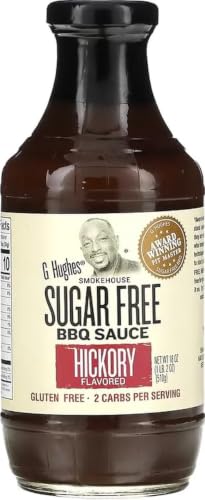



Make this no sugar BBQ sauce by simmering a tomato base with vinegar, spices, and a sugar-free sweetener until it turns glossy and thick. The secret is simple: choose a sweetener and flavor helpers (mustard, Worcestershire, etc.) that don’t hide added sugar, then reduce the sauce long enough that it tastes unmistakably “bbq” instead of flat.
If you’ve ever tried “sugar-free” sauce and found it thin, sharp, or oddly bland, you’re going to like this one. It’s built for everyday grilling and easy meal-prep, and it delivers classic tang, smoky warmth, and a balanced savory finish—without any added sugar added during cooking.
Recipe Overview

This no sugar BBQ sauce is a tangy, smoky tomato sauce made by reducing a vinegar-forward base until it naturally thickens and clings like restaurant BBQ. Because the sauce’s “sweet” role is handled by a sugar-free sweetener (not sugar), you still get that familiar BBQ harmony—without the sticky ingredient list. It’s beginner-friendly, requires only a saucepan and a spoon, and makes enough to cover ribs, chicken, burgers, roasted veggies, and dipping. In my experience cooking this style of sauce for practical weeknight use, the most noticeable difference comes from getting the reduction right—.
Time Required

– 🕐 Prep Time : 10 minutes
– 🍳 Cook Time : 20 minutes (simmer + reduction)
– ⏱ Total Time : 30 minutes
– Note: Optional passive time—cooling 10 minutes will thicken it further in the jar.
Ingredients
This no sugar BBQ sauce starts with a tomato base because tomatoes bring body and “BBQ-like” cooked flavor. Vinegar provides tang, and smoked paprika (plus optional liquid smoke) gives that smoky backbone many sugar-free sauces miss. For sweetness, use a sugar-free sweetener you trust, and verify labels on “support” ingredients like mustard or Worcestershire—small amounts can still add hidden sugar.
Main Ingredients
– 1 cup crushed tomatoes (no added sugar), for a smooth tomato base
– 2 tbsp tomato paste, for thickness and deeper tomato flavor
– 1/3 cup apple cider vinegar (or distilled vinegar), for tang
– 1–2 tbsp sugar-free sweetener (start with 1 tbsp, then adjust), such as monk fruit/erythritol blend or erythritol blend
– 1 tbsp water (as needed to help it simmer evenly)
– 1 tsp smoked paprika, for BBQ smokiness
– 1/2 tsp garlic powder
– 1/2 tsp onion powder
– 1/2 tsp ground mustard or dry mustard powder (boosts BBQ savoriness)
– 1 tsp kosher salt (or 3/4 tsp fine salt), to balance acid
– 1/4 tsp black pepper
– 1/8 tsp cayenne (optional), for gentle heat
For the Sauce (Optional Boosters)
– 1–2 tsp sugar-free Worcestershire sauce (only if labeled sugar-free), for savory depth
– 1–2 tsp sugar-free yellow mustard (only if labeled sugar-free), for tang + complexity
– 1/4 tsp liquid smoke (optional), for extra smoky flavor without extra simmer time
Optional Garnish
– 1–2 tsp chopped fresh cilantro or parsley (after cooling)
– Extra smoked paprika (pinch) right before serving
Sugar-Free Sweeteners Commonly Used for BBQ-Style Sauces (Practical Sweetness Scale)
| # | Sweetener (type) | Relative Sweetness (× sugar) | Typical Sauce Use | Label Watch-Out | BBQ Balance Score |
|---|---|---|---|---|---|
| 1 | Sucralose | ~600× | Small dosing | Often blended | ★★★★★ |
| 2 | Stevia extract | ~200–300× | Sweetness control | Check “with dextrose” | ★★★★☆ |
| 3 | Monk fruit (mogrosides) | ~150–250× | Blend-friendly | Some blends add fibers | ★★★★☆ |
| 4 | Allulose | ~70–90× | Sugar-like feel | Can be costly | ★★★★☆ |
| 5 | Erythritol | ~0.6–0.8× | More needed by weight | May cool slightly | ★★☆☆☆ |
| 6 | Xylitol | ~1.0× | Near 1:1 replacement | Toxic to pets | ★★☆☆☆ |
| 7 | Sorbitol | ~0.5–0.6× | High-dose limit | Can cause GI upset | ★☆☆☆☆ |
Quick practical note: relative sweetness varies by brand and form (granules vs liquid) and by blend. For your no sugar BBQ sauce, always start lower and adjust after simmering.
- Monk fruit blends
- Pros: strong sweetness with small amounts; often blends mix well. Watch-outs: some blends leave a faint aftertaste if you overshoot.
- Erythritol / sugar alcohols
- Pros: less “high-intensity” sweetness; can feel more sugar-like. Watch-outs: higher doses may cool the sauce slightly and can irritate sensitive stomachs.
- Stevia / sucralose
- Pros: very concentrated, so it’s easy to dose. Watch-outs: concentrate-heavy recipes can taste “artificial” unless you reduce thoroughly and balance with salt + smoke.
Step-by-Step Instructions
You’ll get the right no sugar BBQ sauce texture by simmering until the mixture reduces, then tasting and adjusting balance (acid, salt, smoke, and sweetness). Here’s the method that keeps the flavor BBQ-forward instead of “just tomatoes and vinegar.”
Preparation
1. Measure everything first: crushed tomatoes, tomato paste, vinegar, spices, and your sugar-free sweetener. This no sugar BBQ sauce step is the one most people rush, but it’s what keeps the sauce from scorching while you’re hunting for teaspoons.
2. If your sweetener is crystalline, plan to stir it in early so it has time to dissolve while the sauce warms.
Cooking
3. Add crushed tomatoes, tomato paste, vinegar, water (if needed), smoked paprika, garlic powder, onion powder, ground mustard, salt, and pepper to a small saucepan. Stir until tomato paste disperses—this helps prevent gummy bits in the finished no sugar BBQ sauce.
4. Bring to a gentle simmer over medium-low heat. Once it’s bubbling lightly (not aggressively), reduce to low so it cooks steadily.
5. Simmer uncovered, stirring every few minutes, until glossy and thickened—about 15–25 minutes depending on your tomato brand and how juicy it is.
6. Taste and adjust: add more sweetener in small increments for balance, or simmer 2–3 more minutes if it still tastes sharp. If you’re using liquid smoke or sugar-free Worcestershire, add them in the last 5 minutes so they stay aromatic without getting harsh.
Finishing
7. Blend briefly for a smoother sauce if you like (optional). An immersion blender works well, or you can transfer carefully to a blender in short bursts.
8. Cool for 10 minutes. This no sugar BBQ sauce thickens as it cools, so it often looks “perfect” right after cooling—not during the final hot minute on the stove.
Heat & Temperature Guide
This no sugar BBQ sauce uses gentle heat because reduction is about simmering, not boiling. Boiling can make the flavors taste harsher and can scorch tomato-based sauces.
Cooking Method
Simmering (gentle bubbles) is ideal for thickening BBQ sauce because water evaporates as the sauce reduces, concentrating tomato, vinegar, and spices.
Temperature & Timing
– Target simmer: 90–96°C (195–205°F)
– Simmer duration: 15–25 minutes, uncovered, with frequent stirring
– Adjustments: if it’s still thin at 15 minutes, keep simmering in 3-minute increments
How to Know It’s Done
When the sauce coats the back of a spoon and you can draw a line with your finger through the sauce (the line holds briefly), it’s ready. It should smell pleasantly smoky and tangy—less like sharp vinegar and more like a finished BBQ glaze.
What Can Go Wrong & How to Fix It
This no sugar BBQ sauce is forgiving, but a few common issues show up when reduction time or label checks get skipped. The fixes are easy—mostly taste-and-tweak, then simmer a little longer if needed.
It tastes sharp or “vinegary”
Usually it needs more reduction to mellow the acidity, or it needs a touch more sweet balance. Vinegar tastes aggressive early; it rounds out as the sauce cooks down and the spices bloom.
Fix: simmer 3–5 minutes more, then taste again. Add sweetener in small increments (start with 1/4 tbsp), not big jumps.
It’s too thin
BBQ sauce texture comes from reduction and thickness-building. If you stop cooking too early, you’ll end up with a pourable sauce that won’t cling.
Fix: continue cooking uncovered, stirring often, until it coats a spoon. If it’s thick but still watery in flavor, reduce a bit more rather than adding extra sugar-free sweetener.
It tastes flat (not enough bbq depth)
If it tastes like “tomato + vinegar,” you’re missing savory depth and smoke. Many sugar-free sauces also under-season because people assume sweetness is doing the work.
Fix: increase smoked paprika slightly (start with +1/4 tsp), or add a tiny amount of liquid smoke. If your Worcestershire/mustard is truly sugar-free, a small boost can add the savory BBQ backbone.
Your “sugar-free” ingredients still contain sugar
Some mustards and Worcestershire-style sauces include added sugar even when the marketing sounds clean. That can also throw off the balance and make your no sugar BBQ sauce taste “sweet but thin.”
Fix: check labels for “added sugars” and avoid anything that lists sugar, cane sugar, brown sugar, or syrups as ingredients.
Food-safety basics when batch-cooking
This no sugar BBQ sauce is hot for long enough to cook the spices, but storage still matters. Refrigerate promptly after cooling—USDA guidance emphasizes refrigerating within 2 hours of cooking at room temperature. USDA Food Safety and Inspection Service notes the 2-hour rule for perishable foods (time/temperature control guidance).
Common Mistakes & How to Fix Them
These are the issues I see most often when people make no sugar BBQ sauce at home—usually because they assume “sugar-free” automatically means “BBQ-flavored.”
Skipping reduction (or simmering too briefly)
If the sauce never reduces enough, it can taste sharp and watery. Tomato needs time to cook and concentrate, and vinegar needs time to mellow.
Fix: plan for at least 20 minutes of simmer time, then extend until spoon-coating texture.
Using a sweetener without tasting balance
Sugar-free sweeteners vary a lot in sweetness strength and aftertaste. If you add too much too early, the sauce can taste “flat-sweet” instead of BBQ-rounded.
Fix: start low, simmer, then adjust after tasting once the sauce looks glossy.
Not checking mustard/Worcestershire labels
Even a teaspoon of a non–sugar-free ingredient can shift flavor and undermine your goal. It also makes the sauce unpredictable.
Fix: choose products labeled “no sugar added” or “sugar-free” and verify ingredients/added sugars.
Under-seasoning salt (especially with vinegar)
Salt is what makes the tang taste intentional instead of unpleasant. When salt is low, no sugar BBQ sauce can taste thin even if it’s thick.
Fix: add salt gradually in 1/4 tsp increments and re-taste after a 1–2 minute simmer.
How to Serve
You can serve this no sugar BBQ sauce warm for grilling applications or cool as a dip for maximum thickness. Its tangy, smoky profile pairs well with both rich meats and plant-forward meals.
Plating & Presentation
Serve in a small ramekin for dipping and spoon extra over the top right before eating. For a “real BBQ” look, brush a thin glaze on the food, then finish with a pinch of smoked paprika for visual depth.
What Goes Well With It
– Grilled chicken thighs or drumsticks
– Pork ribs (as a glaze during the final minutes)
– Burgers and grilled sausages
– Roasted cauliflower, carrots, or sweet potatoes
– Sandwiches or bowls (as a sauce drizzle)
Serving Temperature
– Glaze: warm (about 45–60°C / 113–140°F)
– Dip: room temperature or chilled for thicker spoonable texture
Storage & Reheating
Cool completely, then store in an airtight container in the refrigerator for up to days. Reheat gently on the stove over low heat, stirring often, adding a splash of water if needed. For food safety, follow standard cold storage practices and discard if it smells “off.”Verdict / Tip
This no sugar BBQ sauce is a strong choice if you want classic tangy, smoky BBQ flavor without added sugar—especially when you double-check labels and simmer until it coats a spoon. The downside is that sugar-free sweeteners can leave a slight aftertaste in 2026-era “clean label” blends, so start with less than you think you need and adjust after simmering. Skip it (or customize) if you’re extremely sensitive to vinegar intensity, or if your digestive system reacts to certain sugar alcohols like erythritol or xylitol.
Quick Checklist (Scan + Save)
| Step | What to Look For |
|---|---|
| Sweetener | No added sugar in label; dissolves smoothly |
| Simmering | Sauce reduces and coats a spoon |
| Flavor balance | Tang + smoke + savory feel “bbq” |
| Label checks | Mustard/Worcestershire not sneaking in sugar |
| Final texture | Thick enough to cling; thicker after cooling |
Frequently Asked Questions
What is a no sugar BBQ sauce recipe using pantry ingredients?
A simple no sugar BBQ sauce can be made with tomato paste (or crushed tomatoes), apple cider vinegar, smoked paprika, garlic powder, onion powder, and a tangy liquid base like Worcestershire sauce or broth. To replace sweetness, use a sugar-free option such as no-sugar-added ketchup (if your brand fits your needs) or a sugar-free sweetener like monk fruit, stevia, or erythritol-free alternatives you prefer. Simmer until thick, then adjust seasoning for a bold, smoky flavor without added sugar.
How do I make no sugar BBQ sauce thick and “sticky” without sugar?
Simmer the sauce uncovered to reduce excess liquid and naturally concentrate flavor; this helps it cling like classic BBQ sauce. For added thickness, stir in tomato paste, pureed cooked onions, or a small amount of cornstarch slurry (cornstarch + water) while heating. If you’re using a sugar-free sweetener, follow the label—some dissolve better when warmed and may taste slightly different when reduced heavily.
Why does my no sugar BBQ sauce taste bitter or too tangy?
Many no sugar BBQ sauces taste bitter if the vinegar is too strong or if tomato paste isn’t balanced well with enough smoky spices. Reduce the vinegar slightly next time, or add depth with smoked paprika, chipotle powder, black pepper, and a pinch of salt to round out sharpness. If you’re using a sugar substitute, avoid large amounts of erythritol-based sweeteners (they can create a cooling aftertaste); use smaller amounts of monk fruit/stevia instead and simmer longer for a smoother profile.
Which no sugar sweeteners work best in BBQ sauce?
The best no sugar sweeteners for BBQ sauce are those that dissolve cleanly and handle heat, such as monk fruit (often blends well) or stevia-based blends designed for cooking. Erythritol can work, but some people notice a cooling effect, especially in thickened sauces, so use it sparingly and taste as you simmer. Always choose “no sugar” or zero-calorie options if that’s your goal, and adjust sweetness gradually because too much sweetener can overpower smoky BBQ flavors.
What’s the best way to use no sugar BBQ sauce on chicken, ribs, or pulled pork?
For the best flavor, brush a thin layer of no sugar BBQ sauce during the last 10–20 minutes of cooking so it caramelizes slightly without burning. For pulled pork, warm the sauce separately and toss just before serving to keep it from drying out; you can also reserve extra sauce for dipping. If your recipe is thicker, thin it with a splash of water, broth, or vinegar so it coats evenly on ribs, brisket, or grilled chicken.
📅 Last Updated: November 11, 2026 | Topic: no sugar bbq sauce recipe | Content verified for accuracy and freshness.
References
- Barbecue sauce
- Sugar substitute
- Guideline: sugars intake for adults and children
- Get the Facts: Added Sugars | Nutrition | CDC
- USDA FoodData Central
- Dietary Guidelines for Americans
- sugar substitutes condiments – Search Results – PubMed
- https://scholar.google.com/scholar?q=no+sugar+bbq+sauce+recipe Google Scholar
- https://scholar.google.com/scholar?q=barbecue+sauce+added+sugars+sugar+content Google Scholar
- https://scholar.google.com/scholar?q=sugar+substitutes+for+condiments+bbq+sauce Google Scholar


 -56%
 -55%
 -51%