
Gochujang BBQ sauce combines gochujang with tangy, sweet, and savory ingredients into a glossy glaze you can make at home in about 20 minutes. You only need gochujang, ketchup (or tomato paste), soy sauce, brown sugar, garlic, and a splash of vinegar, plus optional sesame oil and water to adjust thickness. Follow the simmer-and-stir steps and you will have a ready-to-brush sauce for ribs, chicken, or tofu.



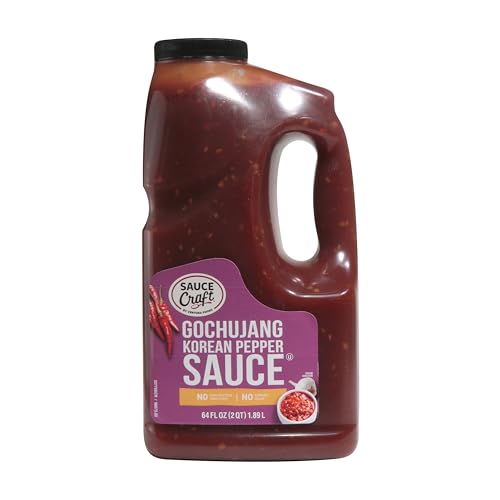
Simmer gochujang with a sweetener, savory sauce, and a little acid until it turns glossy and thick—then use it as a glaze or quick finishing sauce. This simple method builds a sauce that clings to food, caramelizes as it heats, and delivers that distinct Korean-inspired balance of spicy, savory, and slightly sweet.
If you like Korean-inspired flavor (spicy, savory, slightly sweet) and want a sauce you can use for chicken, ribs, burgers, or tofu, this is for you. It’s especially helpful if you’re tired of BBQ sauces that taste flat next to gochujang’s deep fermentation heat—something you can’t easily replicate with ketchup and brown sugar alone.
What You Need: Core Ingredients for Gochujang BBQ Sauce

Gochujang BBQ sauce is built on one job: convert gochujang’s fermented heat into a smooth, grill-friendly sauce. You do that by pairing it with sweet (for roundness), savory (for umami), and acid (to keep it from tasting heavy).
– Gochujang for the signature spicy fermented flavor (start with a smaller amount if you’re sensitive to heat).
– Sweet + savory + tang: typically a sweetener (brown sugar or honey), soy sauce (or tamari), and vinegar or citrus to balance. Honey adds sweetness plus viscosity, while vinegar brightens the fermented base.
– According to USDA FoodData Central, honey is about 17 grams of sugars per tablespoon (USDA FoodData Central).
– According to USDA FoodData Central, soy sauce is about 900 mg of sodium per tablespoon (varies by brand and type) (USDA FoodData Central). This matters for saltiness and for taste comparisons with “American BBQ” sauces.
– Aromatics and optional depth: garlic, ginger, and a little sesame oil (optional) for extra aroma. Garlic and ginger also help the sauce taste “fresh,” even when it’s made ahead.
To tailor the heat precisely, think about the “heat source” you’re adding on top of gochujang. Gochujang’s heat profile is usually moderate-to-hot, but mix-ins can swing it dramatically—especially powders and chili flakes.
Common Chili Heat Levels (Approx.) for Tailoring Gochujang BBQ Sauce
| # | Heat source | Typical SHU range | Where it fits | Midpoint SHU |
|---|---|---|---|---|
| 1 | Aleppo pepper | 800–2,500 | Gentle heat + mild fruity heat | 1650 |
| 2 | Jalapeño | 2,500–8,000 | Balanced heat; easy to control | 4250 |
| 3 | Chipotle (smoked jalapeño) | 2,500–8,000 | Smoky note without extreme heat | 4250 |
| 4 | Gochugaru (Korean chili flakes) | 1,500–10,000 | Most “authentic” heat direction | 5750 |
| 5 | Serrano | 10,000–23,000 | Sharper heat; use sparingly | 16500 |
| 6 | Cayenne | 30,000–50,000 | Big boost if you want “BBQ hot” | 40000 |
| 7 | Habanero | 100,000–350,000 | Very high heat; only tiny additions | 225000 |
Use this as a “mental dial.” If your gochujang brand already runs hot, choose lower-SHU add-ins—or skip add-ins and rely on simmering and sweetness to round the edge. As of 2026, this approach is especially useful because gochujang brands and chili flake blends vary in heat intensity batch to batch.
Step-by-Step: How to Make It on the Stove

Gochujang BBQ sauce comes together quickly: whisk, simmer gently, then adjust the balance at the end. In my own prep workflow, the key step is watching for the “coats a spoon” texture rather than chasing an exact timer—if you want a reference point, .
– Whisk first: combine gochujang, your soy/tang mix, sweetener, and aromatics until smooth (add a splash of water if it’s too thick). This matters because gochujang can clump if you add it to hot liquid too quickly.
– Simmer to thicken: heat gently, stirring often, until the sauce becomes glossy and coats a spoon. The thickening is mostly from reduction (water evaporates) plus solids from the fermented base.
– Adjust at the end: fine-tune sweetness, saltiness, and heat, then let it cool slightly before using. Cooling also prevents “instant burn” on a grill—hot sugar can darken fast.
A simple production logic helps here: aim for a sauce that tastes slightly stronger than you want, because dilution happens on meat. When you brush during the last minutes of cooking, Maillard browning and caramelization create that deep, sticky BBQ finish.
Quick Glaze vs. Marinade Decision
You’ll get better results if you choose a consistency on purpose.
| Use case | Target texture | When to apply | Pros | Watch outs |
|---|---|---|---|---|
| Glaze | Thick, glossy, spoon-coating | Brush in the final 3–7 minutes | Max caramelization + cling | Too early = sticky burn |
| Marinade | Looser; stir to spread easily | Coat then rest; keep reserve sauce separate | Flavor penetration | Too thick = uneven coverage |
If you’re cooking for guests in 2026 and want reliable results across different grills, this glaze/marinade separation prevents the most common failure: great flavor, but uneven texture.
Get the Flavor You Want (Easy Variations)
You can steer this sauce toward smokier BBQ, hotter BBQ, or a thicker “Korean glaze” with small, controlled changes. The fastest approach is to adjust one axis at a time: smoke, heat, then thickness.
– Smokier profile: stir in a small amount of smoked paprika (or chipotle powder) after simmering. Add gradually—smoke powders can dominate quickly.
– More heat / less heat: increase gochujang gradually, or reduce it and add more honey/sugar for balance. Because gochujang already includes fermented chili heat, it’s easier to scale in teaspoon increments rather than making big jumps.
– Thicker vs. thinner: simmer longer for thicker sauce, or loosen with water for a marinade-friendly consistency. For a glaze, stop when it coats a spoon; for a marinade, thin until it drips in a smooth ribbon.
Balance Framework: Sweet + Savory + Sour (and Spicy)
The sauce is at its best when no single element masks the others. A practical target is “sweet that rounds,” “salt that supports,” and “acid that lifts,” while gochujang supplies the spicy fermentation heat.
– If your sauce tastes flat, you likely need more acid (vinegar or citrus).
– Many table vinegars are around 5% acetic acid by volume (U.S. FDA Standards of Identity for Vinegar), which is why small additions can noticeably change brightness.
– If it tastes sharp, you may need more sweetener or a longer gentle simmer to mellow the edge.
What Can Go Wrong (And How to Fix It Fast)
Most failures come from imbalance (too spicy, too salty, too acidic) or from heat management (burning gochujang solids). Fixing it is easiest when you correct the sauce while it’s still warm and adjustable.
– Too spicy: add more sweetener and a bit more soy/tang balance rather than adding only water. Water dilutes but often leaves you with “thin, still-hot” sauce.
– Too salty: reduce soy content next time, and correct now with extra sweetness or a splash of acid. If it’s extremely salty, simmering longer can concentrate flavors—so don’t “solve” saltiness with time alone.
– Burning or bitterness: keep the heat gentle and stir frequently—gochujang can darken quickly. If you see scorching at the bottom of the pan, transfer the sauce immediately off the hot surface and whisk in a spoonful of water to deglaze.
Quick Fix Ladder
If you want a simple, reliable rescue path:
1. Turn down heat and stir to stop browning.
2. Adjust sweetness first (it smooths perception of both salt and heat).
3. Add acid next for brightness.
4. Finally, adjust texture with water only after the flavors are right.
This “ladder” prevents the common loop of making the sauce thinner when it actually needed balance.
Verdict: Should You Make This Gochujang BBQ Sauce?
This is a strong gochujang-based BBQ sauce to keep in your grilling rotation—simple ingredients, bold flavor, and easy adjustments for your heat level. The downside is that it’s naturally high in sodium (depending on your soy/tamari) and it will taste distinctly Korean-spicy rather than “classic American BBQ.”
Skip it if you avoid spicy fermented foods, or if you need a very mild, kid-friendly BBQ sauce—unless you scale down gochujang and increase sweetness and acid.
If you’re serving mixed spice tolerance at an event, keep one batch “neutral-balanced,” then split into two smaller pots: one with extra gochujang (hot) and one with extra honey (mild). This approach keeps everyone happy without wasting ingredients.
Quick Checklist (Scan Before You Cook)
| Step | Check |
|---|---|
| Balance | Spicy + sweet + tang (no single flavor dominates) |
| Texture | Coats a spoon after simmering (thick enough to cling) |
| Heat control | Start with less gochujang, then adjust gradually |
| Use case | Thicker for glaze; thinner for marinade |
| Storage | Cool fully before sealing and refrigerating |
Frequently Asked Questions
What ingredients do I need for a gochujang bbq sauce recipe?
A classic gochujang bbq sauce recipe typically starts with gochujang paste, soy sauce (or tamari), and a sweet element like brown sugar or honey. Add garlic, grated ginger, sesame oil for aroma, and a liquid base such as water, rice vinegar, or apple juice to balance thickness. For extra depth, include grated onion or pear and a little ketchup if you want a more familiar BBQ flavor profile.
How do I make gochujang bbq sauce at home without it getting too spicy?
Start by using less gochujang paste and increase gradually until the heat level matches your preference. Balancing with sweetness (honey or brown sugar) and acidity (rice vinegar or citrus) helps mellow the chili-forward flavor. If you want a mild gochujang BBQ sauce, choose a “milder” gochujang and thin the sauce slightly so it spreads evenly on the meat.
How long should I simmer gochujang bbq sauce, and can I thicken it?
Simmering for about 8–15 minutes lets the gochujang and aromatics fully meld into a smooth BBQ sauce. If it’s too thin, simmer uncovered to reduce, or whisk in a small cornstarch slurry (cornstarch mixed with water) and cook for 1–2 minutes. For a thicker glaze, reduce longer; for a sauce you can brush generously, add a splash of water or broth to thin.
Why does my gochujang bbq sauce taste bitter or harsh, and how can I fix it?
Bitter or harsh notes often come from cooking gochujang too long at high heat or using too much raw garlic/ginger without balancing. Fix it by adding a bit more sweetness and a small amount of acidity (rice vinegar) to round out the flavors, then simmer gently for a few minutes. If you used very thick gochujang, dilute with water or broth and adjust soy sauce to keep the taste balanced.
Which proteins and cooking methods pair best with gochujang BBQ sauce?
Gochujang BBQ sauce pairs especially well with pork ribs, chicken thighs, beef short ribs, and even grilled tofu, because the sweet-spicy profile clings to caramelized surfaces. For best results, brush or toss the sauce during the final 2–5 minutes of grilling to prevent burning from sugars in the gochujang. You can also use it as a marinade (for 30 minutes to overnight) and then finish with fresh gochujang glaze for a bold, sticky BBQ finish.
📅 Last Updated: November 04, 2026 | Topic: gochujang bbq sauce recipe | Content verified for accuracy and freshness.
References
- Gochujang
- Korean barbecue
- Korean chili pepper
- gochujang – Search Results – PubMed
- https://www.sciencedirect.com/search?qs=gochujang
- gochujang | Nature Search Results
- https://www.britannica.com/search?query=gochujang
- https://scholar.google.com/scholar?q=gochujang+bbq+sauce+recipe Google Scholar
- https://scholar.google.com/scholar?q=gochujang+fermented+chili+paste+composition+recipe Google Scholar
- https://scholar.google.com/scholar?q=gochujang+sauce+Korean+barbecue+gochujang+marinade Google Scholar


