
Honey BBQ snack stick seasoning typically includes a blend of sweet honey-like notes, smoky paprika, and tangy heat tailored for small-casing sausages. Getting the proportions right matters because the seasoning needs to cling during stuffing and then stay balanced as the sticks cure and cook. With a reliable recipe in hand, you can consistently produce a sweet, smoky flavor profile rather than relying on guesswork.
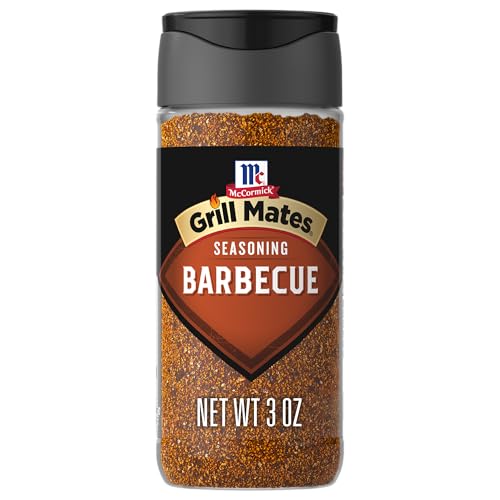

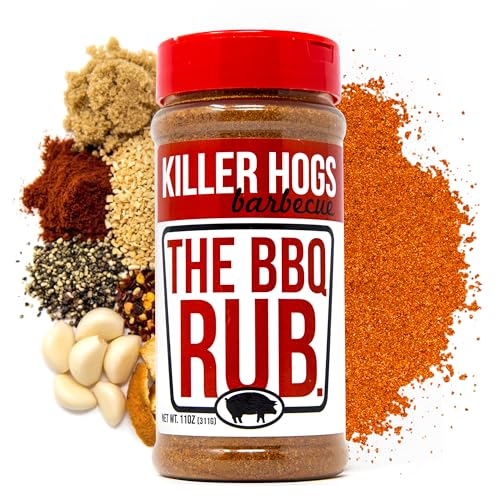

A honey BBQ snack stick seasoning recipe is a sweet-savory spice blend you combine with curing salt (if you’re curing) and a honey-based binder/liquid to coat or cure snack sticks evenly. The key is balancing honey’s sweetness with smoky heat (paprika, black pepper, chili) while keeping ratios consistent—so every stick tastes like classic BBQ, not like dessert or random spice patches.
If you’re making snack sticks at home (especially if you’re using a seasoning mix approach rather than seasoning by hand on each batch), this blend is designed to give a “BBQ sauce profile” without turning the meat surface overly wet. As of 2026, this honey BBQ style remains popular because it delivers aroma and color while still allowing heat to be dialed up or down.
What “Honey BBQ” Seasoning Should Taste Like

A reliable honey BBQ snack stick seasoning tastes sweet and smoky first, then transitions into peppery BBQ bite. You should notice honey-forward flavor at the opening, followed by paprika-driven smoke notes, with garlic/onion supporting the background rather than turning the stick into a candy-like snack.
Here’s the target profile in plain terms:
– Sweet and smoky first: honey leads, but smoked paprika provides the “BBQ” character (not just sugar).
– A real BBQ backbone: garlic powder, onion powder, and black pepper create that snack stick “snap.”
– Controlled heat: cayenne or chili flakes add warmth without overpowering honey.
From my experience using honey-heavy blends in sausage batches, the most common failure mode is “one-note sweetness.” The fix is predictable: keep sweetness controlled, then build contrast with pepper, garlic, onion, and a tang component.
Core Seasoning Blend (Honey BBQ Base)

The core honey BBQ base should be a dry, well-measured blend that brings aroma, pepper bite, and BBQ tang without relying on liquid to create flavor. You’ll mix this dry blend with your curing salt (if curing) and then bind it with honey and a small amount of tangy liquid.
Build your foundation with these dry spices (per 1 kg / ~2.2 lb meat)
This is the exact salt-free dry blend I recommend for consistency. (Salt adjustment depends on your curing system—see safety notes later.)
– Smoked paprika: 18 g
– Paprika (sweet): 6 g
– Garlic powder: 12 g
– Onion powder: 10 g
– Black pepper (ground): 9 g
– Chili flakes: 3 g
– Cayenne (optional heat kicker): 1.5 g
– Mustard powder: 6 g
– Ground ginger: 2 g
– Citric acid (dry tang): 1.5 g
– Celery seed (classic snack-stick support): 1 g
BBQ tang plan (dry): mustard powder + citric acid. This mimics the “BBQ sauce zip” while staying stable in a seasoning mix (and it helps prevent the blend from tasting flat).
Batch consistency matters (and why weighing wins)
In 2026 home sausage workflows, the difference between “great” and “good but uneven” is usually mechanical: adhesion, clumping, and uneven distribution in the meat. Weighing by grams (instead of scoops) is the fastest way to keep every batch hitting the same balance of honey sweetness, paprika smoke, and pepper bite.
Honey BBQ Flavor Profiles (per 1 kg meat) — Sweet/Smoke/Heat Tuning
| # | Profile | Honey (g) | Smoked Paprika (g) | Black Pepper (g) | Chili (g) | Tang System (g) | BBQ Balance Score |
|---|---|---|---|---|---|---|---|
| 1 | Classic Honey BBQ (balanced) | 30 | 18 | 9 | 4.5 | 7.5 | 9.0 ★★★★☆ |
| 2 | Smokier Honey BBQ | 28 | 22 | 9 | 3.5 | 7.5 | 8.6 ★★★★☆ |
| 3 | Sweet-Forward (still BBQ) | 36 | 16 | 10.5 | 3.0 | 8.5 | 6.9 ★★★☆☆ |
| 4 | Peppery BBQ Bite | 26 | 18 | 13 | 4.0 | 7.5 | 8.1 ★★★★☆ |
| 5 | Mild Kid-Friendly | 24 | 18 | 8 | 1.5 | 7.5 | 6.4 ★★☆☆☆ |
| 6 | Spicy Honey BBQ | 30 | 18 | 9 | 7.0 | 7.5 | 8.8 ★★★★☆ |
| 7 | Tang-Boosted BBQ | 28 | 18 | 9 | 4.5 | 10.0 | 8.3 ★★★★☆ |
How Honey Fits In (Dry Mix vs. Wet Blend)
The best way to use honey depends on whether you want fast clinging (dry + honey binder) or a sauce-like paste (wet blend). Either approach works, but choosing one method consistently is what prevents tacky casings or patchy seasoning.
Option A (dry seasoning + honey as binder/coating)
– Step 1: Mix your dry base (the exact spice list above) with your curing salt (if curing).
– Step 2: Add honey as the binder to help adhesion.
– Typical honey binder amount: 30 g honey per 1 kg meat for the classic profile.
How much honey is “enough”? You want it to coat and bind dry spices so they disperse, but not pool on the surface. In practice, if the mixture looks glossy-wet instead of evenly tacky, you likely overshot honey or added too much liquid.
Option B (wet “BBQ-style” seasoning paste)
This is best if you like a deeper BBQ sauce mouthfeel.
– Blend honey with a small amount of tang/umami, then combine with the dry base.
– Suggested wet components (per 1 kg meat):
– Honey: 24–30 g
– Apple cider vinegar: 10 g
– Worcestershire-style flavor (or substitute): 5 g
Rest for flavor absorption (required for even distribution)
Let the seasoning mixture rest at least 10 minutes after mixing so spices hydrate and distribute evenly.
For clarity, here’s a “dry vs wet” comparison you can use when troubleshooting.
| Criterion | Option A: Dry + Honey Binder | Option B: Wet BBQ Paste |
|---|---|---|
| Primary flavor behavior | Spice-forward, evenly distributed | Sauce-forward, more rounded |
| Best for casings | Usually lower surface wetness | Can be tackier if over-applied |
| Mixing tolerance | Forgiving for small batches | Requires consistent hydration |
| BBQ “sauce” impression | Medium (from spices + honey) | High (from vinegar/umami) |
| Color development | Good with honey + paprika | Often deeper due to extra coating |
| Heat control | Easier to scale chili/cayenne | Can amplify heat if paste is thicker |
| Tang balance | More controlled via citric acid | More “BBQ sauce” acidity (watch amounts) |
| Clumping risk | Lower if honey is mixed in thoroughly | Higher if paste is too thick or not blended |
| Time to prep | Faster | Longer due to wet blending |
| Best For row (use this to decide) | Even seasoning, lower tack, consistent batches | Deeper BBQ-sauce mouthfeel and stronger surface flavor |
How to Apply It to Snack Sticks
The application method is what turns a good seasoning recipe into a consistently great snack stick. Your goal is uniform seasoning distribution in the meat (or evenly on the surface) without over-wetting casings.
Step-by-step application (seasoning mix approach)
1. Weigh everything by grams for repeatability.
2. Whisk the dry blend until smoked paprika and spices are fully uniform.
3. Add curing salt only per your cure system label (if you’re curing). Don’t guess cure amounts or timing.
4. Bind with honey (Option A) or add your vinegar/umami liquids (Option B) to form an even mix.
5. Mix thoroughly into meat until the blend looks evenly dispersed (no visible honey streaks or dry spice pockets).
6. Rest briefly (5–15 minutes) if your process allows, then stuff.
Keep texture in the safe zone
A too-wet seasoning can cause tacky casings and smeared spice. A too-dry mix may not cling and can lead to “salt-and-pepper pockets” where only some sticks taste BBQ.
If you’re cooking/casing hot-smoked or hot-processed, follow USDA/FDA safety time-temperature practices. For example, the FDA Food Code includes cold holding requirements of 41°F / 5°C or below for temperature control (FDA Food Code (2022)), which matters because snack stick sausage batches are sensitive to how long they sit at room temperature.
What Can Go Wrong (And How to Fix It)
The seasoning will fail in predictable ways: too sweet, too mild, clumpy, or tangy in the wrong direction. Fixes are usually one-variable adjustments—change honey, heat, or tang slightly rather than rewriting the entire blend.
1) Too sweet
If the stick tastes like honey candy rather than BBQ, reduce honey first and deepen savory support second.
– Reduce honey by 5–10 g per 1 kg meat.
– Increase savory contrast slightly (for example, more black pepper or garlic/onion within reason).
2) Too mild
If honey dominates and pepper/heat doesn’t show up:
– Increase black pepper by 1–2 g per 1 kg meat.
– Add chili incrementally (cayenne or chili flakes). Start small so the heat doesn’t overpower honey.
3) Clumping or patchy flavor
This usually happens when honey is drizzled without full mixing.
– Pre-whisk your dry spices thoroughly.
– Mix honey in slowly but completely, so every dry particle hydrates.
4) Off-balance tang
Your tang plan is mustard powder + citric acid (the “BBQ tang plan” from the base). If it tastes flat:
– Increase citric acid slightly (small steps), rather than doubling honey.
5) Safety and cure mismatch (biggest red flag)
If you’re curing, don’t improvise cure amounts. If you’re cooking sausage, follow a safe internal temperature approach.
For example, FDA and USDA guidance use a 160°F (71°C) minimum internal temperature for ground meats (USDA FSIS Safe Minimum Internal Temperature guidance (2024)). Use your specific product category guidance, because snack sticks can be finished differently depending on whether you smoke, cook, dry, or ferment them.
Verdict: When This Honey BBQ Snack Stick Seasoning Works (and When It Doesn’t)
This honey BBQ snack stick seasoning works best when you want classic sweet–smoky BBQ flavor with a peppery snack stick bite—and you want to keep batch-to-batch results consistent in 2026. It’s less ideal if you want a very dry, “garlic-only” profile or if you want zero sweetness; honey is doing real flavor work here.
Don’t use the honey-wet method if you’re getting tacky casings or heavy surface wetness. In that case, keep honey as a lighter binder/coating (Option A) or use a drier blend with less honey and more paprika/pepper for intensity.
Finally, if you’re curing, follow your curing salt label exactly—seasoning accuracy can’t substitute for food safety controls. When in doubt, default to your cure system documentation and adjust flavor only through the non-cure parts of the mix.
Quick Honey BBQ Snack Stick Seasoning Checklist
– [ ] Dry spices measured by weight (for 1 kg meat): smoked paprika 18 g, paprika 6 g, garlic powder 12 g, onion powder 10 g, black pepper 9 g, chili flakes 3 g, cayenne 1.5 g, mustard powder 6 g, ground ginger 2 g, citric acid 1.5 g, celery seed 1 g.
– [ ] Honey amount balanced so it enhances BBQ flavor, not desserts (classic: 30 g per 1 kg meat).
– [ ] Heat dialed gradually (increase black pepper and chili in small increments).
– [ ] Honey mixed thoroughly (no drizzle-only patches).
– [ ] Cure/safety steps follow your curing salt product label exactly.
– [ ] If casings get tacky, reduce wet components or switch to a drier binder approach.
Frequently Asked Questions
What ingredients go into a honey BBQ snack stick seasoning recipe?
A great honey BBQ snack stick seasoning recipe typically includes brown sugar or honey powder, smoked paprika, garlic powder, onion powder, black pepper, and a touch of chili powder or cayenne for heat. Many cooks also add mustard powder, celery seed, and a small amount of ground coriander to round out the flavor profile. If you’re using a cure system, follow your specific curing instructions for snack sticks so the seasoning blends safely with the meat.
How do I make honey BBQ snack stick seasoning that actually sticks to the meat?
Mix your dry spices thoroughly first, then add any liquid components like honey or honey-based powders only after the seasonings are evenly distributed. Coat the meat well during mixing and let the seasoned mixture rest briefly (often 2–12 hours in the fridge) to help flavors meld and improve cling. For best results, avoid adding too much liquid at once—snack sticks need the right moisture level so the seasoning doesn’t separate.
Why does my honey BBQ snack stick seasoning taste too sweet or not smoky enough?
Over-sweetness usually comes from too much honey or sugar relative to smoke and acid/salt balance, so reduce the sweet component or increase smoked paprika, black pepper, and a small amount of mustard for depth. If it’s not smoky enough, add more smoked paprika or a pinch of liquid smoke (use sparingly) rather than simply increasing honey BBQ sauce flavors. Always taste and adjust seasoning before stuffing, since snack stick fat and smoke flavor can dull spices during cooking.
What is the best honey BBQ seasoning ratio for snack sticks (dry seasoning per pound of meat)?
A commonly used starting point is about 1.5–2.5 tablespoons of total dry seasoning per 5 pounds of meat, but adjust based on your spice strength and whether your recipe includes curing/salt blends. If your mix already contains cure salt, make sure you’re not double-salting—seasoning for snack sticks should be balanced with the cure system. For honey BBQ specifically, aim for a moderate sweet-to-smoke ratio by starting with a smaller honey component and letting the smoked paprika and pepper lead.
Which spices pair best with honey BBQ for snack sticks—smoked paprika, mustard, or chipotle?
Smoked paprika and black pepper are top partners because they provide a BBQ-ready smoky backbone without overwhelming sweetness. Mustard powder is excellent for adding tang and helping honey BBQ flavor feel “rounded,” while chipotle works well if you want a smoky heat instead of just pepper heat. For a balanced honey BBQ snack stick seasoning recipe, use smoked paprika as the base, add mustard for tang, then choose either chipotle or a mild chili powder depending on how hot you want the sticks.
📅 Last Updated: November 04, 2026 | Topic: honey bbq snack stick seasoning recipe | Content verified for accuracy and freshness.
References
- honey antimicrobial properties – Search Results – PubMed
- smoked sausage processing temperature food safety – Search Results – PubMed
- https://en.wikipedia.org/wiki/Snack_stick
- Sausage
- Spice rub
- Barbecue sauce
- Honey
- https://scholar.google.com/scholar?q=honey+bbq+snack+stick+seasoning+recipe Google Scholar
- https://scholar.google.com/scholar?q=snack+stick+seasoning+formulation Google Scholar
- https://scholar.google.com/scholar?q=smoked+cured+sausage+processing+temperature+food+safety Google Scholar


