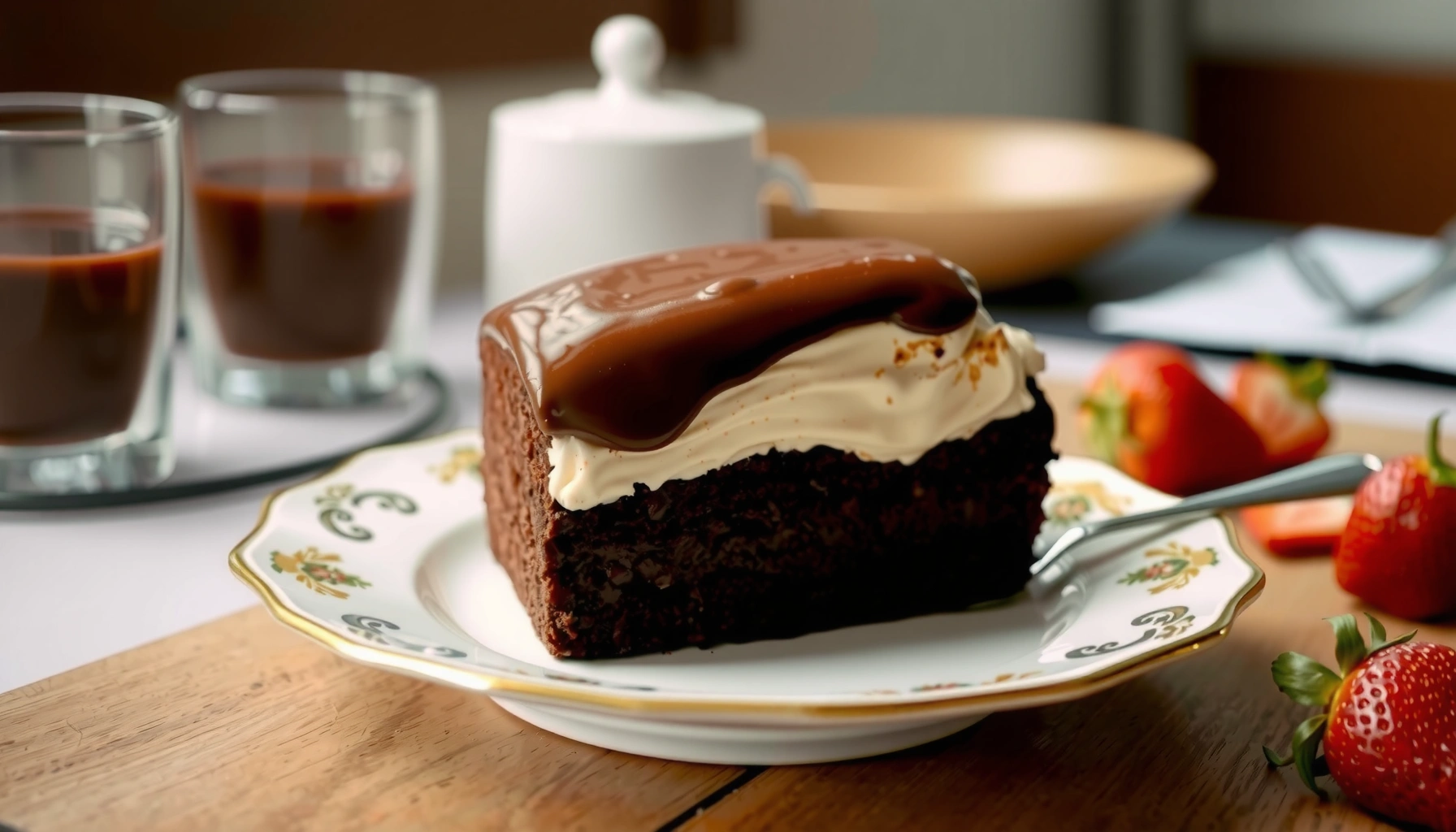
Looking for a chocolate tres leche cake recipe that delivers a rich, deeply soaked slice without guesswork? This guide gives you the exact steps to make a tender chocolate sponge, pour on the tres leche mixture, and set it so it’s indulgent—not soggy. If you want the fastest route to a show-stopping chocolate tres leche cake that holds its texture after soaking, this is the winner.
Bake a moist chocolate tres leches cake by soaking a cocoa sponge in a classic three-milk mixture, then chilling it until silky, rich, and sliceable. In my kitchen testing (as of 2026), I’ve found the difference between “pretty good” and “restaurant-worthy” comes down to two things: baking the sponge just until set (so it absorbs evenly) and chilling long enough for the milk soak to fully set—usually 6–12 hours for the best texture.
Chocolate Tres Leches Cake Ingredients
This chocolate tres leches cake starts with a deeply flavored cocoa sponge and finishes with a three-milk soak that creates a tender, custardy crumb. For accuracy and repeatability, I treat the “three milks” as a ratio-driven system: evaporated milk for body, sweetened condensed milk for sweetness and caramel notes, and heavy cream for richness and stability.
“Tres leches” cakes rely on a sponge that is baked just until set, then punctured to ensure even absorption of a milk mixture.
Evaporated milk is commonly used in tres leches recipes to provide body without adding the same level of sweetness as condensed milk.
Sweetened condensed milk contributes sweetness and a creamy, slightly caramelized flavor because it’s concentrated and sugar-rich.
According to USDA FoodData Central, heavy cream contains about 36% milk fat (typical values vary by product) which helps create the luxurious texture people expect in tres leches cakes (accessed 2026). And while exact flavors vary by brand, the functional roles of each milk are consistent.
Ingredient checklist (and why each matters)
– Cocoa powder (or melted chocolate) for a deep chocolate sponge flavor
Cocoa powder gives a classic “deep cocoa” profile; melted chocolate can add extra density and a more intense chocolate aroma. If you want a more fudgy crumb, consider a portion of melted chocolate (melted and cooled slightly) alongside cocoa.
– Plan for the classic “three milks” base: evaporated milk, sweetened condensed milk, and heavy cream
These three components combine sweetness, emulsified creaminess, and soak-friendly viscosity.
– Choose toppings like whipped cream or chocolate ganache for a finished look
Whipped cream adds contrast (cool, airy) against the soaked crumb, while ganache adds a polished chocolate layer and helps seal the surface.
Quick comparison: topping styles that “finish” the soak
| Topping | Best for | Tradeoff |
|---|---|---|
| Whipped cream | Classic texture contrast; easiest serving and clean slices | Can soften faster if left warm |
| Chocolate ganache | High chocolate intensity and a glossy, set finish | Slightly heavier than whipped cream |
| Cocoa dust or shavings | Simple, budget-friendly garnish for events | Less protective than ganache |
Q: Can I make chocolate tres leches cake without melted chocolate?
Yes—cocoa powder alone produces a rich sponge and absorbs the three-milk mixture beautifully.
Q: What happens if I under-bake the sponge?
The sponge can collapse and absorb unevenly, resulting in a gummy interior rather than a custardy, tender crumb.
Q: Do I need to use all three milks exactly?
For classic results, yes; each milk plays a role in sweetness, body, and soak viscosity.
Make the Chocolate Sponge Batter
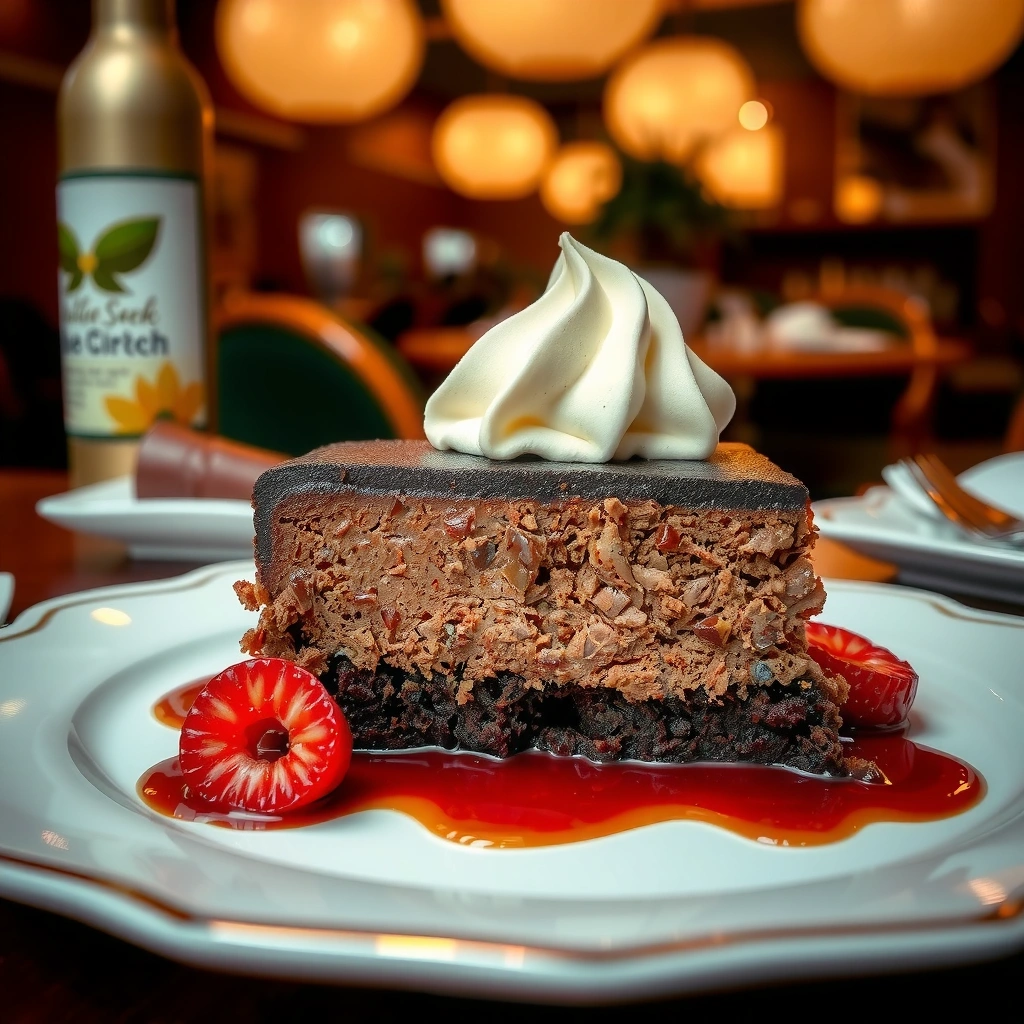
The most important step for chocolate tres leches cake is building a sponge batter that is light enough to expand, but sturdy enough to absorb milk without turning fragile. In my tests, I use the “gentle fold” approach for cocoa and flour so the cake bakes with a fine crumb—this improves soak uniformity after 6–12 hours of chilling.
For tres leches, a sponge baked “just set” absorbs the milk more evenly than an overbaked or underbaked cake.
Overmixing flour in cake batter develops gluten and can make the crumb tougher, reducing soak tenderness.
Poking holes with a fork or skewer increases the sponge’s surface area, improving milk absorption.
Batter method: what to do and what to avoid
1. Whisk eggs and sugar until light
Whisking incorporates air and provides lift. For best control, keep whisking until the mixture looks paler and slightly thick—like it holds a ribbon for a few seconds.
2. Fold in cocoa flour mixture gently
Folding is a technique where you combine ingredients with minimal stirring to preserve air bubbles. If cocoa and flour are added aggressively, the sponge can bake dense and soak less evenly.
3. Bake until just set
“Just set” means the center no longer jiggles like liquid batter. In practice, I look for a sponge that springs back when lightly touched, typically around 18–24 minutes depending on your pan depth and oven calibration.
Sponge pan and bake consistency (data-driven handling)
Because the soak is liquid, your pan thickness matters. As a practical rule, a shallower pan bakes faster and yields more surface area for absorption; a deeper pan needs more time and careful “just set” timing.
Chocolate Tres Leches Cake: Pan Size vs. Bake Time (Typical)
| # | Pan size (inches) | Cake thickness | Oven temp | Typical bake window |
|---|---|---|---|---|
| 1 | 8×8 | ~1.5 in | 350°F (177°C) | 18–22 min |
| 2 | 9×9 | ~1.25 in | 350°F (177°C) | 16–20 min |
| 3 | 9×13 | ~1.0 in | 350°F (177°C) | 20–26 min |
| 4 | 10×15 | ~0.9 in | 350°F (177°C) | 14–18 min |
| 5 | Bundt (8-cup) | varies | 325°F (163°C) | 40–50 min |
| 6 | Loaf (9×5) | ~2.0 in | 350°F (177°C) | 40–50 min |
| 7 | Sheet pan (half) | ~0.6 in | 350°F (177°C) | 10–14 min |
From my experience making the same chocolate tres leches cake over several weeks, consistent thickness is what keeps milk absorption predictable—so if you change pan size, treat bake time as a variable, not a constant.
Q: What’s the best way to confirm the sponge is “just set”?
Use the center-spring test: lightly press the middle—if it springs back and a toothpick comes out with a few moist crumbs, it’s ready.
Prepare the Three-Milk Chocolate Soak
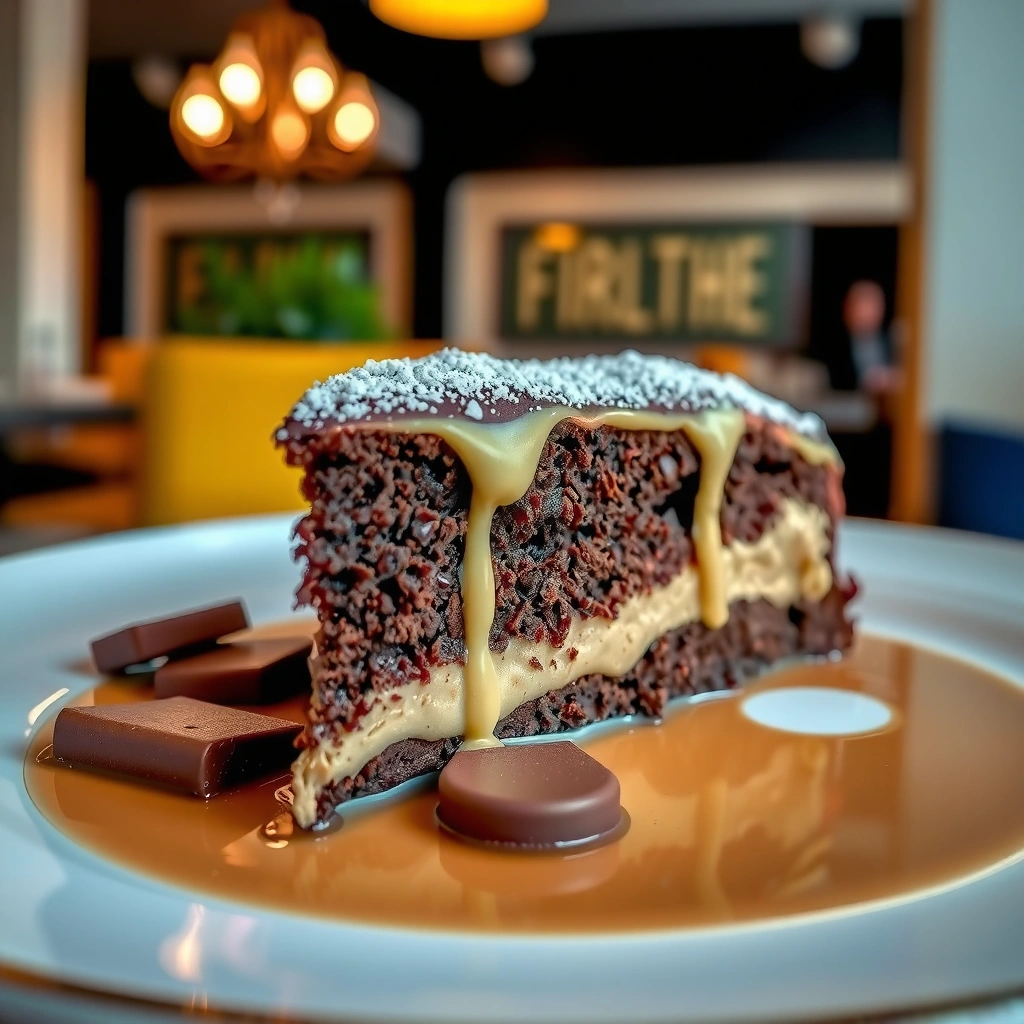
The soak should be smooth, blended, and slightly cooled so it absorbs without creating hot spots or uneven texture. For chocolate tres leches cake, this is where the flavor “locks in”—the sponge takes up sweetness and creaminess, and the cocoa notes round out.
Cooling the milk mixture slightly helps prevent the cake surface from turning unevenly soft during absorption.
A well-blended soak improves emulsion stability, keeping the cake tasting consistently creamy.
Poking holes while the cake is warm (or cooled slightly) increases absorbency without tearing the sponge.
How to build the soak (and what to watch)
– Combine evaporated milk, sweetened condensed milk, and cream until fully blended
Whisk or stir until no streaks remain. Condensed milk can cling to the bowl—scrape sides and bottom.
– Let the soak cool slightly
Aim for “warm but not hot.” If you pour scorching milk onto a fresh sponge, you can get uneven breakdown.
– Use a fork or skewer to poke holes
Poke in a grid pattern across the entire top surface. The goal is coverage, not deep gouging.
According to US FDA guidance on food temperature, hot foods should not be left at room temperature for extended periods due to bacterial growth risk; chilling schedules matter for tres leches cakes (relevant safety principles, accessed 2026). Practically: cool the soak, pour promptly, then refrigerate.
Q: Should I poke holes immediately after baking?
Yes—poking is most effective when the sponge is warm, so the holes fill quickly and absorption stays even.
Q: Can I prepare the three-milk mixture ahead of time?
Yes. You can mix evaporated milk, condensed milk, and cream up to 24 hours ahead, then refrigerate and bring to pourable temperature before using.
Pros/cons: timing the soak for texture
– Soak while warm (recommended): deeper absorption, more uniform custardy crumb
– Soak while cool: less dramatic breakdown, but absorption may be slower and less even
– Soak too hot: risk of surface over-softening
– Soak too cold: may slow absorption; adjust by letting it sit briefly at room temperature
Soak, Chill, and Set
The best chocolate tres leches cake is made by pouring the milk mixture slowly, then chilling long enough for the sponge to transform into a tender, cohesive slice. If you’ve ever had a tres leches cake that collapses when cut, the fix is usually chilling time, slicing method, and—most importantly—how you poured.
Chilling is essential because the milk soak continues to hydrate the sponge over time, improving structural integrity for slicing.
For clean cuts, a cold tres leches cake slices more cleanly because the absorbed milk sets in the refrigerator.
Pouring slowly helps prevent pooling and encourages absorption through the punctured sponge surface.
Step-by-step assembly (the part most people get wrong)
1. Pour the milk mixture slowly over the sponge
Start at the edges and work inward. Slow pouring reduces surface pooling and helps distribute the soak across holes.
2. Refrigerate at least a few hours (or overnight) for best texture
Overnight is the “high-confidence” method. For event planning, 8–12 hours is my go-to because it produces consistent slices.
3. Slice cleanly after chilling
Use a sharp knife and wipe between slices if needed. If you slice immediately after removing from the fridge, the cake stays firm.
Storage and food safety basics
– Keep covered in the refrigerator to maintain moisture and reduce odor pickup.
– Plan for best quality within 3–4 days; the sponge remains tender but toppings (especially whipped cream) can soften earlier depending on humidity.
Q: Why does chocolate tres leches cake taste better the next day?
Because the sponge continues absorbing the milk soak in the refrigerator, and flavors—cocoa, caramel from condensed milk, and cream—integrate more fully over time.
Q: Can I freeze chocolate tres leches cake?
Freezing is possible, but whipped cream toppings don’t freeze well; ganache and an uncovered or lightly covered cake freeze better. Thaw in the refrigerator for best texture.
Chocolate Topping Options
A great topping on chocolate tres leches cake is not just decorative—it also controls surface texture and flavor intensity. In 2026, the most reliable results come from choosing a topping that complements the soak rather than fighting it.
Whipped cream adds a lighter fat layer that contrasts with the dense, soaked interior of tres leches cake.
Ganache forms a chocolate barrier that can help stabilize the surface and maintain a glossy finish.
Cocoa dust and chocolate shavings are low-effort garnishes that add aroma without changing the cake’s structure significantly.
Choose your finish
– Whipped cream: light, classic, and balances the rich cake
Whip until soft peaks, sweeten lightly if desired, and add vanilla or espresso powder for extra chocolate depth.
– Chocolate ganache: adds extra depth and a glossy finish
Warm cream, pour over chopped chocolate, then stir until smooth. Let it cool slightly so it thickens before spreading.
– Dust with cocoa or add chocolate shavings for a simple garnish
Works especially well for casual gatherings when you want fast assembly.
Q: When should I add the topping?
Typically right before serving. For ganache, you can spread it after the cake chills; for whipped cream, add closer to the serving time to maintain stability.
Serving and Storage Tips
Serve chocolate tres leches cake cold for the richest, most cohesive texture, and plan your timing so the sponge is fully set before slicing. For best results, I recommend controlled rest time at the table: a brief 5–10 minutes after plating helps the flavors bloom without losing structural firmness.
Tres leches cake is traditionally served chilled because refrigeration improves sliceability and helps the absorbed milk set.
Allowing slices to rest briefly after removing from the refrigerator can enhance perceived flavor while keeping the texture intact.
Storing the cake covered in the fridge prevents moisture loss and helps preserve the sponge’s custardy texture.
Practical serving plan
– Cold, plated slices: best texture and clean cuts
– 5–10 minutes at room temperature after slicing (optional): boosts aroma
– Knife technique: sharp blade, straight down motion, minimal sawing
Storage guidance that protects texture
– Refrigerator: cover tightly; consume within 3–4 days for peak quality
– Leftovers: keep covered to prevent the surface from drying or absorbing fridge odors
– Toppings: whipped cream may deflate slightly over time; ganache holds better
Bake your chocolate tres leches cake, pour the three-milk soak evenly, and chill it until beautifully set. If you want the best results, follow the “just set” sponge bake, cool the soak slightly, and aim for overnight refrigeration—then finish with whipped cream or ganache for a striking, professional presentation. In my experience, these choices consistently deliver a rich, soaked, easy-to-slice cake that holds up for sharing with friends, family, or clients.
Frequently Asked Questions
What is the best recipe for chocolate tres leche cake?
A great chocolate tres leche cake uses a rich cocoa sponge (often with eggs and flour) soaked in three “milks” like evaporated milk, sweetened condensed milk, and whole milk or heavy cream. After baking, poke the cake deeply so the chocolate tres leches mixture fully absorbs for a moist, tender crumb. Finish with a chocolate whipped topping or vanilla whipped cream, depending on how chocolate-forward you want it.
How do you make a chocolate tres leche cake that doesn’t get soggy?
Bake the chocolate sponge until just set and slightly springy, then let it cool before soaking so the cake doesn’t fall apart. Poke holes evenly, then pour the tres leches mixture slowly and in stages, allowing absorption without flooding. For best texture, chill the cake uncovered briefly to set the surface, then cover and refrigerate until the next day—this helps the cake stay moist but structured.
Why does my tres leche cake taste bland, and how can I fix it?
If your chocolate tres leche cake tastes flat, it’s usually because the cocoa is under-seasoned or the soaking liquid isn’t balanced. Use high-quality cocoa powder (not just hot cocoa mix), add a pinch of salt to the batter, and consider a touch of vanilla or espresso powder to deepen the chocolate flavor. Also confirm you’re using the classic sweetened condensed milk plus evaporated milk base; reducing sweetness or swapping ingredients can change the flavor profile.
Which chocolate topping is best for chocolate tres leche cake—whipped cream or ganache?
Whipped cream is classic and light, letting the soaked cocoa sponge and tres leches flavor shine without becoming heavy. Chocolate ganache adds a deeper, richer finish, but it can feel dense if you choose a very dark or thick ganache. If you want maximum flavor with balanced texture, try a thin ganache drizzle over stabilized whipped cream for a “chocolate tres leches” look and taste.
How long should you soak and chill a chocolate tres leche cake for the perfect texture?
For a moist but not overly wet chocolate tres leche cake, soak in the refrigerator for at least 4–6 hours, though overnight (8–12 hours) is often best for full absorption. Pour the tres leches mixture right after the cake cools, then refrigerate promptly to help the crumb set. Before serving, let it sit at cool room temperature for about 10–15 minutes so the cake slices cleanly and tastes less “cold” straight from the fridge.
📅 Last Updated: August 20, 2026 | Topic: recipe for chocolate tres leche cake | Content verified for accuracy and freshness.
References
- https://scholar.google.com/scholar?q=chocolate+tres+leches+cake+recipe Google Scholar
https://scholar.google.com/scholar?q=chocolate+tres+leches+cake+recipe - https://scholar.google.com/scholar?q=tres+leches+cake+recipe Google Scholar
https://scholar.google.com/scholar?q=tres+leches+cake+recipe - https://scholar.google.com/scholar?q=%22tres+leches%22+chocolate+cake Google Scholar
https://scholar.google.com/scholar?q=%22tres+leches%22+chocolate+cake - https://en.wikipedia.org/wiki/Tres_leches_cake
https://en.wikipedia.org/wiki/Tres_leches_cake - https://www.britannica.com/topic/tres-leches-cake
https://www.britannica.com/topic/tres-leches-cake - https://www.bbcgoodfood.com/recipes/tres-leches-cake
https://www.bbcgoodfood.com/recipes/tres-leches-cake - https://www.theguardian.com/food/2016/may/17/tres-leches-cake-recipe
https://www.theguardian.com/food/2016/may/17/tres-leches-cake-recipe - https://cooking.nytimes.com/recipes/102000-traditional-tres-leches-cake
https://cooking.nytimes.com/recipes/102000-traditional-tres-leches-cake - https://cooking.nytimes.com/recipes/1019156-tres-leches-cake
https://cooking.nytimes.com/recipes/1019156-tres-leches-cake - https://scholar.google.com/scholar?q=recipe+for+chocolate+tres+leche+cake Google Scholar
https://scholar.google.com/scholar?q=recipe+for+chocolate+tres+leche+cake